The Bright Path Ahead: All About Electrician School
Introduction:
Have you ever experienced a power outage in your home and wished you had the expertise to fix it yourself? Or perhaps, you’ve been intrigued by the complex network of wires and circuits that magically bring to life every electronic gadget around us? If such electrical phenomena stir up a sense of curiosity or excitement in you, then a career as an electrician might just be your calling. But where does one start? The answer lies in a professional journey that begins at an Electrician School.
The role of an electrician is not just restricted to fixing a blown fuse or installing a new light fixture. A licensed electrician is qualified to design, install, maintain and troubleshoot electrical wiring systems in residential, commercial and industrial spaces. They are the unsung heroes who ensure our homes are well-lit, our heaters work during winter, and our air conditioners keep us cool in summer. For those who are interested in becoming this cornerstone of modern society, an electrician school is the gateway to learning the essential skills and gaining the necessary knowledge.
In this blog post, we will explore the world of electrician schools in detail. We will cover everything from what you can expect to learn at an electrician school, how to choose the right one, the process of becoming a master electrician, and finally some tips on finding an electrician school near you. Besides this, we will delve into understanding the importance of this specialized education and how it shapes your future career path.
Whether you are a high school graduate considering various career options, a professional looking to switch careers, or someone simply interested in the electrical field, understanding what an electrician school offers can be a game-changer. It’s not just about learning a trade; it’s about building a stable, rewarding career that lets you make a significant impact on people’s lives.
Now, why does all this matter to you? As we advance further into the 21st century, our reliance on electrical power and electronic devices is only set to increase. This means the demand for qualified electricians is on the rise. According to the U.S. Bureau of Labor Statistics, employment for electricians is projected to grow 8 percent from 2019 to 2029, which is much faster than the average for all occupations. This translates into excellent job prospects and a promising career outlook for aspiring electricians.
Moreover, being an electrician isn’t just a job; it’s a profession that demands a high level of skill, precision, and safety awareness. It’s a field where the margin for error is minimal, and therefore, proper training and education become paramount. That’s where electrician schools play a pivotal role.
In essence, understanding all about electrician school is your first step towards a bright career as an electrician or a master electrician. It’s the launchpad that will equip you with the tools, techniques, and knowledge to power up your professional journey. So, let’s switch on our learning mode and plug into the exciting world of electrician schools!
What About Electrician School?
A career as an electrician is both challenging and rewarding. It combines technical knowledge, problem-solving skills, and a high degree of hand-eye coordination. Electricians are responsible for installing, maintaining, and repairing electrical systems in homes, businesses, and factories. Considering the complexity and importance of this work, proper training is crucial. That’s where electrician school comes into play.
Electrician school is where individuals interested in this field acquire the necessary skills and knowledge. It is a specialized educational institution or program that provides comprehensive training about electrical systems and the practical application of electrical principles. A typical electrician school curriculum focuses on areas like electrical theory, blueprint reading, safety and first-aid practices, building codes, and installation and repair of residential and commercial electrical systems.
Understanding the Fundamentals
The journey to becoming a master electrician begins with understanding the basic principles of electricity. At electrician school, students start by learning about electrical theory. This includes studying atoms, the building blocks of everything in the universe, and understanding how the movement of electrons creates electricity.
Additionally, students learn about Ohm’s law, a fundamental concept in electricity that explains how voltage, current, and resistance are related. Understanding this law is crucial as it lays the foundation for comprehending more complex electrical principles.
Another important area covered in electrician school is circuitry. Students learn about different types of circuits—series, parallel, and combination—and how they work. This knowledge is crucial as it forms the basis for understanding how electrical systems are designed and function in real-world settings.
Blueprint Reading
In addition to understanding electrical theory, an electrician must be proficient in reading blueprints. These documents contain detailed information about where electrical components like outlets, switches, and circuit breakers are located in a building. They also show how these components are connected.
Learning to read blueprints accurately is crucial for electricians. Mistakes in interpreting these documents can lead to serious problems, including electrical malfunctions and safety hazards.
Safety and First-Aid Practices
Working with electricity carries inherent risks. Therefore, electrician school also focuses heavily on safety and first-aid practices. Students learn how to identify potential hazards and the appropriate safety measures to prevent accidents. They also get trained in first-aid procedures, which can be vital in emergency situations.
Building Codes
Electricians must adhere to strict building codes when installing or repairing electrical systems. These codes, which vary by country and sometimes by region within a country, are designed to ensure that electrical work is done safely and effectively.
At electrician school, students learn about the different codes and regulations that apply to electrical work. This knowledge is crucial for passing licensing exams and for performing safe, high-quality work once they start their careers.
Practical Training
Lastly, electrician school provides hands-on training. This is where students apply what they’ve learned in the classroom to real-world scenarios. They practice installing wiring, circuit breakers, and other electrical components, as well as diagnosing and repairing electrical problems.
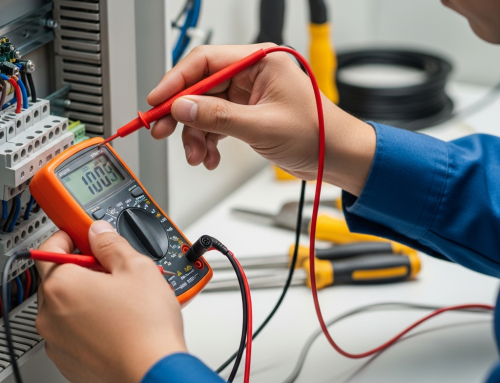
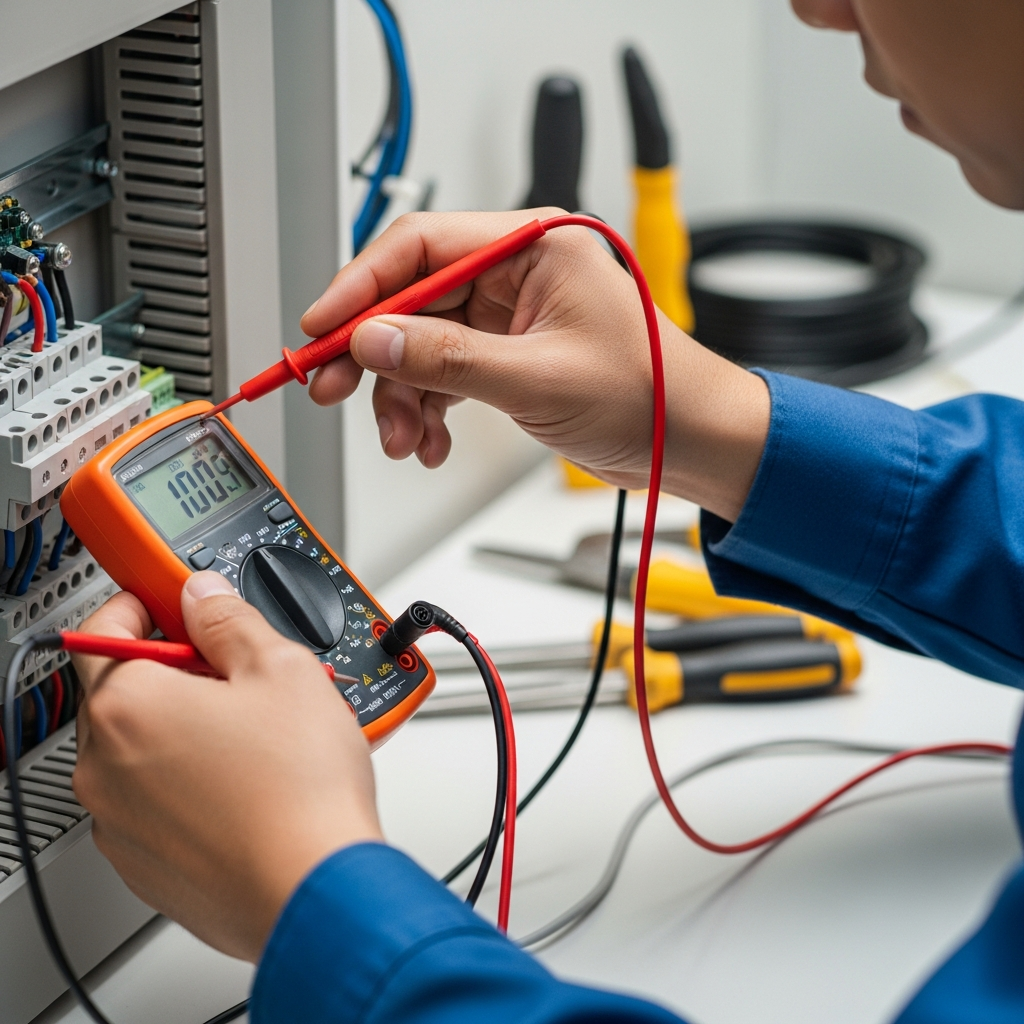
The practical training also includes using tools and equipment commonly used in the electrical trade, like voltmeters, ammeters, and oscilloscopes. This hands-on experience is essential for building the skills needed to be a successful electrician.
In summary, electrician school is where individuals interested in this field receive the comprehensive education necessary to safely and effectively work with electrical systems. The curriculum covers everything from basic electrical theory to practical application of learned principles, providing students with a solid foundation for a successful career.
A Comprehensive Guide to Electrician School
Are you interested in pursuing a career in the electrical industry? Then applying to electrician school might be the best step towards your goal. Electrician schools provide the necessary training, knowledge, and practical skills required to work in this dynamic field. Here’s a detailed guide to help you understand everything about electrician school.
**Step 1: Understanding the Basics**
Before you enroll, it’s important to grasp the basics of what an electrician school entails. Electrician schools offer programs that blend classroom-based lectures with hands-on practical training. This dual approach ensures students learn not only the theory behind electricity and its applications but also gain valuable experience working with electrical systems.
Specifically, electrician programs cover subjects like electrical theory, wiring, motor controls, circuitry, and safety practices. Additionally, programs also cover more advanced topics such as renewable energy technologies and smart home systems.
**Step 2: Choose the Right School**
Choosing the right electrician school is crucial for your career advancement. Look for schools that are accredited and have a strong reputation in the industry. Schools with partnerships with local businesses or professional organizations can provide job placement opportunities after graduation.
For instance, Bob, a successful master electrician in New York, attributes his success to choosing a reputable school. “I went to a school known for its strong ties with local companies. This made my transition from student to professional much smoother as I had a job waiting for me upon graduation,” says Bob.
**Step 3: Enroll in a Program**
There are several types of programs available at electrician schools – certificate programs, diploma programs, and associate degree programs.
Certificate and diploma programs are shorter and more focused, typically taking between six months to a year to complete. These programs are designed to provide you with the basic skills and knowledge required to start working as an electrician.
Associate degree programs are more comprehensive, taking about two years to complete. They provide a deeper understanding of electrical systems and technologies.
**Step 4: Completing Internship or Apprenticeship**
Most electrician schools require students to complete an internship or apprenticeship as part of their program. This is an opportunity to gain hands-on experience under the supervision of experienced electricians.
For example, Sarah, a recent graduate of an electrician school in California, shares her experience. “During my apprenticeship, I worked on various projects such as installing electrical systems in new constructions and repairing existing systems. It was invaluable experience that helped me hone my skills,” says Sarah.
**Step 5: Get Licensed**
After graduation from electrician school, you will need to get licensed to work as a professional electrician. Licensing requirements vary by state, so it’s important to check with your state’s licensing board. Generally, obtaining a license involves passing an examination that tests your knowledge and skills.
**Step 6: Continuing Education and becoming a Master Electrician**
Becoming a master electrician requires additional education and experience. Most states require electricians to work for several years before they can apply for a master electrician license.
Master electricians are qualified to design and install electrical systems, supervise apprentices and journeymen, and pull permits for electrical projects. Becoming a master electrician is a significant career milestone that can lead to higher earnings and more job opportunities.
To conclude, enrolling in an electrician school is the first step towards a rewarding career in the electrical industry. By understanding the process, choosing the right school, enrolling in the appropriate program, completing an internship or apprenticeship, getting licensed, and continuing your education, you can set yourself up for a successful career as an electrician or even a master electrician.
Remember to use online resources such as “electrician near me” to find local schools, apprenticeships, and job opportunities. This can be a valuable tool to help you get started on your journey in the electrical industry. And remember, never stop learning and improving your skills. The world of electricity is constantly evolving, and so should you.
The Intricacies of Electrician School: Challenges, Solutions, and Expert Tips
Electrician school is a critical pathway for many individuals who aspire to venture into the ever-evolving electrical industry. Nevertheless, it’s not devoid of challenges, misconceptions, and questions, such as, “What does an electrician do?” “What distinguishes a master electrician from an electrician?” or “How can I find a reputable electrician near me?” In this comprehensive guide, we’ll delve into these issues and provide solutions and expert tips to guide you on your journey.
Challenges
Electrician school comes with its fair share of challenges. First is the rigorous academic commitment. Aspiring electricians must grasp complex concepts such as electrical theory, electrical systems, circuitry, and safety regulations. Moreover, the course comes with a considerable time commitment, often lasting 4-5 years, including both classroom instruction and on-the-job training.
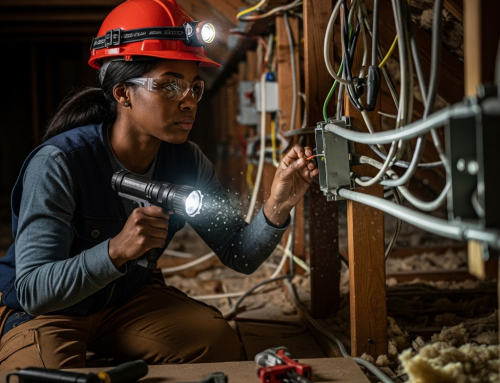
Another challenge is the physical demands of the profession. Electricians often work in cramped conditions, at heights, or outdoors in inclement weather. These demands can take a toll on one’s physical health if not properly managed.
The third challenge comes in the form of safety risks. Electricians work with electricity, which can be life-threatening if mishandled. It’s crucial to adhere to safety regulations taught in school to minimize these risks.
Solutions
Despite these challenges, several solutions can make your journey smoother. To tackle the rigorous academic demands, consider using online resources to supplement your learning. Websites like Khan Academy offer free lessons on concepts like circuits and electricity. Additionally, forming study groups with your classmates can help in understanding difficult concepts.
To handle the physical demands, invest time in physical fitness. Regular exercise will not only improve your stamina but also increase your strength and flexibility, all of which are crucial for electricians.
To minimize safety risks, always adhere to the safety protocols taught in school. This includes wearing the right protective gear and following correct procedures when working with electrical systems.
Expert Tips
1. Understand the difference between an electrician and a master electrician: An electrician is a tradesperson who installs and maintains electrical systems. A master electrician, on the other hand, has more experience and additional certification. They can design electrical systems, supervise apprentices, and pull permits for electrical projects.
2. Embrace technology: The electrical industry is continually evolving with new technologies and tools. Staying up-to-date with these changes will make you more marketable.
3. Network: Building professional relationships is crucial in this industry. Attend industry events, join professional associations, and use social media to network with others in the field.
Misconceptions and Best Practices
A common misconception about electrician school is that it’s a less valuable alternative to a four-year college degree. However, this couldn’t be further from the truth. Electricians are in high demand, and the profession offers competitive salaries.
Another misconception is that all electricians do is change light bulbs and install outlets. In reality, electricians work on a variety of tasks from installing electrical systems in new constructions to troubleshooting complex electrical problems.
The best practice for finding a reputable electrician near you is to do your research. Look for licensed and insured professionals with positive reviews online. Ask for recommendations from family and friends, and don’t be afraid to ask potential electricians for references.
In conclusion, while the journey through electrician school can be challenging, it’s also incredibly rewarding. With a proactive approach to learning, commitment to physical fitness, strict adherence to safety protocols, and an understanding of the industry’s realities, you can navigate through these challenges successfully and launch a successful career in this dynamic field.
What About Electrician School? Expectations, Timelines, and Next Steps
If you’ve ever had an interest in the electrical field, perhaps you’ve wondered, “What about electrician school?” Whether you’re looking for a career change or fresh out of high school, becoming an electrician can be a rewarding profession. To become a master electrician, you need to attend an electrician school and pass various exams and gain hands-on experience.
Before enrolling in electrician school, it’s essential to understand what to expect, the timelines involved, and the next steps towards becoming a certified electrician.
**What to Expect at Electrician School**
Electrician school is where you’ll learn the basics of electrical systems. You’ll gain knowledge about electrical theory, wiring, motor controls, circuitry, and more. It’s also where you’ll learn about the National Electrical Code (NEC), a standard for safe installation of electrical wiring and equipment in the United States.
Training in these schools typically involves both classroom instruction and hands-on training. The hands-on part is particularly crucial as it allows you to apply what you’ve learned in a practical setting. Depending on the school and program you choose, some might offer you the opportunity to specialize in specific areas like residential wiring, commercial wiring, or industrial electrical work.
**Timelines Involved**
The timeline to become an electrician varies depending on several factors including the type of program you enroll in, your pace of learning, and state regulations. However, generally speaking, you can expect to spend anywhere from 1-2 years in a technical school earning your certificate or associate degree in electrical technology.
After completing your education, you enter an apprenticeship program which lasts about 4-5 years. This apprenticeship combines on-the-job training with classroom instruction, under the supervision of a licensed master electrician.
Upon successful completion of the apprenticeship program, you’re qualified to sit for the journeyman electrician exam. Passing this exam allows you to work unsupervised on electrical systems. After gaining a few more years of experience, you can then sit for the master electrician exam.
**Next Steps**
Once you’ve decided to enroll in an electrician school, the first step is to choose a reputable school that offers a comprehensive electrical technology program. Look for schools that provide a mix of classroom and hands-on training and have a good track record of student success.
After completing your electrician program, the next step is to find an apprenticeship. This can be through a local union, non-union contractors, or through job boards. It’s crucial to ensure the apprenticeship program you choose is recognized by your state’s licensing board.
After finishing your apprenticeship and passing the journeyman exam, you’ll likely want to gain further experience and eventually become a master electrician. This generally requires about 2-4 years of experience as a licensed journeyman and passing the master electrician exam.
Becoming a master electrician opens up more job opportunities and allows you to start your own electrical contracting business if that’s your goal.
**Finding an Electrician Near Me**
If you need the services of an electrician, it’s wise to hire a licensed professional. You can locate a qualified electrician near you by searching online directories, asking for referrals from friends or family, or contacting your local union.
Remember, when hiring an electrician, ensure they have the proper licensing and insurance. Ask about their experience level and if they specialize in the type of electrical work you need.
In conclusion, becoming an electrician requires commitment and patience due to the extensive training and apprenticeship period. However, it’s a rewarding career with excellent job prospects, making it worth considering if you have an interest in this field. Whether you aspire to be a journeyman or master electrician, starting your journey with a reputable electrician school is the first step towards achieving your goal.
In conclusion, electrician school is an essential step for anyone aspiring to be an electrician. It offers a solid foundation of knowledge and skills that are fundamental to the trade. The training programs are designed to equip students with the technical know-how necessary to excel in the electrician field. By attending an electrician school, students get the opportunity to learn from seasoned professionals and gain practical experience through on-the-job training, which is crucial in honing their skills and understanding of the industry.
One of the key takeaways from this discussion on electrician school is that it provides both theoretical and practical knowledge. The theoretical aspect involves learning about electrical systems, safety practices, codes, and laws related to the trade; while the practical aspect involves hands-on experience, where students get to apply the knowledge they’ve gained in real-world situations. This balance between theory and practice ensures that graduates are not only knowledgeable about their trade but are also competent enough to handle any task that comes their way.
Furthermore, attending an electrician school opens up a wide range of career opportunities. Graduates can choose to specialize in different areas such as residential, commercial, or industrial electrical work. They can also pursue careers as Master Electricians, Project Supervisors, Electrical Inspectors, or even start their own business. The school also prepares students for licensing exams, a necessary step to becoming a certified electrician.
Another key point to note is that electrician schools offer flexible schedules, allowing students to learn at their own pace. Whether you prefer full-time, part-time, or online classes, there’s a school out there that can accommodate your needs. This flexibility makes it easy for those who are already working or have other commitments to still pursue their dream of becoming an electrician.
In addition, the demand for electricians is expected to grow in the coming years. This is due to an increasing need for electrical installations and maintenance in residential homes, commercial buildings, and industrial facilities. The rise in new technologies also necessitates the need for electricians who are knowledgeable about these advancements. Therefore, investing in electrician school is a wise decision that will pay off in the long run.
Lastly, it’s important to remember that choosing the right electrician school is crucial. You should consider factors such as the school’s reputation, the quality of its training programs, its success rate in job placements, and its tuition fees. By making an informed decision, you can ensure that you’re getting the best education possible.
Investing in your future by attending an electrician school can be a life-changing decision. The skills and knowledge gained will not only make you a competent electrician but also open up a wide array of career opportunities. Despite the challenges that may come with it, the rewards are definitely worth it.
If you have any more questions about electrician school or need assistance with anything related to becoming an electrician, feel free to contact us. Our team is always ready to provide you with the information you need to make the best decision for your career. Remember, your success as an electrician begins with the right education. Let us assist you in taking that crucial first step towards achieving your career goals.