The Intricacies of the Electrician Trade: Shining a Light on Master Electricians
In the words of Benjamin Franklin, “Without continual growth and progress, such words as improvement, achievement, and success have no meaning.” This quote rings true for every profession, including the electrician trade. Arguably, it is even more relevant in this field due to the constant advancements in technology and the strict safety regulations that electricians must adhere to. As you flick on a switch and your room illuminates, have you ever wondered about the professionals behind this seemingly simple act? This post is dedicated to the unsung heroes who ensure that our homes, offices, and industries remain powered up – electricians, specifically master electricians.
The electrician trade is not just about fixing a broken switch or installing a ceiling fan. It is a highly skilled profession requiring extensive training, practical knowledge, and an absolute understanding of electrical systems and operations. The role of an electrician is often underestimated, but it’s these professionals who safeguard our homes from electrical mishaps and our lives from potential hazards. They are the custodians of our safety when it comes to electricity.
This blog post will delve deep into the electrician trade, focusing on master electricians – the experts who have reached the pinnacle of their profession through years of experience, continuous learning, and passing rigorous exams. Whether you’re a budding electrician seeking inspiration, a homeowner looking for reliable ‘electricians near me’ or just curious about what being a master electrician entails, this comprehensive guide is for you.
We’ll start by understanding what an electrician does, highlighting the responsibilities and roles they play in our everyday lives. Then we’ll move on to discuss the journey from being an apprentice to becoming a master electrician. We’ll also explain the different types of electricians and their specialties to give you a broad view of this diverse field.
After getting a grasp of these basics, we’ll take a closer look at the life and work of a master electrician. We’ll explore the skills they possess, the challenges they face, the services they offer, and how their role differs from that of a regular electrician. Our aim is to provide an in-depth understanding of this profession and the people who dedicate their lives to it.
The journey doesn’t stop there, though. Perhaps you’re wondering, “How can I find a reliable electrician near me?” We’ve got you covered. We’ll provide tips and advice on choosing the right electrician for your needs, what to expect during an electrical service call, and how to maintain a good relationship with your electrician.
Why is this important? As homeowners or business owners, we often need the services of an electrician. Understanding their trade not only helps us appreciate their work more but also allows us to communicate effectively with them, ensuring our electrical needs are met effectively and efficiently. For aspiring electricians, this post will enlighten you about the path towards becoming a master electrician and what awaits you in this challenging yet rewarding profession.
Electricity powers our world, and electricians are the skilled professionals who channel this power to bring light and convenience into our lives. Their work is often hidden behind walls and ceilings, but the comfort and functionality they bring to our living and working spaces are highly visible. Let’s illuminate the electrician trade together and appreciate the individuals who keep our world buzzing with energy.
The electrician trade is a highly technical and specialized field that involves the installation, maintenance, and repair of electrical systems. It is a critical profession that ensures the safe and efficient use of electricity in homes, institutions, industries, and public facilities. This article presents a detailed background on the electrician trade, providing insights into the fundamentals and framework of this profession.
An electrician is a trained professional who specializes in wiring electrical systems, including lights, HVAC systems, alarm systems, and power supply systems. The scope of an electrician’s work can range from designing and installing new electrical infrastructure to maintaining and upgrading existing electrical systems. The work is often physically demanding and requires a high degree of precision and safety consciousness.
Electricians work on various types of properties, including residential, commercial, industrial, and public buildings. As such, they need to understand different types of wiring systems, circuitry, and blueprints. They also need to be familiar with national and local electrical codes to ensure the safe installation and operation of electrical systems.
The electrician trade is divided into several categories based on their specialization
1. Residential Electricians: They install, maintain, and repair electrical systems in homes and other residential buildings. Their work includes everything from installing lighting fixtures to wiring entire homes.
2. Commercial Electricians: They work on commercial properties such as offices, retail stores, and restaurants. Their tasks often involve installing and maintaining large-scale electrical systems that support commercial operations.
3. Industrial Electricians: They work in industrial settings such as factories and power plants. Their responsibilities include installing, maintaining, and repairing heavy industrial machinery and equipment.
4. Maintenance Electricians: These professionals focus on the upkeep and repair of existing electrical systems. They diagnose problems, replace faulty components, and ensure the overall efficiency of the system.
5. Electrical Inspectors: They are electricians who inspect electrical systems to ensure they meet safety standards and comply with electrical codes.
The journey to becoming an electrician starts with an extensive period of education and training. Prospective electricians usually begin by completing a high school diploma or equivalent, with courses in mathematics, physics, and vocational-technical subjects providing a good foundation for this career. After high school, aspiring electricians can either enroll in a technical school to earn a certificate or diploma in electrical technology or embark on an apprenticeship program.
Apprenticeships typically last 4-5 years and combine on-the-job training with classroom instruction. Apprentices work under the supervision of experienced electricians to gain practical skills while learning about electrical theory, blueprint reading, safety practices, code requirements, and first aid.
Upon completion of an apprenticeship, individuals can earn the status of a journeyman electrician. They can then progress to become a master electrician after gaining more experience and passing a state licensing exam. Master electricians are highly skilled professionals who can design and install electrical systems, supervise projects, and manage crews.
To succeed in the electrician trade, individuals need to have good manual dexterity, problem-solving skills, physical fitness, and a keen attention to detail. They also need to be able to work independently and as part of a team. Safety is paramount in this profession, so electricians must be well-versed in safety protocols and be willing to continually update their knowledge of technological advancements and changes in electrical codes.
In conclusion, the electrician trade plays a crucial role in modern society. It ensures our homes, workplaces, and public spaces are safe and functional while supporting the operation of various industries. Whether you’re interested in pursuing this profession or simply wish to understand more about the work of electricians, it’s clear that this trade requires a high level of skill, training, and commitment.
What You Need to Know About the Electrician Trade: A Practical Guide
The electrician trade is a specialized field that requires a blend of technical knowledge, hands-on skills, and problem-solving abilities. As an aspiring electrician, you will need to understand the various aspects of this profession, right from the basic level to the advanced master electrician level. Here’s a step-by-step guide to give you a comprehensive overview.
**Step 1: Understand the Basics of the Electrician Trade**
The electrician trade involves installing, maintaining, and repairing electrical power systems, including lighting, control systems, and equipment in homes, businesses, and factories. Electricians typically focus on either construction or maintenance work, though many do both.
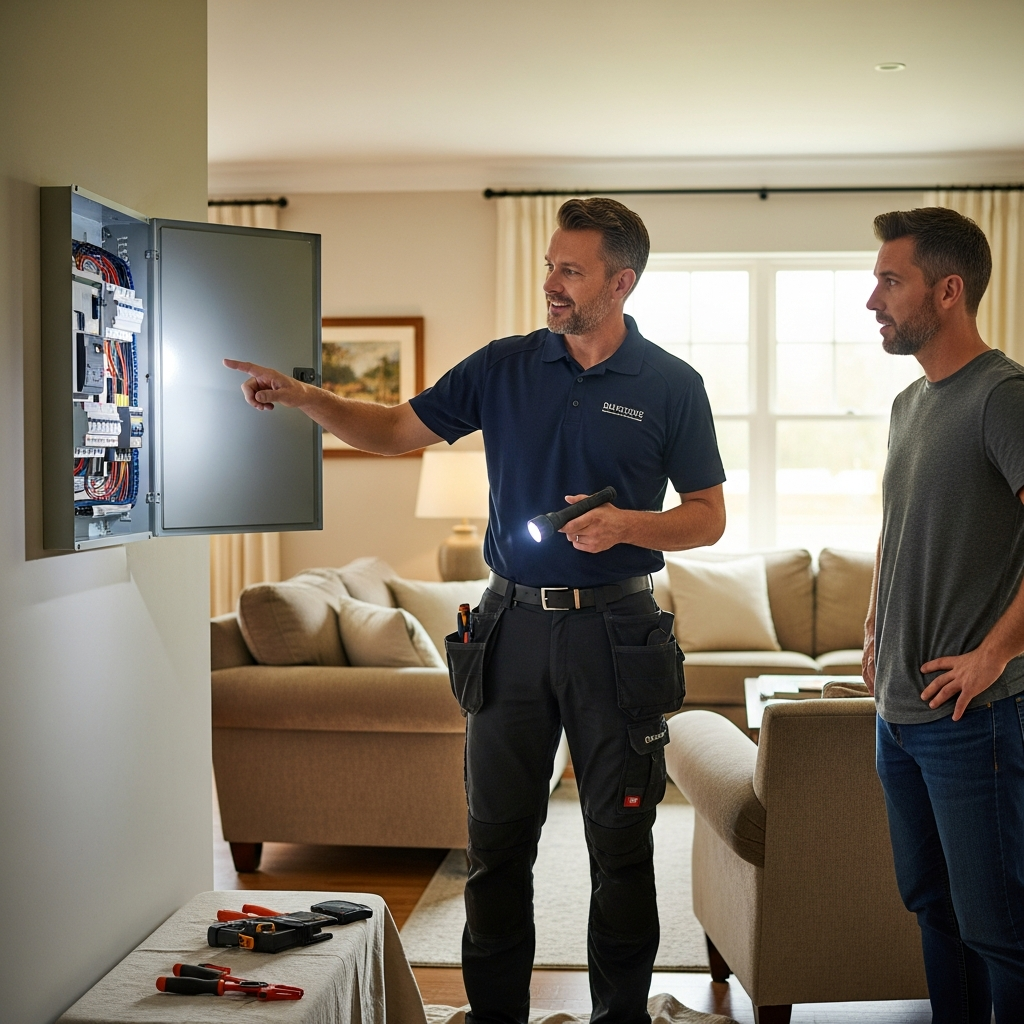
One common scenario that electricians encounter is when a homeowner calls about a power outage in part of their house. The electrician would need to identify the root cause, whether it’s a tripped circuit breaker or a more complex issue like faulty wiring. They would then use their tools and expertise to rectify the problem.
**Step 2: Gain the Necessary Education**
To become an electrician, you’ll need a high school diploma or equivalent. You’ll then need to enroll in an electrician’s training program at a vocational school or community college. These programs typically cover electrical theory, circuitry, mathematics, safety practices, and first aid.
For example, if a future electrician near you was interested in specializing in renewable energy systems, they might take courses on solar panel installation and maintenance as part of their program.
**Step 3: Complete an Apprenticeship**
Before you can work independently as an electrician, you’ll need to complete an apprenticeship. This involves working under the supervision of a licensed electrician while also taking classroom instruction.
Apprenticeships often last four to five years and cover practical skills such as reading blueprints, understanding electrical code requirements, and installing and maintaining electrical equipment. For example, an apprentice might assist a master electrician in rewiring a commercial building, learning firsthand how to manage a complex job.
**Step 4: Obtain Licensure**
In most U.S. states, electricians must be licensed. Although requirements vary by state, they generally involve passing an examination that tests your knowledge of electrical theory, the National Electrical Code, and local electrical and building codes.
In a scenario where a licensed electrician near you is hired to install a new lighting system in a restaurant, they would need to ensure that all work complies with the relevant codes. Failure to do so could result in penalties or the need to redo the work.
**Step 5: Become a Master Electrician**
A master electrician is an experienced professional who has typically worked as a licensed electrician for at least two years. They are competent in the National Electrical Code and can plan, design, install and maintain an electrical system for any project.
To become a master electrician, you’ll need to pass a state-approved examination. As a master electrician, you could handle larger projects such as overseeing the electrical system design for a new industrial facility.
**Actionable Advice**
If you’re interested in the electrician trade, start by researching accredited training programs near you and understanding your state’s licensing requirements. Consider specializing in an area such as renewable energy or industrial electrical work if it aligns with your career goals.
Remember, practical experience is crucial in this trade, so seek out opportunities for hands-on learning through apprenticeships. Once you’ve gained experience and advanced skills, consider pursuing master electrician status to expand your opportunities.
In conclusion, the electrician trade is a rewarding career path that offers diverse opportunities. With the right training, experience, and dedication, you can become a vital professional contributing to the safety and functionality of electrical systems in various settings.
Unraveling the Electrician Trade: Common Challenges, Solutions, and Expert Tips
The electrician trade is a rewarding career path that promises a stable income, offers diverse opportunities, and contributes significantly to our modern, electrified world. However, like any other profession, it comes with its share of challenges. Here, we will delve into the common challenges faced by electricians, propose viable solutions, and provide expert tips to help you navigate this dynamic field.
**Common Challenges in the Electrician Trade**
1. **Training and Certification:** To become an electrician, one must go through extensive training and pass rigorous exams. Many aspiring electricians find this process challenging and time-consuming.
2. **Safety Risks:** Electricians often work in potentially dangerous environments. They are exposed to risks such as electrical shocks, burns, falls, and cuts.
3. **Keeping Up with Technology:** As technology advances, electricians must continually update their knowledge and skills. This can be overwhelming, especially in the age of smart homes and renewable energy.
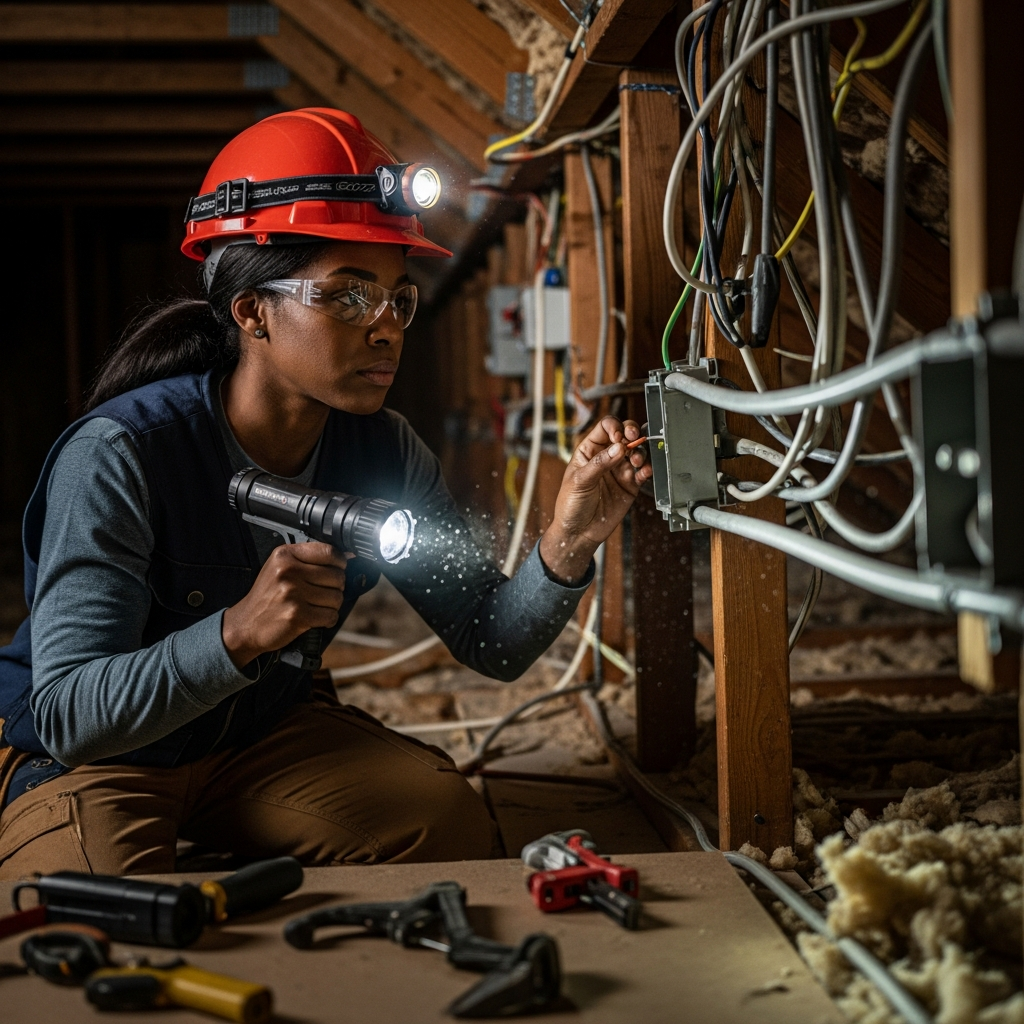
4. **Physical Demands:** The electrician’s work can be physically demanding. It often involves climbing ladders, crawling through tight spaces, and lifting heavy equipment.
**Solutions and Best Practices**
1. **Quality Training:** Quality education and hands-on training are paramount to overcoming the challenges associated with becoming an electrician. Look for reputable institutions that offer comprehensive courses and practical experience.
2. **Safety Measures:** Prioritize safety at all times. Always use protective equipment like gloves, safety glasses, and hard hats. Stay updated on the latest safety regulations and protocols.
3. **Continuing Education:** Embrace lifelong learning. Attend seminars and workshops to keep abreast of the latest technological advancements in the electrical field.
4. **Physical Fitness:** Regular exercise can help you cope with the physical demands of this profession. A routine that focuses on strength and flexibility can be particularly beneficial.
**Misconceptions about the Electrician Trade**
There are several misconceptions about the electrician trade, such as
1. **”Electricians don’t earn much.”** In reality, electricians can make a very good living. According to the U.S. Bureau of Labor Statistics, the median pay for electricians in 2019 was $56,180 per year.
2. **”The work is monotonous.”** Electricians’ work is incredibly diverse, ranging from installing wiring in new buildings to maintaining electrical systems in factories.
3. **”Electrician work is dirty and dangerous.”** With proper training and safety measures, electrician work can be safe and clean.
**Expert Tips**
1. **Become a Master Electrician:** After gaining experience as a journeyman electrician, consider becoming a master electrician. This will open up more opportunities and higher pay.
2. **Networking:** Join professional organizations and attend industry events to make valuable connections.
3. **Specialize:** Consider specializing in a particular area such as renewable energy or home automation. This can set you apart from other electricians and increase your marketability.
4. **Find an Electrician Near You:** If you’re not ready to start your own business, consider working for a local electrician. This can provide valuable hands-on experience and mentorship.
In conclusion, while the electrician trade presents certain challenges, it also offers numerous rewards. By pursuing quality training, prioritizing safety, embracing lifelong learning, maintaining physical fitness, and debunking misconceptions, you can overcome these hurdles and thrive in this dynamic field. Remember to continually hone your skills, network with other professionals, and consider specialization to gain a competitive edge in this rewarding profession.
A Comprehensive Guide to the Electrician Trade
Understanding the Electrician Trade
The electrician trade involves installing, maintaining, and repairing electrical systems in residential, commercial, and industrial settings. This profession requires a comprehensive understanding of electricity principles, building codes, safety protocols, and technical diagrams. Electricians are responsible for ensuring that electrical systems are safe and functional, which is crucial for everyday life and business operations.
To become an electrician, one must complete several steps which can take anywhere from four to six years. The timeline usually includes technical education, comprehensive on-the-job training (apprenticeship), and passing licensing exams.
Entering the Electrician Trade – Steps and Timelines
1. Technical Education: Most people begin their journey into the electrician trade by enrolling in a technical school or community college to study electrical theory, building codes, safety practices, and blueprint reading. These programs can last for about a year.
2. Apprenticeship: After completing formal education, aspiring electricians must undergo an apprenticeship program that usually lasts four to five years. During this phase, they work under the supervision of a master electrician to gain hands-on experience in installing, maintaining, and repairing electrical systems.
3. Licensure: Once the apprenticeship is completed, it’s time to get licensed. Licensing requirements vary by state but generally involve passing an exam that tests your knowledge of electrical theory, local building codes, and National Electrical Code (NEC).
Master Electrician – What Does It Mean?
A master electrician is a highly skilled professional who has successfully completed additional years of training beyond the standard electrician requirements. They have typically worked in the field as a licensed electrician for at least two years before pursuing a master electrician license.
Obtaining this level of licensure often involves passing a rigorous exam that covers advanced electrical theory, state building codes, and NEC. Master electricians are qualified to design and install electrical systems, supervise apprentices and journeyman electricians, and pull permits for electrical projects. They are also usually required to undertake continuing education to stay updated with the latest changes in codes and safety regulations.
Finding an Electrician Near You
When you need electrical work done, it’s crucial to hire a reliable, licensed electrician near you. Here are some tips for finding a qualified professional
1. Research: Look up electricians in your area and read reviews from previous customers. You can also ask for recommendations from friends, family, or neighbors.
2. Licensing and Insurance: Always verify that the electrician is licensed, insured, and bonded. This information can usually be found on their website or by asking directly.
3. Quotes and Estimates: It’s a good idea to get quotes from at least three different electricians to ensure you’re getting a fair price. Make sure the quote includes the cost of materials, labor, and any other potential charges.
4. Communication: Pay attention to how the electrician communicates with you. They should be able to explain what work needs to be done clearly and answer any questions you might have.
To sum up, becoming a skilled electrician requires significant investment in education, hands-on training, and commitment. If you are considering entering this trade, be prepared for a lengthy but rewarding learning process. If you need an electrician’s services, remember the importance of hiring a licensed professional and ensuring they have the necessary credentials to guarantee your home or business’s safety.
In conclusion, the electrician trade is a robust and essential industry that forms the backbone of our modern society. It is a field that requires not only technical know-how but also problem-solving skills, attention to detail, and the ability to work under pressure. Over the course of this article, we’ve explored the various aspects of this trade, underlining its importance and the key roles electricians play in our daily lives.
One of the critical takeaways is that becoming an electrician is not merely about going through the motions of an apprenticeship program. It involves a commitment to continuous learning, as technology and electrical codes are constantly evolving. Electricians must be able to adapt to these changes quickly and efficiently, in order to maintain the safety and functionality of electrical systems.
We also highlighted the importance of safety in this trade. Electricians are often exposed to potentially hazardous conditions and therefore, they must follow safety procedures meticulously. This includes wearing appropriate protective gear, using the right tools for specific tasks, and adhering strictly to established safety guidelines and regulations.
Moreover, we delved into the various specializations within the electrician trade. Electricians can choose to specialize in areas such as residential, commercial, or industrial electrical work. Each of these areas requires specific skills and expertise, offering electricians a variety of career paths to explore.
Lastly, we examined the growing demand for electricians. With an increasing reliance on electricity in all aspects of our lives, the need for skilled electricians is on the rise. This makes it a viable and rewarding profession for those who are technically inclined and have a keen interest in working with electrical systems.
However, becoming a successful electrician requires more than just mastering technical skills. It also involves developing excellent communication and customer service skills. Electricians often interact directly with clients, which means they must be able to explain complex electrical issues in easy-to-understand terms and provide high-quality service.
The electrician trade is indeed a dynamic and exciting field, offering numerous opportunities for those willing to invest time and effort into mastering the trade. It is a profession that not only guarantees a stable income but also provides a sense of fulfillment in knowing that your work contributes to the safety and convenience of people’s daily lives.
If you’re considering a career in the electrician trade or need assistance with any electrical issues, we’re here to help. Our team of experienced electricians is dedicated to providing top-notch service, regardless of the size or complexity of the job. We understand that every electrical task, no matter how small it may seem, is critical to the safety and functionality of your home or business.
So why wait? Contact us today for professional assistance. Whether you’re interested in joining the electrician trade or need an expert to inspect or repair your electrical systems, we’ve got you covered. Let us show you why we’re the trusted name in all things electrical. Your safety and satisfaction are our top priorities. Remember, when it comes to electricity, it’s always best to leave it to the professionals.