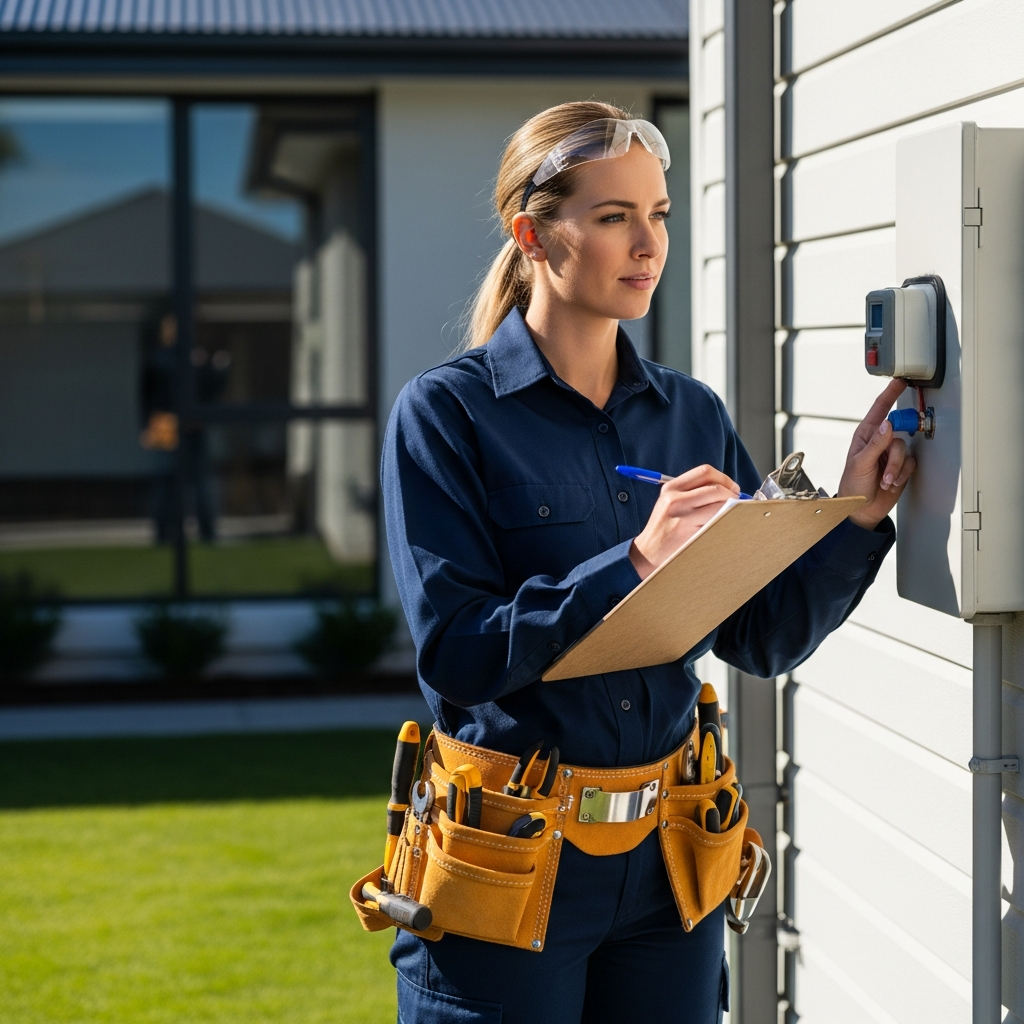
Unveiling the Pinnacle of Electrical Expertise: Who is a Master Electrician?
Introduction:
Think about the times you’ve frantically Googled “electrician near me” in the midst of a power outage or when you’ve been confronted with a complex electrical problem at home or in your workplace. Your search likely led you to a multitude of professionals, each with varied levels of expertise, from apprentices to journeyman electricians, and finally, to the crème de la crème of the electrical world – The Master Electrician. But what exactly sets this elite group apart? What is the highest level of electrician, and why does it matter to you, as a homeowner or business proprietor?
The intricate world of electrical work is layered with complexity and nuances that require not only technical acuity but also years of experience and continuous learning. At the apex of this profession, standing as a paragon of electrical prowess is the Master Electrician. These individuals are more than just exceptionally skilled; they represent the zenith in the field, boasting extensive knowledge, proven experience, and unparalleled problem-solving abilities that separate them from their peers.
In this comprehensive exploration, we will delve deep into the realm of Master Electricians. We aim to illuminate what it takes to reach this coveted status, the responsibilities that come with it, and most importantly, why their role is crucial for your safety and the smooth running of your electrical systems.
This matters to you because understanding what makes a Master Electrician distinct can empower you to make informed decisions when hiring an electrician. It equips you with the knowledge to distinguish between different levels of electricians, enabling you to choose the right professional for your unique needs. This choice can mean the difference between a quick fix that might risk recurring problems and a thorough, high-quality solution that ensures long-term safety and functionality.
In essence, recognizing a Master Electrician’s caliber can help you achieve peace of mind, knowing you’ve entrusted your electrical needs to the highest level of professional in the field. Furthermore, it allows you to appreciate the level of expertise and dedication that these top-tier professionals bring to their work, fostering a greater understanding and respect for the craft.
So, buckle up as we embark on this enlightening journey into the electrical industry’s echelons, spotlighting the Master Electrician. This exploration promises not only to enhance your understanding of the electrical profession but also to provide practical insights that can benefit you in your everyday life.
Stay tuned as we unravel the intricacies of what it takes to reach this pinnacle of electrical expertise, the critical role of a Master Electrician, and how their superior skills can ensure your safety and peace of mind. We will also shed light on how you can find a credible “Master Electrician near me”, ensuring that you have access to the highest level of electrical service within your vicinity.
In an industry where safety is paramount and expertise is non-negotiable, understanding the significance of a Master Electrician can be a game-changer. Let’s delve into this fascinating subject together, as we illuminate the importance of this high-level profession in our lives.
The electrician industry is a vital part of the construction and maintenance sector, providing essential services that enable homes, businesses, and public facilities to function smoothly. The role of an electrician is multi-faceted, demanding a deep understanding of electrical systems, building codes, safety procedures, and troubleshooting protocols. However, not all electricians are created equal – there are various levels of expertise and specializations within this trade. This article will delve into the highest level of electrician, explaining the fundamentals and framework that define this level of skill and expertise.
Before we tackle the highest level of electrician, let’s first understand the basic structure of the electrician career ladder. It typically consists of three main stages: apprentice, journeyman, and master electrician. Each stage represents a different level of experience, training, and certification.
An apprentice is an entry-level electrician who works under the supervision of a certified journeyman or master electrician. Apprenticeship programs typically last between 4 to 5 years and involve both classroom instruction and hands-on training. During this period, an apprentice learns the nuts and bolts of the profession, from reading blueprints to installing, maintaining, and repairing electrical systems.
Once an apprentice completes their training and passes the required exams, they can become a journeyman. A journeyman electrician can work independently on a variety of electrical jobs without supervision. They have comprehensive knowledge of electrical systems and are proficient in tasks such as wiring installations, electrical repairs, and system inspections.
Despite the proficiency of a journeyman, there is another level that surpasses it – the master electrician. This is the highest level of electrician. A master electrician possesses advanced knowledge of electrical systems and building codes. They can design and install complex electrical systems, supervise journeymen and apprentices, and pull electrical permits for projects.
Becoming a master electrician requires fulfilling specific criteria which usually involve a combination of additional years of experience, advanced coursework, and passing a comprehensive exam. This rigorous process ensures that master electricians possess a superior level of expertise and can handle the most complex electrical projects.
Apart from the technical skills, master electricians are also expected to have excellent leadership and business skills. They often take on managerial roles, overseeing teams of journeymen and apprentices on large-scale projects. Many master electricians operate their own businesses, requiring them to handle tasks such as project management, client relations, and business administration.
Depending on the region, there may be another level beyond the master electrician, known as the electrical contractor. This is not a higher skill level per se, but rather a progression in the electrician’s career where they become licensed to operate their own electrical contracting business. Electrical contractors must understand business operations, including legal, financial, and marketing aspects.
In summary, the highest level of electrician is the master electrician, characterized by advanced technical knowledge, extensive experience, and superior managerial skills. Achieving this level requires significant commitment, dedication, and continuous learning. It represents the pinnacle of professional achievement within the electrical industry and is a testament to an electrician’s skill, professionalism, and dedication to their craft.
Ascending the Ranks: The Highest Level of Electrician
Becoming an electrician requires a combination of education, training, and hands-on experience. This career path is marked by various levels of expertise, with the pinnacle being the master electrician. This article provides a detailed overview of what it takes to reach the highest level of this profession and provides actionable advice for those aspiring to do so.
To begin, it’s essential to understand the different levels of electrician and their corresponding responsibilities
1. Apprentice Electrician: This is the entry-level stage where individuals learn the basics of electrical work, often through a mix of classroom instruction and practical training under the supervision of a licensed electrician.
2. Journeyman Electrician: After completing an apprenticeship, one can then apply to become a journeyman. This level involves more complex tasks, and journeymen are authorized to work independently on electrical systems.
3. Master Electrician: This is the highest level of electrician. With their vast experience and knowledge, master electricians are licensed to design electrical systems, supervise projects, and manage teams of journeymen and apprentices.
Becoming a Master Electrician
For those aiming for the highest level of electrician, the following steps provide a roadmap
Step 1: Start as an Apprentice Most electricians start their careers as apprentices. This stage usually lasts four years and includes a combination of classroom instruction and practical training. Apprentices learn about electrical theory, blueprint reading, local electrical codes, and safety practices.
Step 2: Become a Journeyman Upon completing your apprenticeship and passing the required examination, you become a journeyman. Journeymen are competent in installing, maintaining, and repairing electrical systems in homes, businesses, and other facilities.
Step 3: Gain Experience
before you can rise to master electrician status, you must gain significant experience. Most states require journeymen to work for at least two years before they can apply for the master electrician examination.
Step 4: Pass the Master Electrician Examination This comprehensive exam covers advanced electrical theory, design, installation, and safety procedures. Passing this test demonstrates your proficiency and readiness to take on the responsibilities of a master electrician.
Once you’ve passed the exam and obtained your master electrician license, you’ll be able to take on more complex tasks such as designing electrical systems and supervising projects.
Finding a Master Electrician Near Me
If you’re not an aspiring electrician but are looking for a master electrician to work on your project, there are several ways to find one near you. One common method is to search online using the keywords “master electrician near me.” This should provide a list of local options. However, it’s important not to choose based solely on proximity. Look for reviews and ratings, check their credentials, and ensure they’re licensed and insured.
You could also use the National Electrical Contractors Association (NECA) or the Independent Electrical Contractors (IEC) websites to find reputable master electricians in your area. These organizations have comprehensive databases of their members and offer search tools that can help you locate a qualified professional.
In conclusion, achieving the status of master electrician involves a long journey filled with learning and practical experience. But as the highest level of this profession, it comes with significant rewards, including higher pay, more responsibilities, and the satisfaction of being an expert in your field. For those seeking their services, remember to do your research to find a credible, experienced, and licensed master electrician.
The Pinnacle of Electrical Profession: Master Electricians
Understanding the highest level in the electrical trade requires an in-depth look into the industry’s hierarchy, common challenges, effective solutions, and expert tips. The electrician profession is often misunderstood due to its multi-tiered structure which includes apprentice, journeyman, and master electricians. Each level represents a significant milestone in an electrician’s career, with the master electrician standing at the pinnacle.
**Master Electrician: The Highest Level**
A master electrician, often considered the highest level in the electrical trade, has extensive knowledge and experience in the field. They have typically completed rigorous academic and practical training, passed comprehensive examinations, and fulfilled specific work experience requirements. Their expertise extends beyond basic residential and commercial wiring to include complex electrical systems design, installation, maintenance, and repair.
**Common Challenges**
Master electricians face challenges that are unique to their level of expertise. One common challenge is staying updated with ever-evolving electrical codes and technologies. These updates often require continuous learning and adaptation to maintain their master status and provide quality service.
Another challenge is the increased responsibility that comes with the role. Master electricians are often responsible for supervising apprentices and journeymen, designing electrical systems, and ensuring safety standards are met. This can be a demanding role that requires excellent leadership and management skills.
**Solutions and Expert Tips**
To overcome these challenges, master electricians need to stay proactive. Regularly attending professional development courses or seminars can help them keep up with changes in electrical codes and technology. Consider subscribing to industry publications or joining professional organizations such as the National Electrical Contractors Association (NECA) to stay informed about industry trends.
Effective management skills are also crucial for a master electrician. This involves not just managing teams but also managing projects and ensuring they are completed on time and within budget. Regularly reviewing project management strategies and techniques can help streamline processes and improve efficiency.
**Misconceptions**
There are several misconceptions about the electrician profession. One common misconception is that all electricians are the same. However, the skills and capabilities of an electrician vary significantly based on their level. While a journeyman electrician can independently work on most electrical systems, a master electrician has the added knowledge and experience to design and manage complex electrical projects.
Another misconception is that becoming a master electrician is simply a matter of time. While experience is a crucial factor, achieving this level also requires passing a comprehensive exam that tests advanced knowledge of electrical systems, codes, and safety practices.
**Best Practices**
When choosing an electrician for a job, it’s crucial to consider their level of expertise. A ‘master electrician near me’ search can help you find highly skilled professionals in your area. Remember, while master electricians might charge higher rates than journeymen or apprentices, their advanced skills and knowledge often translate into more efficient work and better long-term value.
Becoming a master electrician requires dedication, continuous learning, and strong leadership. Those aspiring to reach this level should make the most of their apprenticeship and journeyman years to gain as much practical experience as possible. Regularly studying the National Electrical Code (NEC) and other relevant resources can also help prepare for the master electrician exam.
In conclusion, while the path to becoming a master electrician may be challenging, the rewards in terms of career advancement, job satisfaction, and financial gain make it a worthwhile pursuit for those passionate about the electrical trade.
Understanding the Electrician Career Path: The Highest Level and What to Expect
For those interested in the world of electrical work, it’s important to understand that a career in this industry involves a systematic progression with each level involving more responsibilities, skills, and experience. The highest level of electrician one can achieve is the Master Electrician. This title is reserved for those who have not only shown exceptional skill and knowledge in their field but have also put in the years of commitment necessary to reach this status.
A master electrician is a highly skilled and experienced professional who has been in the electrical trade for several years. They are capable of carrying out complex electrical works, including installing, designing, maintaining, and repairing electrical systems in various sectors, such as residential homes, commercial buildings, and industrial settings. They are also responsible for supervising apprentices and journeyman electricians.
The journey towards becoming a master electrician typically follows several stages. First, an individual would start as an apprentice electrician, learning the basics of the trade under the supervision of a journeyman or master electrician. This stage involves practical hands-on training as well as theoretical learning. Apprenticeships typically last four to five years.
Upon completion of the apprenticeship, the individual becomes a journeyman electrician. At this level, they can work unsupervised and take on more complex tasks. The journeyman stage requires passing a licensing examination that tests knowledge of electrical theory, local electrical and building codes.
After working as a journeyman for several years (usually two to four), one can apply to become a master electrician. This requires another round of examinations that cover advanced concepts in electricity, local codes, safety regulations, and management skills.
Once you achieve master electrician status, you have reached the highest level of the profession. This not only commands respect in the industry but also opens up new opportunities for career advancement. Master electricians often move into roles as project managers or start their own electrical contracting businesses.
If you’re looking for a master electrician near you, there are several ways to go about it. One of the best methods is to use an online directory or search engine. Simply input “master electrician near me” and review the results. Look for professionals with a good reputation, positive customer reviews, and proof of certification as a master electrician.
However, finding a master electrician is only the first step. Once you’ve identified potential candidates, there are several important steps to take
1. Verify their qualifications: A master electrician should have a valid license and certification. You can usually verify this through your local licensing board.
2. Check their experience: Master electricians should have several years of experience under their belt. Ask about their past projects and areas of expertise.
3. Get a quote: Cost is a crucial factor when hiring a master electrician. Get quotes from different professionals to ensure you’re getting a fair price.
4. Check references: Good master electricians will have satisfied customers who can vouch for their skill and reliability. Ask for references and take the time to contact them.
In summary, the journey to becoming a master electrician involves many years of training and experience, but it is the highest achievement one can attain in this industry. If you’re looking to hire a master electrician, make sure to thoroughly research potential candidates to ensure they have the necessary skills and qualifications. With a master electrician, you can rest easy knowing your electrical work is in highly capable hands.
In conclusion, the electrician’s profession is a multi-tiered field where each level denotes a specific set of skills, competencies, and experience. It is a journey that begins at the apprentice level, progresses through the journeyman phase, and culminates at the master electrician level, the highest attainable rank in this skilled trade.
Master electricians stand head and shoulders above their peers due to their extensive knowledge, practical experience, and rigorous training. They are responsible for the most complex electrical tasks, including designing and installing electrical systems, supervising large-scale projects, obtaining permits, and ensuring compliance with local and national electrical codes. Master electricians are the ‘elite’ of this profession, possessing not only technical expertise but also leadership skills and business acumen.
To become a master electrician, an individual must prove their mettle through years of supervised work as an apprentice and journeyman. They must also pass a comprehensive exam that tests their understanding of electrical theory, building codes, project management, and safety regulations. This demanding process filters out those who lack the necessary skills or commitment, ensuring that only the most proficient and dedicated professionals earn the title of ‘master electrician’.
However, reaching this pinnacle is not the end of their professional development. Master electricians must continue learning throughout their careers to stay abreast of technological advancements and evolving code requirements. They must also renew their licenses periodically, which usually involves ongoing education or retesting.
The importance of hiring a master electrician cannot be overstated. Whether you are planning a major renovation, installing a new electrical system, or dealing with complex electrical issues, a master electrician’s expertise and experience will ensure that the job is done correctly, safely, and efficiently. They can provide valuable advice on energy-efficient solutions, safety enhancements, and future-proofing your electrical installations. Moreover, their familiarity with permitting procedures can save you time and prevent costly mistakes.
In contrast, hiring an unqualified individual or attempting to do it yourself could lead to safety hazards, code violations, and potential damage to your property. Electrical work is not something to take lightly; it requires a deep understanding of electrical systems and a respect for the inherent dangers. Master electricians have spent years honing these skills and learning how to mitigate risks.
In light of all this, it’s clear that the highest level of electrician – the master electrician – is not just a title, but a testament to the holder’s expertise, dedication, and professionalism. If you’re looking for superior electrical services, always opt for a master electrician. Not only will you benefit from their extensive knowledge and experience, but you’ll also have peace of mind knowing that your electrical project is in expert hands.
We understand that finding a reliable master electrician can be challenging, even daunting. But fear not, we are here to help! If you need assistance with any electrical project, don’t hesitate to reach out to us. Our team of licensed master electricians is ready to provide top-notch service tailored to your specific needs. Whether it’s a minor repair or a major installation, we are committed to delivering high-quality workmanship and exceptional customer service. Contact us today and let us light up your life safely and efficiently!