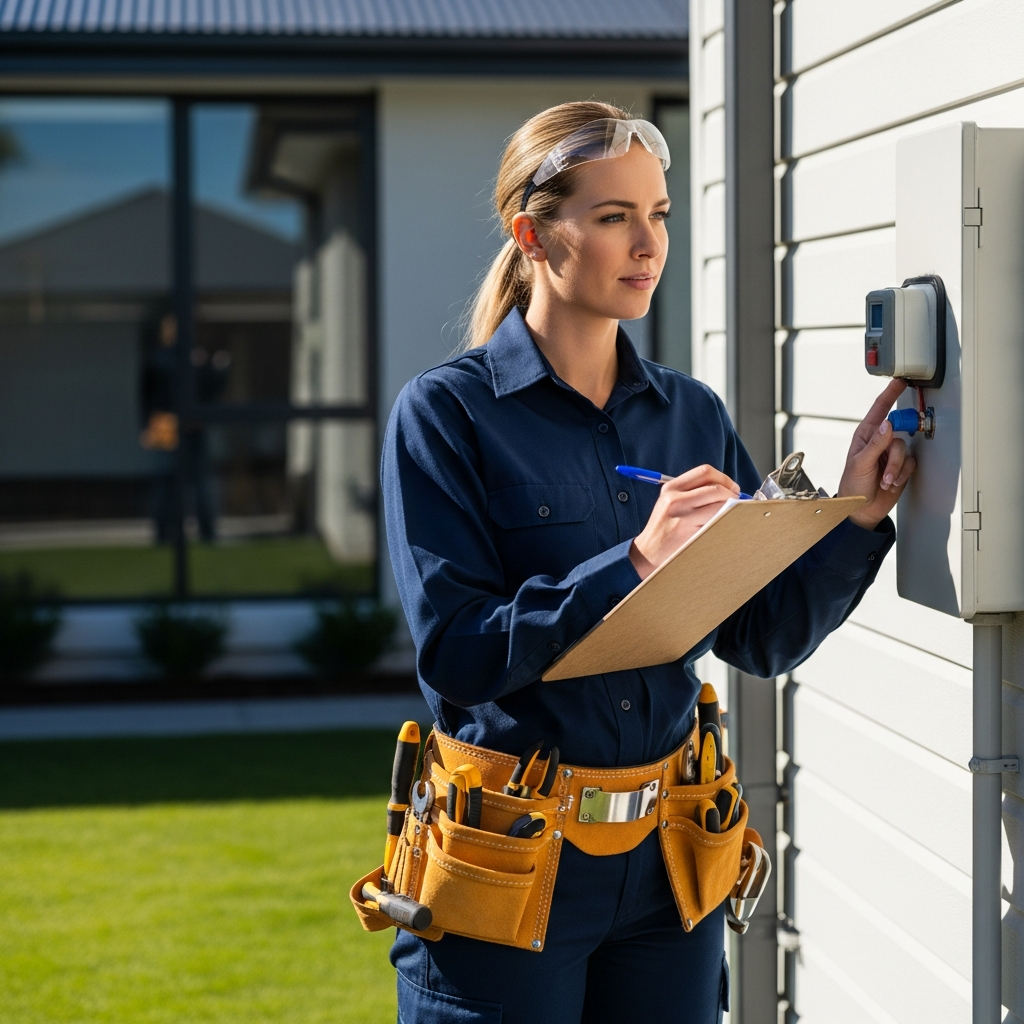
The Journey to Master Electrician Status: Understanding the Timeline in Texas
Do you find yourself captivated by the intricacies of electrical systems? Are you drawn to the challenge of troubleshooting and fixing electrical problems? If you are intrigued by the world of electric currents and circuits, considering a career as a master electrician could be a perfect fit. But perhaps you’re wondering, “how long does it take to become a master electrician in Texas?” In this blog post, we delve into the details of the journey from an aspiring student to a fully certified master electrician in the Lone Star State.
The role of a master electrician is not just about ensuring that our lights turn on at the flip of a switch. It’s about providing a safe and efficient electricity supply to our homes, businesses, and public spaces. It requires an in-depth understanding of electrical systems, safety regulations, and problem-solving skills. As you can imagine, this level of expertise doesn’t happen overnight. It takes years of study, hands-on training, and real-world experience to ascend to the rank of a master electrician.
The pursuit of becoming a master electrician involves several stages, each with its unique challenges and requirements. In Texas, this journey typically starts with vocational training or an apprenticeship, followed by becoming a journeyman, and finally achieving master electrician status. Each step has specific time durations, examinations, and hands-on experience prerequisites that need to be fulfilled.
In this comprehensive guide, we will break down these stages and provide an estimated timeline for each one. We will cover the essential aspects like education prerequisites, examination details, gaining work experience, and meeting the licensing requirements set by the Texas Department of Licensing and Regulation (TDLR). We will also touch upon the potential career opportunities available for master electricians in Texas.
Why does this matter to you? Whether you are a high school graduate pondering a career in the electrical field, a journeyman electrician aspiring to advance in your career, or simply someone interested in understanding what it takes to become a master electrician, this information is crucial. It offers you a clear roadmap of the path to becoming a master electrician in Texas and helps you plan and prepare accordingly.
Understanding the timeline and requirements can help you make informed decisions about your education and career path. It can also help you set realistic expectations about the time commitment and effort required to achieve your goal. Furthermore, this knowledge can empower you to take control of your career trajectory and ensure that you are on the right track towards becoming a master electrician.
The journey to becoming a master electrician is demanding, but the rewards are substantial. Master electricians not only command higher salaries but also enjoy more job opportunities and the respect that comes with being an expert in their field. So, are you ready to understand what it takes to become a master electrician near you in Texas? Let’s get started on this enlightening journey.
The journey to becoming a master electrician in Texas is a demanding but rewarding one. This career path requires a combination of formal education, hands-on training, and continuous learning to stay abreast of the latest advancements in electrical technology. However, the exact amount of time it takes to become a master electrician in Texas can vary depending on several factors including individual dedication, the pace of learning, and the type of training program chosen.
Before discussing the specifics of the journey to becoming a master electrician in Texas, it is important to understand exactly what the role of an electrician entails. An electrician is a skilled tradesperson who designs, installs, maintains, and repairs electrical systems in homes, businesses, and factories. They work with blueprints when installing electrical systems in new structures but also diagnose problems and repair electrical equipment in existing buildings. Electricians ensure that electrical systems are safe, efficient, and in compliance with building codes.
Now, there are different levels of electricians, each requiring a certain degree of experience and knowledge. In Texas, these are usually classified as apprentice electricians, wiremen, journeyman electricians, and master electricians. Each level represents a step forward in an electrician’s career and comes with increased responsibility and expertise.
An apprentice electrician is someone who has just started their career. They work under the supervision of a journeyman or master electrician to gain hands-on experience while learning the trade. This stage typically lasts between two to four years.
The next level is the wireman or residential wireman who can work independently on residential projects but still requires supervision when working on commercial jobs. To become a wireman, an apprenticeship of two years is required along with passing the wireman’s exam.
A journeyman electrician can work unsupervised on both residential and commercial projects. They have completed their apprenticeship and passed the journeyman’s examination. Journeyman status typically requires four to five years of work experience.
The highest level one can attain in the field is a master electrician. A master electrician is capable of supervising other electricians, pulling permits, and plan design. They can work on all types of electrical systems in all types of buildings. To become a master electrician in Texas, one needs to accumulate at least 12,000 hours of on-the-job training under the supervision of a master electrician, which equals about six years, and pass the state’s master electrician exam.
Besides practical experience, becoming a master electrician also often involves some form of formal education. Many electricians start by attending a technical school where they learn about circuitry, safety practices, and basic electrical information. Others might choose to earn an associate degree in electrical technology, which provides a deeper understanding of the field.
Furthermore, passing the state’s master electrician exam is not just about practical skills but also requires knowledge of the National Electrical Code, Texas state laws related to electrical work, and business concepts like project management and employment law. This means that in addition to working as an electrician, one also needs to spend time studying these topics.
In conclusion, the journey to becoming a master electrician in Texas is a demanding one, requiring a combination of formal education, practical experience, and continuous learning. The exact amount of time it takes can vary but typically involves six years of on-the-job training and additional time for studying and passing the state’s master electrician exam. However, the rewards for those who reach this level in their career – including higher pay, increased responsibility, and the satisfaction of mastering a skilled trade – are well worth the effort.
Journey to Becoming a Master Electrician in Texas: A Step-by-Step Guide
Becoming a master electrician is a gratifying and prestigious achievement, symbolizing the pinnacle of expertise in the electrical field. In Texas, the journey to becoming a master electrician typically spans 8 to 11 years, depending on the path you choose and the pace at which you progress. This process involves gaining practical experience, obtaining various licenses, and passing comprehensive exams. Here’s a step-by-step guide on how to become a master electrician in Texas.
Step 1: Complete High School Education The first step towards becoming a master electrician is to complete your high school education or obtain an equivalent qualification like a GED. You should focus on mathematics and science subjects, as they lay a strong foundation for electrical concepts.
Step 2: Attend Vocational Training or Apprenticeship Program Afterward, prospective electricians can attend vocational training that offers electrical courses, typically lasting for about two years. Alternatively, they may enter an apprenticeship program, which combines classroom instruction with on-the-job training under the supervision of experienced electricians.
In Texas, an electrician apprenticeship lasts for about four years, during which you need to accumulate at least 8,000 hours of on-the-job training. Examples of apprenticeships you could consider are the Independent Electrical Contractors (IEC) or the Joint Apprenticeship and Training Committee (JATC) programs.
Step 3: Become a Journeyman Electrician After completing your apprenticeship, the next step is to apply for a journeyman electrician license from the Texas Department of Licensing and Regulation. This requires passing an exam covering electrical theory, the National Electrical Code (NEC), and Texas state laws and regulations.
As a journeyman electrician, you’ll be allowed to work independently on various electrical systems. However, you’re required to work under the general supervision of a master electrician when planning electrical systems.
Step 4: Accumulate Work Experience To become a master electrician, you need to accumulate at least two years (or 4,000 hours) of work experience as a licensed journeyman electrician. During this period, you should aim to work on a wide variety of electrical tasks to broaden your practical knowledge and skills.
Step 5: Apply for Master Electrician License Once you’ve gained sufficient experience, you can apply for a master electrician license. This involves sitting for another comprehensive exam that tests your knowledge of advanced electrical concepts, safety protocols, and project management skills.
Upon passing the exam and meeting all other requirements, you’ll be granted a master electrician license by the Texas Department of Licensing and Regulation. As a master electrician, you can now plan, design, install, repair, and inspect electrical systems without supervision.
Specific Scenarios:
a) If you’re already a licensed journeyman electrician from another state moving to Texas, you can apply for a Texas journeyman license through reciprocity agreements without having to retake the exam.
b) If you’re an experienced electrician but lack formal apprenticeship training, you might consider attending a trade school or community college to fill in your theoretical knowledge gaps and prepare for the journeyman and master electrician exams.
Actionable Advice:
1) Always stay updated with the latest version of the National Electrical Code (NEC) as it is integral to your exams and everyday work.
2) Join an electricians’ association or union in Texas. These organizations provide invaluable networking opportunities, continuous education programs, and assistance with job placements.
3) Invest in further specializations or certifications such as solar or wind energy systems. These could make you more versatile and increase your marketability.
4) Don’t hesitate to ask for help or advice from experienced electricians. They can provide practical insights that are not found in textbooks.
5) To find a reputable “electrician near me,” consider using online resources, checking local directories, or asking for recommendations from friends and family.
Remember, the path to becoming a master electrician is a marathon, not a sprint. It requires patience, dedication, and continuous learning. With hard work and perseverance, you’ll be well on your way to becoming a master electrician in Texas.
Journey to Becoming a Master Electrician in Texas: Challenges, Solutions, and Expert Tips
Becoming a master electrician is a rewarding but challenging journey that requires years of commitment, learning, and hands-on experience. In Texas, the pathway to becoming a master electrician typically takes about 7-10 years. However, the duration can vary depending on your previous experience, education, and the pace at which you learn and progress.
One of the most common misconceptions about becoming a master electrician is that it’s a quick and easy process. Some people believe that after obtaining a high school diploma and finishing a short training course, they are ready to apply for the title. However, this is not true. The process involves several steps, including technical training, apprenticeship, and passing rigorous examinations.
To start the journey, you need a high school diploma or GED. After that, you should sign up for an approved electrician training program at a community college or trade school. These programs typically last two years and provide both classroom instruction and practical training.
After completing technical training, you will need to start your apprenticeship. This step can be challenging because it often involves working full-time under the supervision of a licensed electrician for 4-5 years. It’s crucial to find a good mentor who can guide you through this process and provide you with valuable hands-on experience.
Once your apprenticeship is complete, you’ll need to become a journeyman electrician by passing the Texas journeyman electrician exam. This exam tests your knowledge of electrical codes, safety measures, and installation techniques. Many aspiring electricians find this exam challenging, so it’s recommended to invest time in thorough preparation.
After gaining experience as a journeyman electrician for at least two years, you can take the next step towards becoming a master electrician. This involves passing the Texas master electrician exam. Note that the master electrician exam is more advanced and requires a deep understanding of electrical systems.
Now, let’s address some solutions and best practices to overcome these challenges
1. **Commitment to Learning**: The electrical field is continuously evolving, with new technologies, codes, and safety measures. Hence, continuous learning and staying updated with the latest trends is important.
2. **Network Building**: Networking can play a crucial role in your journey to becoming a master electrician. Establishing connections with experienced electricians can provide you with valuable insights, advice, and potential job opportunities.
3. **Hands-on Experience**: Nothing can replace the value of hands-on experience in this field. The more you work on different projects and face various electrical problems, the more adept you will become.
4. **Preparation for Exams**: Thorough preparation for the journeyman and master electrician exams can’t be emphasized enough. Using study guides, attending prep classes, taking practice tests can significantly improve your chances of passing these exams.
5. **Choosing the Right Mentor**: A good mentor can significantly influence your learning curve. Choose someone who not only has experience but also the patience and willingness to impart knowledge.
6. **Safety First**: Throughout your journey, always prioritize safety. Understanding and adhering to safety guidelines protect you and those around you from potential hazards.
To conclude, the pathway to becoming a master electrician in Texas is a long and challenging journey. However, with the right mindset, continuous learning, hands-on experience, and adequate preparation for exams, you can overcome these challenges and achieve your goal. Remember, patience and perseverance are key in this journey.
A Comprehensive Guide to Becoming a Master Electrician in Texas
To become a master electrician in Texas, you’ll need to undergo several years of specialized training and experience. The journey is no easy feat, but the rewards of this skilled trade are worth the investment of time and dedication. Here’s a detailed look at what you can expect, the timelines involved, and the next steps on your path to becoming a master electrician.
1. Educational Requirements and Time Commitments
The first step towards becoming a master electrician involves getting a high school diploma or GED, followed by technical training at a vocational school or community college. This course usually takes two years to complete and covers basic electrical knowledge, local and national electrical codes, and safety practices.
2. Apprenticeship
Upon completion of the technical education, the next step is an apprenticeship, where you gain hands-on experience under the supervision of a licensed electrician. In Texas, an apprenticeship typically lasts for four years. As an apprentice, you will work full-time while simultaneously learning about installation, repair, maintenance of electrical systems and other practical aspects of the profession.
3. Journeyman Electrician
After completing your apprenticeship, you’ll be eligible to take the journeyman electrician exam. Passing this exam gets you licensed as a journeyman electrician in Texas. As a journeyman, you can work without supervision, but you cannot run your own business or supervise others.
4. Master Electrician
The final step to becoming a master electrician in Texas requires you to work as a journeyman for two years before taking the master electrician exam. This exam is more complex, covering advanced knowledge of electrical systems and codes.
So, if we calculate the total time from start to finish, it generally takes about 8 years to become a master electrician in Texas—two years for technical education, four years for an apprenticeship, and two years of working as a journeyman.
If you’re looking for an “electrician near me” to start your apprenticeship, you can reach out to local electrical contractors, trade unions, or use online resources like the Texas Department of Licensing and Regulation (TDLR) to find apprenticeship opportunities.
Practical Guidance:
1. Stay Current: The field of electrical work is always evolving. Keeping up-to-date with the latest electrical codes and technology can make you more competitive and proficient in your work.
2. Networking: Building relationships with other professionals in the industry can help you when it’s time to find a job or advance in your career.
3. Continuous Learning: Even after becoming a master electrician, consider continuing your education through workshops or advanced courses. This can expand your expertise and open up opportunities for specialization.
4. Licensure Renewal: In Texas, master electrician licenses must be renewed every year. You’ll also need to complete 4 hours of continuing education annually to keep your license valid.
5. Insurance: Having the right insurance is crucial for protecting yourself from potential liabilities. As a master electrician, you’ll need to have liability insurance before you can operate independently.
Pursuing a career as a master electrician in Texas is a journey that requires time, dedication, and a thirst for knowledge. With the right approach and commitment, you can navigate this path successfully to achieve a rewarding career in the electrical industry.
In conclusion, the journey to becoming a master electrician in Texas is indeed a demanding one which requires dedication, commitment, and relentless effort. However, the rewards that come with attaining this professional status make every ounce of effort worthwhile. This journey typically spans a period of approximately 7-10 years, encompassing a mix of formal education, practical training, and on-the-job experiences.
The first step entails earning a high school diploma or its equivalent, followed by enrolling for an electrician training program. For those who decide to pursue an associate degree in electrical technology, this educational phase may last up to two years. However, in the absence of a degree, aspiring electricians can also kick-start their careers through a four-year apprenticeship program. These programs provide a comprehensive blend of classroom instruction and hands-on training, equipping candidates with the foundational knowledge and practical skills required in the electrical industry.
Upon successful completion of an apprenticeship program, the next stage is becoming a journeyman electrician. To achieve this, you must pass the journeyman electrician exam after accumulating at least 8,000 hours (or 4 years) of practical experience under the supervision of a master electrician. As a journeyman electrician, you’re licensed to work unsupervised but still under the overall direction of a master electrician.
The final phase in this professional journey is attaining the master electrician status. This requires a minimum of two years of work experience as a licensed journeyman and passing the master electrician exam. As a master electrician, you’re at the peak of your career with the liberty to bid on contracts, supervise journeymen and apprentices, and initiate your own business.
It’s important to note that education and training are not limited to these stages but are continuous throughout an electrician’s career. Master electricians must constantly update their knowledge and skills to keep up with emerging trends, technologies, and regulations in the electrical industry.
Furthermore, while the outlined timeline gives a general perspective, the actual duration may vary based on individual circumstances, including the nature and length of training programs, the pace of learning, and the availability of job opportunities.
Embarking on a career in the electrical field can be both exciting and daunting. Fortunately, you don’t have to walk this path alone. We are here to guide and support you at every stage of your journey. Whether you need advice on choosing the right training program, preparing for exams, or navigating through the licensing process, our team of experts is just a call away.
Remember, becoming a master electrician is more than just acquiring a title; it’s about mastering a craft that powers the world. It’s about becoming a pivotal part of communities, contributing to safety, comfort, and development. The road to becoming a master electrician in Texas may be long and challenging, but with the right guidance, support, and determination, you can navigate it successfully.
Contact us today to start your journey to becoming a master electrician in Texas. We are committed to helping you turn your dreams into reality. Let’s light up your career together!