Understanding Master Electrician Jobs: An In-depth Guide
Are you considering a career as a master electrician? Perhaps you’re an apprentice or journeyman electrician looking to take your skills to the next level. Or maybe you’re simply curious about the electrical industry and want to know more about this crucial profession. Whatever the case may be, this comprehensive guide is designed to shed light on master electrician jobs, what they entail, and why they matter.
For many individuals, the term ‘electrician’ might conjure up images of someone fixing a household light fixture or rewiring a faulty plug. But the world of electrical work is far more complex and diverse than what meets the eye. In the hierarchy of this fascinating profession, ‘Master Electricians’ sit at the apex, commanding respect and admiration for their extensive knowledge, vast experience, and leadership capabilities.
As we delve into the intricacies of master electrician jobs, it’s essential to remember that these professionals are not just ‘electricians near me’ who can quickly fix electrical issues at home or in the office. Instead, they are highly trained specialists with years of education and hands-on experience under their belts. They oversee large-scale projects, design and implement complex electrical systems, ensure compliance with safety regulations, and even train the next generation of electricians.
In this comprehensive guide, we will explore the various aspects of master electrician jobs, starting with an overview of what a master electrician is and how one differs from other types of electricians. We will then delve into the job responsibilities that come with this esteemed title, followed by the qualifications necessary to become a master electrician. For those considering this career path, we will also provide valuable information on the earning potential and job outlook for master electricians.
But why does all of this matter? Why should you care about master electricians or consider pursuing such a career? The answer is simple: as our world becomes increasingly digitized and reliant on electric power, the demand for skilled electrical professionals continues to grow. Master electricians, with their advanced skills and leadership roles, play a pivotal part in keeping our world electrified. From ensuring that homes, businesses, and public facilities have reliable electrical systems to working on large-scale projects like power plants and industrial facilities, master electricians keep our modern life running.
So whether you’re a budding electrician aspiring to reach the pinnacle of your profession, an individual contemplating a rewarding career change, or simply an intrigued reader keen on understanding more about this vital industry, this guide is for you. By illuminating the world of master electrician jobs, we aim to provide valuable insights and help you make informed decisions about your career or simply satisfy your curiosity about this essential profession. Let’s charge ahead and start this enlightening journey!
The Fundamentals and Framework of Master Electrician Jobs
Understanding the role of a master electrician is pivotal in grasping the complexities of the electrical industry. A master electrician, as the term suggests, is an individual who has mastered the art of electrical work through years of rigorous training, education, and hands-on experience. This article aims to provide a detailed overview of master electrician jobs, outlining the fundamentals that underpin this critical profession, and the framework that supports their role in the wider electrical industry.
Electricians are categorized into three main types based on their level of expertise and experience: apprentice, journeyman, and master electrician. Each level represents a progressive competency in electrical work, with a master electrician being the pinnacle. Master electricians oversee both residential and commercial electrical systems, ensuring their safe installation, maintenance, and repair. They can also supervise teams of apprentice and journeyman electricians.
Becoming a master electrician isn’t achieved overnight; it’s a result of a deeply embedded commitment to learning and developing one’s skills over time. Typically, it starts with a high school diploma or equivalent, followed by vocational training where one learns the basics of electrical work. This is then supplemented by an apprenticeship program, which generally lasts from four to five years, providing invaluable on-the-job training alongside classroom instruction.
However, achieving journeyman status doesn’t denote the end of an electrician’s educational journey. To become a master electrician, further years of experience are required – usually two to four years working as a journeyman. Some states or regions even necessitate passing a master electrician examination that tests advanced knowledge of electrical systems, local building codes, and safety regulations.
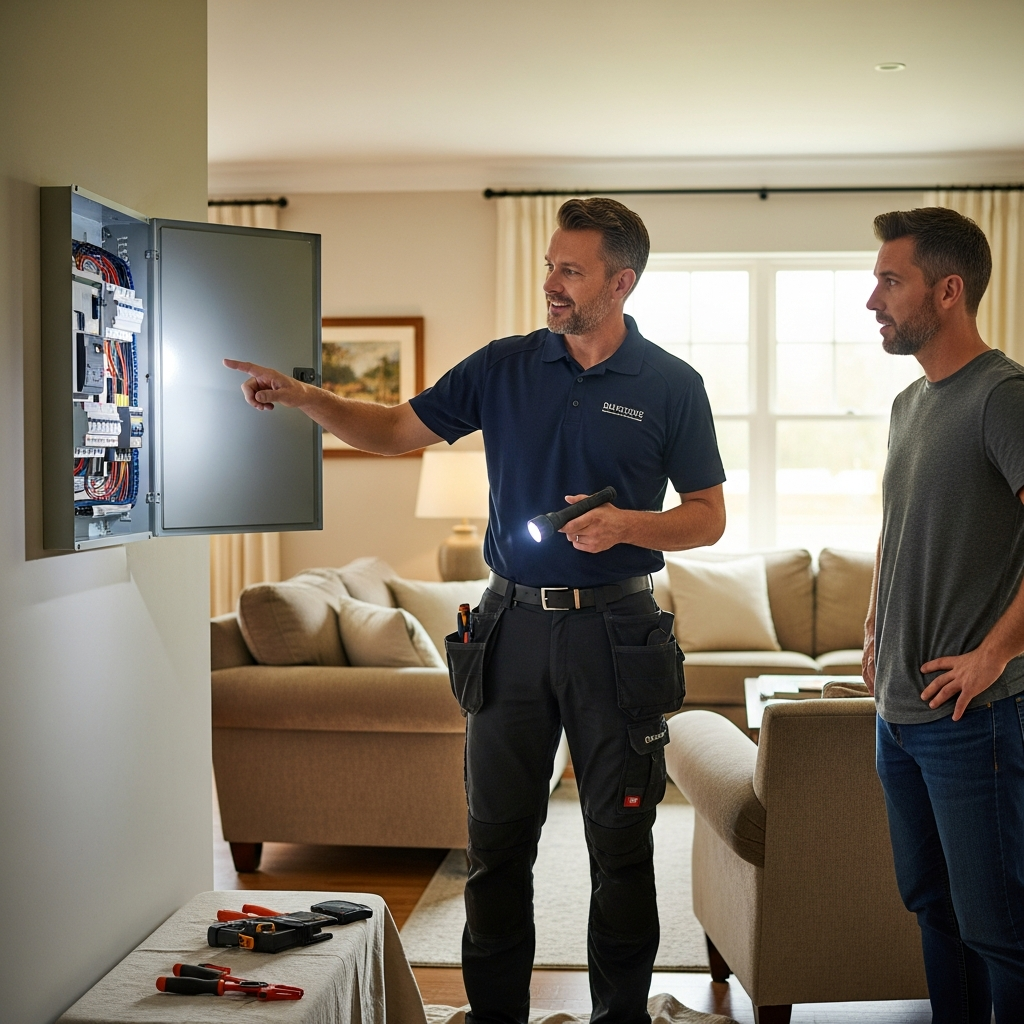
The role of a master electrician is multifaceted and may vary depending on the sector they choose to work in. In residential settings, for example, they may be responsible for installing or upgrading home wiring systems, fixing electrical appliances, or installing lighting and security systems. In commercial or industrial settings, their work could involve designing and planning complex electrical systems, ensuring compliance with electrical codes, or managing large-scale installation projects.
Master electricians also play a crucial role in education and leadership. Their experience and knowledge provide a foundation for training and supervising apprentice and journeyman electricians. They also often liaise with building contractors, architects, and homeowners to ensure that electrical work is completed correctly and safely.
Master electricians are also responsible for ensuring the safety of electrical systems. Their mastery of electrical codes and regulations allows them to inspect and certify new and existing electrical installations. This work is critical, as it ensures the safety of individuals who use these installations daily. This is a significant responsibility, as faulty electrical systems can lead to severe consequences, including fires or electrocution.
It’s also worth noting that many master electricians opt to run their businesses. This entrepreneurial aspect introduces additional responsibilities such as quoting jobs, ordering supplies, marketing services, and managing personnel.
The road to becoming a master electrician is demanding, requiring both technical knowledge and practical skills. The journey from an apprentice to master takes many years of hard work, continuous learning, and dedication. However, the benefits are substantial, with opportunities to work on diverse projects, lead teams, ensure safety, or even run a business.
In conclusion, the role of a master electrician is not only pivotal but also versatile within the electrical industry. They are the epitome of electrical proficiency, blending years of experience with advanced technical knowledge to ensure the safe and efficient operation of electrical systems in various sectors. Whether you’re an aspiring electrician, a seasoned professional looking for career progression, or an individual seeking insights into the electrical industry – understanding the fundamentals and framework of master electrician jobs is undeniably beneficial.
Master Electrician Jobs: A Comprehensive Guide
Master electricians are the elite professionals in the electrical industry. With their advanced skills and in-depth knowledge, they command respect and often hold high-paying jobs. If you’re considering a career as a master electrician or looking for one in your local area, this guide will provide you with step-by-step guidance and real-world examples to help you understand what’s involved in this profession.
1. Understanding the Role of a Master Electrician
A master electrician is the highest level of an electrician’s career. These professionals not only perform the tasks of a regular electrician – such as installing, maintaining, and repairing electrical systems – but also oversee journeymen and apprentice electricians, ensure compliance with the National Electric Code, and often own their electrical contracting businesses.
2. Becoming a Master Electrician
Becoming a master electrician requires years of experience and extensive training. Below are the steps typically involved
Step 1: Complete an electrician apprenticeship: This is usually a four-year program combining on-the-job training with classroom instruction. Apprentices learn about electrical theory, blueprint reading, safety practices, and the National Electric Code.
Step 2: Become a journeyman electrician: After completing your apprenticeship and passing the journeyman electrician exam, you’ll become a licensed journeyman. This role involves more complex tasks than an apprentice.
Step 3: Gain experience: To become a master electrician, you’ll need at least two years of experience as a journeyman. Some states may require more.
Step 4: Pass the master electrician exam: This test covers advanced electrical theory, state and local electrical codes, and management skills.
3. Searching for Master Electrician Jobs
Once you’re a licensed master electrician, you can start applying for jobs that match your skillset. You can find job postings on online job boards, at local union halls, and through networking. When applying, be sure to highlight your skills, years of experience, and mastery of local and national electrical codes.
4. What to Expect in a Master Electrician Job
As a master electrician, you can expect to perform various tasks such as
– Supervising and training journeymen and apprentice electricians – Designing and installing electrical systems in new construction projects – Inspecting and updating old wiring and equipment – Ensuring compliance with all electrical codes
The daily responsibilities can be challenging, but the rewards—both financial and in terms of job satisfaction—are significant.
5. Hiring a Master Electrician
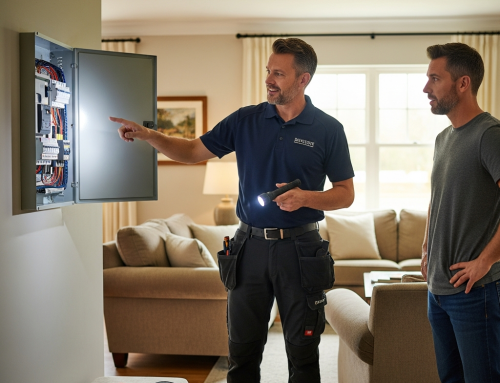
If you’re a homeowner or business owner looking for a “master electrician near me”, consider the following tips
– Check credentials: Ensure the electrician is licensed as a master electrician in your state. – Ask for references: A reputable electrician should provide references from previous clients. – Get quotes: Prices can vary, so it’s wise to get at least three quotes before making a decision.
6. Advancing Your Career
Master electricians have various opportunities for career advancement. You might choose to specialize in a specific area like industrial or residential electricity. You could also start your own electrical contracting business or transition into a role teaching future electricians.
To conclude, becoming a master electrician or hiring one involves various steps and considerations. However, with the right information and guidance, you can make informed decisions that enhance your career or project. Always remember that continuing education and staying updated on the latest developments in the electrical industry is critical for success.
Master Electrician Jobs: Challenges, Solutions, and Expert Tips
Understanding the nuances of master electrician jobs is crucial for those seeking to advance in the electrical field or hire a professional for complex projects. Master electricians are at the pinnacle of their profession, possessing extensive experience and knowledge. However, like any other profession, they too face challenges, misconceptions, and pitfalls.
Challenges
1. Licensing and Certification: One of the key challenges that aspiring master electricians face is the extensive licensing process. This involves passing a stringent exam that covers all aspects of electrical theory and building codes. The preparation for this exam is time-consuming and requires immense dedication.
2. Advanced Technological Knowledge: With the advancement of technology, the demand for smart homes and automated commercial spaces has grown exponentially. Master electricians must stay updated with these evolving technologies, which can be challenging.
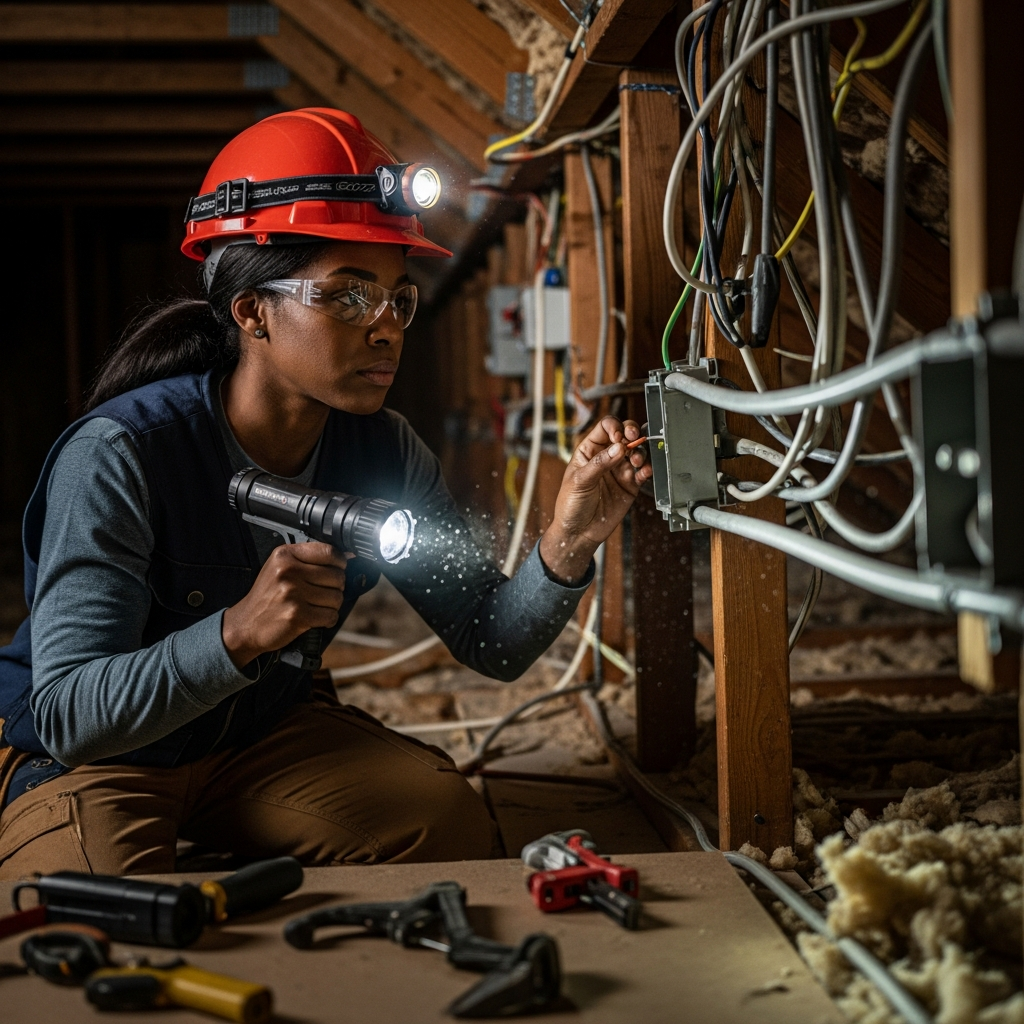
3. safety risks: Despite their experience and knowledge, master electricians are not immune to safety risks. The possibility of electrical shocks, burns, or falls from heights are occupational hazards that can occur even with the strictest safety protocols.
Solutions
1. Adequate Preparation: To overcome the challenge posed by licensing exams, aspiring master electricians should invest in exam prep courses and practice tests. These resources provide comprehensive coverage of the exam content and increase the chances of success.
2. Continuous Learning: Staying updated with technological advancements necessitates continuing education. Many professional associations offer courses on emerging electrical technologies which can be beneficial.
3. Safety Training: Regular safety training sessions can significantly reduce the risk of accidents on the job. Moreover, using high-quality safety gear and following standard safety protocols can help ensure the well-being of master electricians.
Expert Tips
1. Networking: Joining professional associations provides networking opportunities and access to resources that can aid in career growth.
2. Specialization: Master electricians may consider specializing in a specific area, such as industrial or commercial electrical systems. This can increase their value in the job market.
3. Business Skills: Those aspiring to start their own electrical contracting businesses should develop business acumen. Understanding marketing, finance, and customer service can be as pivotal to success as electrical expertise.
Misconceptions and Best Practices
A common misconception about master electricians is that they only deal with complex electrical tasks. While they are indeed capable of tackling advanced work, they also handle basic electrical installations, repairs, and maintenance tasks. They can be your ‘electrician near me’ for all types of electrical needs.
Contrary to popular belief, being a master electrician is not just about technical skills. Interpersonal skills are equally important. They need to communicate effectively with clients, understand their requirements, and explain their work in layman’s terms.
Best practices for master electricians include prioritizing customer satisfaction, adhering to ethical standards, staying current with the latest industry trends, and maintaining proficiency through continuous education.
To sum it up, the journey to becoming a master electrician can be challenging but it’s rewarding for those who are passionate about the electrical field. By understanding the challenges, adopting appropriate solutions, following expert tips, debunking misconceptions, and adhering to best practices, one can excel in this rewarding field.
Master Electrician Jobs: Expectations, Timelines, and Next Steps
Master electricians are regarded as the elite in the electrical trade, possessing a unique combination of practical skills, comprehensive knowledge, and extensive experience. If you’re interested in master electrician jobs, it’s crucial to understand what these roles entail, the typical timeline for career progression, and the necessary steps to reach this level of expertise.
Job Expectations
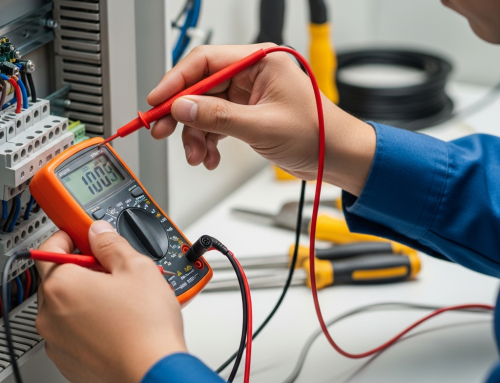
Master electricians perform a variety of complex tasks that require advanced knowledge and expertise. They are responsible for installing, maintaining, and repairing electrical systems in residential, commercial, and industrial settings. This can involve working on wiring, lighting fixtures, control systems, power distribution, and more.
Master electricians also plan and design entire electrical systems, ensuring they comply with all safety codes and regulations. They often oversee projects, coordinating teams of journeyman electricians and apprentices to complete work efficiently and safely.
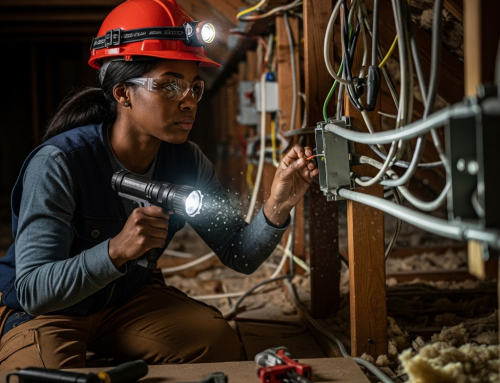
Furthermore, they are expected to troubleshoot challenging electrical issues that might stump less experienced electricians. Their experience and comprehensive knowledge enable them to diagnose problems accurately and quickly.
Career Timeline
The path to becoming a master electrician is demanding, typically taking about 7-10 years. It begins with a high school diploma or equivalent, followed by an apprenticeship lasting 4-5 years. Apprentices work under the supervision of a licensed electrician while also attending classroom instruction.
Once the apprenticeship is completed, you become a journeyman electrician after passing the requisite exam. As a journeyman, you can work independently but under the overarching guidance of a master electrician. After gaining 2-4 years of experience as a journeyman and meeting your state’s requirements, you can take the exam to become a master electrician.
Next Steps
If you’re interested in pursuing master electrician jobs near you, here are the steps you should follow
1. Education: Begin by completing your high school education, focusing on mathematics and science courses, particularly physics and algebra. Some high schools offer vocational training programs where you can start learning basic electrical work.
2. Apprenticeship: Apply for an apprenticeship program. These programs combine on-the-job training with classroom instruction, giving you the practical skills and theoretical knowledge required in the field.
3. Licensing: After completing your apprenticeship, you’ll need to pass an exam to become a licensed journeyman electrician. This license allows you to work independently and is a stepping stone towards becoming a master electrician.
4. Experience: Work as a journeyman electrician to gain practical experience. This phase allows you to handle more complex tasks and gradually prepare for the master electrician role.
5. Master Electrician Exam: Once you’ve accumulated the necessary experience, you are eligible to sit for the master electrician exam. Passing this exam demonstrates your advanced knowledge of electrical systems, safety regulations, and project management.
6. Continuous Learning: Even after becoming a master electrician, continuous learning is crucial as technology and regulations evolve. Participate in professional development courses and stay updated with industry trends.
In conclusion, the role of a master electrician is a prestigious position that requires dedication, years of experience, and continuous learning. It’s a highly rewarding career path for those with a passion for electrical work, offering vast opportunities for both personal growth and professional advancement.
In conclusion, the role of a master electrician is an advanced and highly skilled position within the electrical industry. This job requires not only extensive knowledge and experience in electrical systems installation, maintenance, and repair, but also leadership abilities, as master electricians often supervise teams of journeymen and apprentice electricians. They play a key role in ensuring that all electrical work is completed safely, effectively, and in compliance with all relevant codes and regulations.
To become a master electrician, one must go through rigorous training and education, starting with an apprenticeship, followed by licensing as a journeyman electrician, and then further experience and examination to achieve master status. This journey can take up to 10 years or more but is worthwhile for those who are passionate about the field and seek a high level of responsibility and autonomy in their work.
Master electricians are demanded across various sectors including residential, commercial, and industrial settings. They take on complex tasks such as designing electrical systems for new buildings, upgrading existing systems, troubleshooting and resolving intricate electrical issues, and even managing their own electrical contracting businesses. Their expertise is essential in ensuring that our homes, offices, and factories are powered safely and efficiently.
Moreover, a career as a master electrician offers both financial stability and job security. The demand for these professionals is projected to increase in the coming years due to the continuous growth of the construction industry and the increasing complexity of electrical systems in modern buildings.
However, it’s also important to note that this job entails considerable responsibility. Master electricians’ work directly impacts the safety of people and property. Therefore, they need to stay up-to-date with the latest safety protocols, industry standards, and technological advancements in the field of electrical systems. Continuous learning and staying informed about changes in the industry are a part of their professional life.
In summary, being a master electrician is a role that commands respect due to the level of expertise required and the responsibilities involved. It is a fulfilling career path for those who have a keen interest in electrical systems and a desire to reach the pinnacle of their profession.
If you’re considering a career as a master electrician or if you’re an electrician looking to advance to this level, we’re here to assist. We offer a comprehensive range of services, including guidance on educational requirements, training programs, and licensing processes, to help you achieve your career goals. Our team of experienced professionals is dedicated to providing you with the support and resources you need to succeed in this rewarding field.
We also provide assistance to businesses seeking to hire master electricians. With a deep understanding of the industry and a wide network of professionals, we can connect you with highly qualified and reliable master electricians who can meet your specific needs.
Don’t hesitate to contact us today. Whether you’re embarking on your journey to becoming a master electrician or seeking the right professional for your project, we’re committed to helping you navigate the electrical industry with ease and confidence. Let us help you light up your path to success in the world of electricity!