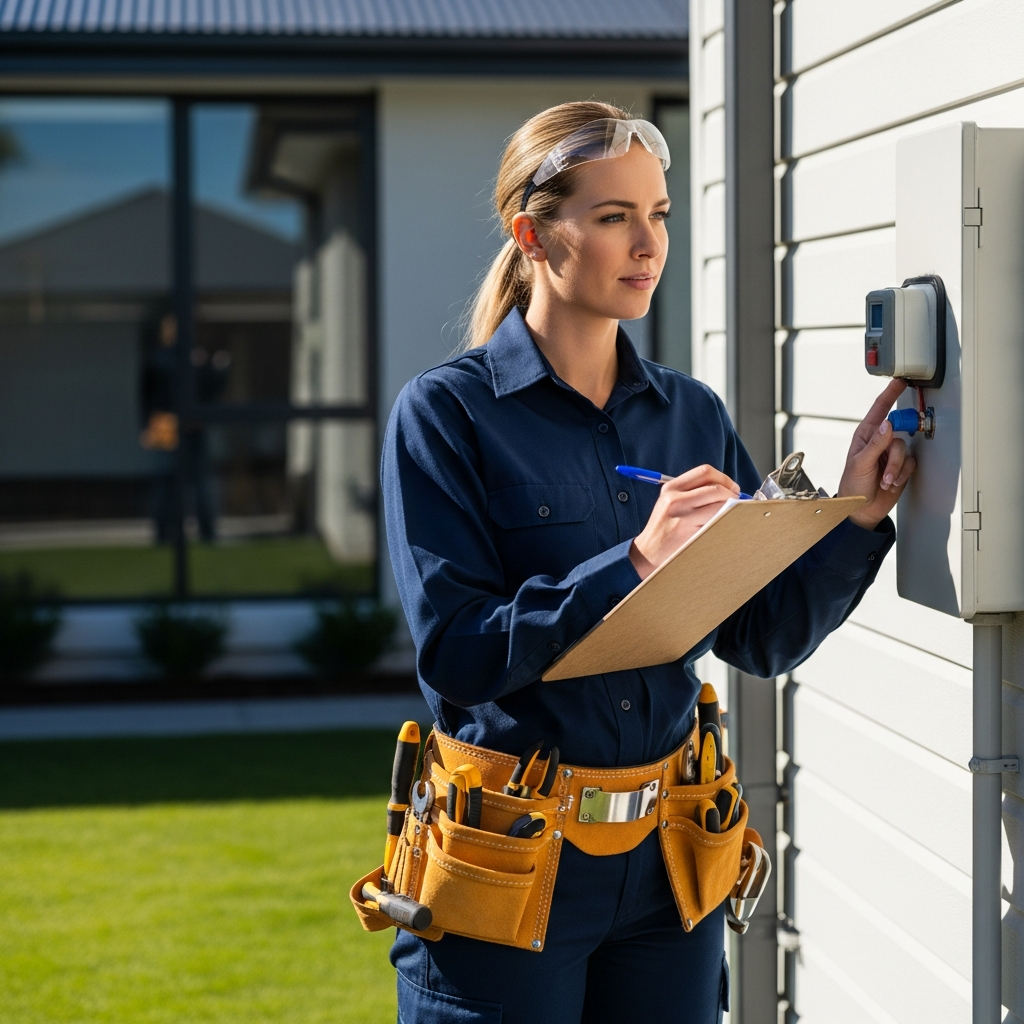
Unlocking the Power: All You Need to Know About the Master Electrician License
Do you ever wonder who ensures that the electricity that powers your home, your office, the street lights, and virtually every aspect of our modern lives is safely and efficiently installed and maintained? The answer lies with a group of skilled professionals known as electricians. But did you know there’s a level above this already vital profession – the master electrician? And have you ever considered how one becomes a master electrician, or what it takes to earn a master electrician license? If these questions spark your curiosity, you’ve plugged into the right place.
Our world is heavily dependent on electricity. It’s the lifeblood of modern society. From providing light and warmth to powering devices and appliances that make our lives easier, electricity is indispensable. Behind the scenes, ensuring its safe distribution are electricians. But beyond the general electrician, there’s another tier of expertise – the master electrician. They are not just any ‘electrician near me’ found on a quick Google search. These individuals have climbed to the peak of their profession, obtaining the highest level of licensing in their field – the master electrician license.
In this comprehensive post, we will delve deep into the world of master electricians – who they are, what they do, how one becomes a master electrician, and why the master electrician license is an all-important credential in this profession. We’ll shed light on the rigorous process of acquiring this license, the extensive knowledge and experience it signifies, and why it matters to you, whether you’re an aspiring electrician or someone seeking high-quality electrical services.
Master electricians are the top-tier professionals in their field, possessing extensive experience and knowledge that surpasses that of a typical electrician. A master electrician license is not just an additional title; it’s proof of an electrician’s advanced skills and understanding of complex electrical systems. Such a license is only granted to those who have undergone years of rigorous training, passed comprehensive exams, and proven their ability to handle the most challenging electrical tasks.
If you’re an aspiring electrician, understanding the pathway to achieving a master electrician license can provide a clear career trajectory, allowing you to set goals and work towards them. For those of you seeking electrical services, knowing what a master electrician license represents can help you make informed decisions when choosing professionals to handle your electrical needs. After all, dealing with electricity is no small matter; it demands expertise.
In this blog post, we’ll cover everything from the educational requirements and practical experience needed to qualify for a master electrician license, the examination process, and how to maintain and renew this license. We’ll also discuss the roles and responsibilities of a master electrician, and how hiring a master electrician can benefit you.
Mastering the intricacies of electricity is not just about professional growth for an electrician; it’s also about ensuring your safety and the efficiency of your electrical systems. By the end of this post, you’ll have an in-depth understanding of what it takes to become a master electrician, why their services are indispensable, and why the master electrician license is an essential credential in the field. So buckle up for an electrifying journey into the world of master electricians.
The Journey to a Master Electrician License: An Important Milestone for Every Electrician
To understand the significance of a Master Electrician License, it is essential to first grasp the fundamentals of the electrical profession. An electrician is a skilled tradesperson specializing in the electrical wiring of buildings, transmission lines, stationary machines, and related equipment. They are responsible for the installation, maintenance, and repair of electrical infrastructure, which provides power and functionality to residential, commercial, and industrial settings.
Electricians perform a wide array of tasks ranging from basic installations of lighting fixtures in homes to complex wiring systems in high-rise buildings or factories. Given the nature of their job, electricians often have to work under challenging conditions and face potential hazards such as electric shocks, falls, and burns. Hence, the profession requires a specific set of skills and a solid knowledge base to ensure safe and efficient practices.
Becoming an electrician typically involves a combination of education, apprenticeship, and licensure. Many electricians start their journey with vocational training or an associate degree in electrical technology. This foundational education equips them with theoretical knowledge about electrical principles, circuitry, safety practices, and local building codes.
After completing their educational requirements, prospective electricians enter into an apprenticeship program. Guided by experienced professionals, apprentices learn the practical aspects of the job. This includes hands-on tasks like installing, maintaining, and repairing electrical systems. Apprenticeships generally last four to five years and combine on-the-job training with classroom instruction.
Upon successful completion of an apprenticeship, individuals become journeyman electricians. As journeyman electricians, they can work independently on various electrical systems and apply for a journeyman license, which is a prerequisite for earning a Master Electrician License.
The Master Electrician License represents the pinnacle of an electrician’s career. It signifies superior knowledge, experience, and skill in the electrical trade. To obtain this license, a journeyman electrician must meet certain eligibility requirements, which typically include a specific number of years of experience in the field. The exact criteria vary by state, but most require between two to four years of work experience as a journeyman electrician.
Once the eligibility requirements are met, applicants must pass a comprehensive examination to earn their Master Electrician License. The exam covers advanced electrical theory, design and installation, building codes, safety regulations, and leadership skills. Passing this test demonstrates the electrician’s ability to perform complex tasks, supervise large-scale projects, and take on a leadership role in the industry.
Master electricians are qualified to work on all types of electrical systems, design electrical layouts for new construction projects, and manage teams of other electricians. They can also pull permits, which is a critical aspect of contracting work in the electrical industry. Moreover, they are often responsible for ensuring that electrical installations are performed according to all applicable codes and standards.
In conclusion, the Master Electrician License is a prestigious credential that elevates an electrician’s professional standing. It represents a high level of skill and expertise, opening up numerous opportunities for career advancement. Whether it’s overseeing large commercial projects or running their own businesses, master electricians hold a vital position in the electrical industry and play a significant role in powering our world.
The journey to becoming a master electrician is challenging and requires dedication and commitment. However, the rewards it provides, both in terms of financial compensation and professional growth, makes it a worthwhile pursuit for those passionate about the electrical trade.
Mastering the Trade: A Comprehensive Guide to Gaining a Master Electrician License
Becoming a master electrician is a significant milestone in an electrician’s career. However, it doesn’t come easy. It requires years of practical experience and theoretical knowledge to achieve this esteemed level of expertise. In this guide, we’ll navigate the path to becoming a master electrician, with step-by-step guidance and real-world examples.
1. Understand the Importance of a Master Electrician License
Firstly, it is crucial to understand why a master electrician license matters. A master electrician license not only validates your skills and expertise but also opens a wealth of opportunities. With this license, you can independently contract and supervise projects, hire apprentices and journeyman electricians, and even start your own electrical contracting business. Essentially, it is the key to advancing your career from a skilled electrician to an industry leader.
2. Gain the Necessary Experience as an Electrician
The journey to becoming a master electrician begins with acquiring practical experience as an electrician. Most states in the U.S require at least four years, or 8,000 hours, of practical experience as a journeyman electrician before you can apply for a master electrician license.
Let’s consider John, an electrician near you who recently attained his master electrician license. John started as an apprentice under a licensed journeyman, where he gained hands-on experience in wiring installations, fault finding, and equipment testing. After completing his apprenticeship, he passed the journeyman exam and worked for an additional four years gaining comprehensive experience.
3. Prepare for the Master Electrician Exam
Once you have sufficient experience under your belt, the next step is to prepare for the master electrician exam. This exam tests your knowledge on National Electrical Code (NEC), local electrical codes, and electrical theory. Resources like the NEC handbook, local code amendments, and online preparatory courses can be tremendously helpful in your preparation.
Take the example of Lisa, a master electrician who aced her exam on the first attempt. Lisa dedicated several months to study, focusing on code requirements for different types of installations and safety practices. She also enrolled in an online course that provided sample questions, boosting her confidence during the actual exam.
4. Apply for the Master Electrician License
After passing the exam, the next step is to apply for the master electrician license. This process varies by state, but generally involves submitting an application form, providing proof of your experience, and paying an application fee. Some states also require proof of insurance and a background check.
Consider the scenario of Mike, a master electrician who runs his own electrical contracting business. When applying for his license, Mike ensured he had all his paperwork in order, including his certificate of insurance and journeyman experience documentation. His proactive approach prevented any unwanted delays and helped him receive his license in a timely manner.
5. Continue Learning and Stay Updated
Even after receiving your master electrician license, the learning doesn’t stop. Electrical codes and technologies evolve constantly, so it’s crucial to stay updated. Regularly review new editions of the NEC and attend seminars or workshops. Some states also require continuing education units (CEUs) for license renewal.
For instance, Sarah, a master electrician with over a decade of experience, regularly attends industry workshops and online training sessions. This commitment to continuous learning has kept her skills sharp and relevant, ensuring she provides top-quality service to her clients.
In conclusion, becoming a master electrician requires dedication, experience, and continuous learning. However, the rewards are worth the effort. You will not only gain a competitive edge but also be equipped to provide high-quality electrical services and lead within the industry. Remember, every successful master electrician started as an aspirant just like you, so keep pursuing your goals with determination and resilience.
Mastering the Electrician Trade: A Comprehensive Guide to the Master Electrician License
A master electrician license is a prestigious certification that signifies the highest level of experience and skill in the electrical field. However, obtaining this license comes with its fair share of challenges, from rigorous examinations to extensive work experience requirements. With this guide, we aim to demystify the process of acquiring a master electrician license, debunk common misconceptions, and provide expert tips to help you navigate your path towards this sought-after credential.
Common Challenges
1. Rigorous Examinations: The primary challenge for many aspiring master electricians is passing a comprehensive examination. These tests vary by state but generally cover electrical codes, safety procedures, and technical knowledge. The exams are designed to be tough, and failure rates can be high.
2. Extensive Experience: Before you can apply for a master electrician license, you typically need to have several years of experience as a journeyman electrician under your belt. This requirement ensures that master electricians have a thorough understanding of the trade, but it also means that becoming a master electrician is a long-term commitment.
3. Keeping Up with Changes: Electrical codes and standards are continually evolving. Master electricians need to stay up-to-date with these changes to meet licensing requirements and perform their jobs correctly.
Solutions & Expert Tips
1. Comprehensive Preparation: To pass the licensing exam, you need to prepare thoroughly. Use study guides and practice exams to understand the format and content of the test. Taking a preparatory course can also be helpful. Don’t rush into the exam; give yourself ample time to study and understand the material.
2. Gain Experience: There’s no shortcut for experience in the electrical field. Working as an electrician provides you with the practical skills and knowledge necessary to become a master electrician. Seek out opportunities that allow you to work on a variety of projects and learn from experienced professionals.
3. Continuous Learning: Regularly review updated electrical codes and standards. Attend seminars and workshops, and consider joining professional organizations to stay informed about changes in the field.
Debunking Misconceptions
Misconception 1: “Once I have my master electrician license, I don’t need further education.” This couldn’t be further from the truth. As a master electrician, you need to stay updated on changes in electrical codes and technologies. Most states require master electricians to complete continuing education hours to renew their licenses.
Misconception 2: “All electricians do the same job.” Not true. A master electrician’s role is significantly different from that of a journeyman or apprentice. Master electricians often oversee large projects, manage teams, and interact directly with clients. They also may own their own business.
Misconception 3: “I can become a master electrician anywhere once I have my license.” Generally, this isn’t the case. Licensing requirements vary by state, and while some states have reciprocity agreements, you’ll often need to meet specific requirements or pass additional exams to get licensed in a new state.
Best Practices
1. Start Early: Begin preparing for your master electrician license as soon as possible. The sooner you start gaining experience and studying for the exam, the better your chances of success.
2. Find a Mentor: Having a mentor can provide valuable guidance and support throughout your journey. A mentor who is already a master electrician can offer insights that you might not get elsewhere.
3. Stay Organized: Keep track of your work experience, continuing education credits, and any other requirements for your license. Staying organized will make the licensing process smoother and ensure you’re meeting all necessary requirements.
4. Utilize Resources: Take advantage of resources available to you, such as study materials, preparatory courses, and professional organizations. These resources can be invaluable in preparing for the exam and staying updated on changes in the field.
Becoming a master electrician is a significant achievement that requires dedication, experience, and continuous learning. But with the right approach and resources, you can navigate the challenges and earn your master electrician license.
Mastering the Currents: A Guide to Obtaining Your Master Electrician License
When it comes to the field of electrical work, there’s no higher status than becoming a Master Electrician. This level of expertise is a testament to your in-depth knowledge, extensive experience, and unwavering commitment to your profession. But what does it really take to achieve this commendable milestone? And what can you expect in terms of timelines and next steps? Let’s explore.
A Master Electrician is a highly skilled and experienced professional who can handle a wide range of electrical projects, from simple home installations and repairs to complex commercial projects. This level of certification can open doors to better job opportunities and even allow you to start your own electrical business.
The journey begins with becoming a licensed electrician. Depending on your jurisdiction, you’ll first need to complete an apprenticeship program that typically lasts four to five years. During this time, you’ll work under the supervision of a licensed electrician, learning the trade hands-on while also taking courses in electrical theory and building codes. Upon completion, you’ll take an exam to become a Journeyman Electrician.
Becoming a Master Electrician requires additional experience and education. You’d typically need at least two years of experience as a Journeyman. This period allows you to refine your skills, deepen your knowledge, and handle more complex tasks independently. Then, you’ll need to pass the Master Electrician exam, which covers advanced topics like electrical installations, local and national electrical codes, safety protocols, and project management.
In terms of timelines, the journey from starting your apprenticeship to becoming a Master Electrician could take anywhere from 6 to 8 years. This will vary depending on your state’s regulations, the pace of your training, and how quickly you accumulate the necessary work experience.
Once you’ve obtained your Master Electrician license, it’s essential to keep it current. Most states require periodic renewals, which often involve completing a certain number of continuing education hours. This ensures you stay up-to-date with the latest technologies, best practices, and changes in electrical codes.
If you’re wondering where to find a reliable Master Electrician near you, there are a few strategies to consider. First, ask for recommendations from friends, family members, or colleagues who’ve had electrical work done recently. Additionally, you can use online directories or review websites to find highly-rated electricians in your area. When contacting prospective electricians, don’t hesitate to ask about their qualifications, experience, and whether they hold a Master Electrician license.
As you embark on your journey towards becoming a Master Electrician, remember that it’s a path that requires dedication, patience, and a love for learning. It’s not just about mastering the technical skills, but also about developing exceptional problem-solving abilities, strong communication skills, and a thorough understanding of safety regulations and business practices. The process may be long and challenging, but the rewards – both personal and professional – are truly electrifying.
In conclusion, it’s important to note that the process of becoming a Master Electrician is not a sprint but a marathon. Take your time to learn and absorb as much as you can during your apprenticeship and Journeyman years. Keep updated with the latest trends and technologies in the industry. And above all else, never stop striving for excellence in your craft, because that is what being a Master Electrician is truly all about.
In conclusion, obtaining a Master Electrician license is a significant milestone in the career of an electrician. It symbolizes not just extensive experience in the field but also demonstrates a high level of proficiency and knowledge. The path to becoming a Master Electrician is demanding, requiring years of dedication, continuous learning, and hard work. However, it is undeniably rewarding, offering increased earning potential, job security, and the opportunity to take on more complex projects or start your own electrical contracting business.
In our discussion, we have outlined the three primary steps towards gaining a Master Electrician license: completing an apprenticeship, becoming a journeyman, and finally, passing the Master Electrician examination. Each step is crucial and requires a commitment to hands-on training and theoretical education.
The apprenticeship stage forms the foundation of your career. It offers you the chance to gather real-world experience while studying under the guidance of seasoned professionals. With an average duration of four to five years, this stage allows you to learn about different aspects of electrical work.
Once you have successfully completed your apprenticeship, you become eligible to take the journeyman electrician exam. As a journeyman, you can work independently on various electrical systems. However, the ultimate goal is to acquire sufficient experience and knowledge to pass the Master Electrician examination. This license will elevate your status in the field, making you a highly sought-after professional.
Remember that each state has its own set of requirements for becoming a Master Electrician. Some states require a specific number of years working as a journeyman, while others may require continuing education credits. Therefore, it’s crucial to be aware of your state’s requirements early on in your career.
Also worth noting is that electrical work continually evolves with technology advancements and changes in regulations and safety standards. Hence, even after obtaining your Master Electrician license, continuous learning is essential. Regularly updating your skills and knowledge ensures that you can provide the best service to your clients and keep up with the ever-changing industry landscape.
Lastly, don’t underestimate the value of soft skills in this profession. As a Master Electrician, you’ll likely interact with clients regularly, manage projects, and potentially lead a team of electricians. Therefore, skills like communication, leadership, problem-solving, and customer service are just as important as your technical abilities.
We hope this comprehensive overview has given you a better understanding of the journey towards becoming a Master Electrician. It’s a challenging yet rewarding path that opens up a multitude of job opportunities and offers immense job satisfaction.
If you’re serious about taking your career to the next level and becoming a Master Electrician, we’re here to help. We can guide you through the process, provide resources for exam preparation, and answer any questions or concerns you may have. Don’t hesitate to contact us; we are more than ready to assist you in achieving your career goals. Remember, every great journey begins with a single step. Let us take that step together towards your future as a Master Electrician.