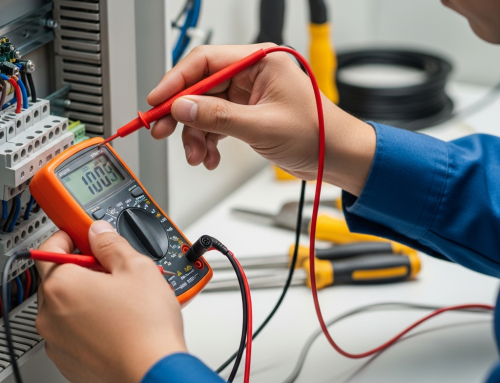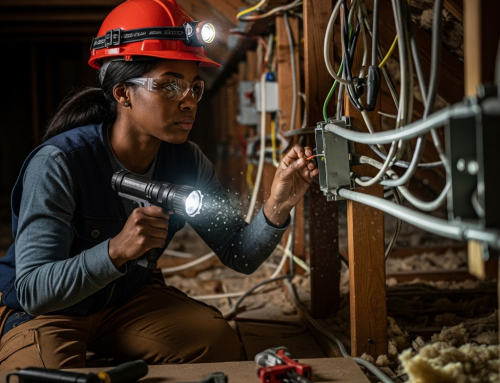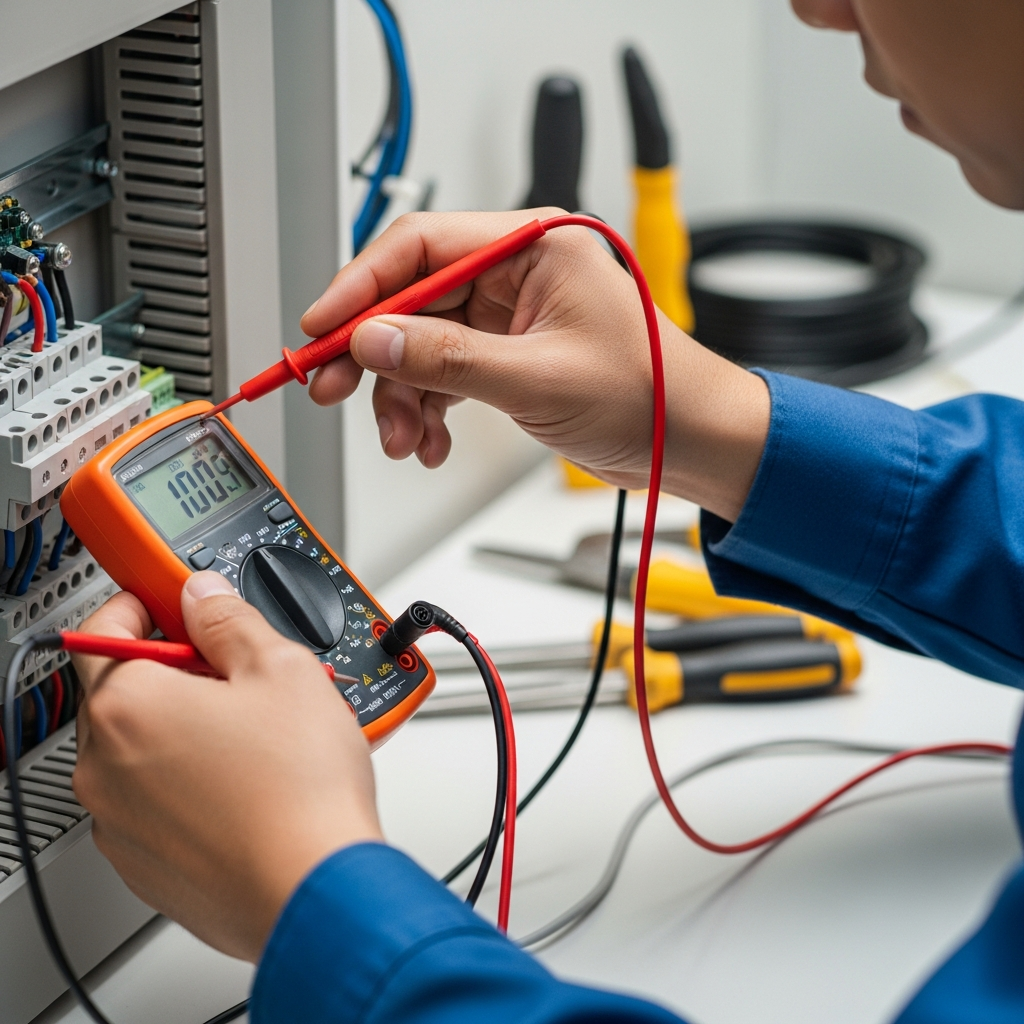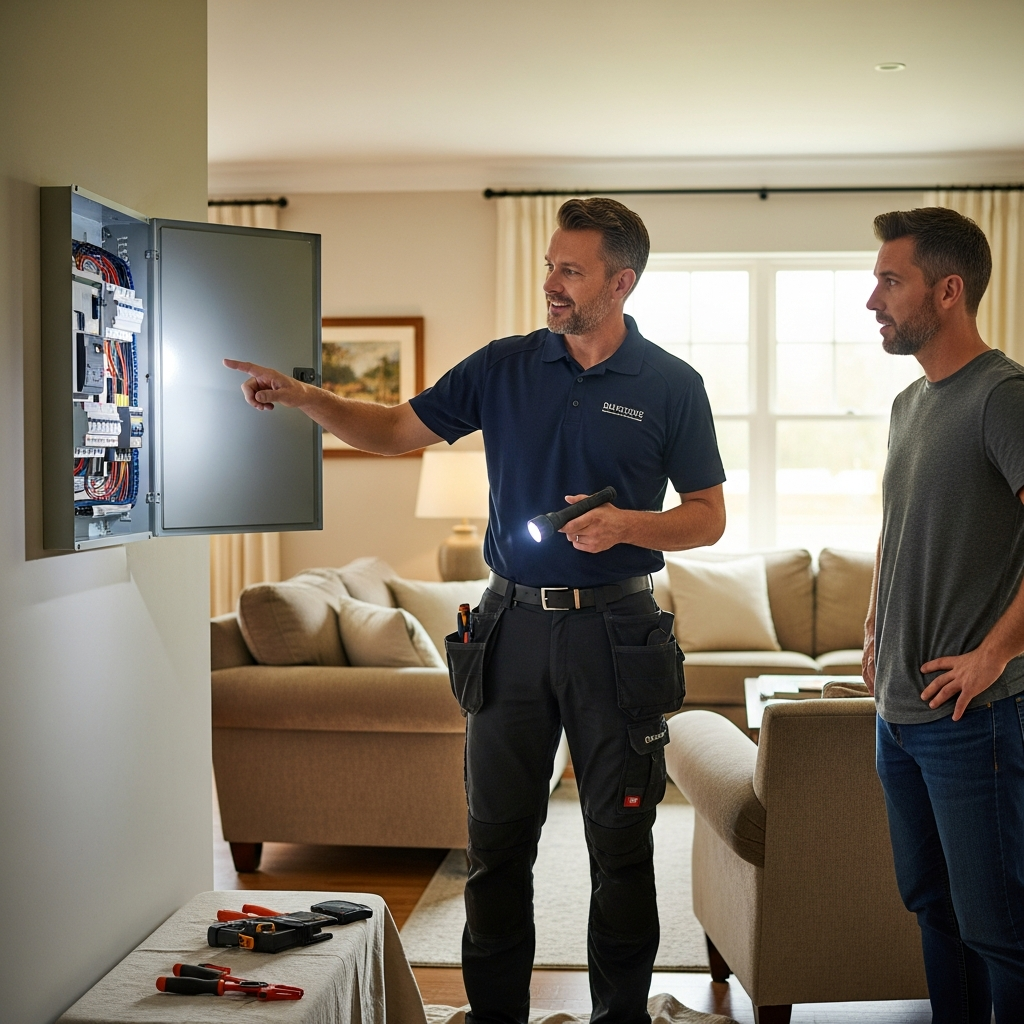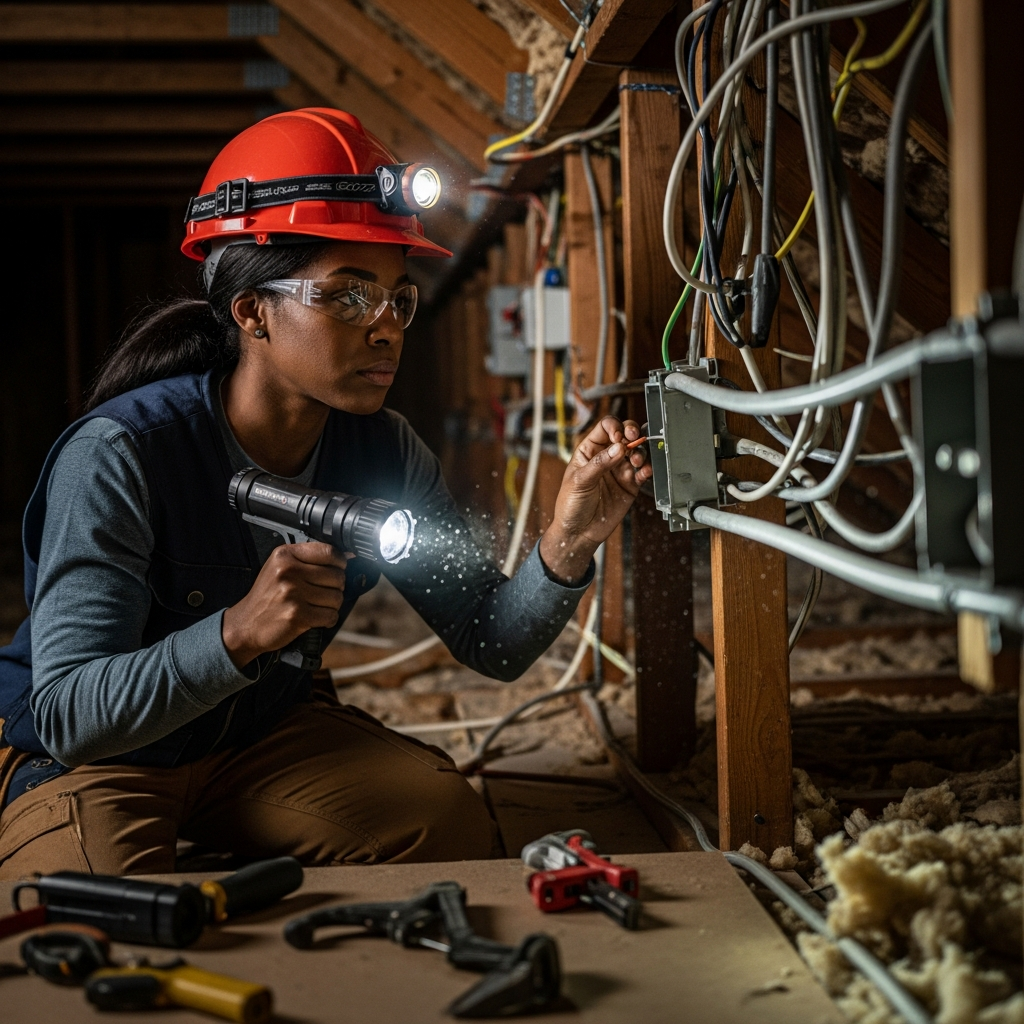
“What Do Most Electricians Charge Per Hour? An In-Depth Review of Electrical Service Costs”
Are you grappling with an electrical problem and wondering, “What do electricians charge per hour?” It’s a common question that many homeowners and business owners ask when they need electrical work done. No one wants to be caught off guard by the cost of repairs or installations, especially when it comes to something as crucial and potentially hazardous as your electrical system. That’s why understanding the average hourly rate of electricians is vital. But fear not, because we are about to unravel this often confusing topic for you.
Your home or business’ electrical system is the lifeblood that powers your devices, lights your rooms, and generally keeps your day-to-day operations running smoothly. Little surprise then that when something goes awry, you need a qualified professional – an electrician – to restore order and ensure safety. But how much should you budget for their services? That’s what we aim to help you understand in this comprehensive guide.
In this article, we’ll delve into what most electricians charge per hour. We’ll examine several factors influencing these costs, including the type of electrician you require, the complexity of the job at hand, and even geographical location. Whether you’re seeking a journeyman electrician, a master electrician, or simply querying “electrician near me” in your online search engine, we’ve got you covered.
First, we will differentiate between the various types of electricians available to you. From apprentice electricians who are just starting their journey in the field to highly experienced master electricians, each comes with different skill sets and consequently different costs. Understanding these differences will help you select the right professional for your specific needs.
Next, we’ll dissect the various factors that affect an electrician’s hourly rate. Not every electrical job is created equal – some jobs require more time, expertise, or specialized tools. We’ll help you understand how tasks like installing a new circuit breaker differ in cost from routine maintenance tasks such as wiring inspections.
Location also plays a significant role in determining how much an electrician charges per hour. Depending on whether you live in a big city or a small town, the average hourly rate can vary considerably. We’ll provide insights into regional cost differences, so you can understand what to expect in your specific area.
Why should you care about all this? Well, knowledge is power. Understanding the average hourly rates of electricians allows you to budget effectively for your electrical projects. It helps you know when you’re getting a fair quote and when to seek a second opinion. Plus, it prepares you for any unexpected costs, saving you from nasty surprises along the way.
In the end, our aim is to equip you with the knowledge you need to make informed decisions about your electrical needs. By providing a clear picture of what most electricians charge per hour, we hope to help you navigate the often confusing world of electrical service costs confidently and efficiently. So, let’s get started on this enlightening journey!
Understanding the Hourly Rates of Electricians: Fundamentals and Framework
Electricians play an integral role in our modern world. They help to create, maintain, and repair the electrical systems that power our homes, offices, and various infrastructure. If you’re considering hiring an electrician or contemplating a career in this field, you may be curious about what most electricians charge per hour. This fundamental framework will help you understand the factors that influence electrician hourly rates and why they vary.
To begin with, it’s essential to comprehend the nature of an electrician’s job. Electricians work with all types of electrical systems, ensuring they operate efficiently and safely. Their responsibilities can range from installing new electrical systems in buildings under construction to maintaining or repairing existing systems. They are also involved in diagnosing and resolving electrical problems, which often requires extensive knowledge and experience.
The pricing structure for electricians in Fort Worth is often based on an hourly rate, but it’s important to note that this rate doesn’t just cover the time spent on a specific task. It also includes the electrician’s expertise, overhead costs, business expenses, and sometimes a markup for profit. A higher hourly rate doesn’t necessarily mean the electrician is overcharging; it could reflect their level of expertise, the complexity of the work, or the costs of running their business.
Electrician hourly rates can vary significantly depending on numerous factors. One of the most influential factors is the electrician’s experience and skill level. Electricians generally fall into three categories: apprentices, journeymen, and master electricians.
Apprentice electricians are just starting in their careers. They are typically enrolled in a formal training program where they work under the supervision of a journeyman or master electrician while learning the trade. Because they are still acquiring knowledge and skills, apprentice electricians usually have lower hourly rates than their more experienced counterparts.
Journeyman electricians have completed their apprenticeship and passed a state or national exam to demonstrate their competence. They can work independently on a variety of tasks, and their increased skill and experience are reflected in higher hourly rates.
Master electricians are at the top of the field, having gained extensive experience and passed rigorous exams. They often have specialized knowledge and can handle complex electrical projects. As such, they generally charge the highest hourly rates.
Geographic location is another significant factor in determining electrician hourly rates. This variance is often a reflection of the cost of living, demand for services, and competition in the area. For instance, electricians in large urban areas where the cost of living is high tend to charge more than those in rural areas where the cost of living is lower.
The complexity and risk associated with a job can also influence how much an electrician charges per hour. For example, tasks that involve working with high-voltage systems or in hazardous conditions may warrant higher rates due to their increased risk and complexity.
Lastly, electricians who offer specialized services or hold specific certifications may charge higher rates. For instance, an electrician certified in working with solar power systems or home automation might command a higher hourly rate due to their specialized skills and knowledge.
Understanding these factors can help you make an informed decision when hiring an electrician. It’s important to remember that while cost is a significant factor, it shouldn’t be the only one. The electrician’s experience, skills, certifications, and reputation for quality work should also be considered.
In conclusion, the hourly rate of electricians is influenced by various factors such as their experience level, location, complexity of the job, and any specializations they may have. By understanding these fundamentals, you can better appreciate the value that professional electricians bring to each job they undertake.
Understanding Electrician Hourly Rates: A Comprehensive Guide
Electricians are skilled tradespeople entrusted with the responsibility of maintaining, installing, and repairing electrical wiring systems. Their services are indispensable to our daily lives, ensuring the uninterrupted flow of electricity that powers everything from our homes to commercial establishments. But what do most electricians charge per hour? Let’s delve into this topic and provide you with some practical guidance.
1. Average Hourly Rates
Electricians’ hourly rates can range widely based on various factors such as location, level of experience, and the complexity of the job. On average, the hourly rate of a standard electrician ranges from $40 to $100. However, these rates can go up to $120 or more for experienced electricians or complex jobs in certain areas.
2. Master Electricians
Master electricians are at the top of their trade, having amassed a wealth of experience and specialized knowledge. So naturally, their hourly rates are higher than those of journeyman or apprentice electricians. Typically, a master electrician might charge between $60 and $150 per hour.
3. Factors Influencing Hourly Rates
Several factors come into play when determining an electrician’s hourly rate
– Location: An electrician’s location will significantly affect their charge rate. For instance, in urban areas where the cost of living is higher, electricians tend to charge more than their counterparts in rural areas.
– Experience: An electrician’s skill level and years of experience directly influence their hourly rate. The more experienced and skilled an electrician is, the higher their rate will be.
– Complexity of the Job: The complexity and danger level of the task at hand also determine the cost. More complex jobs that require a high skill level or carry more risk will typically cost more.
4. Considerations When Hiring an Electrician
When looking for an “electrician near me,” you should consider more than just the hourly rate
– Licensing: Always ensure the electrician you hire is licensed to operate in your area. A licensed electrician has undergone extensive training and is aware of all the safety protocols.
– Insurance: Ensure your electrician carries proper insurance. This shields you from potential liabilities in case of accidents during work.
– References and Reviews: Check online reviews and ask for references to gauge the quality of work you can expect from the electrician.
5. Real-World Examples
To better understand electricians’ hourly rates, let’s look at some real-world examples
– Suppose you live in a large city like New York or Los Angeles. A journeyman electrician might charge you $80-$100 per hour for a standard job like installing a ceiling fan or fixing a circuit breaker.
– In contrast, if you live in a small town or rural area, the same job might cost $40-$60 per hour.
– If you’re hiring a master electrician to rewire your entire house, a complex task that requires a high level of skill, the cost could be $100-$150 per hour, regardless of your location.
6. Actionable Advice
Before hiring an electrician, get quotes from at least three different professionals to compare rates. Make sure they include not only their hourly rates but also material costs and potential extra charges.
Remember, while price is essential, don’t base your decision solely on the cheapest quote. Consider the electrician’s experience, reviews, and professionalism as well. By doing so, you can ensure you hire a skilled professional who offers good value for money.
In conclusion, understanding what most electricians charge per hour requires consideration of various factors such as location, experience level, and job complexity. Armed with this knowledge, you can make an informed decision when hiring an electrician.
Understanding Electrician’s Charge Per Hour: Challenges, Solutions, and Expert Tips
The electrical system is an integral part of any building. Whether you need a minor repair or a major installation, hiring a professional electrician is often necessary. However, one common question that most people have is, “What do electricians charge per hour?” This topic can be quite complex due to various factors such as the electrician’s experience, the complexity of the job, and the geographical location.
**Common Challenges** One prevalent challenge is the misconception that all electricians charge the same rate. This notion is far from reality. Rates can greatly vary based on the electrician’s expertise level, the nature of the problem, and the region you live in. For instance, a master electrician who has more years of experience and advanced skills usually charges higher than a journeyman.
Another challenge is the perception that hourly rates are the only cost to consider. This is not true as there are other elements such as material costs, call-out charges, and emergency service fees to think about. Electricians may also charge a flat rate for certain services.
**Solutions and Best Practices** To overcome these challenges, it’s crucial to do your homework before hiring an electrician. Obtain quotes from several professionals to get an idea of the average cost. Be sure to ask for a detailed breakdown of the quote to understand what you’re paying for.
Choosing an electrician based solely on hourly rates can be misleading. Instead, consider their reputation, experience, and quality of work as well. Remember, a less experienced electrician may take longer to complete a job compared to a seasoned professional, which could end up costing you more in the long run.
Also, keep in mind that electricians who offer significantly lower rates may not always be the best choice. They could be cutting corners, using substandard materials, or they might not be properly licensed and insured. Always verify the electrician’s credentials and ask about their warranty policy.
**Expert Tips**
Here are some expert tips to help you navigate the process
1. **Understand the Breakdown of Costs**: A professional electrician should provide a detailed quote including labor, materials, and any additional fees. This transparency allows you to compare costs effectively.
2. **Consider the Complexity of the Job**: Not all electrical jobs are created equal. Installing a light fixture is different from rewiring an entire house. The latter requires more skill and time, hence it will cost more.
3. **Check for Licenses and Insurance**: Always ensure that the electrician you hire is licensed and insured. This not only guarantees their credibility but also protects you from potential liabilities in case of accidents.
4. **Reviews and Recommendations**: Check online reviews or ask for recommendations from friends or family. This can provide insight into the electrician’s work ethic, reliability, and customer service.
5. **Negotiate**: Don’t be afraid to negotiate the cost with your electrician. Most are willing to discuss pricing and may offer a payment plan if the job is extensive.
On average, electricians in the U.S charge between $50 and $100 per hour. However, this is a rough estimate and the actual cost can vary. Master electricians tend to charge between $60 and $120 per hour, while an apprentice might charge between $30 to $50 per hour.
In conclusion, understanding what electricians charge per hour involves more than just knowing the figures. It requires an appreciation of the complexity of electrical work, recognizing the value of qualified professionals, and being aware of all the factors that contribute to the costs. By following these tips, you can make an informed decision when hiring an electrician, ensuring quality work at a reasonable price.
An Insight into Electricians’ Hourly Rates: What to Expect, Timelines, and Next Steps
When it comes to electrical work, whether for an upgrade, repair, or a new installation, hiring a professional electrician is critical. It ensures safety, complies with electrical codes, and guarantees the longevity of your electrical system. But a pressing question that many homeowners and businesses have is, “What do most electricians charge per hour?”
The hourly rate for an electrician can vary widely depending on several factors, including their level of expertise, the complexity of the job, and your geographical location. The average hourly rate for an electrician in the United States ranges from $40 to $100. However, these rates can be higher or lower depending on whether you’re dealing with a licensed electrician, a master electrician, or an apprentice.
A licensed electrician has passed the necessary exams and has a deep understanding of your state’s electrical code. Their rates typically fall between the mentioned range. Master electricians, on the other hand, have years of experience and have passed a standardized test to attain this title. They often charge more than licensed electricians due to their high level of expertise and knowledge.
The hourly rate is just one aspect of the cost associated with hiring an electrician. Many electricians also charge a service fee, especially for smaller jobs. This fee covers the time and resources it takes to travel to your location and prepare for the job.
When it comes to timelines, each electrical project is unique and comes with its own set of challenges that can affect the time it takes to complete. For instance, fixing a simple wiring issue might take an hour or less, whereas installing a new electrical system in a home or business can take several days or even weeks.
Remember that when you’re looking for an ‘electrician near me’, it’s not just about finding the cheapest option. The safety and quality of the work should be your top priority. Therefore, it’s crucial to hire a reputable, licensed, and insured electrician who can perform the job safely and correctly.
So what are the next steps once you understand what electricians charge per hour? Here are some practical guidelines to follow
1. Research and Compare: Spend some time researching local electricians. Look at their reviews, ask for referrals, and compare their rates. Remember, the cheapest option isn’t always the best.
2. Evaluate Your Project: Analyze the scope of your electrical project. If it’s a simple repair, it might be cost-effective to hire an electrician with a lower hourly rate. However, for more complex projects, it might be worth paying a little extra for a master electrician’s expertise.
3. Get Estimates: Before settling on an electrician, get at least three estimates. Make sure they’re itemized and include all costs, not just hourly rates.
4. Check Licenses and Insurance: Always ensure that any electrician you hire has the necessary licenses and insurance. This protects you in case something goes wrong during the project.
5. Schedule the Job: Once you’ve found an electrician who meets your needs, schedule the job. Keep in mind that some jobs might require permits, which can add time to the project.
Finally, remember that while cost is an important factor, it shouldn’t be the only one. The safety and longevity of your electrical system are ultimately priceless, so it’s worth investing in a qualified electrician who will get the job done right. By understanding what electricians charge per hour and following these guidelines, you can ensure you’re making a wise investment in your home or business’s electrical system.
In conclusion, the hourly rate that electricians charge can vary greatly depending on several factors. These include the complexity of the work, the electrician’s level of experience, and the region where you live. However, it is clear that on average, most electricians charge between $50 to $100 per hour.
The complexity of the job at hand can significantly impact the rates charged by an electrician. For instance, simple tasks such as changing a light switch or fixing a socket may be charged at the lower end of the scale, while more complex tasks such as complete rewiring of a house or installing an electrical system in a new building will likely be charged at much higher rates.
In addition to this, an electrician’s level of experience and expertise will also influence their hourly rates. Apprentice electricians or those who are just starting out in the trade will typically charge less than journeymen or master electricians, who possess a higher level of knowledge and skills. Therefore, while you may save money by hiring an inexperienced electrician, it’s important to remember that you may also be sacrificing quality and safety.
The region where you live can also have a significant impact on an electrician’s hourly rate. Rates tend to be higher in large cities and metropolitan areas where the cost of living is higher. Conversely, rates may be lower in rural or less populated areas where the cost of living is lower.
It’s also essential to consider that while an electrician’s hourly rate may seem high, it includes much more than just their time. It often encompasses their licensing, insurance, overhead costs, and the continual training required to stay up-to-date with ever-changing electrical codes and regulations. Therefore, when you hire an electrician, you’re not only paying for their time but also for their expertise and peace of mind that the job will be done safely and correctly.
While understanding what most electricians charge per hour is a crucial part of budgeting for your electrical work, it’s equally important to remember that the cheapest option isn’t always the best. Skimping on electrical work can lead to shoddy workmanship, safety issues, and even more costs down the line if the work needs to be redone. Therefore, when choosing an electrician, it’s advisable to consider their experience, qualifications, and reputation, as well as their rates.
Don’t let the fear of high hourly rates deter you from hiring a professional electrician. Attempting to do electrical work yourself to save money can be extremely dangerous if you’re not trained and could end up costing you more in the long run if it’s not done correctly. Remember, when it comes to electrical work, safety should always be your number one priority.
At our company, we pride ourselves on providing top-quality electrical services at competitive rates. We are transparent with our pricing and happy to provide free estimates for your electrical needs. Our team of experienced and licensed electricians is committed to delivering safe and efficient solutions for all your electrical problems. Contact us today for assistance with your electrical needs and rest assured knowing you’re in capable hands.