What Does An Electrician Do? Your Ultimate Guide to the World of Electrical Work
You’re sitting comfortably, engrossed in your favorite TV show when suddenly, the screen goes black. The lights flicker and then go out, leaving you in darkness. You fumble around for a flashlight and manage to locate your circuit breaker, but you’re not sure what to do next. Sounds like a job for an electrician! But who are these unsung heroes that help keep our lives powered up? What does an electrician do? And why should you care?
In today’s world of advanced technology and sophisticated electrical systems, the work of an electrician is more vital than ever. Whether it’s maintaining the electrical grid in a city, installing wiring in a new home, or fixing a faulty circuit breaker, electricians perform tasks that are essential to our daily lives. Understanding what they do not only helps appreciate their work but also aids in identifying when you need their services.
In this guide, we’ll dive deep into the world of electricians, exploring their roles, responsibilities, and the expertise they bring to the table. We’ll differentiate between a standard electrician and a master electrician, highlight the essential services they provide, and explain how you can quickly find a reliable “electrician near me.”
By demystifying the world of electrical work, we aim to help you understand why these professionals are so crucial to our society. Whether you’re a homeowner dealing with an electrical issue, a student considering a career in the electrical field, or simply an individual keen on expanding your knowledge, this comprehensive guide will shed light on everything you need to know about electricians.
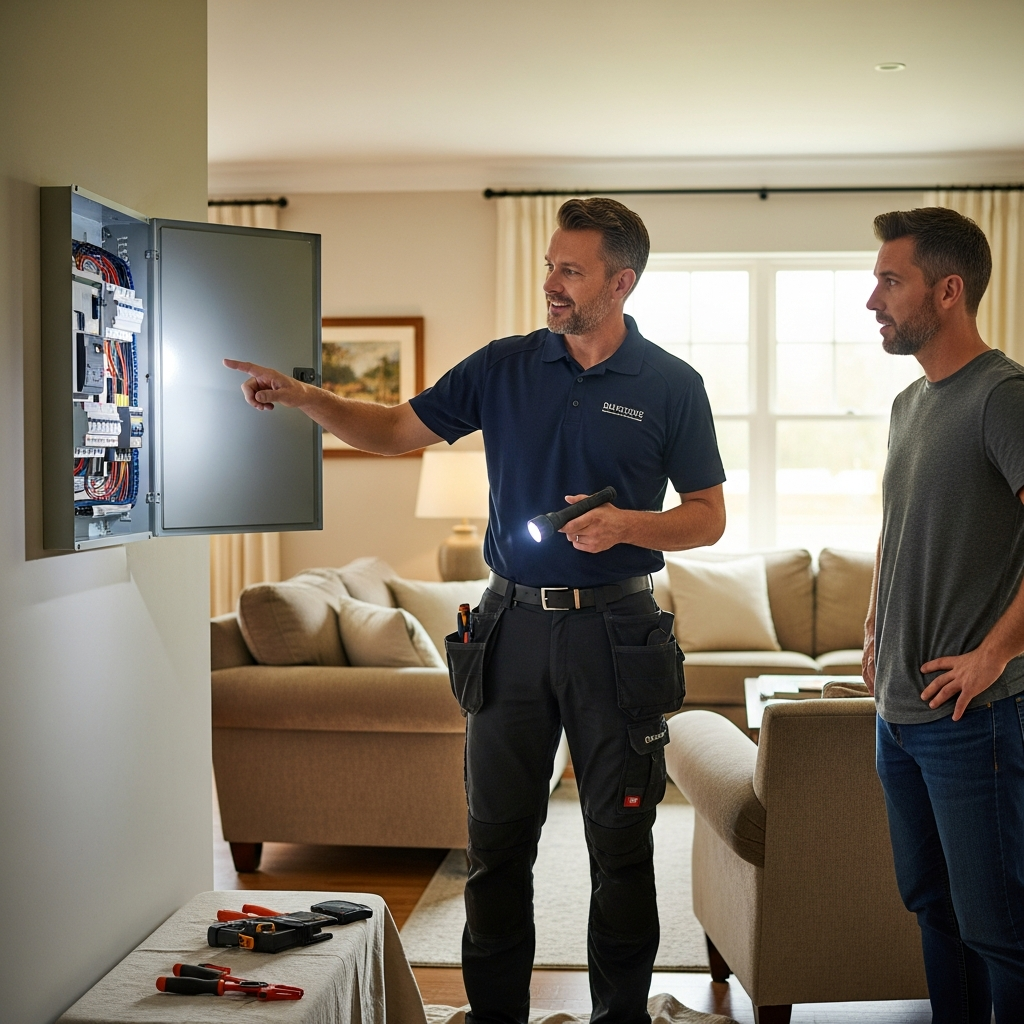
But first, let’s start with the basics – what does an electrician do? In broad terms, an electrician is a skilled tradesperson who specializes in the installation, maintenance, and repair of electrical systems. This includes everything from wiring a new house, installing lighting fixtures, setting up electrical outlets, and troubleshooting faulty wiring. They ensure that the electricity flows safely and efficiently where it’s needed, preventing potential hazards and keeping our daily routines uninterrupted.
As we delve deeper into this topic, we’ll also explore the concept of a master electrician. A master electrician is the cream of the crop, boasting more experience and a higher level of training than a standard electrician. They often supervise projects, manage teams of electricians, and are qualified to work on an extensive range of electrical systems.
Lastly, we’ll guide you on how to find a reliable “electrician near me.” We understand that when you’re dealing with an electrical issue, time is of the essence. Having a trusted local electrician who can quickly attend to your needs is invaluable. We’ll share tips on how to locate and vet electricians in your area to ensure you get the best service possible.
Why does this matter? Understanding what an electrician does helps you appreciate the complexity and importance of their work. It helps you identify when you might need their services and what to expect when they arrive. Furthermore, by knowing how to find a reliable electrician near you, you’re empowered to deal with electrical issues promptly and safely.
So, get ready to flip the switch on your knowledge about electricians as we illuminate their world, one circuit at a time. Stay tuned!
An electrician is a skilled tradesperson who specializes in the installation, maintenance, and repair of electrical systems. These professionals play a critical role in ensuring that homes, businesses, and industrial sites can safely and efficiently use electrical power. Electricians work on a variety of projects, from installing lighting fixtures to troubleshooting complex electrical problems. This profession requires a broad range of skills, including technical knowledge, problem-solving abilities, and physical dexterity.
At the most basic level, electricians are responsible for the safe and efficient distribution of electricity from the source to the places where consumers need it. This involves designing, installing, maintaining, and repairing electrical wiring systems in both residential and commercial settings. These wiring systems carry electricity from the main power grid to outlets, appliances, and other electrical equipment in buildings.
Electricians work on a variety of components within an electrical system. They install and maintain circuit breakers, transformers, switches, and other electrical equipment. They also install and service control systems, including those used for lighting and heating, ventilation and air conditioning (HVAC) systems.
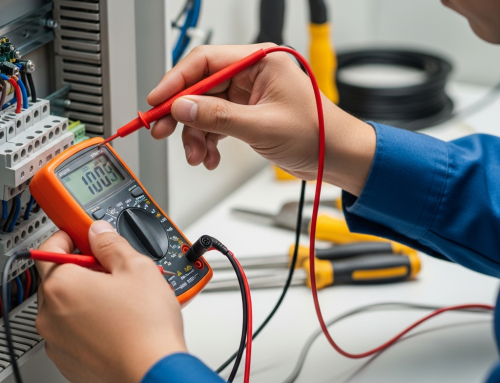
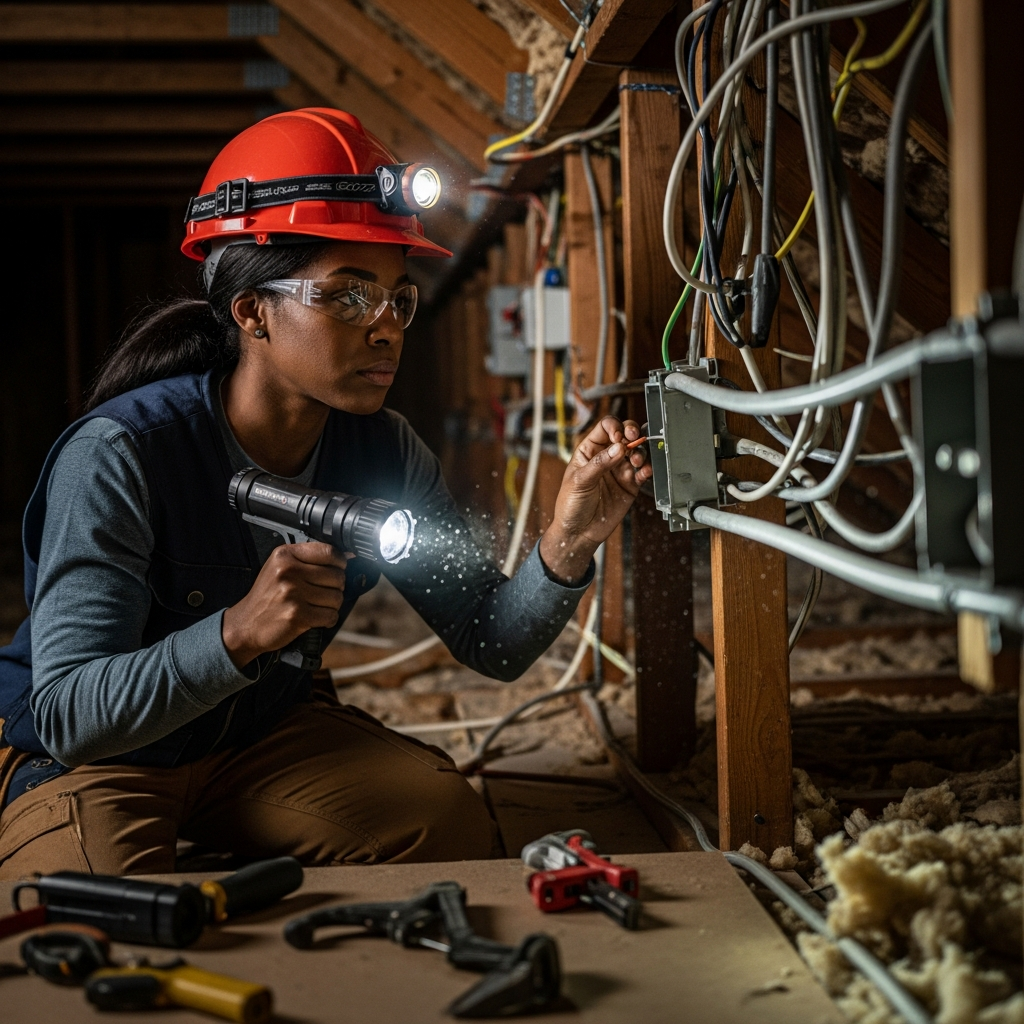
A crucial aspect of an electrician’s job is troubleshooting. When an electrical system or piece of equipment fails, electricians must identify the problem and determine the best way to fix it. This often involves testing electrical components and using specialized diagnostic equipment. Troubleshooting is a complex process that requires a high level of skill and knowledge.
Installing electrical systems in new buildings is another major part of an electrician’s work. During the construction process, electricians follow blueprints to install wiring, outlets, switches, and other electrical components. They must ensure that these installations comply with local building codes and standards. After the installation is complete, they test the system to ensure it works properly.
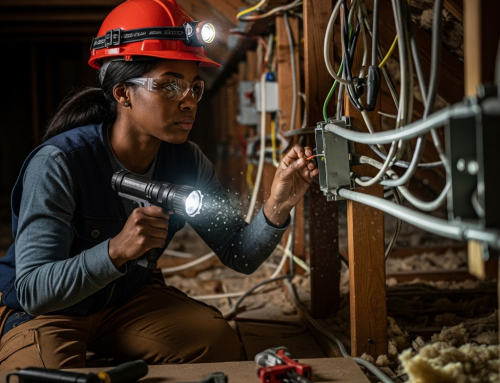
Maintenance is another critical aspect of an electrician’s work. Electrical systems require regular inspection and maintenance to ensure they are operating safely and efficiently. Electricians often perform preventative maintenance tasks, such as inspecting circuit breakers, cleaning and adjusting components, and fixing any issues before they become major problems.
Electricians also work with various types of electrical equipment, from small handheld devices to large industrial machinery. They may install, repair, or maintain motors, transformers, generators, and other types of electrical equipment.
Specialty areas within the electrician field include residential electricians, who install and maintain electrical systems in homes; commercial electricians, who work on electrical systems in businesses and other non-residential buildings; and industrial electricians, who work on complex industrial electrical systems.
Becoming an electrician often involves a combination of education and hands-on training. Many electricians begin their careers by attending a technical school or community college to learn the basics of electricity and electrical systems. After completing their education, they typically enter an apprenticeship program where they receive hands-on training under the supervision of experienced electricians.
Electricians must also be licensed to work in most states. The licensing process typically involves passing an exam that tests knowledge of electrical theory, local building codes, and safety practices. In addition to their technical skills, electricians must also have good problem-solving abilities, physical dexterity to work with small components and tools, and the ability to work safely in potentially dangerous situations.
In conclusion, electricians play a critical role in our modern world. They install, maintain, and repair the electrical systems that power our homes and businesses. Their work requires a high level of skill and knowledge, and they must constantly update their skills to keep up with new technologies and standards. Whether they are wiring a new building, repairing a malfunctioning electrical system, or maintaining critical infrastructure, electricians ensure that we can reliably use electricity in our daily lives.
What Does an Electrician Do? A Comprehensive Guide to Their Work and Importance
If you’ve ever asked yourself, “What does an electrician do?”, you’re not alone. Most people know that electricians deal with electrical systems, but their responsibilities extend far beyond that. In this article, we will delve into the work of electricians, offering comprehensive insights, specific scenarios, and actionable advice on their services.
What is an Electrician?
An electrician is a skilled professional who specializes in designing, installing, maintaining, and repairing electrical systems and products. They work on a wide variety of projects, from bringing power to homes to engineering major industrial jobs. Electricians ensure that electrical systems are safe, functional, and adhere to all relevant regulations.
Roles and Responsibilities of an Electrician
1. Installation of Electrical Systems: Electricians install electrical wiring and systems in new homes, commercial establishments, and industrial areas. This process involves reading blueprints or technical diagrams, installing wiring, conduit, and lighting fixtures, and ensuring the installed system is efficient and safe.
2. Repair and Maintenance: Electricians routinely inspect electrical systems to identify any defects or malfunctions. They test components to evaluate their functionality using various testing devices. If they find any issues, they repair or replace wiring, equipment, or fixtures using hand tools and power tools.
3. Compliance with Codes and Regulations: Electricians must always adhere to the National Electric Code while performing their duties. They need to stay updated about new laws and codes for the safety of themselves and the people who live or work in the buildings they service.
4. Training and Management: Master electricians often train apprentices, oversee teams of electricians on larger projects, plan layouts, and manage the execution of major electrical installations or maintenance.
Real-World Scenarios
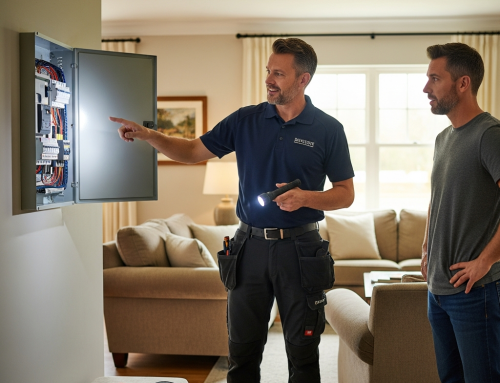
Scenario 1: You’ve just bought an old house that needs significant renovations, including its dated electrical system. An electrician can evaluate the condition of the existing wiring, provide a detailed report, and update the system following the current safety standards. They can also replace the old fuse box with a modern consumer unit, making the electrical system safer and more efficient.
Scenario 2: Your production company frequently encounters electrical issues that hinder your operations and lead to downtime. A master electrician can provide a thorough inspection of the entire electrical system, identify potential hazards, and rectify them. They can also design and implement a maintenance schedule to keep your operations running smoothly.
Scenario 3: You’re constructing a new commercial building. An electrician can advise on the most efficient lighting systems, install all necessary wiring, and ensure that all components meet safety standards. They can also install systems like fire detection and security alarms.
Finding an Electrician Near Me
When searching for “an electrician near me,” consider these actionable tips
1. Check Credentials: Always hire licensed, bonded, and insured electricians. Ask for their license number and verify it online.
2. Read Reviews: Customer reviews give you an idea of their work quality and customer service. Websites like Angie’s List or HomeAdvisor can be helpful.
3. Request Quotes: Get quotes from multiple electricians to ensure you’re getting a fair price. Remember, however, that cheaper isn’t always better.
4. Ask for References: Reputable electricians will have no issue providing references from previous clients.
To sum up, the role of an electrician is incredibly important in maintaining the safety and functionality of our homes, offices, and industrial spaces. They ensure that our lives continue to run smoothly, with minimal disruption from electrical faults or failures. Therefore, always remember to turn to professional help when dealing with electricity; it’s not only safer but also more efficient in the long run.
Understanding the Role of an Electrician: Common Challenges, Solutions, and Expert Tips
An electrician is an expertly trained professional whose primary responsibility is to ensure the safe and effective distribution of electricity in homes, offices, and other buildings. The role of an electrician extends beyond merely installing and maintaining electrical systems. It also involves testing, troubleshooting, and replacing faulty electrical components.
Common Challenges Faced by Electricians
1. Safety Risks: Electricians often work with dangerous tools and high voltage electricity, which put them at risk of electrical shocks, burns, and falls.
2. Troubleshooting: Identifying the root cause of an electrical issue can be challenging due to the complexity of electrical systems.
3. Keeping Up with Technology: With rapid advancements in technology, electricians must continually update their knowledge and skills to stay relevant.
4. Regulations and Codes: Electricians must adhere to national and local electrical codes, which are regularly updated to ensure safety.
Solutions and Expert Tips
1. Safety Training: To mitigate safety risks, electricians should undergo regular safety training sessions. Using proper tools, wearing safety gear, and adhering to safety protocols can significantly reduce the risk of accidents.
2. Diagnostic Tools: Electricians need to be adept at using diagnostic tools and software to accurately identify and resolve electrical issues.
3. Continuous Learning: Regular training workshops and courses can help electricians stay updated with the latest technology.
4. Knowledge of Codes: A thorough understanding of electrical codes and regulations is vital to ensure safe and compliant electrical installations.
Misconceptions about Electricians
One common misconception is that all electricians perform the same tasks. In reality, the scope of work varies greatly depending on the level of expertise. Primarily, there are three types of electricians
1. Apprentice Electrician: This is an entry-level position where individuals learn the trade under the supervision of a journeyman or master electrician.
2. Journeyman Electrician: After completing their apprenticeship and passing a licensing exam, an electrician becomes a journeyman. They can work independently and handle more complex tasks.
3. Master Electrician: This is the highest level of certification. To become a master electrician, one must have several years of experience as a journeyman and pass a rigorous exam. Master electricians can manage large projects and supervise other electricians.
Another misconception is that hiring an electrician for minor repairs or installations is unnecessary. Electricity is not something to be trifled with. Even small errors can lead to severe consequences. Therefore, it’s crucial to hire a professional electrician even for seemingly minor tasks.
Best Practices
1. Hire Local: Hiring a local electrician has several advantages. They are readily available, understand local codes and regulations, and can provide timely services.
2. Verify Credentials: Always ensure that the electrician you hire has the necessary licenses and insurance. This not only guarantees their competence but also protects you from liability in case of accidents.
3. Get Multiple Quotes: It’s wise to get estimates from at least three different electricians. This ensures you’re not paying more than necessary and helps you understand the scope of the work.
4. Check Reviews: Online reviews can provide valuable insights into an electrician’s reliability, professionalism, and quality of work.
In conclusion, an electrician’s role is complex and requires extensive training and expertise. By understanding their responsibilities, common challenges, and best practices when hiring, you can ensure your electrical systems are safe, effective, and compliant with regulations.
The Role of an Electrician: Expectations, Timelines, and Next Steps
An electrician is an expert tradesperson who specializes in designing, installing, maintaining, and repairing electrical systems in residential, commercial, and industrial settings. A licensed electrician’s responsibilities encompass a wide range of tasks, from reading blueprints to replacing faulty wiring, ensuring adherence to local and national electrical codes.
Let’s delve into the core responsibilities of an electrician, the process of becoming one, and how to find a reliable electrician near you.
**Core Responsibilities of an Electrician**
An electrician’s primary duty is to install and maintain electrical systems. They work on various electrical components, including wiring systems, circuit breakers, switches, and other electrical machinery and appliances.
Electricians also perform inspections of electrical systems and equipment to identify any defects or potential risks. They then troubleshoot these issues using specialized testing devices to find problems and ensure these systems are working correctly. If a problem is identified, the electrician will repair or replace the faulty components.
Furthermore, electricians read and interpret technical diagrams and blueprints, which are essential when installing new electrical systems. They also advise clients on the energy efficiency of their homes or buildings, recommending appropriate energy-saving alternatives.
**The Journey to Becoming an Electrician**
Becoming an electrician requires a combination of education, training, and practical experience. Typically, one starts as an apprentice working under the supervision of a journeyman or master electrician for several years. During this time, the apprentice learns about safety practices, blueprint reading, electrical theory, and local building codes.
After completing an apprenticeship, the individual becomes a journeyman electrician after passing a state exam. As a journeyman, they can work independently on various projects without supervision.
With more years of experience and further examinations, a journeyman can advance to become a master electrician. Master electricians hold the highest level of certification and can carry out more complex tasks, including designing electrical layouts for new constructions.
**Timelines**
The journey to becoming an electrician isn’t a quick one. Typically, an electrician’s apprenticeship lasts 4-5 years. During this period, the apprentice gains hands-on experience and theoretical knowledge. After passing the required exam, they become a journeyman electrician.
Becoming a master electrician requires an additional 2-3 years of experience as a journeyman and passing a stringent examination. Therefore, it may take approximately 7-8 years to become a master electrician from the start of an apprenticeship.
**Finding a Reliable Electrician Near You**
When looking for a reliable electrician, consider factors such as qualifications, experience, reputation, and locality. Online platforms and search engines can be helpful in finding electricians near you. You can input searches like “electrician near me” or “electrician in [your city].” Reviews and ratings on these platforms can provide insight into the electrician’s reliability and quality of work.
Always ensure that the electrician you choose is licensed and insured. You can verify their license with your local licensing board. Additionally, ask for references from past clients to gauge their experience and satisfaction level.
In conclusion, an electrician’s role is complex and crucial for ensuring the safety and efficiency of electrical systems in various settings. Whether you aspire to become an electrician or seek their services, understanding what they do, the timelines involved, and how to find a reliable professional nearby is essential.
In conclusion, electricians play a fundamental role in our daily lives, ensuring that we live and work in safe, well-lit, and comfortable environments. This article has provided an in-depth look into what an electrician does, highlighting the diversity and breadth of the tasks that they undertake. Electricians are integral to any construction project, whether it’s a new build or a renovation. They install, maintain, and repair electrical systems, ensuring they are safe and efficient.
We’ve learned that electricians do a lot more than just fixing broken sockets or replacing burnt fuses. They design and plan electrical layouts for new buildings, following blueprints and adhering to local and national electrical codes. They install wiring, circuit breakers, transformers, and other electrical components as per the design. They also inspect these installations for safety, efficiency, and code compliance.
Maintenance of these systems is another essential part of an electrician’s job. They conduct regular check-ups to prevent potential problems and ensure the longevity of the system. If an issue arises, they diagnose the problem and perform the necessary repairs. This could be anything from replacing a damaged component to rewiring a whole section of the building.
Moreover, electricians are also responsible for ensuring that emergency systems like fire alarms, security systems, and backup generators are functioning correctly. They test these systems regularly and perform any required maintenance or repairs.
It’s also important to note that the work of an electrician isn’t just about technical skills; it also involves a deep understanding of safety protocols. Electricians must always prioritize their safety and the safety of those around them by using protective equipment and following strict procedures.
We’ve also delved into the different types of electricians – residential, commercial, and industrial – each with their unique responsibilities and challenges. Residential electricians work in homes and small apartment buildings, commercial electricians handle projects in businesses and offices, while industrial electricians specialize in large-scale industrial facilities.
In choosing an electrician, remember to consider their experience, qualifications, and whether they are licensed and insured. This information will help you make an informed decision and ensure you receive a high-quality service.
Lastly, keep in mind that while some electrical work may seem simple, it’s always best to consult a professional. Electricity is dangerous, and even a small mistake can lead to severe consequences. So, whether you’re planning a major renovation, experiencing problems with your electrical system, or simply need advice, don’t hesitate to call upon the expertise of a professional electrician.
Having the right electrician on your side can make a world of difference to your project’s success and your peace of mind.
In need of an electrician? Don’t hesitate to reach out to us! Our team of certified and experienced electricians are ready to assist with all your electrical needs. We are committed to providing you with quality service that meets all safety standards. Be it a minor repair, major installation, or regular maintenance, we’ve got you covered. Contact us today for a consultation or quote.
Remember, when it comes to electricity, never compromise on safety or quality. Let our professionals handle your electrical needs so you can rest easy knowing that the job is done right.