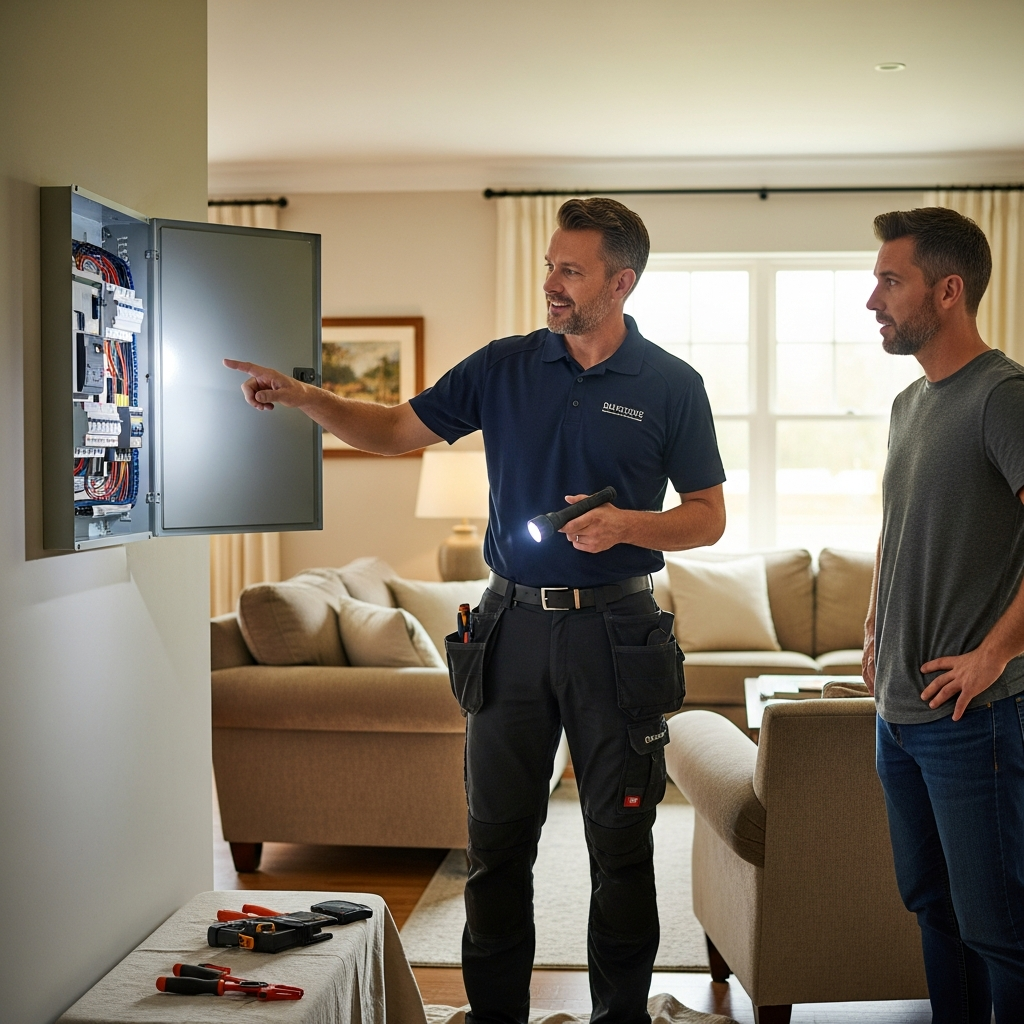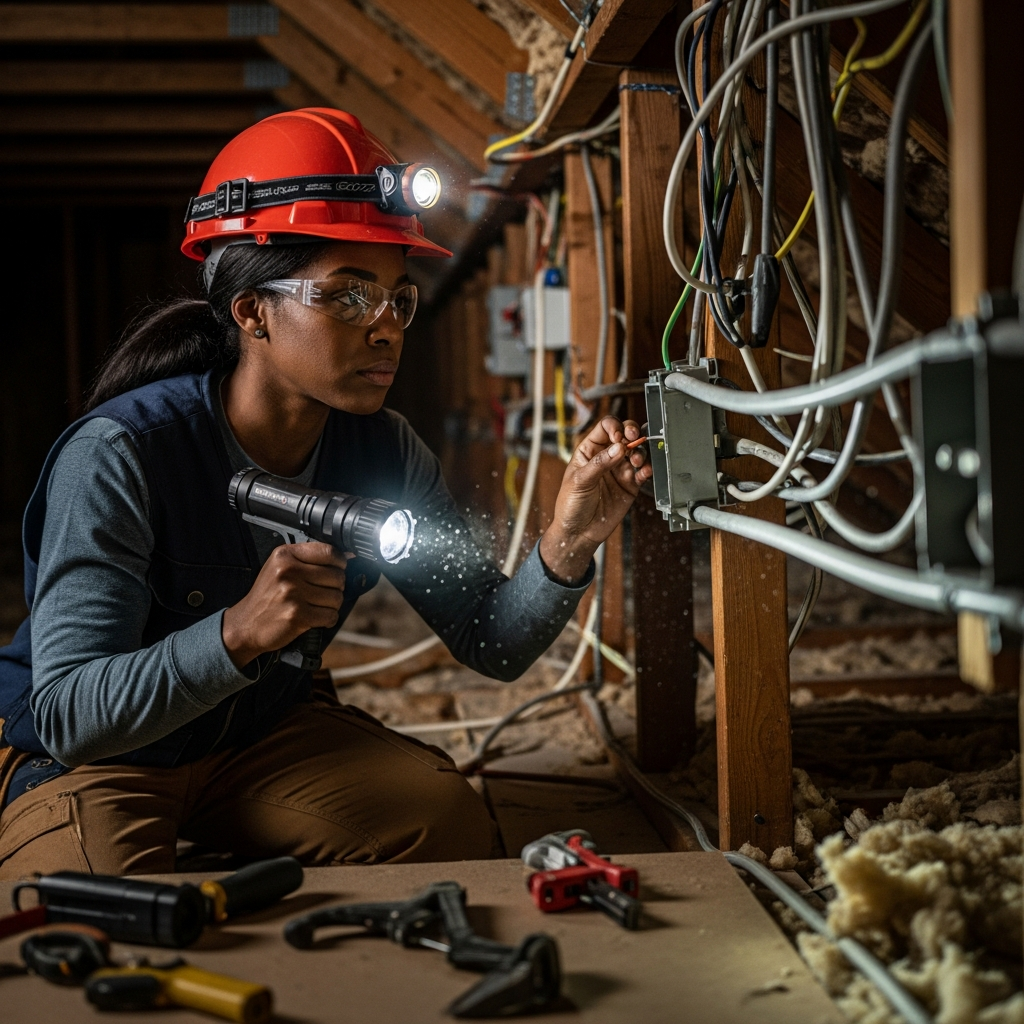
Unveiling the Power Masters: What is a Master Electrician?
Introduction:
Have you ever wondered about the difference between your common neighborhood electrician and a master electrician? Or are you a budding electrician looking to level up in your career, and you’re curious about what it takes to become a master electrician? Perhaps, you’re simply a homeowner seeking a reliable ‘electrician near me’ for a complex project, and you’ve come across the term ‘master electrician’. Regardless of where you fall among these scenarios, understanding what a master electrician is and what they bring to the table can be immensely beneficial.
The world of electricity is an intricate one, filled with numerous complexities that demand a high degree of expertise and experience. Not every electrician can handle every task thrown at them; this is where the role of a master electrician comes into play. They are the top-tier professionals in the electrical field, boasting an advanced skill set that sets them apart from regular electricians. But what exactly does it mean to be a master electrician, and what differentiates them from their peers?
In this comprehensive guide, we will delve into the electrifying world of master electricians, demystifying who they are, their roles and responsibilities, the qualifications needed to become one, and why they matter in your search for an ‘electrician near me’. Our goal is to provide you with an in-depth understanding of this specialized profession, enabling you to make informed decisions whether you’re seeking electrical services or aspiring to climb up the career ladder in the electrical industry.
Why should you care about this topic? Understanding the distinct roles within the electrical profession helps homeowners identify the best fit for their specific needs, ensures budding electricians know the career path they’re embarking on, and enables experienced electricians to map out their career advancement. For homeowners, knowing when to call a master electrician could mean the difference between a job well done or a potential electrical disaster. For electricians, understanding the path to becoming a master electrician offers a clear vision of the dedication, training, and experience required to achieve this status.
In essence, a master electrician is not just a title; it’s a testament to years of hard work, rigorous training, and vast experience in handling complex electrical systems. It’s an assurance of quality service and advanced expertise for those seeking an ‘electrician near me’. As we dive into the depths of this topic, prepare to uncover the mastery behind the master electrician and gain the power of knowledge to navigate your electrical needs and career aspirations effectively.
Stay tuned as we unravel the ins and outs of what it means to be a master electrician, their unique capabilities, and why they might just be the ‘shockingly’ perfect fit for your next big electrical project or your career advancement in the electrical field.
What is a Master Electrician?
The term “Master Electrician” refers to a highly skilled, experienced, and qualified professional in the field of electrical services. They perform a wide range of tasks that involve electricity, including installation, maintenance, and repair of electrical systems in residential, commercial, and industrial settings. Their expertise extends to the design of electrical layouts, inspection of electrical components for safety standards, and supervision of apprentice electricians. They are the highest level of electricians, having demonstrated superior knowledge and skills in their trade, and they carry tremendous responsibilities in ensuring the safety of electrical installations.
To understand what a master electrician is, one must first appreciate what an electrician does. An electrician is a tradesperson specializing in electrical wiring of buildings, stationary machines, and related equipment. They work with anything that involves electricity from simple home installations like switches and outlets to complex industrial machinery controls. The profession is physically demanding as it involves standing for extended periods, bending conduits, lifting heavy objects, and working in cramped spaces.
Electricians start their journey through an apprenticeship program. This program typically takes four to five years to complete and involves both classroom instruction and on-the-job training under the supervision of a licensed journeyman or master electrician. Apprentices learn electrical theory, blueprint reading, electrical code requirements, and safety practices. They also receive specialized training in soldering, communications, fire alarm systems, and elevators.
Upon completion of their apprenticeship, they become journeyman electricians. Journeymen are competent to work independently on various electrical installations and equipment but are not yet qualified to design electrical systems or supervise other electricians. To progress from journeyman to master electrician, one must meet specific requirements that vary from one jurisdiction to another.
Generally, these requirements include accumulating a specified number of years of experience as a journeyman (often two years), demonstrating advanced knowledge of the National Electrical Code, and passing a rigorous examination. The examination tests knowledge on electrical theory, local and state building codes, and best practices for installation and maintenance of electrical systems. Some states also require master electricians to complete continuing education courses to maintain their license.
Master electricians are the elite in their field. Their rigorous training and extensive experience equip them with a comprehensive understanding of electrical systems. They can design, install, maintain, and repair any electrical system in compliance with all safety regulations. They are also qualified to train and supervise apprentice and journeyman electricians.
Building codes and safety standards continuously evolve to incorporate new technologies and improve safety. Master electricians must stay current with these changes to ensure their work complies with the latest standards. They often attend seminars and continuing education programs to update their knowledge and skills.
Apart from technical skills, master electricians also possess strong problem-solving skills to diagnose electrical issues accurately and find effective solutions. They have excellent manual dexterity for handling tools and working with intricate wiring. Attention to detail is crucial in their work to ensure all installations comply with codes and safety standards. Also, they must have good customer service skills as they often deal directly with clients.
In summary, a master electrician is a highly skilled professional who has undergone extensive training and gained considerable experience in the field of electrical services. They are adept at installing, maintaining, and repairing electrical systems while adhering to safety regulations. They also supervise other electricians, ensuring quality workmanship and adherence to safety procedures. With their advanced skills and knowledge, master electricians are an indispensable asset in the construction and maintenance of electrical infrastructure in residential, commercial, and industrial settings.
Understanding the Role of a Master Electrician
A Master Electrician is the highest professional designation in the electrical industry. They are highly skilled and experienced professionals who have spent years mastering their craft. They are responsible for the installation, maintenance, and repair of electrical systems in homes, businesses, and other facilities.
Step 1: Understanding the Role of a Master Electrician
The role of a Master Electrician extends beyond that of a regular electrician. They are responsible for designing and installing electrical systems, interpreting electrical codes, managing projects, and training apprentice electricians. They also ensure that all electrical work adheres to local and national electrical codes to guarantee safety. In case you’re looking for an ‘electrician near me’, consider hiring a Master Electrician as they bring unparalleled expertise and experience to any electrical project.
Step 2: Knowing the Path to Becoming a Master Electrician
Becoming a Master Electrician requires several steps. Firstly, an individual must complete an apprenticeship program, which usually lasts four years. This involves both classroom instruction and on-the-job training under the supervision of a licensed electrician. Following this, they are required to pass an exam to become a journeyman electrician. After gaining several years of experience as a journeyman, one can take another examination to become a master electrician.
Step 3: Recognizing the Value of Hiring a Master Electrician
While hiring any electrician will help you with your electrical tasks, there are distinct advantages to hiring a Master Electrician. For instance, they bring extensive knowledge and experience that ensures your electrical project is completed efficiently and safely. They are capable of handling complex electrical jobs that regular electricians may not be able to tackle.
Scenario: Suppose you’re looking to remodel your home and need extensive electrical work done. This could involve installing new lighting fixtures, rewiring existing circuits, or even upgrading your entire electrical system. In this case, hiring a Master Electrician will provide you with the assurance that the job will be done right, adhering to all safety protocols and electrical codes.
Step 4: Understanding the Costs Involved
The cost of hiring a Master Electrician can be higher than that of a regular electrician due to their advanced skills and qualifications. However, this cost can be an investment. By hiring a Master Electrician, you can potentially avoid future problems such as faulty wiring or code violations, which could lead to costly repairs or even electrical fires.
Scenario: Imagine you’ve hired a less qualified electrician to install a new electrical panel in your home. A few months later, you start experiencing frequent power outages. Upon inspection, it’s discovered that the electrical panel was improperly installed, leading to these issues. If you had hired a Master Electrician initially, this problem could have been avoided.
Actionable Advice: Always consider the long-term implications when hiring an electrician. While it may be tempting to go for cheaper options, remember that electrical work is not something to compromise on. Safety and quality should be your top priority. Always hire a professional like a Master Electrician, especially for complex projects.
In conclusion, a Master Electrician is a highly trained and experienced professional who can handle all types of electrical jobs. Their advanced skills and knowledge ensure that all electrical work is carried out safely and efficiently. Therefore, when you search ‘electrician near me’, consider hiring a Master Electrician for peace of mind and long-term investment in your property’s electrical health.
Master Electrician: An In-depth Look Into Challenges, Solutions, and Expert Tips
A master electrician is a highly skilled and experienced tradesperson who has spent years working in the electrical industry, honing their craft and knowledge. They are the highest level of electrician, superseding journeyman and apprentice electricians. Their responsibilities range from installing and maintaining electrical systems to supervising apprentice electricians and ensuring compliance with electrical codes.
Common Challenges:
1. Licensing and Certification: One of the significant challenges is obtaining the master electrician license. It requires extensive experience, usually around seven years, and passing a rigorous examination that tests knowledge of electrical theory, local electrical and building codes.
2. Keeping up with Technological Advancements: With the fast pace of technological advancements, master electricians need to keep abreast of new tools, techniques, and best practices to provide the most efficient solutions.
3. Safety Regulations: Master electricians must work under strict safety rules and regulations. Any negligence can lead to fatal accidents, causing harm to both the electrician and the client.
Solutions:
1. Regular Training and Education: To overcome these challenges, master electricians must undergo regular training and education. These will not only prepare them for their licensing exams but also keep them updated about the latest developments in their field.
2. Adherence to Safety Guidelines: Strict adherence to safety guidelines and protocols is paramount. Wearing appropriate protective gear, using safety equipment, and adhering to industry best practices can significantly decrease the risk of accidents.
Expert Tips:
1. Specialize in Your Area of Interest: As a master electrician, you have the option to specialize in a particular area like residential, commercial or industrial electrics. Specializing can make you more desirable to certain clients or employers.
2. Network and Build Relationships: Networking with other professionals in your field can open doors to new opportunities. Building good relationships with clients can also lead to repeat business and referrals.
3. Stay Current: Keep up-to-date with the latest trends, tools, and technologies in the electrical field. Regularly attend training sessions, workshops, and industry events.
Misconceptions:
1. All Electricians are the Same: Many people believe that all electricians are alike. This is far from the truth. A master electrician has undergone more rigorous training and has more experience than a journeyman or apprentice electrician.
2. Master Electricians Only Do Large Projects: Another misconception is that master electricians only handle large, complex projects. In reality, they can take on any electrical job, regardless of its size or complexity.
Best Practices:
1. Always Hire a Licensed Master Electrician: When you need electrical work done, always hire a licensed master electrician. They have the necessary knowledge, skills, and experience to do the job correctly and safely.
2. Regularly Update Your Knowledge: As a master electrician, you should regularly update your knowledge in electrical theory, local codes, and safety regulations.
3. Maintain Professionalism: As a master electrician, maintaining professionalism is crucial. Always interact with clients and other professionals in a respectful and ethical manner.
In conclusion, becoming a master electrician involves overcoming various challenges but also opens up opportunities for growth and specialization. By following best practices, keeping up-to-date with industry trends, and networking, you can excel in this rewarding profession. Remember, your expertise not only ensures the smooth running of electrical systems but also guarantees the safety of others.
Understanding the Role of a Master Electrician: Expectations, Timelines, and Next Steps
A Master Electrician represents the pinnacle of professionalism in the electrical trade. They are skilled craftsmen who have dedicated years to learning, practicing, and perfecting their craft. If you are an aspiring electrician or a homeowner seeking expert electrical services, understanding what a Master Electrician is, what to expect, the timeline for becoming one, and the next steps can be incredibly beneficial.
What is a Master Electrician?
A Master Electrician is an individual who has acquired extensive knowledge and skills in the electrical field through years of education and practical experience. They have passed rigorous licensing examinations and adhere to the highest standards of safety and expertise.
Master Electricians are equipped to handle all aspects of electrical systems, from design and installation to maintenance and repairs. They can work on residential, commercial, and industrial projects, demonstrating a profound understanding of electrical codes and regulations.
Expectations from a Master Electrician
When you hire a Master Electrician, you’re engaging a professional with an exceptional level of expertise. They should be able to diagnose complex electrical issues efficiently and recommend viable solutions. Since they are well-versed in local building codes, they ensure that all work done complies with these regulations.
Master Electricians are also proficient project managers. They often supervise other electricians, making sure that every task is executed accurately and safely. Furthermore, because they are qualified to pull permits, they can streamline the process of any major electrical project.
In terms of customer service, Master Electricians are expected to provide clear communication about the nature of the job, associated costs, and timelines. They must show professionalism and punctuality, respecting their clients’ time and premises.
Timeline to Become a Master Electrician
Becoming a Master Electrician is no small feat; it requires years of dedication. The journey typically begins with obtaining a high school diploma or equivalent, followed by a 4-5 year apprenticeship program. This phase combines classroom instruction with hands-on training under the supervision of experienced electricians.
Upon completing the apprenticeship, you become a journeyman after passing the licensing exam. As a journeyman electrician, you are permitted to work independently, but not yet qualified to undertake large-scale projects or manage teams.
After practicing as a journeyman for about 2-4 years, you can aim for the master level. This involves passing a more demanding exam that tests advanced knowledge of electrical systems, codes, and safety protocols.
Next Steps to Engage a Master Electrician
If you’re looking for a ‘Master Electrician near me’, start by searching online or asking for recommendations. Verify their credentials and ensure they are licensed and insured. You can also check their ratings and reviews from previous clients.
Before hiring, discuss your project in detail with them. An experienced Master Electrician should be able to provide an accurate estimate of the cost and timeline. Also, clarify their policy on warranties or guarantees for their work.
In conclusion, a Master Electrician is a seasoned professional who assures quality and safety in all electrical tasks. Whether you aspire to become one or need their services, understanding their role, expectations, and the timeline involved can help you make informed decisions. Remember, when it comes to electrical work, never compromise on expertise or safety.
In conclusion, a Master Electrician is not just an ordinary electrician. They are highly skilled professionals who have undergone several years of rigorous training, both theoretical and practical, to gain the ability to oversee large-scale electrical projects. They are well-versed in the intricacies of electrical systems, building codes, project management, safety protocols, and leadership.
A Master Electrician’s vast experience and knowledge make them uniquely qualified to handle the complexities of major electrical installations, repairs, and maintenance. They possess the necessary skills to read and interpret blueprints, plan out projects, supervise a team of electricians, and ensure all work is done in line with local codes and safety standards. Their in-depth understanding of the electrical field enables them to troubleshoot complex issues quickly and efficiently, ensuring the smooth operation of any electrical system they work on.
One key takeaway from our discussion is that becoming a Master Electrician is a career path that demands dedication and hard work. It begins with an apprenticeship, followed by becoming a journeyman, and then eventually earning the Master Electrician status after more years of experience and passing a comprehensive exam. This path is challenging but it offers great rewards including a good income, job security, and opportunities for career advancement.
Another important point to remember is that a Master Electrician is responsible for upholding safety standards. Electrical work can be dangerous if not done properly. Therefore, their role involves ensuring not only the efficiency of electrical systems but also the safety of people living or working in buildings where these systems are installed. They are trained in the latest safety protocols and are equipped with the knowledge to prevent electrical accidents.
Lastly, when hiring an electrician for your home or business needs, it’s crucial to consider their qualifications. A Master Electrician brings superior skills and expert knowledge to any project they undertake. They are more likely to carry out high-quality work and provide effective solutions to any electrical problems you may encounter.
To sum it all up, a Master Electrician stands at the apex of the electrical industry, carrying a wealth of knowledge and a vast array of skills. They are leaders, problem solvers, safety advocates, project managers, and most importantly, they are the experts you can trust when it comes to your electrical needs.
Whether you’re planning a major renovation, building a home from scratch, or facing an intricate electrical problem, don’t compromise on safety and quality. Reach out to a Master Electrician. They can provide expert advice, effective solutions, and peace of mind knowing that your electrical systems are in the best possible hands.
We encourage you not to take your electrical needs lightly. Our team of Master Electricians is ready to assist you. We believe in delivering not only top-notch electrical services but also in providing excellent customer service. Don’t hesitate to get in touch with us for all your electrical needs. Remember, when you hire a Master Electrician, you’re investing in quality, safety, and peace of mind. Contact us today.