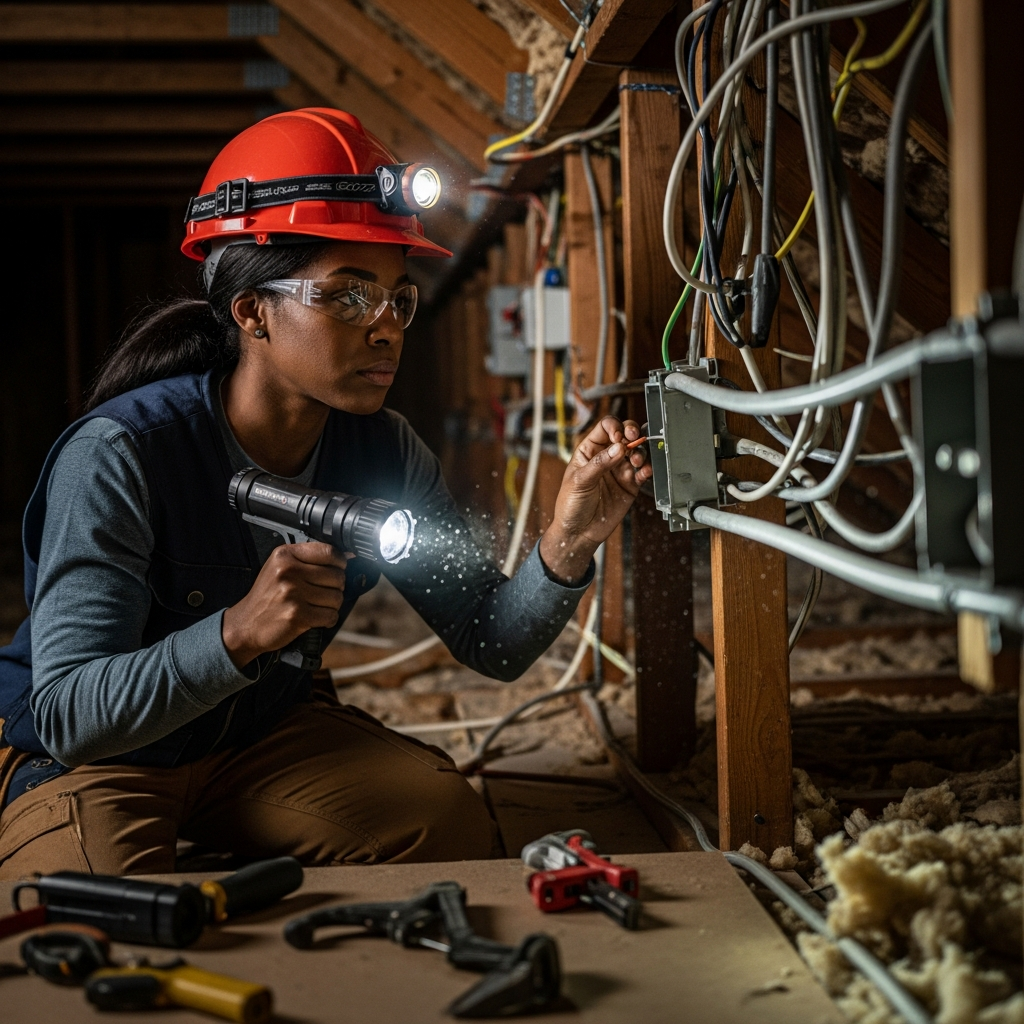
Unleashing the Earning Potential: What is the Highest Pay for a Master Electrician?
Hook: Are you considering a career as a master electrician, or perhaps you’re an apprentice or journeyman electrician aiming to level up your skills and income? If so, you might be wondering, “What is the highest pay for a master electrician?” To quench your curiosity and help you plan your career path effectively, we’re going to delve deeply into this topic.
Context: The field of electrical work is vast and varied, with numerous roles ranging from apprentice electricians just starting on their journey, to journeymen who have honed their skills over several years, and finally, to the pinnacle of the profession, the master electrician. Master electricians are at the top of their game, possessing an extensive amount of knowledge and experience. Their expertise comes with significant benefits, including higher earning potential.
Many factors influence an electrician’s salary, including their level of experience, location, industry, and specific skills. A master electrician near you may be earning a different salary than a master electrician in a different city or state due to these varying factors. Understanding these nuances will help you form a more accurate picture of a master electrician’s earning potential.
What Will Be Covered: In this blog post, we will explore the various elements that contribute to a master electrician’s salary. We will look at the average pay across different locations, industries, and specializations. We’ll also provide insights into how additional qualifications and experience can impact your income as a master electrician.
We will answer questions such as: How does becoming a master electrician affect your earnings? What is the salary difference between a journeyman and a master electrician? What are some of the highest paid sectors for master electricians? And most importantly, how can you maximize your earnings as a master electrician?
Why This Matters to Readers: Whether you’re an apprentice electrician aspiring to become a master, a journeyman aiming to climb the ladder, or a master electrician curious about your earning potential, this topic matters.
Understanding the earning potential of a master electrician is crucial for career planning and setting realistic expectations. It’s not just about knowing the highest pay for a master electrician; it’s also about understanding what it takes to reach that level, and how different factors can influence your income.
By exploring this topic, you can make informed decisions about your career path, investments in further training and education, and even your geographical location. For those of you considering becoming electricians, this information can help validate your decision by showcasing the lucrative potential of this career.
In conclusion, if you’re interested in maximizing your earning potential and reaching the top tier in the electric field, stick around. This article will provide valuable insights and practical advice to help you navigate your path to becoming a high-earning master electrician. Let’s get started on this illuminating journey!
The profession of an electrician has always been highly regarded, owing to the plethora of technical skills required and the sheer necessity of electricity in our daily lives. Electricians play a fundamental role in ensuring that our homes, offices, factories, and various other establishments are adequately powered to support a broad range of electrical appliances and systems. Among the different levels of proficiency in this field, a master electrician stands at the pinnacle, possessing an extensive knowledge base and a wealth of experience. The highest pay for a master electrician is a topic that generates considerable interest, given the significant level of expertise and responsibility involved in this role.
To understand the salary potential of a master electrician, it’s crucial first to delve into what the role entails. A master electrician is an expert who has gained significant professional experience and passed rigorous tests to prove their comprehensive understanding of the National Electric Code, local building and electrical codes, and electrical theory. They are qualified to plan, design, install, modify and repair electrical installations and supervise apprentice or journeyman electricians. Their extensive training equips them to handle complex jobs that require a high level of problem-solving skills and technical knowledge.
The road to becoming a master electrician is not easy; it takes years of training and experience. Typically, an individual begins their career as an apprentice electrician, gaining practical experience under the supervision of a licensed journeyman or master electrician. The apprenticeship period usually lasts four to five years and involves both classroom instruction and on-the-job training. After completing their apprenticeship, they become journeyman electricians, eligible to work independently on various electrical systems.
To ascend to the status of a master electrician, a journeyman must work in the field for several more years (typically two to four), gaining further experience before they can apply for the master electrician examination. The test itself is comprehensive, covering all aspects of electrical installations as per the National Electric Code, local electric and building codes, and standards of electrical theory.
Master electricians can work in a variety of settings, including residential, commercial, or industrial environments. They may be self-employed or work for electrical contracting companies, utility companies, or government agencies. Their responsibilities often include designing and installing electrical systems, diagnosing and repairing electrical problems, supervising other electricians, ensuring compliance with electrical codes and safety standards, and sometimes even managing entire projects.
The highest pay for a master electrician is determined by several factors such as the level of experience, geographical location, the complexity of tasks performed, and the nature of the employer. For instance, master electricians working in metropolitan areas, where the cost of living is high, typically earn more than those in rural areas. Similarly, those working in industries with high demand for specialized skills, like oil and gas extraction or power generation, may also command higher salaries.
According to the U.S. Bureau of Labor Statistics (BLS), the median annual wage for electricians, including master electricians, was $56,180 in May 2019. However, the highest 10 percent earned more than $96,580. It’s also worth noting that self-employed master electricians who own their own businesses have the potential to earn significantly more, depending on the success of their business.
In conclusion, the highest pay for a master electrician is a reflection of their advanced skills, extensive experience, and the critical role they play in our society. The journey to this level of expertise is challenging and requires dedication, but it comes with the reward of a potentially high salary. Moreover, electricians contribute significantly to our everyday lives, making this profession not only lucrative but also highly valuable.
The Highest Pay for a Master Electrician: An In-depth Review
The profession of a master electrician has always been recognized for its technical expertise and the significant pay it attracts. However, how much can you really earn as a master electrician? This article provides an in-depth analysis of the highest pay for a master electrician, as well as offering real-world examples and actionable advice to help you navigate this rewarding field.
A master electrician is considered the pinnacle of the electrical profession. This position is achieved after years of training and experience as an apprentice and journeyman electrician. As such, the compensation for a master electrician is typically higher than that of the other categories due to the level of expertise and responsibility they carry.
According to the U.S. Bureau of Labor Statistics, the median pay for electricians in 2020 was $56,180 per year or $27.01 per hour, but this is just an average across all levels of electricians. A master electrician can make significantly more than this, with the top 10% earning more than $96,580 per year. However, these figures can vary greatly depending on factors such as location, industry, and level of experience.
For example, a master electrician working in a city like New York or San Francisco, where the cost of living is high, can expect to earn above the national average due to the higher demand and rates for skilled work. In contrast, a master electrician working in a rural area may earn less due to lower demand.
Similarly, the industry you work in can significantly affect your earnings. Master electricians working in research and development or manufacturing sectors often earn more than those in residential or commercial electrical services due to the complexity and scale of the projects involved.
Your level of experience also plays a crucial role in determining your pay as a master electrician. As you gain more experience and establish a reputation for quality work, you can negotiate higher rates for your services.
To maximize your earning potential as a master electrician, consider the following actionable advice
1. **Specialize**: Master electricians who specialize in a specific area such as industrial automation or renewable energy systems are often in higher demand and can command higher rates.
2. **Get Certified**: Obtaining additional certifications beyond the basic requirements to become a master electrician can increase your marketability and earning potential. For example, becoming a Certified Electrical Safety Compliance Professional (CESCP) can open up opportunities for higher-paying safety compliance roles.
3. **Continued Education**: Stay updated with the latest technology and techniques in the field of electrical work. This could mean attending seminars, workshops, or continuing education courses. The more skills and knowledge you have, the more valuable you are to employers or clients.
4. **Networking**: Build relationships with other professionals in your industry. Networking can lead to better job opportunities and potentially higher pay.
5. **Start Your Own Business**: As a master electrician, you have the qualifications to start your own electrical contracting business. While this route comes with its own set of challenges, it also offers the potential for significantly higher earnings.
In conclusion, while the pay for a master electrician can vary based on various factors, there are steps you can take to maximize your earning potential. By specializing, obtaining additional certifications, staying updated with the latest industry trends, networking, and possibly starting your own business, you can ensure that you are at the top end of the pay scale in this rewarding profession.
Comprehensive Guide to Master Electrician’s Earning Potential: Common Challenges, Solutions and Expert Tips
The field of electrical work is filled with opportunities for career advancement and the potential for high earnings. One such opportunity lies within the role of a master electrician. The earning potential varies significantly depending on various factors, including location, specialization, experience, and business acumen. However, there are common challenges that aspiring master electricians face, and it’s critical to understand these challenges and their solutions to maximize your earning potential.
A common misconception is that a master electrician’s title automatically guarantees high income. While master electricians typically earn more than journeyman electricians due to their advanced knowledge, experience, and responsibility level, the income can vary widely. Factors such as the electrician’s location, the industry they work in (residential, commercial, or industrial), their self-employment status, and their ability to negotiate contracts can significantly affect their income.
Another misconception is that “electrician near me” services always earn less than those serving larger areas or big companies. This isn’t necessarily the case. Local electricians who have established strong reputations can command higher rates due to their familiarity with the community, local electrical codes, and unique regional requirements.
One of the primary challenges a master electrician faces in maximizing their earning potential is staying current with the latest technologies and industry trends. As the field of electrical work continues to evolve rapidly with advancements in technology and changes in codes and regulations, a master electrician must keep their skills and knowledge updated.
Solution: Regularly attend industry seminars, continuing education courses, and trade shows. Subscribing to industry publications and joining professional organizations can also help keep you informed about the latest developments in the field.
Another challenge is managing business operations effectively, particularly for self-employed master electricians. This includes tasks like marketing your services, managing finances, customer service, and contract negotiations, all of which can impact your bottom line.
Solution: Consider investing in business management and marketing courses or hiring a business coach. These resources can help you learn best practices for running a successful electrical business and ultimately increase your income potential.
Now, let’s delve into some expert tips for maximizing your earning potential as a master electrician
1. Specialize: Electricians who specialize in a particular area, like renewable energy systems or industrial equipment, can charge higher rates due to their specialized knowledge and skills.
2. Develop Strong Customer Service Skills: A satisfied customer is more likely to recommend your services to others, leading to more business and higher income.
3. Network: Building relationships with other professionals in the construction industry can lead to more job opportunities. Join local trade organizations and attend networking events.
4. Leverage Online Platforms: Use online platforms to advertise your services. Websites like HomeAdvisor, Angie’s List, and even social media can help you reach a wider audience.
5. Negotiation Skills: Improve your negotiation skills to secure better contracts. Don’t undersell your services.
6. Expand geographically: If possible, extend your service area to cater to a larger client base.
In conclusion, while the highest pay for a master electrician can vary significantly, there are several strategies that can help increase your earning potential. By addressing common challenges, staying updated with industry trends, effectively managing business operations, and leveraging expert tips, you can maximize your income as a master electrician.
What is the Highest Pay for a Master Electrician?
A master electrician is an experienced professional who has spent years honing his or her craft, gaining experience in a wide range of electrical work, and taking rigorous exams to acquire the necessary licensing. However, many people may wonder, “What is the highest pay for a master electrician?” It’s a pertinent question, considering the effort and dedication required to reach this level.
The salary of a master electrician can vary significantly depending on factors such as location, years of experience, specialization, and the specific industry in which they work. According to the U.S Bureau of Labor Statistics, the median annual wage for electricians was $56,180 in May 2020. However, master electricians, who are at the pinnacle of their profession, typically earn more than this median wage. The top 10% of earners in this profession made more than $96,580 annually.
Now that we have an idea of the potential earnings, let’s delve into what it takes to become a master electrician, which will provide insight into why they can command such high salaries.
Becoming a Master Electrician: A Detailed Timeline
The journey to becoming a master electrician typically starts with an apprenticeship. This generally lasts four to five years and combines on-the-job training with classroom instruction. During this time, apprentices are paid for their work and gain crucial hands-on experience.
After completing their apprenticeship, individuals become journeyman electricians. They can now work independently without supervision. However, to progress to the next level and become a master electrician, they need additional experience and must pass a state-specific master electrician examination. This usually requires two to four years of work as a journeyman.
Once you’ve passed the exam and fulfilled any other state requirements, you become a licensed master electrician. It’s important to remember that each state has its own requirements for becoming a master electrician, so it’s crucial to research your specific state’s guidelines.
Next Steps: What to Do as a Master Electrician
As a master electrician, you can expect to take on more significant and complex electrical projects, supervise journeymen and apprentices, and potentially start your own electrical contractor business.
One of the ways to increase your earning potential as a master electrician is by specializing in high-demand areas. For instance, becoming an expert in green energy technologies like solar and wind power could significantly boost your income. Additionally, working in industries that pay higher wages like government agencies, manufacturing corporations, and research and development services can also increase your earnings.
Furthermore, if you’re interested in finding a high-paying job as a master electrician near you, consider using online job boards, networking with other professionals in the industry, or getting in touch with local electrical contractor businesses.
To summarize, while becoming a master electrician requires substantial time and commitment, the financial rewards can be significant. The highest-paid master electricians earn upwards of $96,580 annually, but this can vary widely depending on various factors such as location, experience, specialization, and industry.
Moreover, remember that being a master electrician is not just about the high pay. It’s also about the satisfaction of being at the top of your field, having the skills to tackle complex projects, and the opportunity to mentor the next generation of electricians. With careful planning and dedication, you can create a lucrative and fulfilling career as a master electrician.
In conclusion, the highest pay for a master electrician is considerably lucrative, with the potential to exceed $100,000 per year in certain locations and circumstances. The exact amount one can earn as a master electrician is dependent on a range of factors including geographical location, industry, level of experience, and specialization.
Master electricians working in areas with high living costs, such as metropolitan cities or regions rich in industries that heavily rely on skilled electricians – oil, gas, mining, or renewable energy sectors – are likely to earn higher salaries. Moreover, those who have spent significant time in the field or have specialized skills can command higher wages. Self-employed master electricians or those who own their electrical contracting businesses have the potential to earn significantly more, albeit with the added responsibilities and risks of running a business.
The salary of a master electrician also reflects their expertise and the high level of responsibility that comes with their job. As leaders and managers of electrical projects, they are responsible for ensuring the safety and efficiency of electrical systems, supervising journeymen and apprentice electricians, obtaining permits, and liaising with inspectors and clients. They are also expected to stay abreast with the latest industry standards and advancements in technology, which often necessitates continuous learning and upgrading of skills.
However, becoming a master electrician is not an easy feat. It requires years of training, hands-on experience, and passing rigorous exams. The journey begins with an apprenticeship, progresses to becoming a journeyman, and finally achieving the status of a master electrician. This arduous process ensures that master electricians are highly qualified professionals capable of handling complex electrical systems with utmost safety and proficiency.
The high pay that master electricians can command is testament to their expertise, dedication, and the critical role they play in our modern society. Electrical systems are integral to almost all aspects of our daily lives – from powering our homes and workplaces, to enabling industries and critical infrastructures. Master electricians are at the heart of designing, installing, maintaining, and repairing these systems. They ensure that we can go about our lives with the assurance that the lights will turn on when we flick the switch, the AC will cool us down in summer, and the heater will warm us up in winter.
Lastly, it’s important to note that while money is a significant motivator, the satisfaction derived from a job well done, the respect earned from peers and clients, and the opportunity to make a meaningful contribution to society also add to the appeal of becoming a master electrician.
Should you be considering a career as a master electrician or need assistance with electrical issues, do not hesitate to contact us. Our team of expert electricians is always ready to provide guidance and deliver high-quality electrical services. We understand the value of master electricians and strive to reflect this in our work. We are committed to safety, efficiency, and staying at the forefront of electrical technology. Reach out to us today and let us light up your path towards electrical excellence.