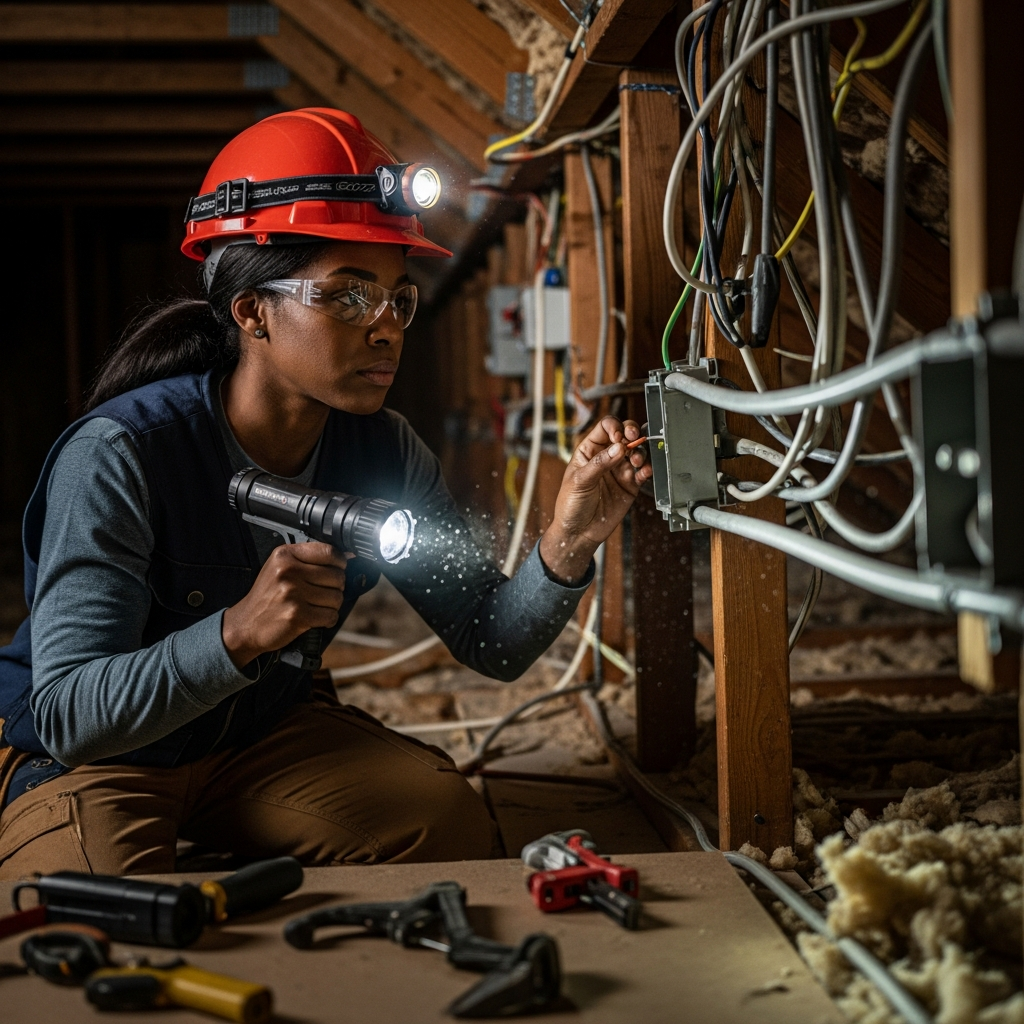
7 Signs You Need Electrical Repairs in Your Home
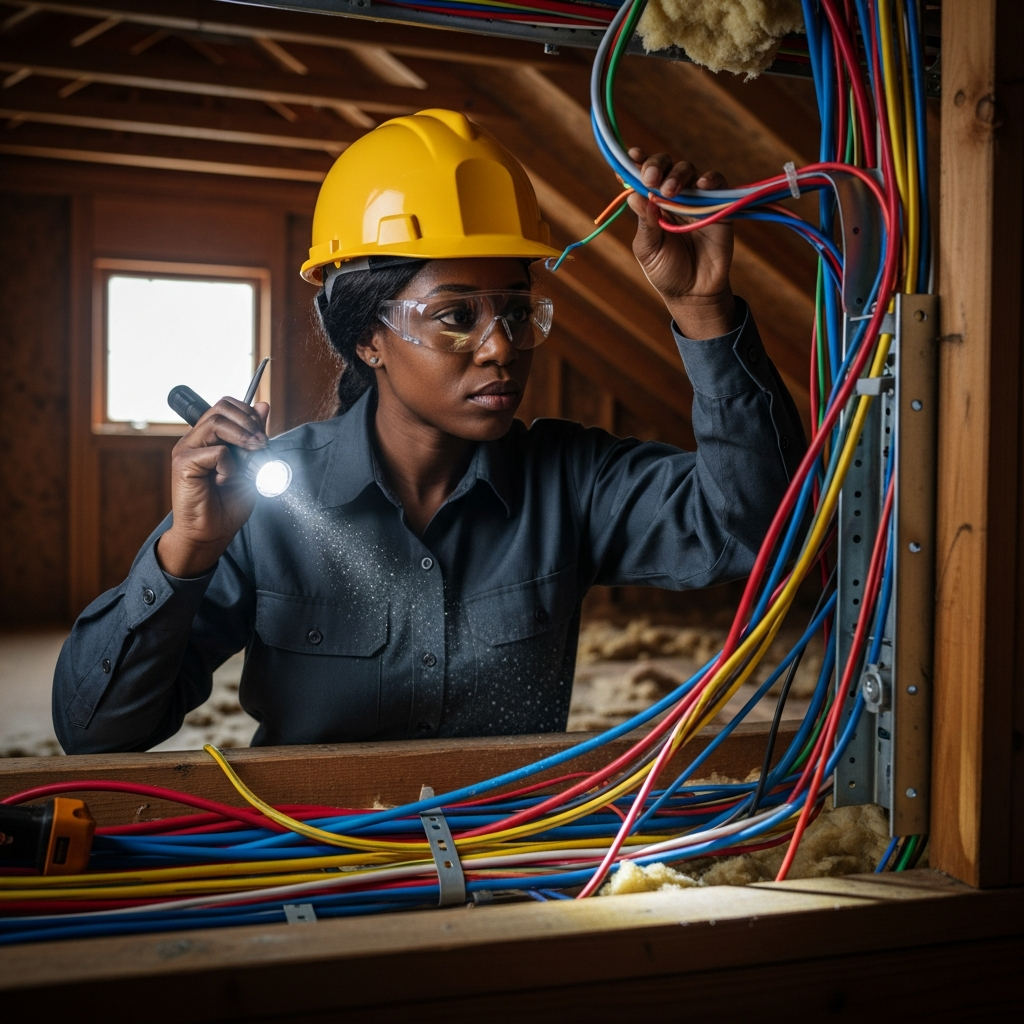
You’re making your morning coffee when you flip the kitchen light switch and… nothing. You try again. Still nothing. So you do what we all do – you flip it up and down a few more times because somehow that’s going to magically fix everything, right? Then you notice the outlet by the counter isn’t working either, and suddenly that annoying little flicker you’ve been ignoring in the living room doesn’t seem so harmless anymore.
Here’s the thing about electrical problems – they’re like that friend who drops subtle hints that something’s wrong but never comes out and says it directly. Your home has been trying to tell you something for weeks, maybe months. That occasional dimming when you turn on the microwave? The outlet that only works if you wiggle the plug just right? The breaker that trips every time you use the hair dryer and the toaster at the same time?
Yeah, those aren’t just quirky little personality traits your house has developed. They’re actually warning signs – and honestly, they’re your electrical system’s way of waving a red flag before something potentially dangerous happens.
I get it, though. Electrical repairs feel expensive and mysterious. Most of us know absolutely nothing about what’s happening behind those walls, and the whole thing seems like it’s probably fine until it’s… well, not fine. Plus, if you’re like most homeowners, you’ve got a running mental list of about seventeen other things that need fixing, and somehow the electrical stuff always gets pushed to the bottom because it’s still *sort of* working.
But here’s what I’ve learned after dealing with way too many electrical emergencies (and trust me, you don’t want to learn this the hard way): your electrical system is basically the nervous system of your home. When it starts acting up, it’s not just an inconvenience – it’s a safety issue. We’re talking about the difference between replacing a $50 outlet and dealing with electrical fires, damaged appliances, or worse.
The tricky part is that electrical problems don’t always announce themselves with dramatic sparks and blown fuses. Sometimes they whisper. That slight burning smell that comes and goes? The way your lights dim when the AC kicks on? These are your home’s way of asking for help before things get serious.
What’s frustrating is that most of us weren’t exactly taught “Electrical System 101” in school. We know to call an electrician if there are literal sparks flying, but what about all those gray areas? Those moments when you’re standing there thinking, “Hmm, is this normal or should I be concerned?”
That’s exactly why I wanted to put together this guide. Because recognizing these warning signs early isn’t just about avoiding expensive emergency calls – though trust me, your wallet will thank you for catching problems before they become crises. It’s about keeping your family safe and your home functioning the way it should.
Over the next few minutes, we’re going to walk through seven clear signs that your electrical system needs professional attention. And I’m not talking about the obvious ones like “smoke is coming out of your outlet” – because honestly, if you’re seeing smoke, you already know you need help. We’re focusing on those subtler signals, the ones that are easy to rationize away but shouldn’t be ignored.
Some of these might surprise you. That thing you’ve been doing where you have to reset the GFCI outlet in your bathroom every few days? Not normal. The way your computer seems to shut down randomly during thunderstorms even though the power never actually goes out? There’s probably a reason for that. And that old house charm where certain rooms never seem to have enough outlets so everything’s plugged into extension cords and power strips? Well… we need to talk about that too.
By the time you’re done reading, you’ll know exactly what to look for and – more importantly – when it’s time to stop trying to DIY your way around electrical issues and call in a professional. Because sometimes the best home improvement project is knowing when *not* to make it a weekend project.
Your Home’s Electrical System: The Invisible Workhorse
Think of your home’s electrical system like the circulatory system in your body – you don’t really notice it until something goes wrong. But unlike your heartbeat, which you can feel, electricity flows silently through your walls, doing its job 24/7 without fanfare. Most of us flip switches and plug things in without giving it a second thought… until that one day when the lights flicker, or worse, something sparks.
Here’s the thing though – your electrical system is constantly talking to you. It’s sending little signals, dropping hints about its condition. The problem? We’ve gotten so used to minor electrical quirks that we often dismiss them as “just how the house is.” That slightly warm outlet? The breaker that trips occasionally? We shrug and work around these things instead of recognizing them as your home waving a red flag.
The Age Factor (And Why Your Grandmother’s House Might Be a Fire Hazard)
Most electrical systems are designed to last decades, but – and this is important – they weren’t designed for how we live today. Your house built in 1970 was never meant to handle your gaming setup, multiple phone chargers, that massive TV, the coffee maker that could power a small aircraft, and everything else we’ve plugged in.
It’s like trying to run modern software on an old computer. Technically it might work, but you’re pushing things beyond their intended limits. Electrical panels installed 30+ years ago often struggle with today’s electrical demands. They’re doing their best, but they’re essentially trying to deliver Amazon Prime-level service with a horse and buggy infrastructure.
How Electricity Actually Works in Your Home (The Simple Version)
I won’t bore you with a physics lesson, but understanding the basics helps you spot problems. Electricity flows from your main panel through circuits – think of them as highways that carry power to different parts of your house. Each circuit has a capacity limit, like a highway has a weight limit for trucks.
When you plug in too many things (or something malfunctions), you’re essentially creating a traffic jam. Your breaker is like a security guard – when things get dangerous, it shuts down the whole highway by “tripping.” That’s actually a good thing, even though it’s annoying when you’re blow-drying your hair.
But here’s where it gets tricky… sometimes that security guard gets tired or stops working properly. Sometimes the highways themselves start deteriorating. And sometimes – this is the scary part – problems develop that your breaker can’t detect.
The Silent Dangers You Can’t See
This might sound dramatic, but electrical problems cause about 50,000 house fires every year in the US. That’s roughly 137 fires every single day. Most of these aren’t caused by obvious things like lightning strikes – they’re caused by the slow, invisible deterioration of electrical components.
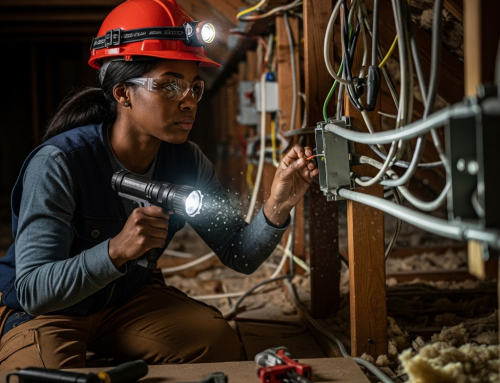
Wires can overheat inside your walls without you knowing. Connections can loosen over time (your house literally shifts and settles, putting stress on everything). Outlets can wear out from years of plugging and unplugging things. It’s like how your favorite jeans eventually develop holes – normal wear and tear, but potentially dangerous when we’re talking about electricity.
Why DIY Electrical Work Usually Backfires
I get it – you’re handy, you’ve watched YouTube videos, and changing an outlet doesn’t look that complicated. But electrical work is one of those areas where a little knowledge can be genuinely dangerous. It’s not like painting a room where the worst outcome is an ugly color choice.
Even professional electricians approach electrical work with serious respect. They’ve seen what can happen when things go wrong – houses that burned down because someone “just swapped out a switch” without understanding that their house had aluminum wiring (which requires special techniques). Or families who got carbon monoxide poisoning because a DIY electrical job interfered with their furnace’s safety systems.
The building codes exist for good reasons, and they’re constantly evolving as we learn more about electrical safety. What was considered safe 20 years ago might not meet today’s standards.
When Professional Help Actually Saves Money
Here’s something that might surprise you – ignoring electrical problems almost always costs more in the long run. That flickering light might seem minor, but if it’s caused by a loose wire that eventually overheats and damages your electrical panel, you’re looking at thousands in repairs instead of a simple $200 fix.
Insurance companies know this too. If you have an electrical fire and the investigation reveals outdated or improperly maintained electrical work, you might find yourself in a very expensive situation that goes way beyond property damage.
When to Call vs. When to Wait
Look, I get it – electrical work can be expensive, and nobody wants to call an electrician for every little thing. But here’s the reality check: some issues are “call right now” emergencies, while others can wait until next week (though not much longer).
Call immediately if you’re dealing with burning smells, sparks, or outlets that are hot to the touch. These aren’t “maybe tomorrow” situations – they’re “unplug everything and get someone here today” moments. I’ve seen too many people convince themselves that weird burning smell will just… go away on its own. Spoiler alert: it won’t.
On the flip side, if you’ve got a single outlet that’s stopped working but everything else seems fine, you can probably wait a few days to get it checked out. Just don’t use it in the meantime – no “maybe it’ll work if I jiggle the plug” experiments.
How to Choose the Right Electrician
This is where people often shoot themselves in the foot. They either go with the cheapest quote (mistake #1) or just call whoever shows up first in Google search results (mistake #2).
Instead, start by asking friends and neighbors – seriously. That recommendation from your next-door neighbor who had similar work done? That’s worth more than any online review. When you’re vetting potential electricians, ask about their license (they should have one, obviously), insurance, and whether they offer warranties on their work.
Here’s an insider tip: a good electrician will want to see the problem in person before giving you a firm quote. Be wary of anyone who gives you an exact price over the phone – electrical issues are rarely that straightforward.
Quick Safety Checks You Can Do Yourself
Before you pick up the phone, there are a few simple things you can check that might save you an unnecessary service call.
First, check your circuit breaker panel. Sometimes what feels like a major electrical failure is just a tripped breaker. Look for switches that are in the middle position – not fully on or off. Flip them completely off, then back on. If the same breaker keeps tripping, though, that’s actually a sign of a bigger problem.
For outlets that aren’t working, try the reset button on any GFCI outlets nearby (those are the ones with the little buttons, usually found in bathrooms and kitchens). Sometimes one GFCI can control several regular outlets, and hitting reset might bring everything back to life.
Understanding the True Cost of Delays
Here’s something most people don’t realize: that flickering light you’ve been ignoring for months? It could be slowly damaging your other electrical devices. Poor electrical connections create voltage fluctuations, and your expensive electronics – that new TV, your computer, even your refrigerator – don’t handle those fluctuations well.
I’ve watched homeowners spend hundreds replacing “broken” appliances, only to discover later that the real culprit was a loose wire connection that would’ve cost $150 to fix. It’s like ignoring a small leak in your roof until it ruins everything below it.
Making Your Home Safer Right Now
While you’re waiting for professional help, there are immediate steps you can take to protect your family. Unplug devices from any problematic outlets – don’t just turn them off, actually remove the plugs. If you’re dealing with frequent circuit breaker trips, identify which rooms or appliances are affected and avoid using them until you get answers.
Keep a flashlight handy (not your phone’s flashlight – save the battery). Power outages have a way of happening at the most inconvenient times. And if you’ve got kids, this is a good time to remind them about electrical safety… though let’s be honest, they probably won’t listen until they’re adults with their own electrical problems.
Prevention That Actually Works
The best electrical repairs are the ones you never need to make. Have a qualified electrician do a whole-house inspection every few years – think of it like a check-up for your home’s nervous system. They’ll spot potential problems before they become expensive emergencies.
And please, resist the urge to DIY electrical work beyond changing light bulbs and testing GFCI outlets. I know YouTube makes everything look easy, but electricity doesn’t care about your confidence level. It’ll hurt you just the same whether you’ve watched one tutorial or fifty.
When DIY Turns Dangerous (And Why We All Try It Anyway)
Let’s be honest – we’ve all been there. The outlet in your kitchen stops working, and your first thought isn’t “I should call an electrician.” It’s probably more like “How hard can this be?” followed by a quick YouTube search and maybe a trip to Home Depot.
I get it. Electrical work *looks* straightforward. You’ve got wires, you’ve got wire nuts, you connect A to B… right? But here’s the thing that trips up most homeowners: electricity doesn’t forgive mistakes. That innocent-looking outlet replacement can turn into a house fire if you mix up the hot and neutral wires, or forget to turn off the right breaker.
The biggest challenge? Overconfidence mixed with underestimating complexity. What seems like a simple swap often reveals outdated wiring, missing ground wires, or code violations that have been lurking behind your walls for decades.
Your best bet? Start with the assumption that if it involves anything more than changing a light bulb, you probably want professional help. Yes, it costs more upfront, but it’s a lot cheaper than dealing with electrical fires, insurance claims, or – worst case scenario – putting your family at risk.
The “It’s Just a Little Spark” Mindset
This one’s huge. We normalize things we shouldn’t because they happen gradually. That outlet that gives you a tiny zap when you plug something in? The light switch that’s warm to the touch? The breaker that trips “only sometimes”?
These aren’t quirks your house has developed – they’re warning signs that something’s genuinely wrong. But since they start small and build up over time, we adapt. We learn which outlet to avoid, which switch needs a gentle touch, which appliances we can’t run at the same time.
The challenge here is recognizing that normal wear and tear has crossed into dangerous territory. Your electrical system isn’t like a creaky door that’s just annoying – it can actually hurt you.
Here’s what helps: make a list of all those little electrical “quirks” you’ve been working around. Write them down. When you see them all together on paper, it becomes pretty clear that your house is trying to tell you something important.
The Great Breaker Box Mystery
Raise your hand if your electrical panel looks like it was labeled by someone playing a practical joke. “Kitchen… maybe?” “Upstairs bathroom (or is it the garage?).” “Steve’s room” – and Steve moved out three years ago.
Poor labeling is probably the most common challenge homeowners face when trying to troubleshoot electrical issues. You can’t safely work on anything if you don’t know which breaker controls what. And let’s not even talk about those old panels where half the breakers don’t seem to control anything at all…
Solution time: grab a friend, some masking tape, and a few hours on a weekend. Turn off one breaker at a time and figure out what actually stops working. Yes, it’s tedious. Yes, you’ll probably reset some clocks. But you’ll also discover which circuits are overloaded (hint: if one breaker controls your entire kitchen AND the living room, that’s a problem).
While you’re at it, look for breakers that feel loose, make crackling sounds, or show any signs of burning or discoloration. Those need professional attention – not a DIY weekend project.
When “Saving Money” Costs More
Here’s the uncomfortable truth: most of us put off electrical repairs because we’re worried about the cost. An electrician’s hourly rate can feel steep, especially when you’re not sure if the problem is actually serious.
But the real challenge isn’t the upfront cost – it’s the false economy of waiting. That flickering light that “still works most of the time” could be caused by a loose connection that’s creating heat and slowly degrading your wiring. Fix it now, and you’re looking at maybe a couple hundred dollars. Wait until it causes damage to multiple circuits or starts a fire? You’re talking thousands.
The solution isn’t to panic and call an electrician every time a light bulb burns out. It’s learning to distinguish between normal electrical issues and genuine safety concerns. When in doubt, a quick consultation call with a licensed electrician can help you prioritize what needs immediate attention versus what can wait for your next planned maintenance.
Remember – your electrical system is a lot like your health. Small problems are easier (and cheaper) to fix than big ones.
Setting Realistic Expectations for Your Home’s Electrical Work
Okay, so you’ve spotted some of those warning signs we talked about – maybe it’s that flickering light in the kitchen or the outlet that’s been giving you tiny shocks. Now what?
Here’s the thing: electrical work isn’t like ordering takeout. You can’t just snap your fingers and have everything fixed by dinner time. And honestly? That’s probably a good thing. When it comes to the electrical system that keeps your home running (and safe), rushing is never the answer.
Most straightforward electrical repairs – think replacing a faulty outlet or fixing a problematic switch – can usually be knocked out in a few hours. But if you’re dealing with something more complex, like rewiring sections of an older home or upgrading your electrical panel… well, that’s a different story entirely. We’re talking days, not hours.
What Actually Happens During the Process
First things first – you’ll need to find a licensed electrician. I know, I know… it feels like everyone’s a contractor these days, but electrical work really isn’t the place to cut corners or trust your neighbor’s cousin who “knows about wires.”
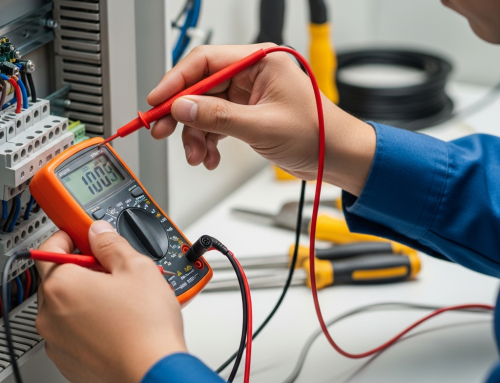
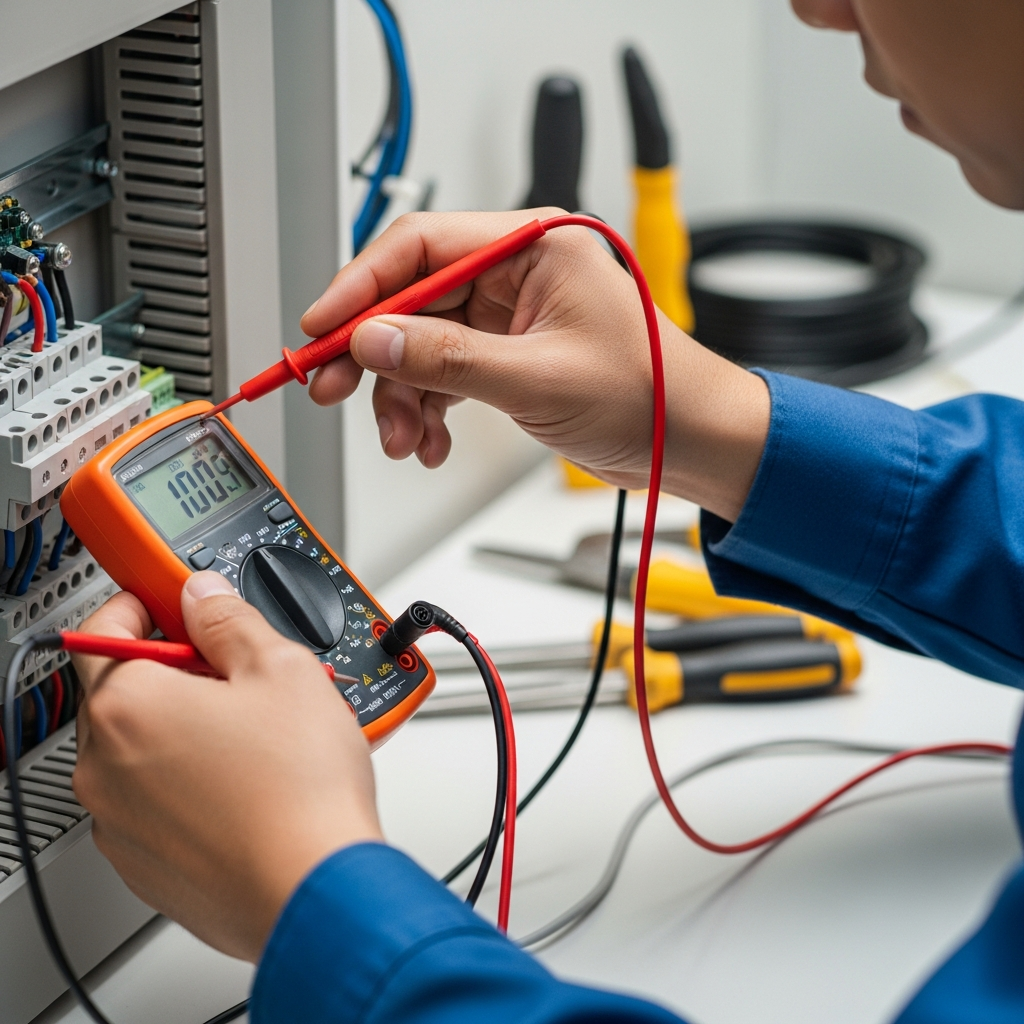
When a professional electrician shows up, they’re not going to immediately start ripping into your walls. The good ones will do a thorough assessment first. They’ll test outlets, check your panel, maybe even use some fancy equipment that goes beep-beep-beep to detect issues you can’t see.
This inspection phase is crucial – and it might uncover problems you didn’t even know existed. Don’t panic if they find more issues than you bargained for. Old homes especially tend to have… let’s call them “surprises” hiding behind the walls.
The Reality of Costs and Timelines
Let’s talk money for a minute, because I know that’s what you’re really wondering about. Simple fixes might run you a couple hundred dollars. But major electrical work? That can climb into the thousands pretty quickly.
Before you start hyperventilating – remember that this is your home’s safety system we’re talking about. It’s not just about convenience; it’s about preventing fires, electrocution, and all those scary things we don’t like to think about.
Timeline-wise, here’s what you can generally expect
– Minor repairs: Same day or next day – Panel upgrades: 1-3 days (and you’ll likely be without power for several hours) – Partial rewiring: 3-7 days – Whole-house rewiring: 1-2 weeks (and yes, it’s as disruptive as it sounds)
Living Through the Disruption
If you’re facing major electrical work, prepare yourself – it’s going to be inconvenient. Your power will be shut off periodically, you might have holes in your walls for a while, and there will definitely be some dust and noise.
Stock up on flashlights, charge your devices, and maybe plan a few dinners out. Think of it as a brief camping adventure… inside your own home. With better bathrooms.
After the Work is Done
Once everything’s finished, your electrician should walk you through what they did and test everything with you watching. Don’t be shy about asking questions – this is your home, and you deserve to understand what happened.
You’ll get permits and documentation for any major work, which is actually great for your home’s resale value down the road. Future buyers love seeing that electrical work was done properly and legally.
When to Act vs. When to Wait
Some electrical issues demand immediate attention – we’re talking sparks, burning smells, or frequent breaker trips. Those are “call an electrician today” situations, not “I’ll get around to it next month” problems.
But other issues – like that slightly warm outlet cover or the light switch that’s been a little finicky – can usually wait a few weeks while you get quotes and schedule the work properly.
Moving Forward with Confidence
Look, dealing with electrical problems isn’t anyone’s idea of fun. But addressing them properly means you can flip switches and plug things in without that nagging worry in the back of your mind.
Your home’s electrical system works hard every single day. Giving it the attention it needs isn’t just maintenance – it’s peace of mind. And honestly? That’s worth quite a lot.
Take a deep breath, make those calls, and remember that fixing these issues now prevents much bigger headaches later. Your future self will definitely thank you.
Look, I’ll be honest with you – I know we’ve covered a lot of warning signs here, and it might feel a bit overwhelming. Maybe you’re sitting there thinking about that flickering light in your hallway or remembering how the breaker tripped again yesterday… and wondering if you’ve been ignoring things you shouldn’t have.
Here’s the thing – you’re not being dramatic if any of these signs sound familiar. Your home is literally trying to tell you something, and those little electrical hiccups? They’re like your house’s way of tapping you on the shoulder, saying “hey, we need to talk.”
I get it, though. Nobody wants to deal with electrical issues. They feel mysterious and expensive and, honestly, a little scary. You might be thinking you can just… live with that outlet that doesn’t work quite right, or maybe you’ve gotten used to jiggling the light switch just so. But here’s what I’ve learned from talking to countless people about their home safety – those small compromises we make? They have a way of growing into bigger problems.
The good news is that most electrical issues, when caught early, aren’t nearly as dramatic or costly as we imagine them to be. That warm outlet cover might just need a simple fix. Those flickering lights could be solved with a straightforward repair. Even some of the scarier-sounding problems often have surprisingly manageable solutions.
But – and this is important – electrical work isn’t really a DIY weekend project. I know there are YouTube videos for everything these days, but your home’s electrical system is one area where you absolutely want a professional. Think of it like this: you wouldn’t perform surgery on yourself just because you found a how-to guide, right?
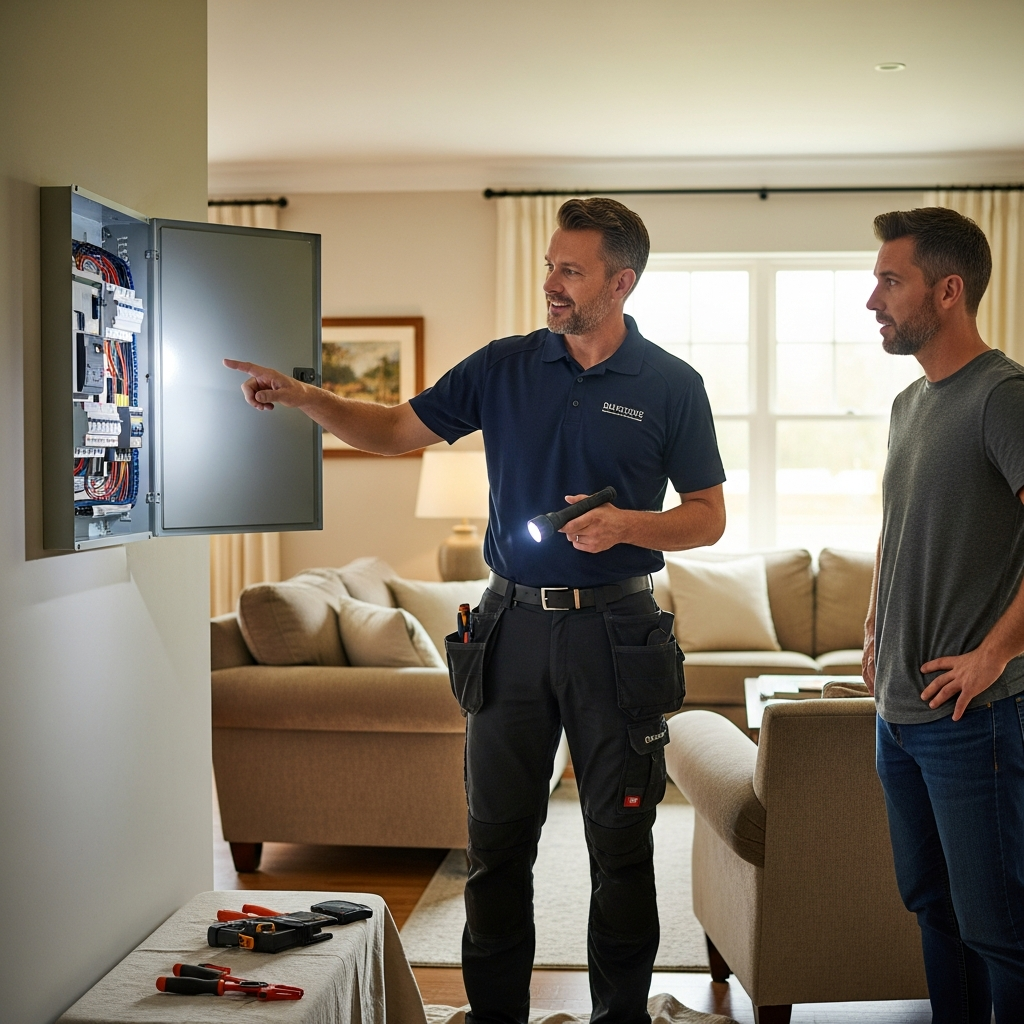
What really matters is that you don’t have to figure this out alone. A qualified electrician can walk through your home, explain exactly what’s happening in terms that actually make sense, and help you prioritize what needs attention first. They’re not trying to scare you or sell you things you don’t need – they just want your home to be safe.
And honestly? There’s something incredibly peaceful about knowing your electrical system is working properly. No more wondering if that burning smell is something serious. No more avoiding certain outlets or switches. Just a home that works the way it should.
If any of what we’ve talked about today resonates with you – even just a little nagging feeling that something might not be quite right – trust that instinct. Your safety and peace of mind are worth so much more than putting off a conversation with a professional.
You don’t have to have all the answers or know exactly what’s wrong. A simple call to a licensed electrician in your area can give you clarity about what’s happening in your home and what, if anything, needs attention. Most of them are happy to answer questions and help you understand your options.
Your home should feel safe and comfortable. If electrical concerns are keeping that from being true, you deserve to get the help you need to fix that.