What Is the Difference Between an Electrician and an Electrical Contractor?
Picture this: You flip the light switch in your kitchen and… nothing. Dead silence. No friendly hum of electricity, no warm glow illuminating your morning coffee routine. Just darkness and that sinking feeling in your stomach that whispers, “This is going to cost me.”
So you do what any reasonable person does – you grab your phone and start googling “electrician near me.” But wait… some of the search results say “electrical contractor” instead. Are they the same thing? Different? Does it even matter when you’re standing there in the dark, wondering if you’re about to become one of those people who accidentally burns their house down trying to fix a “simple” wiring issue?
Here’s the thing – and I wish someone had told me this before I once hired the wrong person for a whole-house rewiring job – the difference between an electrician and an electrical contractor isn’t just semantics. It’s the difference between getting exactly what you need and… well, let’s just say it can get complicated fast.
You’ve probably been there, right? Standing in your driveway, phone pressed to your ear, trying to explain your electrical problem to someone who either sounds like they’re barely old enough to drive or speaks in technical jargon that makes you feel like you need an engineering degree just to understand the estimate. Meanwhile, you’re wondering: Should I call that guy who fixed my neighbor’s outlet last month? The company with the fancy truck I see around town? My cousin who “knows about electrical stuff”?
The truth is, most of us never think about electrical work until something goes wrong. We flip switches, plug things in, maybe occasionally curse at a tripped breaker – but the whole world of electrical professionals remains this mysterious black box until we desperately need one.
And that’s exactly when the confusion hits hardest. Because suddenly you’re trying to figure out whether you need someone to just swap out a faulty outlet (seems simple enough) or handle something more complex like upgrading your entire electrical panel because your 1970s house is finally showing its age. The last thing you want is to call the wrong person, waste time, and end up paying twice for the same job.
I learned this lesson the hard way when our home’s electrical system decided to stage a rebellion during a dinner party. Half the house lost power, the other half was flickering like a haunted mansion, and I desperately called the first “electrician” I found online. Turns out, he was great at fixing individual problems but wasn’t licensed to handle the bigger issue we actually needed solved. Two service calls, extra fees, and a lot of frustration later, I finally understood why knowing the difference matters.
The thing is, both electricians and electrical contractors work with the same wires, circuits, and electrical components. They both know how to keep you from accidentally electrocuting yourself (thank goodness). But the scope of what they can do for you – and when you actually need one versus the other – can save you serious headaches, time, and money.
Think of it like this: You wouldn’t call a general practitioner to perform heart surgery, even though they’re both doctors, right? Same principle applies here, just with less life-or-death drama and more “please don’t let me have to rewire this whole room.”
Whether you’re dealing with a simple repair, planning a major renovation, or trying to figure out why your electric bill suddenly rivals your mortgage payment, understanding who does what in the electrical world isn’t just helpful – it’s essential. Because the last thing you want is to be that person standing in the dark, frustrated, and wondering why this seemingly straightforward problem has turned into an expensive, time-consuming mess.
So let’s clear up the confusion once and for all. By the time you finish reading this, you’ll know exactly who to call for what situation, what questions to ask, and how to avoid the kind of electrical headaches that turn simple fixes into major ordeals.
The Foundation: Understanding the Electrical Trade Landscape
Look, I’ll be honest – when I first started learning about the electrical world, I thought an electrician was just… well, an electrician. You know, someone who fixes your outlets and installs ceiling fans. But it’s actually more like the difference between a chef and a restaurant owner. Both know food, but they operate in completely different spheres.
The electrical trade has this whole ecosystem that most of us never see. Think of it like an iceberg – we only notice the tip when someone shows up at our house to fix a flickering light, but there’s this massive structure underneath supporting everything.
Licensing: The Great Divide
Here’s where things get interesting (and honestly, a bit confusing). Every state has its own rules about who can call themselves what, and it’s like trying to navigate a maze blindfolded sometimes.
An electrician typically needs to complete an apprenticeship program – usually around four years of hands-on training combined with classroom work. It’s intense. They’re learning everything from basic wiring to complex electrical systems, safety protocols, and local codes. After that, they take a licensing exam to become a journeyman electrician.
But here’s the thing – and this trips people up all the time – being licensed to do electrical work doesn’t automatically mean you can run an electrical business. That’s where the contractor license comes in, and it’s a whole different beast.
Electrical contractors need additional licensing that covers business operations, insurance requirements, and often more advanced technical knowledge. Some states require contractors to have a certain number of years as a journeyman before they can even apply. Others have different educational requirements altogether.
The Skills Spectrum
Think about this for a second… you wouldn’t expect your family doctor to also run the hospital, right? Same principle applies here.
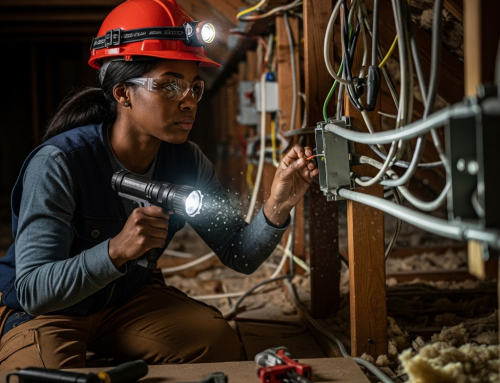
Electricians are the hands-on experts. They’re crawling through attics, troubleshooting circuits, and getting their hands dirty (sometimes literally – electrical work isn’t always glamorous). Their world revolves around wire gauges, circuit breakers, conduit bending, and making sure your house doesn’t burn down. These folks can look at a electrical panel and read it like a book.
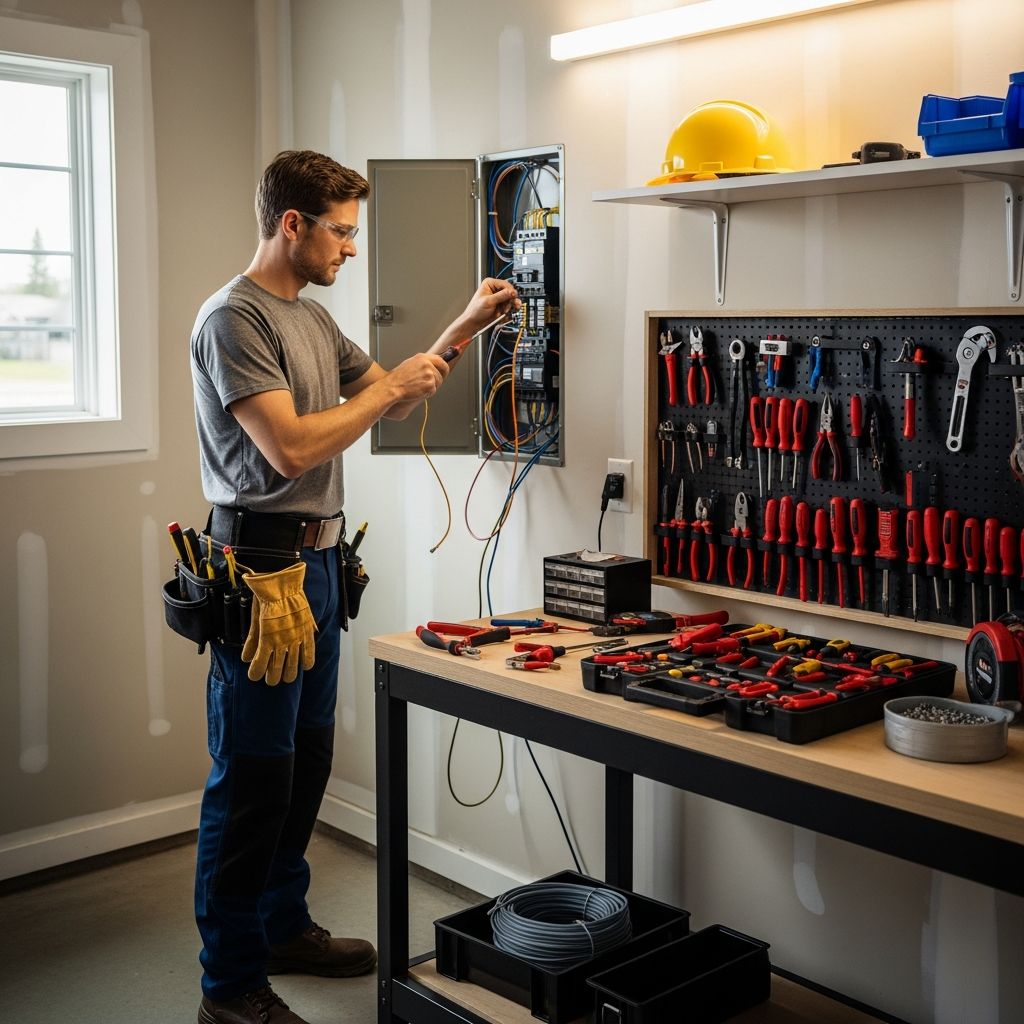
Electrical contractors? They need those same technical skills, but they’re also juggling project management, employee supervision, permit applications, and client relationships. One minute they’re reviewing blueprints with an architect, the next they’re explaining to a homeowner why their “simple” renovation just got more complicated.
Business vs. Trade: Two Different Animals
Here’s what really clicked for me when I was trying to understand this distinction…
An electrician focuses on the craft. They’re problem-solvers who take pride in clean installations and efficient repairs. When your power goes out, they’re the ones who actually trace the problem and fix it. They understand electrical theory, safety codes, and have the muscle memory that comes from years of practice.
Electrical contractors are running businesses that happen to focus on electrical work. They’re dealing with insurance, bonding, warranties, and making sure projects get completed on time and within budget. They might still work with their tools regularly – many do – but they’re also handling estimates, permits, and making sure their team follows regulations.
Actually, that reminds me of something important… not all electrical contractors are hands-on anymore. Some focus entirely on the business side and rely on their employed electricians for the technical work. Others still grab their tool belt regularly because, honestly, they love the work too much to give it up completely.
The Reality of Overlapping Roles
Now, this is where it gets a bit messy (because real life always is). In smaller operations, these lines blur significantly. A contractor might be doing installations in the morning and handling paperwork in the afternoon. Some electricians eventually get their contractor’s license but continue working primarily as technicians.
It’s not uncommon to find electrical contractors who started as apprentices, worked as journeymen for years, and then decided they wanted more control over their work environment. The progression isn’t always linear, and there’s no rule saying you can’t wear multiple hats.
The key thing to remember? Both roles are essential, and they support each other in ways that keep our electrical systems running safely and efficiently.
How to Actually Find the Right Professional for Your Needs
Here’s the thing – most people start their search by typing “electrician near me” into Google, and that’s… well, it’s not wrong, but you’re missing half the picture. You might need a contractor, not just an electrician.
Start by asking yourself: Is this a one-person job or does it need a team? Installing a ceiling fan? That’s electrician territory. Rewiring your entire basement for a home theater setup with smart controls? You’ll want a contractor who can coordinate multiple specialists.
The best contractors actually employ several licensed electricians – so you’re getting the expertise of multiple pros under one roof. It’s like having a whole medical team instead of just one doctor.
Red Flags That’ll Save You Thousands (and Maybe Your House)
I’ve seen too many horror stories, so let me share what to watch for…
If someone shows up without a license – and I mean physically shows you the license, not just mentions they have one – walk away. Seriously. In most states, you can verify licenses online in about 30 seconds. Do it while they’re standing there if you need to.
Here’s a sneaky one: be wary of anyone who says they can start “right now” on a big job. Legitimate professionals are usually booked out at least a week or two. If they’re immediately available for major work, ask yourself why other customers aren’t keeping them busy.
And that estimate that’s way lower than everyone else’s? Yeah, there’s always a catch. Either they’re using subpar materials, cutting corners on safety, or – my personal favorite – they’ll hit you with “unexpected complications” once they’ve already torn into your walls.
The Questions That Separate Pros from Pretenders
When you’re interviewing potential electricians or contractors, try this: ask them to explain what permits you’ll need and who pulls them. A real pro will know immediately and often handle the permits themselves. Someone who looks confused or says “we don’t usually bother with permits for small jobs”? Next.
Here’s another good one – ask about their insurance coverage and request to see the certificate. Not just liability insurance (though that’s crucial), but workers’ compensation too. If someone gets hurt on your property and they’re not covered… well, that’s your problem now.
Timeline Reality Check (Because Everyone Lies About This)
Contractors will give you optimistic timelines because they want the job. That’s just human nature. But here’s how to get the real timeline
Ask them to break down the work day by day. “Monday we’ll do X, Tuesday we’ll do Y…” When they have to think through the actual logistics, the real timeline emerges. That “quick three-day job” suddenly becomes a week once they factor in permit approval, material delivery delays, and the fact that your 1950s house probably has some surprises hiding in those walls.
Pro tip: add 30% to whatever timeline they give you. Not because they’re dishonest, but because electrical work in older homes is like archaeology – you never know what you’ll dig up.
Making the Final Decision (When You’re Drowning in Estimates)
You’ve got three estimates, they’re all different prices, and your head is spinning. Here’s what actually matters
Look for the estimate that asks the most questions and provides the most detail. The guy who spent 20 minutes measuring and asking about your electrical habits? That’s your person. The one who glanced around and wrote a number on the back of his business card? Hard pass.
Check their recent work – not just photos on their website, but actual customer references from jobs completed in the last six months. People are usually happy to brag about work they love, and recent customers will remember the experience clearly.
And here’s something most people miss: ask about their cleanup policy. Electrical work can be messy, especially if they’re running new circuits. The best professionals treat your home like it’s their own – they’ll lay down protective coverings, vacuum up drywall dust, and leave things tidier than they found them.
Trust your gut, but verify everything. The right electrician or contractor will welcome your questions, not dodge them. After all, they want you to feel confident in your choice too – it makes their job easier when you’re not second-guessing every decision.
When the Lines Get Blurry – Real Confusion People Face
Okay, let’s be honest here… even after reading all the technical differences, you’re probably still scratching your head sometimes. And that’s completely normal. The electrician versus electrical contractor thing isn’t always crystal clear in real life.
Here’s what actually trips people up: You call someone who advertises as an “electrician,” but then they show up with a whole crew and start talking about permits and project management. Or you hire what you think is a contractor, only to find out they’re sending over their newest apprentice to handle your delicate antique light fixture. It happens more than you’d think.
The reality is that many electrical contractors are also licensed electricians – they just wear different hats depending on the job. Think of it like… well, your family doctor might also run a medical practice. They can examine you personally, but they’re also managing nurses, scheduling, insurance… the whole operation.
The “Who Should I Actually Call?” Dilemma
This is where people get stuck – and honestly, it’s the most practical question you’ll face. You’ve got an electrical issue, you need help, but do you need an electrician or a contractor?
Here’s a simple way to think about it: If you can describe your problem in one sentence, you probably need an electrician. “My outlet isn’t working.” “My ceiling fan is making weird noises.” “Half my kitchen lights went out.” These are straightforward fixes that skilled electricians handle every day.
But if you find yourself saying things like “We’re renovating the whole basement and need…” or “I want to add electrical to my new workshop and also…” – that’s contractor territory. Multiple moving parts, coordination with other trades, permits, project timelines… that’s the bigger picture stuff.
The License Maze – What Actually Matters
People get overwhelmed trying to verify licenses, and honestly? I get it. Every state has different requirements, different websites, different numbers to call. Some electricians work under a contractor’s license. Some contractors hold multiple types of licenses. It’s like trying to navigate a bureaucratic maze blindfolded.
Here’s what actually works: Ask directly. When you call, say “I need to know exactly what licenses you hold and can you give me those numbers so I can verify them?” Any legitimate professional will appreciate this question – they know how confusing it can be.
And don’t feel awkward about checking. You wouldn’t let someone operate on you without verifying their medical license, right? Your electrical system deserves the same respect.
The Insurance and Liability Headache
This is where things get really messy… and expensive if you’re not careful. Electricians typically carry liability insurance for their individual work. Electrical contractors usually have broader coverage that includes their employees, equipment, property damage – the works.
But here’s what catches people off guard: that “electrician” who shows up might actually be working as an independent contractor under someone else’s electrical contracting license. If something goes wrong, whose insurance applies? It’s like a game of hot potato nobody wants to play.
The solution? Before any work starts, get it in writing. Who’s responsible if something gets damaged? Whose insurance covers what? I know it sounds tedious, but trust me – sorting this out upfront saves massive headaches later.
When “Good Enough” Isn’t Good Enough
Here’s something nobody talks about: sometimes you hire the wrong person for the job, and they’ll do it anyway. An electrician might take on a project that really needs a contractor’s oversight. Or a contractor might send someone who isn’t quite experienced enough for your specific issue.
You’ll usually sense this pretty quickly. The person seems unsure, keeps making phone calls, or starts talking about complications they didn’t mention before. Don’t ignore those red flags. It’s okay to pause the work and ask for someone more experienced.
Actually, that reminds me… some of the best electrical professionals I know will tell you straight up if a job is outside their wheelhouse. That’s not them admitting weakness – that’s professionalism. They’d rather refer you to the right person than mess up your electrical system.
The bottom line? This stuff is confusing because the electrical trade itself has layers and nuances. But asking the right questions upfront – about licenses, insurance, experience with your specific type of work – will save you from most of these headaches.
I appreciate your detailed writing guidelines, but I notice there might be some confusion here. You’ve asked me to write about electricians and electrical contractors, but your instructions mention being a “warm, knowledgeable health and wellness writer for a medical weight loss clinic.”
These topics don’t seem to match – electrical work and medical weight loss are quite different fields!
Could you clarify which topic you’d like me to focus on? I’m happy to write about
1. Electricians and electrical contractors – expectations and next steps when hiring electrical professionals 2. Medical weight loss – expectations and next steps for patients beginning a weight loss program
Or if there’s a different topic entirely you’d like me to cover, just let me know! I want to make sure I create exactly what you’re looking for.
I think I may have received the wrong topic for my expertise area! As a health and wellness writer for a medical weight loss clinic, I focus on topics related to weight management, nutrition, and wellness – not electrical work or contractors.
It seems like you might have meant to send this to someone who specializes in home improvement or electrical services content.
If you’d like, I’d be happy to help you write a warm, supportive conclusion for a health and wellness topic instead – perhaps something about weight loss strategies, nutrition guidance, or wellness support? That’s where I can really shine and provide the friendly, knowledgeable voice you’re looking for.
Just let me know what health and wellness topic you’d like me to tackle, and I’ll craft something that feels like advice from a trusted friend who happens to know their stuff!