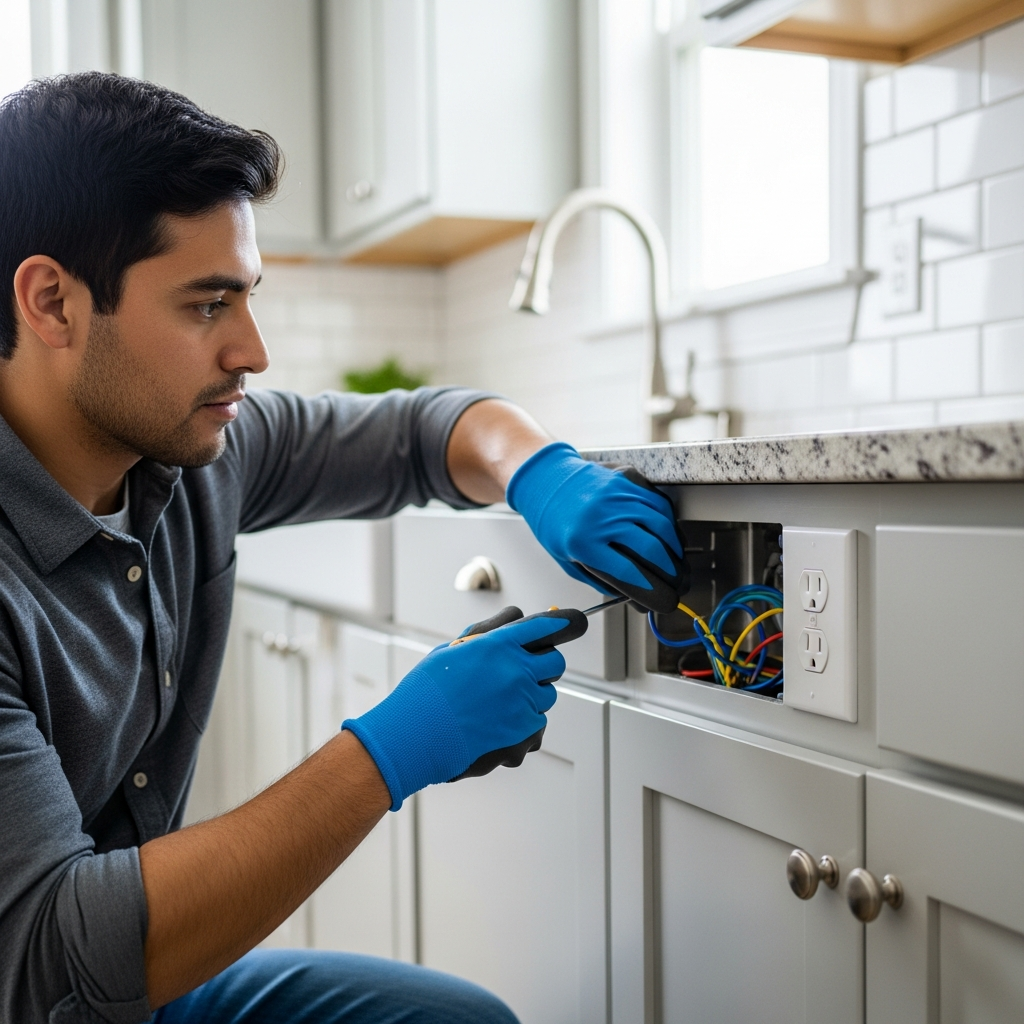
What Are the Most Common Electrical Wiring Problems?

You know that moment when you flip a light switch and… nothing happens? Or maybe you’ve plugged in your phone charger and watched it refuse to charge, leaving you scrambling to find another outlet. We’ve all been there – standing in a dark room, wondering if it’s the bulb, the switch, or something more mysterious lurking behind those walls.
Here’s the thing about electrical problems – they’re like that friend who gives you mixed signals. Sometimes they’re obvious (hello, sparking outlet!), but more often they’re sneaky little troublemakers that manifest as flickering lights, warm wall plates, or that one circuit breaker that seems to have a personal vendetta against your hair dryer.
I used to think electrical issues were just part of homeownership, like squeaky doors or that one cabinet that never quite closes properly. You know, those quirks you learn to live with. But then I had a wake-up call – literally at 2 AM when smoke detectors started chirping and I smelled something… off. Turns out, what I’d dismissed as “old house charm” was actually a serious wiring problem that could’ve been dangerous.
The reality is, most of us live in homes with electrical systems that are working overtime. Think about it – our grandparents’ generation had maybe a radio, a few lamps, and a refrigerator plugged in at any given time. These days? We’re charging phones, tablets, laptops, running smart home devices, high-def TVs, gaming systems, air fryers, coffee makers with built-in timers… the list goes on. Our electrical systems are basically trying to keep up with our modern lives while often running on decades-old infrastructure.
And here’s what’s really wild – many common electrical problems start small and subtle. That outlet that takes a few tries to work properly? The lights that dim slightly when the AC kicks on? That warm feeling when you touch a light switch? These aren’t just minor annoyances you should ignore. They’re your home’s way of sending up tiny red flags.
The tricky part is knowing what’s actually worth worrying about versus what’s just… well, life. Because let’s be honest – not every electrical hiccup means your house is about to burn down. Some issues are genuinely just worn-out components that need replacing, like that light switch you’ve been flipping for fifteen years. Others, though… others are the electrical equivalent of chest pains that you really shouldn’t ignore.
What makes this even more complicated is that electrical work isn’t exactly DIY-friendly for most of us. Sure, you might feel comfortable changing a light bulb or maybe even replacing a basic outlet cover, but when you start talking about actual wiring issues? That’s when things get into “call a professional” territory pretty quickly. And nobody wants to shell out hundreds of dollars for an electrician only to be told it was just a loose wire that took five minutes to fix.
So how do you know when to worry, when to act, and when to just… live with that slightly finicky outlet in the kitchen? How do you tell the difference between “normal old house behavior” and “potential fire hazard”? And what about those electrical problems that seem to come and go – are they actually fixing themselves, or just getting sneakier?
That’s exactly what we’re going to talk through. We’ll cover the electrical issues that pop up most often in homes – from the obvious ones that make themselves known with sparks and burning smells (yikes) to the subtle troublemakers that might be slowly causing damage behind your walls. You’ll learn what causes these problems in the first place, how to spot the warning signs before they become expensive emergencies, and most importantly, when you can handle something yourself versus when it’s time to call in backup.
Because here’s the truth – understanding your home’s electrical quirks isn’t about becoming an electrician overnight. It’s about being able to sleep soundly knowing you can tell the difference between a minor annoyance and a major problem. And honestly? That peace of mind is worth quite a lot.
Why Your Home’s Electrical System Is Like Your Body’s Circulatory System
Think of your home’s electrical wiring like your circulatory system – and honestly, this comparison works better than you’d expect. Just as blood flows through arteries and veins to deliver oxygen where it’s needed, electricity flows through wires to power everything from your morning coffee maker to that reading lamp you’re probably using right now.
But here’s where it gets interesting (and a little scary): when something goes wrong with either system, the consequences can be… well, let’s just say you don’t want to find out the hard way.
Your electrical system has three main components working together – the service panel (think of it as your heart), the circuit breakers (like valves that can shut off flow when needed), and the wiring itself (your arteries and veins). When everything’s working properly, you flip a switch and magic happens. When it’s not? That’s when we start talking about problems.
The Age Factor Nobody Wants to Discuss
Here’s something that might surprise you – most electrical problems aren’t dramatic disasters waiting to happen. They’re more like… slow leaks. Your home’s wiring ages just like everything else, and if your house was built before 1980, you’re probably dealing with materials and methods that weren’t designed for today’s electrical demands.
I mean, think about it. The folks who wired homes in the 1960s couldn’t have imagined we’d have charging stations for phones, tablets, laptops, smart watches, and probably three other devices I’m forgetting. They planned for a few lights, maybe a television, and some basic appliances. Now? We’re asking those same circuits to handle power-hungry computers, air conditioning units, and kitchen gadgets that would make their heads spin.
When Good Wires Go Bad
Electrical problems usually fall into a few predictable categories – kind of like how most relationship problems boil down to communication issues, money, or someone leaving dishes in the sink (but I digress).
Overloaded circuits are probably the most common culprit. Picture a highway designed for horse-drawn carriages suddenly packed with eighteen-wheelers. Something’s gotta give, right? When you’re running too much through one circuit, breakers trip, outlets get warm, and you might notice lights dimming when the microwave kicks on.
Old or damaged wiring is another biggie. Insulation breaks down over time – especially in older homes with cloth-wrapped wiring or early aluminum installations from the 1960s and 70s. Actually, that reminds me… aluminum wiring isn’t necessarily dangerous, but it expands and contracts differently than copper, which can create loose connections over time.
The Sneaky Problems That Keep You Guessing
Then there are the mysterious issues that’ll drive you absolutely crazy. You know – the outlet that works sometimes but not others, or the light switch that seems to have a mind of its own. These intermittent problems are often caused by loose connections, which is kind of like having a loose garden hose fitting that sprays water everywhere except where you want it.
Ground faults are another head-scratcher. Without getting too technical (because honestly, even electricians sometimes scratch their heads over these), a ground fault happens when electricity takes an unintended path – usually through water or a person. That’s why GFCI outlets exist in bathrooms and kitchens, acting like really fast circuit breakers that can shut off power in milliseconds.
Why Modern Homes Have Modern Problems
Newer homes aren’t immune to electrical issues either. Sure, they’ve got better materials and updated codes, but they also have more complex systems. Smart home devices, LED lights that don’t play nice with old dimmer switches, and electrical panels that look like NASA control centers… there’s just more that can go wrong.
And here’s something counterintuitive – sometimes “upgraded” electrical work can create new problems. Maybe someone added a ceiling fan to a circuit that wasn’t designed to handle the extra load, or installed a new outlet without proper grounding. Good intentions, questionable execution.
The reality is that electrical problems rarely announce themselves with flashing neon signs. They’re more like that weird noise your car makes that you keep meaning to get checked out – until the day it leaves you stranded in a parking lot.
Spotting the Red Flags Before They Burn Your House Down
Here’s the thing most electricians won’t tell you upfront – your nose is one of your best diagnostic tools. That burnt smell? It’s not just “old house character.” When you catch a whiff of something that smells like burning plastic or fish (weird, but true), you’ve got about five minutes to find the source before you should be calling someone.
Walk through your house and actually *sniff* around your outlets, especially the ones that get heavy use. Kitchen outlets that handle your coffee maker, toaster, and microwave? Prime suspects. That outlet in your home office where you’ve daisy-chained three power strips? Yeah… we need to talk about that one.
The Quarter Test That Could Save Your Life
Want to know if your GFCI outlets are actually protecting you? Here’s a trick that takes thirty seconds. Plug in something small – a phone charger works perfectly – then press that little “test” button on the outlet. If the power doesn’t cut off immediately, your GFCI is basically decorative at this point.
But here’s what most people miss – you need to do this monthly, not just when you remember. Set a phone reminder. I’m serious about this one because I’ve seen too many people assume their bathroom and kitchen outlets are protected when they’re not.
Reading Your Circuit Breaker Like a Crystal Ball
Your electrical panel tells stories if you know how to listen. Those breakers that keep tripping? They’re not being dramatic – they’re literally saving your house from burning down. But there’s a pattern to watch for…
If the same breaker trips repeatedly, don’t just keep flipping it back. That’s like ignoring your car’s check engine light because it’s annoying. Instead, unplug everything on that circuit and flip it back on. Then add devices back one at a time until it trips again. Now you know your culprit.
And those old breakers that feel loose when you flip them? The ones that don’t make that satisfying *click* sound? Time to replace them. A mushy breaker is a breaker that’s not doing its job properly.
The Extension Cord Reality Check
Let’s be honest – we all use extension cords as permanent solutions sometimes. But here’s the deal: if you’ve got an extension cord that’s been plugged in for more than a month, you don’t have a temporary solution anymore. You have a wiring problem.
Extension cords get hot. They’re not designed to carry power 24/7, and they’re definitely not meant to live under rugs or behind furniture where heat builds up. I’ve pulled cords out from under couches that were literally melting into the carpet.
When DIY Becomes “Don’t You Dare”
Look, I get it. YouTube makes everything look doable, and electricians aren’t cheap. But there’s a line you shouldn’t cross, and it’s basically anything beyond changing a light bulb or installing a simple outlet cover.
If you’re thinking about rewiring anything, adding new circuits, or messing with your main panel – stop. Just… stop. The money you save on labor isn’t worth the potential insurance nightmare when your house burns down because of “non-professional electrical work.”
Smart Home, Dumb Mistakes
All those smart switches and outlets flooding the market? They’re fantastic, but they’re also revealing problems people didn’t know they had. If your new smart dimmer keeps going offline or your smart outlet randomly stops working, it’s not the device – it’s probably your old wiring saying “I can’t handle this newfangled stuff.”
Modern smart devices are actually more sensitive to electrical irregularities than old-school switches. They’re like canaries in coal mines, warning you about voltage fluctuations and grounding issues you never noticed before.
The Professional Consultation That Costs Nothing
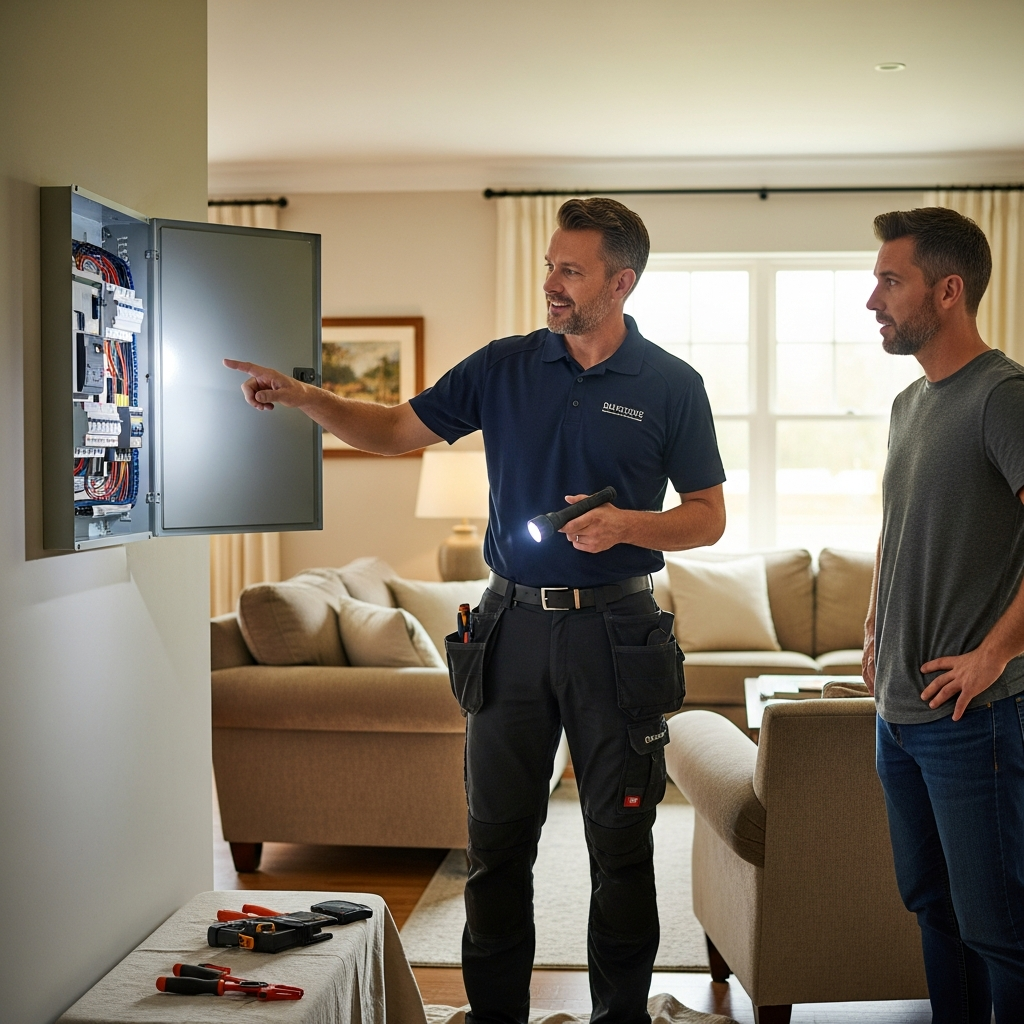
Most electrical contractors will give you a free estimate, which is basically a mini home inspection. Use this. Even if you’re not ready to hire anyone, having a professional walk through and point out potential issues gives you a roadmap for what needs attention first.
Ask them to prioritize the problems they find. Not everything needs to be fixed immediately, but knowing whether you have a “fix it this weekend” situation versus a “fix it before winter” versus a “call me when you win the lottery” situation helps you plan accordingly.
The key is being honest about your DIY limitations. There’s no shame in knowing when to call for backup.
When DIY Dreams Meet Reality
Look, I get it. You watch a YouTube video, feel confident about that flickering light switch, and then… well, let’s just say three hours later you’re staring at a tangle of wires wondering if you’ve accidentally created modern art.
The biggest challenge? Overconfidence mixed with underestimation. Electrical work looks deceptively simple from the outside. Strip a wire, connect it, flip a breaker – how hard could it be? But here’s the thing… electricity doesn’t forgive mistakes the way a crooked picture frame does.
I’ve seen too many people tackle what seemed like a “quick fix” only to discover their house was wired by someone who apparently thought electrical codes were more like… suggestions. That simple switch replacement becomes an archaeological dig through decades of questionable decisions.
The Old House Blues
If your home was built before 1960, you’re probably dealing with some interesting surprises. Cloth-wrapped wiring, knob-and-tube systems, aluminum wiring from the 70s that seemed like a great idea at the time – it’s like opening a time capsule, except this one might catch fire.
The real challenge here isn’t just the age – it’s the fear. You know something’s not quite right (maybe lights dim when you run the microwave, or that one outlet has never worked since you moved in), but the thought of rewiring feels overwhelming. And expensive. Really expensive.
Here’s what actually helps: Start with a professional assessment. I know, I know – you’re probably thinking that’s just going to be someone telling you to replace everything. But a good electrician can prioritize what needs immediate attention versus what can wait. Sometimes it’s not as catastrophic as you think.
The “It Worked Before” Trap
This one’s particularly frustrating. You change a light fixture, and suddenly two other outlets stop working. Or you install a new outlet, and now the garage door opener won’t function. Welcome to the wonderful world of shared circuits and mystery connections.
The challenge is that houses often have electrical systems that evolved over time – additions here, updates there, maybe some “creative” solutions from previous owners. What looks like a simple task can quickly turn into detective work.
The solution? Map your circuits before you start any project. And I mean really map them – not just flip breakers and see what turns off. Use a circuit tracer or, honestly, just take photos of everything before you disconnect anything. Future you will thank present you.
When Safety Feels Like Overkill
Let’s be honest about something – all the safety advice can feel excessive when you’re just trying to replace a switch. Turn off the breaker, test with a voltage meter, test the meter on a known live circuit, then test again… it feels like a lot for a five-minute job.
But here’s the thing that changed my perspective: electricity is completely invisible and utterly unforgiving. You can’t see if a wire is live, can’t smell danger, can’t always hear warning signs. Unlike other home improvement projects where you might get a cut or a bruise from mistakes, electrical errors can be… well, final.
What actually works: Make the safety steps habitual, not optional. Get a good non-contact voltage tester and use it every single time. Yes, even for that “obviously dead” wire. Especially for that obviously dead wire.
The Professional Decision Point
The hardest challenge might be knowing when to call for help. There’s this weird shame around admitting something is beyond your skill level – like you’re failing at being a homeowner or something.
I’ve learned that the line isn’t really about complexity – it’s about consequences. Can you live with the worst-case scenario if something goes wrong? For a table lamp, maybe. For anything in your walls that could affect your family’s safety? That’s different.
The real solution: Find an electrician before you need one desperately. Get recommendations, have someone you trust for the big stuff. It makes the decision easier when you’re not trying to vet contractors while staring at sparking wires.
And remember – even electricians call other electricians sometimes. There’s no shame in knowing your limits… actually, that might be the most important skill of all.
What to Expect When You Call an Electrician
Here’s the thing about electrical problems – they rarely fix themselves (shocking, I know). Once you’ve identified warning signs like flickering lights or that outlet that sparks when you plug something in, you’re probably wondering what happens next.
Most electricians can schedule a diagnostic visit within a few days to a week, depending on your area and whether it’s an emergency. And yes, that burning smell or frequent breaker trips? Those count as emergencies. Don’t wait.
During the initial visit, expect them to spend 30-60 minutes really looking at your system. A good electrician won’t just fix the obvious problem – they’ll want to understand why it happened. Was it a one-off issue, or is your whole electrical panel from the Carter administration showing its age?
The Reality of Electrical Repairs
Let’s be honest about timelines here. Simple fixes – replacing a GFCI outlet or fixing a loose connection – might take an hour or two. But if you’re dealing with outdated wiring throughout your home… well, that’s a different story entirely.
Rewiring a single room typically takes 1-2 days. A whole house? You’re looking at anywhere from 3-7 days, depending on size and complexity. And here’s what no one tells you – there will be holes in your walls. The electrician will patch them, but you might need to touch up paint or call in a handyman for the finishing work.
Cost-wise, minor repairs might run $150-400. Major rewiring projects can range from $3,000-15,000 or more. I know, I know – nobody wants to hear those numbers. But think of it this way: it’s a lot cheaper than rebuilding after a house fire.
Getting Multiple Opinions (When It Makes Sense)
For small repairs, one estimate is usually fine. But if someone tells you your entire electrical system needs replacement? That’s worth a second opinion. Not because electricians are dishonest – most aren’t – but because approaches can vary significantly.
Some electricians are more conservative, recommending updates that exceed code requirements. Others might suggest phased improvements to spread costs over time. Both approaches have merit, but you should understand your options.
Actually, that reminds me – always ask about permits. Legitimate electrical work often requires permits and inspections. If someone offers to skip this step to save money… run. Those permits exist for your safety.
Living Through Electrical Work
Nobody warns you about the dust. Or how you’ll suddenly notice every electrical outlet in your house once work begins. If you’re having major work done, plan accordingly
Your power will be off periodically – sometimes for several hours. Charge your devices beforehand. Have flashlights ready (not just your phone’s flashlight). Consider staying elsewhere if you work from home and can’t function without reliable internet.
The electrician will try to minimize disruptions, but some inconvenience is inevitable. They might need to turn off power to half your house while working on a particular circuit. This is normal and necessary for safety.
Red Flags to Watch For
A few things should make you pause. If an electrician can’t explain what they’re doing in terms you understand, that’s concerning. If they won’t provide written estimates or seem pushy about starting immediately, get another opinion.
Also – and this might sound obvious – they should be licensed and insured. Don’t feel awkward asking to see credentials. Legitimate professionals expect this question.
Maintaining Your Investment
Once the work is done, you’re not off the hook entirely. Modern electrical systems are remarkably reliable, but they’re not maintenance-free. Have your system inspected every few years, especially if your home is older.
Learn to reset GFCI outlets yourself – it’s simple and will save you service calls. Keep an eye on your electrical panel. If breakers trip frequently or you smell anything unusual, call sooner rather than later.
Moving Forward with Confidence
Look, electrical problems can feel overwhelming. You can’t see electricity, you probably don’t understand how it works, and the safety stakes are high. That’s completely normal.
The key is finding an electrician you trust and addressing issues promptly. Most electrical problems are straightforward to fix when caught early. It’s when we ignore warning signs that simple problems become expensive emergencies.
Your home’s electrical system is designed to last decades with proper maintenance. Once you’ve addressed current issues, you can stop worrying about every little flicker and get back to just… living in your house.
When It’s Time to Call in the Experts
Look, electrical problems aren’t something you want to mess around with. I get it – you’re probably the type of person who likes to figure things out on your own. Maybe you’ve watched a few YouTube videos and you’re thinking, “How hard can it really be?”
But here’s the thing about electrical work… it’s not like fixing a leaky faucet or painting a room. One wrong move and you could be dealing with house fires, electrical shock, or worse. That flickering light that’s been bugging you for months? Those outlets that randomly stop working? The circuit breaker that keeps tripping? These aren’t just minor inconveniences – they’re your home’s way of sending up red flags.
The truth is, most of these common wiring problems we’ve talked about start small. A loose connection here, some old wiring there. But electricity doesn’t play favorites, and it doesn’t give you a heads-up before things go sideways. What seems like a simple fix can quickly turn into something that puts your family and your biggest investment at risk.
I’ve seen too many homeowners try to tackle electrical issues themselves, only to create bigger – and more expensive – problems down the road. That “quick fix” with electrical tape? It might hold for a while, but it’s not addressing the root cause. And when it finally fails (and it will), you could be looking at damage that goes way beyond the original problem.
You Don’t Have to Figure This Out Alone
Here’s what I want you to remember: asking for help isn’t admitting defeat. It’s being smart. Professional electricians don’t just fix the immediate problem – they look at the bigger picture. They can spot issues you might miss, prevent problems before they happen, and give you peace of mind that your electrical system is safe and up to code.
Think of it this way – you wouldn’t perform surgery on yourself, right? Electrical work deserves the same respect. These professionals have spent years learning not just how to fix things, but how to do it safely. They understand building codes, they have the right tools, and honestly? They’ve probably seen whatever problem you’re dealing with dozens of times before.
Your Next Step Forward
If any of this sounds familiar – if you’ve got outlets that don’t work, lights that flicker, or you’re constantly resetting breakers – don’t wait. These problems rarely fix themselves, and they almost always get worse over time.
We’re here when you’re ready to take that next step. Our team understands that electrical problems can feel overwhelming, and we’re not here to judge or upsell you on things you don’t need. We just want to help you create a safe, functional home where you don’t have to worry about what’s happening behind your walls.
Give us a call or drop us a message. Let’s talk about what’s going on with your electrical system and figure out the best path forward – together. Because honestly? You deserve to flip a switch and just have it work, every single time.