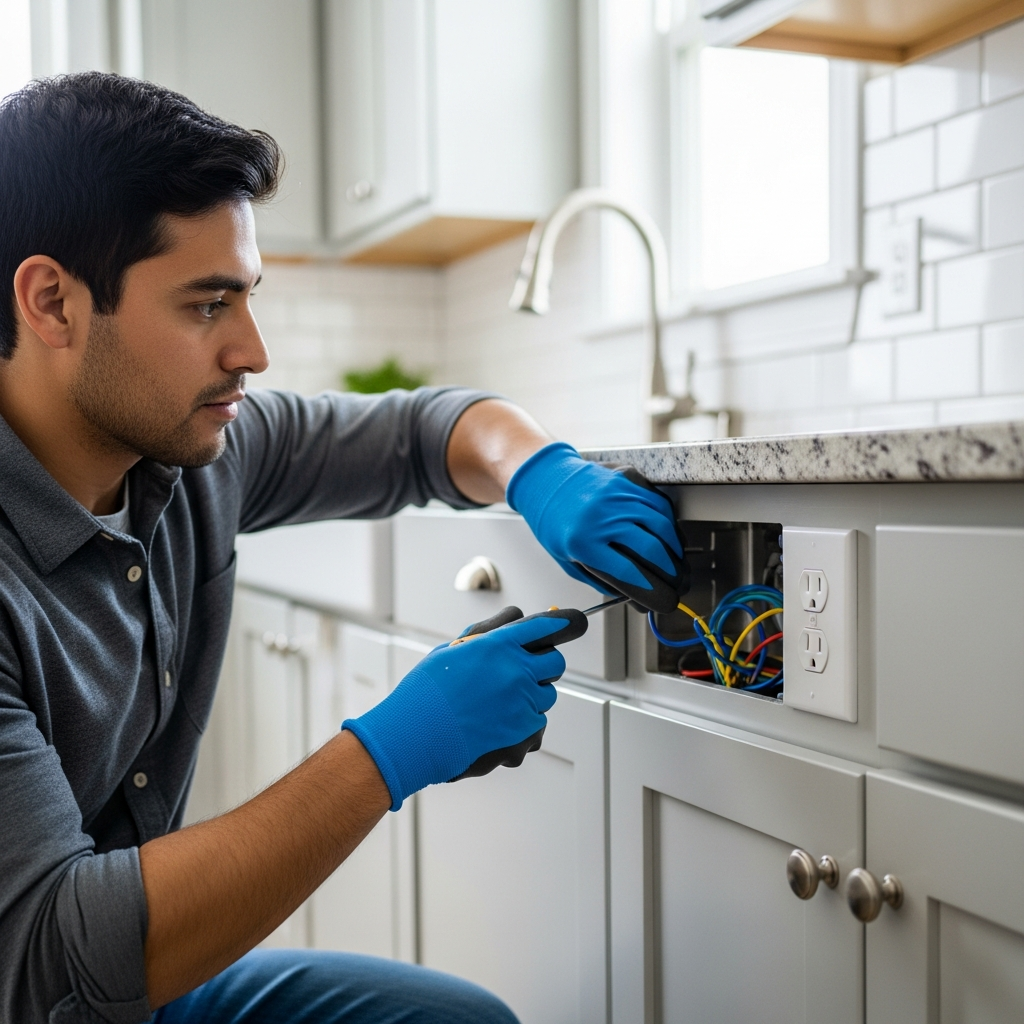
Fort Worth Commercial Electrician: Services for Businesses

Picture this: You’re in the middle of your biggest presentation of the quarter. The conference room is packed with potential clients, your slides are perfect, and you’re hitting every point with confidence. Then – without warning – the lights flicker once, twice, and everything goes dark. The projector dies. The air conditioning stops humming. And you’re left standing there in awkward silence, watching a $50,000 deal slip away in real time.
Sound familiar? Maybe it wasn’t during a presentation… maybe it was when your point-of-sale system crashed during Black Friday rush, or when your restaurant’s kitchen equipment shut down during dinner service, or when your manufacturing line ground to a halt because of faulty wiring that’s been “acting up” for months.
Here’s the thing about electrical problems in commercial spaces – they don’t just inconvenience you. They cost you money. Real money. The kind that shows up on your bottom line and makes you wonder why you didn’t address that flickering light or that circuit that keeps tripping months ago.
But here’s what’s really frustrating: most business owners in Fort Worth have no idea who to call when electrical issues strike. Sure, you might know a residential electrician (your neighbor’s cousin’s friend who rewired their kitchen), but commercial electrical work? That’s a completely different beast. We’re talking about three-phase power systems, industrial-grade equipment, complex building codes, and safety requirements that would make your head spin.
You can’t just slap a Band-Aid on commercial electrical problems and hope they go away. Trust me on this one – I’ve seen too many business owners try the “let’s just ignore it and maybe it’ll fix itself” approach. Spoiler alert: it doesn’t work. Actually, it usually makes things worse… and more expensive.
The reality is that your business’s electrical system is like the circulatory system of your operation. When it’s working properly, you don’t even think about it. But when something goes wrong – when outlets stop working, when your HVAC system starts acting up, when your lighting becomes unreliable – suddenly everything else starts falling apart too.
And let’s be honest here… finding a reliable commercial electrician in Fort Worth can feel like searching for a unicorn. You want someone who actually shows up when they say they will (revolutionary concept, I know). Someone who understands that your time is money and that “sometime next week” isn’t an acceptable timeline when your business is affected. Someone who can handle everything from basic outlet installations to complex industrial rewiring without making you feel like you need a second mortgage.
Maybe you’re dealing with an older building where the electrical system is held together with hopes and prayers. Or perhaps you’re expanding your operation and need to upgrade your electrical capacity. Could be that you’re just tired of calling different electricians for different problems – one for lighting, another for your HVAC electrical needs, yet another for your security system wiring.
Whatever brought you here, you’re probably wondering the same things every business owner in Fort Worth asks: What services should I expect from a commercial electrician? How do I know if someone can handle my specific type of business? What’s the difference between residential and commercial electrical work anyway? And – the big question – how do I find someone I can actually trust with my business’s electrical needs?
That’s exactly what we’re going to talk about. We’ll walk through the essential services you should expect, red flags to watch out for, and how to choose an electrician who won’t leave you in the dark (literally or figuratively). We’ll also cover some of the unique electrical challenges that Fort Worth businesses face – because yes, there are some regional considerations that matter more than you might think.
By the time we’re done, you’ll know exactly what questions to ask, what services you need, and how to avoid the electrical headaches that can turn a profitable day into a costly nightmare.
What Makes Commercial Electrical Work Different
You know how your home’s electrical system is like a small neighborhood – a few streets, manageable traffic, everyone knows where everything is? Well, commercial electrical systems are more like downtown Manhattan during rush hour. We’re talking massive power demands, complex routing, and systems that absolutely cannot fail when hundreds of people depend on them.
The thing is, most business owners don’t realize just how different commercial work really is. It’s not just “residential but bigger” – though I get why people think that. The voltage levels alone can be three to four times higher than what’s running through your house. And the codes? They’re… well, let’s just say they make the residential electrical code look like a pamphlet.
Understanding Your Business’s Electrical Appetite
Here’s something that catches people off guard: your business probably uses electricity in ways you’ve never even considered. Sure, there are the obvious things – lights, computers, that ancient copier that sounds like it’s having an existential crisis every time someone hits print. But then there’s the HVAC system that’s quietly drawing massive amounts of power, the security systems running 24/7, and don’t even get me started on what happens when you decide to add that new piece of equipment.
I’ve seen businesses that thought they had plenty of electrical capacity suddenly discover they’re maxed out when they try to install a new server rack or upgrade their lighting. It’s like thinking you have plenty of room in your car until you try to fit a couch in there.
The Code Maze (And Why It Actually Protects You)
Commercial electrical codes exist for good reason – they’re basically lessons learned from decades of “well, that didn’t go as planned” moments. The National Electrical Code gets updated every three years, and honestly? Sometimes it feels like they’re just making things more complicated. But here’s the thing – these codes are written in other people’s mistakes, and most of those mistakes involved things catching fire or people getting hurt.
Fort Worth follows these national codes but adds its own local requirements too. It’s a bit like having federal laws plus city ordinances – both matter, and yes, sometimes they seem to contradict each other. That’s where having someone who actually knows the local inspection process becomes worth their weight in copper wire.
The Inspection Reality Check
Let me tell you something that might save you a headache down the road – commercial electrical inspections are not suggestions. They’re mandatory, they’re thorough, and the inspector has seen every shortcut you might be tempted to take. I’ve watched contractors who thought they could slide by with residential-grade approaches get red-tagged faster than you can say “code violation.”
The inspection process typically happens in phases, which actually makes sense when you think about it. You can’t exactly inspect wiring that’s already buried behind finished walls. It’s like trying to check if someone brushed their teeth after they’ve already gone to bed – timing matters.
When DIY Becomes “Don’t Even Think About It”
Look, I’m all for the DIY spirit. Changed a light fixture at home? Good for you. Installed a ceiling fan? Nice work. But commercial electrical work is where that confidence can get you into serious trouble – and I mean both legally and physically.
Commercial voltage levels can kill you. Not “might hurt” or “could be dangerous” – they can actually kill you. Plus, most commercial electrical work requires permits and professional installation to maintain your insurance coverage. Try explaining to your insurance company why you thought you could handle that 480-volt panel upgrade yourself…
The Real Cost of Cutting Corners
Here’s something counterintuitive – good commercial electrical work often costs less in the long run than cheap work. I know, I know, that sounds like something every contractor says. But think about it this way: when your electrical system fails during business hours, you’re not just paying for repairs. You’re losing revenue, potentially losing data, and dealing with frustrated customers or employees.
I’ve seen businesses spend thousands trying to fix problems that could have been avoided with proper installation from the start. It’s like buying cheap tires and then being surprised when you have to replace them twice as often – the math just doesn’t work out.
Timing Your Electrical Projects Like a Pro
Here’s something most business owners don’t realize – the best time to tackle major electrical work isn’t when you’re desperate. It’s during your slow season, when you can actually plan properly and negotiate better rates.
I’ve seen too many businesses wait until their main panel starts sparking (literally) before calling an electrician. By then, you’re looking at emergency rates – we’re talking 50-100% markup – and zero flexibility on scheduling. Smart business owners? They schedule their electrical audits during off-peak months and book their upgrades accordingly.
Pro tip: Many commercial electricians offer significant discounts during winter months when construction slows down. That panel upgrade you’ve been putting off could cost you 20-30% less in January than in June.
The Hidden Costs Nobody Warns You About
Let’s talk about what your electrician might not mention upfront… because honestly, some of these “extras” can double your final bill if you’re not prepared.
Permit fees are just the beginning. In Fort Worth, you’re looking at roughly $150-400 depending on the scope, but here’s the kicker – if your building’s electrical system hasn’t been updated since the ’90s, you might trigger code compliance requirements that weren’t part of your original quote. Suddenly, that simple outlet installation becomes a whole panel upgrade.
Then there’s the discovery factor. Once they open up your walls, electricians often find… well, let’s just say previous contractors didn’t always follow best practices. Aluminum wiring from the ’70s? Junction boxes that aren’t up to code? These aren’t things they can ignore once they’ve seen them.
My advice? Always budget an extra 25% beyond the initial quote. It’s not pessimism – it’s reality.
Questions That Separate the Pros from the Pretenders
When you’re vetting electricians, forget the generic “are you licensed and insured” questions – of course they are (and if they’re not, run). Here are the questions that’ll tell you who really knows their stuff
“How do you handle load calculations for our specific business type?” A restaurant’s electrical needs are vastly different from a law office, and a good electrician should immediately start asking about your equipment, peak usage times, and future expansion plans.
“What’s your policy on change orders?” This is huge. Some contractors use low initial bids to win jobs, then hit you with expensive change orders for “unforeseen” issues. The best electricians will walk through your space first and give you a realistic picture of potential complications.
And here’s a sneaky good one: “Can you explain Fort Worth’s specific electrical codes that might affect our project?” Local codes can be stricter than national ones, and an electrician who’s really working in the area regularly will know these nuances without hesitation.
Managing Projects Without Losing Your Mind
The biggest mistake I see business owners make? Assuming the electrician will handle everything. They’re experts at electrical work – not project management, communication, or minimizing your business disruption.
Create a simple communication schedule. Tuesday and Friday check-ins work well for most projects. Ask for photos of progress – not just because it’s interesting, but because it helps you spot potential issues before they become expensive problems.
Here’s something most people miss: Coordinate with your other contractors early. That new lighting system might require HVAC adjustments, or your network upgrade might need to happen before the electrical work begins. I’ve watched projects stretch from two weeks to two months because nobody thought to sync up the timeline.
The Money-Saving Moves They Don’t Advertise
Want to cut costs without cutting corners? Bundle your projects. If you need new outlets in the break room and you’ve been thinking about upgrading your security system lighting, do them together. Electricians often offer better hourly rates for larger projects, and you’ll save on multiple service calls.
Also – and this might sound counterintuitive – consider slightly over-building your electrical capacity. Adding an extra circuit or two during your main upgrade costs pennies compared to calling them back next year when you realize you need more power for that new equipment.
The smart money move? Get friendly with a reliable commercial electrician before you need them. Annual maintenance contracts often include priority scheduling and discounted rates when you do need additional work. It’s like having an electrical insurance policy that actually pays you back.
When Your Electrical System Becomes Your Business Enemy
You know that sinking feeling when the lights flicker during a client presentation? Or when half your office goes dark on the busiest day of the quarter? Yeah… electrical problems don’t pick convenient times to show up.
The thing is, most business owners treat their electrical system like that reliable friend who’s always there – until suddenly they’re not. You flip switches without thinking, plug in equipment assuming it’ll work, and then boom. Everything stops working right when you need it most.
Here’s what actually trips up Fort Worth businesses more than anything else: outdated electrical panels trying to handle modern demands. That panel installed in 1985? It wasn’t designed for today’s computers, LED lighting systems, HVAC upgrades, and whatever new equipment your business needs to stay competitive.
The solution isn’t always a complete overhaul (though sometimes it is). A qualified commercial electrician can assess your actual load requirements – not just guess – and determine whether you need strategic upgrades or a full panel replacement. Sometimes it’s as simple as redistributing circuits or adding a sub-panel. Other times… well, other times you’re looking at a bigger investment.
The Code Compliance Nightmare Nobody Talks About
Here’s something that keeps business owners up at night: electrical code violations you didn’t even know existed. Fort Worth’s building codes evolve, and what was perfectly legal when your space was built might not cut it today – especially if you’re renovating or expanding.
I’ve seen businesses get blindsided during inspections because their electrical work wasn’t up to current standards. Arc fault circuit interrupters (AFCIs) in office areas, proper grounding for sensitive equipment, emergency lighting requirements – these aren’t suggestions, they’re legal requirements that can shut you down if ignored.
The smart move? Get an electrical audit before you need one. A commercial electrician familiar with Fort Worth’s codes can spot potential violations and create a timeline for addressing them. It’s like getting a health checkup for your building’s nervous system – much better to find problems when you have time to fix them properly.
Energy Costs That Creep Up Like Inflation
Nobody notices their electric bill gradually climbing until it’s suddenly eating a chunk of their profit margin. But here’s the thing about commercial electrical systems – they get less efficient over time, kind of like how your car’s gas mileage slowly decreases.
Older lighting systems are energy vampires. Inefficient motors keep running when they should cycle off. Poor power factor correction makes your utility company charge you extra fees (yes, that’s a real thing, and yes, it’s probably happening to your business right now).
The solution starts with an energy audit – not the kind where someone tells you to turn off lights, but a real analysis of where your electricity actually goes. LED retrofits usually pay for themselves within two years. Motor upgrades, power factor correction, and smart controls can cut your electrical costs by 20-30% or more.
Actually, that reminds me – many Fort Worth businesses qualify for utility rebates on energy efficiency upgrades. Your electrician should know about these programs and help you navigate the paperwork. Free money is still free money, even if filling out forms isn’t exactly fun.
Emergency Response When Everything Goes Wrong
Let’s be honest about emergencies: they happen at the worst possible times. Usually when your electrician is off-duty, your backup systems fail, and you’ve got a building full of people wondering why nothing works.
The businesses that handle emergencies best have relationships established before they need them. Not just a phone number in a drawer, but an actual relationship with a commercial electrical contractor who knows your system, understands your priorities, and can respond quickly when things go sideways.
This means regular maintenance visits – yeah, I know, another expense – but think of it as insurance. During these visits, your electrician spots potential failures before they become emergencies. Loose connections, overheating components, aging circuit breakers… these problems give warning signs if you know how to look for them.
Planning for Growth Without Breaking Everything
Here’s where most businesses get it wrong: they expand without thinking about electrical capacity until something stops working. You add new equipment, hire more people, install additional lighting… and suddenly your electrical system is operating at 110% capacity.
Smart growth means planning your electrical needs before you need them. When you’re considering that office expansion or new production line, loop in your electrician early. They can tell you whether your current system can handle the additional load or what upgrades you’ll need.
It’s always cheaper to plan electrical upgrades into renovation projects than to retrofit them later. Trust me on this one.
What to Expect When You Call
Here’s the thing about electrical work – it’s not like ordering pizza. You can’t just call and expect someone to show up in 30 minutes with exactly what you need. Good commercial electricians are busy, and honestly? That’s usually a good sign.
When you first reach out, expect to have a real conversation. Not just “we need an electrician” but details about your space, your timeline, and what’s actually going wrong (or what you’re planning). A quality electrician will ask questions – lots of them. They might even suggest a site visit before giving you any firm numbers.
For emergency calls… well, that’s different. If your office is sitting in the dark or there’s a safety hazard, most established electricians will prioritize you. But “emergency” doesn’t mean “I want this done tomorrow because I just remembered about it.” There’s a difference, and your electrician will know which category you’re in pretty quickly.
The Timeline Reality Check
Let’s talk about realistic timelines because – and I can’t stress this enough – electrical work takes time to do right.
Small repairs or basic installations? Maybe a day or two, depending on their schedule. But that panel upgrade you’ve been putting off? We’re talking about permits, inspections, possibly coordinating with your utility company… you’re looking at several weeks from start to finish. And that’s normal.
New construction or major renovations get even more complex. Your electrician needs to coordinate with other trades (you know how contractors love to blame each other when schedules slip), wait for materials to arrive, and work around your business operations. A smart contractor will pad their timeline estimates – not because they’re slow, but because they’ve learned that everything takes longer than it should.
Here’s something most people don’t realize: the actual electrical work often isn’t the longest part. It’s the planning, the permits, the inspections, waiting for that one specialty part that’s backordered… all those little things that add up.
The Estimate Process
Getting an estimate for commercial work isn’t like getting a quote to fix your garbage disposal. These guys need to understand your business, your electrical demands, your growth plans, your budget constraints…
Expect the initial consultation to take time – maybe an hour or more for larger projects. They’ll poke around, ask about your operations, take measurements, photos. A thorough electrician might even come back with questions they didn’t think of during the first visit.
Don’t be surprised if estimates take a week to get back to you. Good ones are detailed – breaking down labor, materials, permits, timeline. They’re not scribbling numbers on the back of a business card.
Working Around Your Business
This is where commercial electrical work gets tricky. You can’t just shut down your restaurant for three days while they rewire the kitchen. You’ve got customers, employees, deadlines…
Most experienced commercial electricians get this. They’ll work nights, weekends, or in phases to minimize disruption. But – and this is important – accommodating your schedule usually costs more and takes longer. That’s just reality.
Be upfront about your constraints from the beginning. If you absolutely cannot have any downtime during business hours, say so. If certain areas are off-limits during peak times, mention it. The more they know upfront, the better they can plan around your needs.
After the Work’s Done
Don’t expect your electrician to disappear the moment they flip the last switch. Good ones will walk you through what they’ve done, explain any new systems or panels, maybe leave you with some basic maintenance tips.
You’ll get permits and inspection documentation – keep this stuff. Seriously. File it somewhere you can find it because you’ll need it later for insurance, future work, or when you sell the property.
Most commercial electrical work comes with warranties, but read the fine print. Labor warranties are typically shorter than parts warranties, and some things (like damage from power surges or wear from normal use) aren’t covered.
Building a Long-Term Relationship
Here’s the thing about finding a good commercial electrician in Fort Worth – once you find one who understands your business and does quality work, hold onto them. Commercial electrical needs don’t just disappear after one project.
Regular maintenance, upgrades as you grow, emergency repairs when something inevitably goes wrong… having an electrician who already knows your building and your business is invaluable. They’ll spot potential problems before they become expensive disasters, and when you do need emergency service, you’re not starting from scratch with someone new.
Think of it less like hiring a contractor and more like finding a trusted business partner. Because really, that’s what the best commercial electricians become.
Finding the right electrical partner for your business doesn’t have to feel overwhelming – even though I know it sometimes does. You’re juggling so many responsibilities already, and the last thing you need is to worry about whether your electrical systems are holding you back… or worse, putting your team at risk.
Making the Smart Choice for Your Business
The truth is, electrical issues rarely announce themselves politely. They show up at the worst possible times – during your busiest season, right before a big presentation, or when you’re already stretched thin. That’s exactly why having a reliable commercial electrician in your corner isn’t just smart business… it’s peace of mind.
Think about it this way: you wouldn’t run your business on outdated computers or ignore maintenance on your HVAC system. Your electrical infrastructure deserves that same attention. Whether you’re dealing with flickering lights that make your office feel unprofessional, outlets that can’t keep up with your technology needs, or you’re planning an expansion that’ll require serious electrical upgrades – the right electrician becomes part of your success story.
Your Business Deserves Better Than Band-Aid Fixes
Here’s what I’ve learned from talking to countless business owners: the companies that thrive are the ones that think ahead. They don’t wait for emergencies to strike. Instead, they build relationships with professionals who understand their industry, respect their timeline, and – this is crucial – actually show up when they say they will.
A good commercial electrician does more than just fix problems. They help you avoid them. They look at your setup and say, “Hey, this could be an issue down the road” or “Actually, there’s a more efficient way to handle your lighting that could save you money every month.” It’s like having someone who’s genuinely invested in your success, not just their next invoice.
You Don’t Have to Figure This Out Alone
I get it – researching electricians, comparing quotes, trying to figure out if someone really knows what they’re talking about… it’s exhausting. Especially when you’re already wearing a dozen different hats at work. But here’s the thing: the right electrical partner makes this whole process easier, not harder.
When you find someone who listens to your concerns, explains things in plain English (not electrical jargon that makes your head spin), and treats your business like it matters – because it absolutely does – everything changes. Suddenly, electrical issues become just another item on your to-do list that gets handled efficiently and professionally.
The best part? You’ll sleep better knowing your business is running on solid, reliable electrical systems. Your employees will feel safer. Your customers will have a better experience. And you’ll have one less thing to worry about.
If you’re ready to stop stressing about your electrical systems and start focusing on what you do best – running your business – why not reach out for a conversation? No pressure, no sales pitch. Just an honest discussion about what you need and how we can help make it happen. Your business deserves that kind of support, and honestly? So do you.