
How Electrical Contractors Handle Large Projects
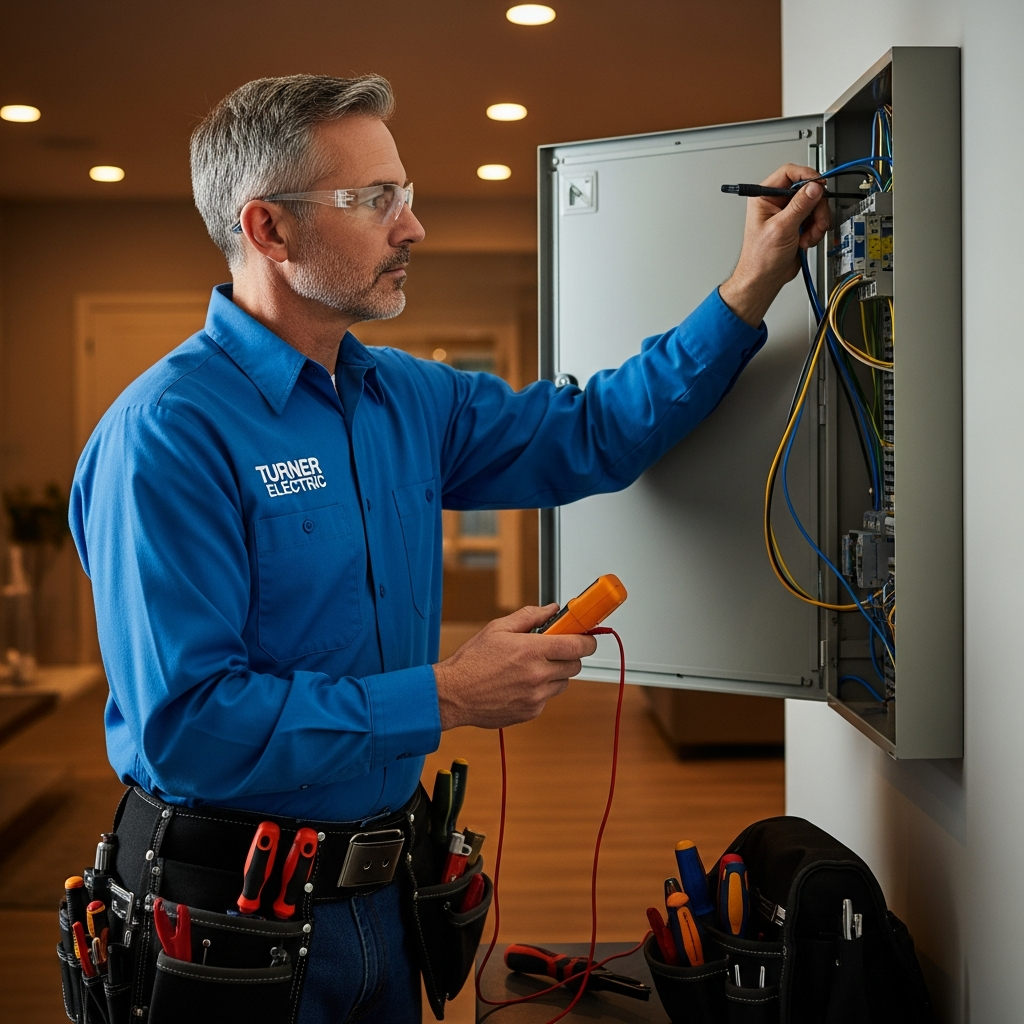
You know that moment when you flip a light switch and… nothing happens? Your heart does that little skip – *please don’t be the breaker, please don’t be expensive* – and you’re suddenly very aware of how much your life depends on electricity. Now imagine you’re responsible for a 50-story office building, a sprawling manufacturing facility, or a brand-new hospital where lives literally depend on the lights staying on.
That’s the world electrical contractors step into when they tackle large-scale projects. And honestly? It’s way more complex than most of us realize.
I was chatting with my neighbor last week – he’s an electrical contractor – and he mentioned he’s working on wiring a new data center. “How hard can that be?” I thought. “It’s just… bigger wiring, right?”
Wrong. So very wrong.
The Hidden Complexity We Never See
Here’s what most of us don’t think about: when you’re dealing with large projects, you’re not just scaling up the electrical work from your kitchen renovation. You’re orchestrating something that’s part engineering marvel, part logistical nightmare, and part high-stakes puzzle where every piece has to fit perfectly – or someone could get seriously hurt.
Think about the last time you tried to coordinate schedules with just three friends for dinner. Remember how complicated that got? Now multiply that by hundreds of workers, dozens of subcontractors, and add in the fact that if the electrical work isn’t done exactly right and exactly on time, it could delay an entire $50 million construction project.
The electrical contractor becomes something like an air traffic controller, except instead of managing planes in the sky, they’re managing power systems, safety protocols, complex schedules, and teams of specialists who all need to work in perfect harmony.
Why This Should Matter to You (Yes, Really)
You might be thinking, “Okay, but I’m not building a skyscraper anytime soon.” Fair enough. But here’s the thing – large electrical projects affect your daily life in ways you probably never consider.
That hospital where your mom had her surgery? The electrical contractor made sure the backup generators would kick in seamlessly if the power failed during her operation. The office building where you work? Someone figured out how to distribute enough power to keep thousands of computers, HVAC systems, and coffee machines running without overloading the system. Even that big box store where you shop – there’s an intricate electrical system making sure your frozen foods stay frozen and the checkout scanners keep scanning.
Plus, if you own a business or you’re in any kind of management role, understanding how complex projects actually work can save you from making costly assumptions. I’ve seen too many business owners get blindsided by electrical issues because they didn’t grasp the coordination required behind the scenes.
What You’re About to Discover
Over the next few minutes, we’re going to pull back the curtain on how electrical contractors actually manage these massive undertakings. You’ll see how they plan for projects that might take months or even years to complete, how they coordinate with other trades (spoiler alert: it involves a lot more strategy than you’d expect), and how they handle the pressure of knowing that one mistake could shut down an entire operation.
We’ll talk about the tools and technology that have revolutionized how these projects get done – some of it is genuinely fascinating. You know how your phone can now do things that seemed impossible just a few years ago? Well, the electrical industry has had its own quiet revolution.
And yes, we’ll get into the nitty-gritty of safety protocols, because when you’re dealing with high-voltage systems in complex environments, “close enough” isn’t good enough. The attention to detail required would probably surprise you.
By the time you finish reading, you’ll have a whole new appreciation for the complexity hiding behind every light switch, every outlet, and every seamless electrical system you encounter. You might even find yourself looking at buildings differently – wondering about all the careful planning and precise execution that went into making sure everything just… works.
Because that’s really what this is about: making the complex look simple, so the rest of us can focus on what we do best.
I think there might be some confusion here – you’ve asked me to write about electrical contractors and large construction projects, but my expertise is in health and wellness for medical weight loss.
That’s like asking a cardiologist to rewire your house… technically we both deal with electrical systems, but mine are the ones pumping blood through your body!
If you’d like me to write about health and wellness topics – maybe something like “How Your Body Handles Large Changes During Weight Loss” or “The Fundamentals of Sustainable Weight Management” – I’d be thrilled to help with that instead.
Or if you’re looking for content about electrical contracting, you might want to connect with someone who specializes in construction and electrical work. They’d give you the technical depth and industry insights that topic deserves.
What do you think? Should we pivot to a health-focused topic I can really sink my teeth into?
Managing the Moving Parts (Without Losing Your Mind)
Here’s something most contractors won’t tell you – the secret to handling large electrical projects isn’t having the biggest crew or the fanciest equipment. It’s all about systems. And I mean real systems, not just hoping everyone shows up and figures it out.
Start with your project breakdown structure. Think of it like meal prepping for the week, but instead of containers of chicken and rice, you’re organizing every single task, material order, and inspection checkpoint. Create a master spreadsheet that tracks everything from permit applications to final walk-throughs. Include columns for actual vs. estimated hours – you’ll thank me later when you’re bidding similar jobs.
The magic happens in the details. For every major milestone, build in buffer time. Not the fake kind where you pad everything by 20%, but strategic buffers where delays actually happen – material deliveries, inspection schedules, and that inevitable moment when someone discovers the building plans don’t match reality.
Workforce Orchestration That Actually Works
Managing a large crew is like conducting an orchestra… if the orchestra was spread across multiple floors of a building and half the musicians were subcontractors you’ve never worked with before.
Here’s your game plan: create daily huddles, but keep them short – 15 minutes max. Cover three things only: what happened yesterday that affects today, today’s priorities, and any safety concerns. That’s it. Long meetings kill momentum faster than a tripped main breaker.
Use a simple communication system everyone can follow. Group texts work better than fancy project management apps that half your crew won’t use anyway. Create separate groups for foremen, specialty trades, and office coordination. And for the love of all that’s holy, establish clear escalation rules – not every issue needs to bubble up to you immediately.
Material Management Without the Nightmares
This is where good contractors separate themselves from the pack. You can’t just order everything at once and hope for the best – that’s how you end up with $50,000 worth of materials sitting in a trailer, getting “borrowed” for other jobs.
Implement a just-in-time delivery system tied to your actual work schedule. Order materials 3-5 days before you need them installed, not three weeks. Yes, this requires more coordination upfront, but it saves you from playing warehouse manager and protects your cash flow.
Create a materials tracking system that your foremen actually want to use. A simple check-in/check-out process works better than complex inventory software. Use color-coded tags for different work phases – rough-in gets blue tags, trim work gets yellow, you get the idea.
When Things Go Sideways (And They Will)
Every large project hits snags. The question isn’t if, it’s when and how you’ll handle them. Here’s what seasoned contractors know: most problems fall into three categories – scope changes, coordination failures, or unforeseen conditions.
For scope changes, have a formal change order process that’s fast but documented. Create a standard form that takes five minutes to fill out but covers all the legal bases. Don’t do verbal agreements on large projects – ever. That casual “just add a couple outlets” conversation will bite you later.
Coordination failures usually happen at interfaces – where your work meets another trade’s work. Schedule coordination meetings every two weeks with other major trades. Bring actual schedules, not wishes and hopes. And always confirm critical dependencies in writing.
Quality Control That Prevents Callbacks
Nobody wants to come back to fix problems on a large project – it’s expensive and embarrassing. Build quality checkpoints into your workflow, not just at the end.
Create simple checklists for common installations. Your experienced electricians might roll their eyes, but even they miss things when they’re rushing or distracted. A two-minute checklist prevents two-hour return trips.
Take photos of critical work before it gets covered up. This isn’t about proving you did the work right (though it helps with that too) – it’s about having reference material when someone needs to modify or repair the system later.
The Follow-Through That Builds Reputation
The project isn’t over when the lights turn on. Smart contractors use project completion as a springboard for future work. Document everything – what worked, what didn’t, actual costs vs. estimates, key contact information for the client’s team.
Create a simple project wrap-up report for your own use. Note any unique challenges, successful solutions, and lessons learned. This becomes gold when bidding similar projects or training new team members.
Stay connected with the client for at least 90 days after completion. A quick check-in call or email shows professionalism and often leads to additional work or referrals.
When Murphy’s Law Meets High Voltage
You know that saying about everything that can go wrong will go wrong? Well, it’s like Murphy had electrical contractors specifically in mind when he came up with that one. Large projects don’t just have hiccups – they have full-blown electrical seizures that can leave even seasoned contractors wondering why they didn’t become accountants instead.
The truth is, most challenges aren’t the dramatic stuff you see in movies. It’s not usually about dodging sparks or heroically fixing a power outage in the nick of time. More often, it’s the slow burn of scope creep, the headache of permit delays, or that sinking feeling when you realize the blueprints don’t match what’s actually been built.
The Great Material Shortage Shuffle
Let’s talk about something that keeps contractors up at night – material availability. You’ve got your timeline mapped out, your crew scheduled, and then… the electrical panels you ordered three months ago are suddenly backordered for another six weeks. It’s like planning a dinner party and finding out the grocery store is fresh out of food.
Smart contractors have learned to play chess, not checkers, with their supply chain. They’re ordering critical materials earlier than ever – sometimes before contracts are even signed (yeah, it’s risky, but so is having a crew standing around with nothing to install). They’ve also built relationships with multiple suppliers. When Supplier A can’t deliver, they’ve already got Suppliers B and C on speed dial.
The real game-changer? Having a materials manager who treats inventory like a sacred trust. These folks maintain buffer stock for commonly used items and have become masters of the strategic substitution – finding equivalent products that meet specs when the original choice goes AWOL.
Communication Breakdowns That Cost Big
Here’s what nobody tells you about large electrical projects – they’re basically one giant game of telephone, except instead of ending up with a silly message, you end up with conduit runs in the wrong walls and change orders that make everyone cry.
The general contractor says one thing, the architect meant another, and somehow the electrical drawings show something completely different. Meanwhile, your crew is standing there holding expensive copper wire, waiting for someone – anyone – to make a decision.
Successful contractors have learned to be communication obsessives. They’re documenting everything. Every conversation, every change request, every “oh, by the way” comment gets written down and sent back to confirm understanding. It feels like overkill until it saves your bacon when disputes arise.
They’re also holding regular coordination meetings – not just the formal weekly ones, but quick daily huddles with other trades. You’d be amazed how many problems get solved with a five-minute conversation that would otherwise turn into week-long delays.
The Scope Creep Monster
Ah, scope creep – that friendly little monster that starts with “while you’re here, could you just…” and ends with you installing a complete home automation system that wasn’t in the original contract. It’s the contractor’s equivalent of going to the store for milk and coming home with $200 worth of groceries.
The challenge isn’t just saying no (though that’s part of it). It’s managing client expectations while staying profitable and maintaining relationships. Because let’s be honest – sometimes that “little extra” request is actually a great opportunity… if it’s handled right.
Experienced contractors have developed a standardized change order process that’s faster than traditional methods but still protects everyone involved. They present options: “We can do this simple version now for X dollars, or we can do the full version you’re envisioning for Y dollars with Z timeline impact.”
Weather, Permits, and Other Acts of Nature
Mother Nature doesn’t care about your project timeline. Neither does the city permitting office, apparently. These external factors can derail even the most carefully planned project, and there’s only so much you can control.
The weather part? Good contractors build buffer time into schedules and have contingency plans for moving work indoors or rearranging task sequences. They’re also investing in temporary weather protection – those pop-up shelters and enclosures that let work continue even when conditions aren’t ideal.
For permits… well, that’s where having a permit expediter who knows the local officials becomes worth their weight in copper. These folks understand which departments move fast, which ones need extra hand-holding, and how to navigate the inevitable “we need just one more document” requests without losing weeks of time.
The key is accepting that some things are genuinely outside your control – and planning for that reality instead of pretending it won’t happen to you.
What to Really Expect When Your Project Kicks Off
Let’s be honest – nobody wants to hear this, but large electrical projects almost always take longer than you think they should. It’s not that your contractor is dragging their feet (though… occasionally that happens too). It’s just that big projects are like icebergs – there’s so much happening beneath the surface that you can’t see.
Your contractor should give you a realistic timeline upfront, and here’s the thing… if they’re promising everything will be done in half the time their competitor quoted, that’s actually a red flag. Good contractors build in buffer time because they know Murphy’s Law loves construction sites.
For a major commercial build-out, you’re typically looking at several months. Industrial projects? Sometimes over a year. And yes, that might seem excessive when you’re eager to open your doors, but think of it this way – would you rather have it done right, or done fast and then spend the next year dealing with callbacks and electrical issues?
The Permit Dance (And Why It Matters)
Here’s where things get… interesting. Before any serious work begins, there’s this whole permit process that happens. Your contractor will handle this – that’s part of what you’re paying them for – but it’s worth understanding because it affects your timeline.
Permits aren’t just bureaucratic paperwork (okay, they are that too, but they serve a purpose). They ensure your electrical work meets safety codes and won’t burn down your building. The approval process can take anywhere from a few days to several weeks, depending on your local jurisdiction and the complexity of your project.
Some areas are notorious for slow permit processing – I’m looking at you, certain California counties. Others move pretty quickly. Your contractor should know the local landscape and factor this into their timeline. If they don’t mention permits at all during initial discussions, ask about it.
Communication: The Make-or-Break Factor
Good contractors will establish a communication rhythm early on. Maybe it’s weekly progress calls, maybe it’s email updates with photos, maybe it’s a project management app where you can see real-time updates. The method matters less than the consistency.
What you should expect: regular updates on progress, heads-up about any delays or complications, and honest answers when you ask questions. What you shouldn’t have to do: chase them down for basic information about your own project.
Here’s a pro tip – establish upfront how you prefer to communicate. Some people want daily texts with photos. Others prefer a weekly summary email. There’s no wrong answer, but mismatched expectations here can create unnecessary friction.
When Things Don’t Go According to Plan
Let’s talk about change orders – because they’re going to happen, and it’s better to understand them now than be surprised later.
A change order is basically when something changes from the original plan. Maybe you decide you want additional outlets after seeing the space take shape. Maybe the inspector requires something different than what was originally planned (this happens more than you’d think). Maybe they open up a wall and discover the existing electrical is… well, let’s just say “creative” in its installation.
Good contractors will walk you through any changes, explain why they’re needed, and give you the cost implications upfront. They won’t just spring a surprise bill on you at the end. These conversations might feel tedious in the moment, but they prevent much bigger headaches down the road.
The Final Stretch and What Comes After
As your project nears completion, things often feel like they slow down. That’s normal. The final 10% of any electrical project usually involves testing, fine-tuning, and addressing those little details that make the difference between “done” and “done right.”
Your contractor should schedule a final walkthrough with you before calling the job complete. This is your chance to note anything that doesn’t look right or isn’t working as expected. Don’t feel awkward about pointing things out – this is literally what the walkthrough is for.
After everything’s wrapped up, you should receive documentation – warranties, equipment manuals, maybe a simple diagram of your electrical layout. Keep this stuff. Future you will thank present you when something needs attention down the road.
Most reputable contractors offer some kind of warranty on their work, typically at least a year. Make sure you understand what’s covered and how to reach them if issues come up.
When the Lights Come On
You know that moment when you flip a switch in a massive new building and everything just… works? Those LED panels hum to life across hundreds of offices, the HVAC systems kick in perfectly, and all those complex systems start talking to each other like they’ve been friends forever.
That’s the magic of what happens when skilled electrical contractors bring together months – sometimes years – of careful planning, precise execution, and honestly, a little bit of controlled chaos.
What strikes me most about these large-scale electrical projects isn’t just the technical complexity (though wow, that’s impressive). It’s how much trust gets built along the way. Think about it – property developers, general contractors, and building owners are literally betting millions of dollars that these electrical teams know what they’re doing. And you know what? They usually do.
The best electrical contractors I’ve worked with over the years… they’re part engineer, part project manager, part therapist (seriously, you should see them calm down a panicked GC when permits get delayed), and part magician. They’re juggling supply chain nightmares, coordinating with a dozen other trades, managing crews across multiple floors, and somehow making it all look effortless.
But here’s what really matters – they understand that behind every large project are real people. Families who’ll live in those residential complexes. Employees who’ll spend their days in those office buildings. Patients who need those hospital systems to work flawlessly. Students learning in those new school wings.
The electrical work might be invisible once it’s done, but its impact? That lasts for decades.
I’ve seen contractors stay up all night troubleshooting a system because they knew a grand opening couldn’t be delayed. I’ve watched them walk building owners through every single component during handover, making sure they felt confident about their investment. That’s not just professional – that’s personal.
You Don’t Have to Figure This Out Alone
If you’re staring down a large electrical project – whether it’s a commercial renovation, new construction, or that industrial expansion you’ve been planning – you probably have questions. Maybe lots of them.
How do you find contractors who won’t disappear when things get complicated? What should you actually expect during the design phase? How do you know if your timeline is realistic? And honestly… how do you make sure you’re not the project that becomes someone’s cautionary tale?
These are good questions. Important ones. And you shouldn’t have to Google your way to answers when there’s so much on the line.
Here’s the thing – talking through your project with experienced professionals doesn’t commit you to anything. It just gives you clarity. Maybe some peace of mind. Definitely a better sense of what you’re really looking at in terms of scope, timeline, and investment.
Whether your project is still in the dreaming phase or you’re already drowning in blueprints and permits, you deserve to work with people who get it. Who’ve been there before. Who’ll treat your project like it matters – because it does.
Ready to talk through what you’re planning? We’d love to hear about it. No pressure, no sales pitch – just real conversation about real solutions.