TCU-Westcliff Electrician Close to Me: What Homeowners Ask
You’re standing in your kitchen at 7 PM on a Tuesday, and suddenly half your house goes dark. The refrigerator stops humming, the WiFi router blinks off, and your teenager’s horrified scream echoes from upstairs – “THE INTERNET’S DOWN!” You flip the breaker. Nothing. You check outlets. Still nothing. That sinking feeling hits your stomach… you need an electrician, and you need one fast.
But here’s the thing – when you’re frantically googling “electrician near me” while holding a flashlight from your phone, you’re not just looking for someone with a license and a truck. You’re looking for someone who’ll actually show up when they say they will. Someone who won’t charge you three months’ worth of grocery money to fix what might be a simple problem. Someone who speaks human, not electrical jargon.
If you live in or around the TCU-Westcliff area, you’ve probably been there. Maybe not with a complete power outage, but definitely with that moment when you realize you’re in over your head. The outlet that’s been making that weird buzzing sound for months? That light switch that sometimes works, sometimes doesn’t? The fact that you have to do some sort of electrical gymnastics just to run the microwave and coffee maker at the same time?
Here’s what most homeowners don’t realize: electrical problems don’t get better with time. They’re not like that squeaky door hinge you can ignore for six more months. Electrical issues are more like that strange noise your car makes – ignore it long enough, and you’ll be dealing with something much bigger, much more expensive, and potentially dangerous.
The challenge isn’t just finding *an* electrician – it’s finding the *right* electrician for your specific situation. And in the TCU-Westcliff area, you’ve got options. Some good, some… well, let’s just say some will leave you wondering why you didn’t just try to fix it yourself with a YouTube video and a prayer.
You want someone who understands that your time matters. Someone who shows up in the window they promised, not three hours later with a shrug and an excuse about traffic. You want fair pricing – not the “emergency rate” that somehow applies to everything, even changing a light fixture on a sunny Thursday afternoon. And honestly? You want someone who doesn’t make you feel like an idiot for asking questions.
The thing about electrical work is that it touches everything in your daily life. Your morning coffee routine, your kids’ ability to charge their devices, your home security system, even your garage door opener. When something goes wrong, it doesn’t just affect one room – it can throw off your entire household rhythm. That’s why finding a reliable local electrician isn’t just about fixing problems… it’s about peace of mind.
We’ve talked to dozens of homeowners in the TCU-Westcliff area about their experiences – both good and horror stories that’ll make you cringe. What we found is that most people ask the same questions when they’re trying to find an electrician they can trust. Questions like: How do I know if this price is fair? Should I get multiple quotes? What qualifications actually matter? How quickly should they be able to come out? What’s normal for emergency calls versus regular service?
These aren’t trivial questions. The difference between a good electrician and a mediocre one can literally be the difference between a quick fix and rewiring half your house because the first guy created more problems than he solved.
In this guide, we’re going to walk through everything homeowners in the TCU-Westcliff area typically want to know when they’re looking for electrical help. We’ll cover the practical stuff – what questions to ask, red flags to watch for, how pricing typically works. But we’ll also dig into the less obvious things… like how to tell if an electrician actually knows what they’re talking about, or why that incredibly cheap quote might end up costing you more in the long run.
Because here’s the truth: when your lights go out, you don’t have time to become an expert on electrical contractors. But you do need to know enough to make a smart choice.
Why Location Actually Matters More Than You’d Think
Here’s something that might surprise you – when your circuit breaker trips at 9 PM on a Tuesday, the difference between a local TCU-Westcliff electrician and one from across town isn’t just convenience. It’s actually about understanding your neighborhood’s quirks.
Think about it like this: every area has its electrical personality. TCU-Westcliff homes, especially the older ones near the university, often share similar wiring challenges – outdated panels, aluminum wiring from the 70s, or that weird thing where half the outlets stop working when you run the microwave. A local electrician has seen these patterns dozens of times. They know which subdivisions got the sketchy electrical work during the building boom, and which ones are solid.
It’s kind of like how your family doctor knows you’re prone to sinus infections every spring – familiarity breeds competence.
The “Emergency” Question Everyone’s Thinking
Let’s be honest about something – most electrical problems feel like emergencies even when they’re not. Your power goes out, and suddenly you’re standing in the dark wondering if your house is about to catch fire. (Spoiler alert: it probably isn’t, but that panic is totally normal.)
Local electricians get this. They understand that when Mrs. Johnson on Bellaire calls about flickering lights, it’s genuinely stressing her out… even if it turns out to be a loose bulb. Distance creates delays, and delays create anxiety.
But here’s where it gets interesting – true electrical emergencies are actually pretty rare. Most of what feels urgent can wait until morning, though good luck convincing your racing heart of that when the lights start doing their disco routine.
What Makes TCU-Westcliff Electrical Work Different
This area sits in this weird sweet spot between established neighborhoods and college town chaos. You’ve got houses from the 1950s sitting next to newer construction, rental properties that have seen… let’s call it “creative” DIY work, and homeowners who range from electrical engineers to folks who think watts and volts are the same thing.
Actually, that reminds me – they’re not the same thing, but don’t feel bad if you thought they were. Think of it like water flowing through a hose: volts are the pressure, watts are how much water actually comes out. But I digress…
The point is, local electricians develop this sixth sense about what they’re walking into based on the address alone. That 1960s ranch near the campus? Probably needs a panel upgrade. The townhouse in the newer development off University? Likely just a GFCI outlet acting up.
The Licensing Maze (And Why It’s Actually Your Friend)
Texas electrical licensing is… well, it’s complicated. There are different levels – apprentices, journeymen, master electricians – and each city can have its own additional requirements. Fort Worth has specific codes that differ from, say, Arlington’s requirements just a few miles away.
This is where local knowledge becomes crucial. An electrician who regularly works in TCU-Westcliff knows which permits you need for what work, understands the local inspection process, and has relationships with the code enforcement folks. It’s like having a guide who speaks the language.
I know, I know – permits and codes sound boring. But here’s the thing: when you go to sell your house, unpermitted electrical work can become a nightmare. It’s like that friend who seems fun until you need them to be responsible – suddenly you’re dealing with problems you didn’t know existed.
Understanding Your Home’s Electrical Personality
Every house has its electrical quirks – I call it personality because it makes me feel better about the randomness of it all. Maybe your kitchen outlets are on the same circuit as the dining room chandelier (why?), or your garage door opener mysteriously affects the upstairs bathroom fan.
Local electricians become electrical detectives, and they develop pattern recognition for specific neighborhoods. They know that certain builders cut corners in predictable ways, or that homes from specific decades tend to have similar issues.
It’s not magic – it’s just experience concentrated in a specific geographic area. Like how your neighborhood mail carrier knows which dogs are friendly and which mailboxes stick. Same principle, higher voltage.
What Questions You Should Actually Ask Before Hiring
Look, I get it – when your outlets are sparking or your breaker keeps tripping, you just want someone to fix it fast. But here’s the thing… asking the right questions upfront can save you hundreds (maybe thousands) later.
Don’t just ask “Are you licensed?” – that’s amateur hour. Instead, ask for their specific license number and verify it online with the Texas Department of Licensing. Takes two minutes, but you’d be surprised how many “electricians” suddenly get tongue-tied when you ask for specifics.
Here’s what separates the pros from the pretenders: Ask about their insurance coverage amounts. A real electrician will rattle off their general liability limits without hesitation. If they hem and haw or say “Oh yeah, we’re covered” without details… that’s your cue to keep looking.
The Red Flags That Scream “Run Away”
Door-to-door electricians? Nope. Just nope. I don’t care how convincing they sound or what “deal” they’re offering. Legitimate electrical contractors don’t wander neighborhoods looking for work – they’re usually booked weeks out.
Watch out for cash-only deals too. Sure, everyone likes saving on taxes, but paying cash means no paper trail when things go sideways. And trust me, you want that paper trail if you need warranty work or – heaven forbid – there’s an insurance claim later.
Another big red flag? Quotes that seem too good to be true. If someone’s undercutting everyone else by 40%, there’s a reason. Maybe they’re cutting corners on materials, maybe they’re not pulling proper permits, or maybe they’ll disappear halfway through your job. Quality electrical work isn’t cheap because… well, it shouldn’t be.
Getting Quotes That Actually Mean Something
Here’s a little secret most homeowners don’t know: the way an electrician handles the estimate tells you everything about how they’ll handle your job.
A good electrician will ask questions. Lots of them. They’ll want to know about your electrical panel’s age, when the house was built, what specific issues you’re experiencing. If someone gives you a quote over the phone without seeing your setup? That’s not a quote – that’s a guess.
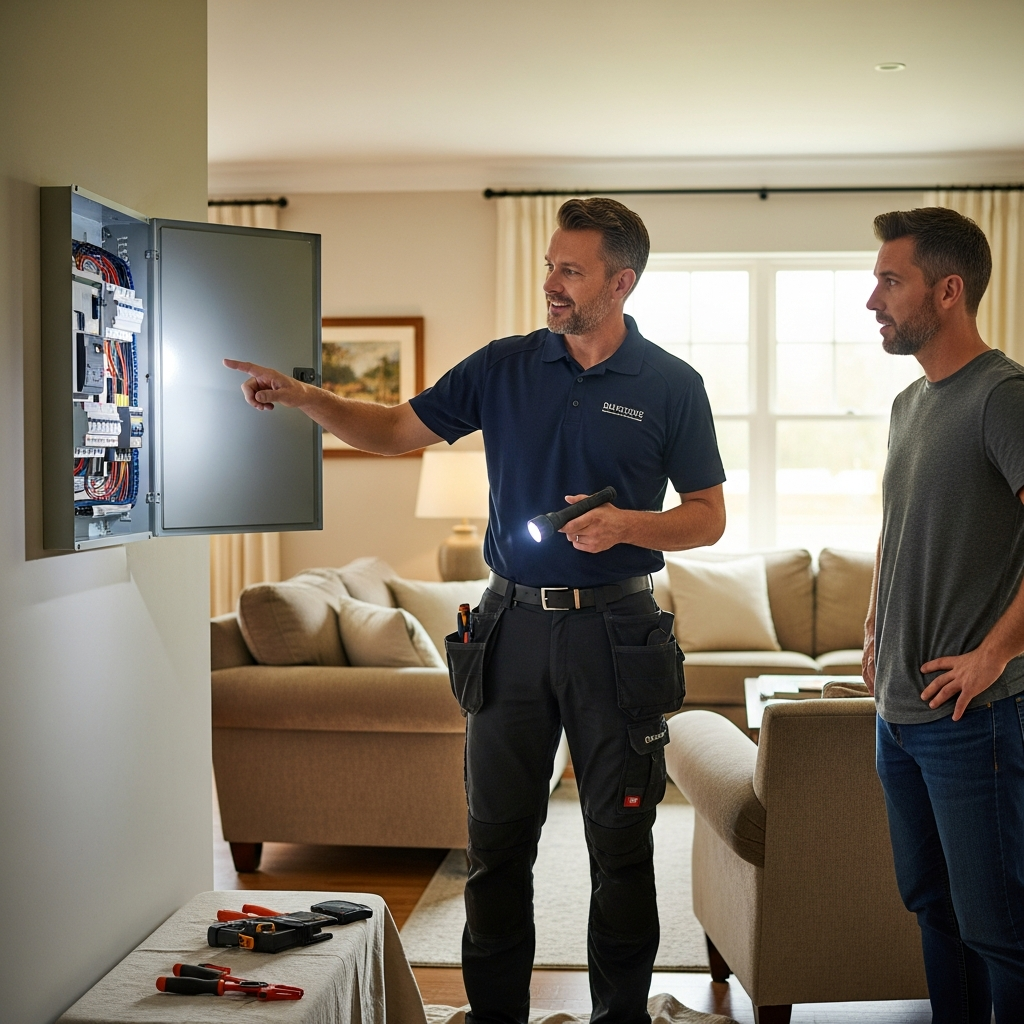
When they do come out, watch how they work. Are they poking around, testing outlets, actually looking at your electrical panel? Or are they just eyeballing things and scribbling numbers? The thorough guys might take longer, but that attention to detail will show up in their work quality too.
And don’t be afraid to ask about timeline – not just when they can start, but how long the actual work will take. Good electricians can give you realistic timeframes because they’ve done this dance before.
Making Sure the Work Actually Gets Done Right
Here’s something that’ll save you headaches down the road: ask about permits upfront. Major electrical work needs permits, period. If your electrician suggests skipping them to “save money,” you’re looking at potential insurance nightmares later.
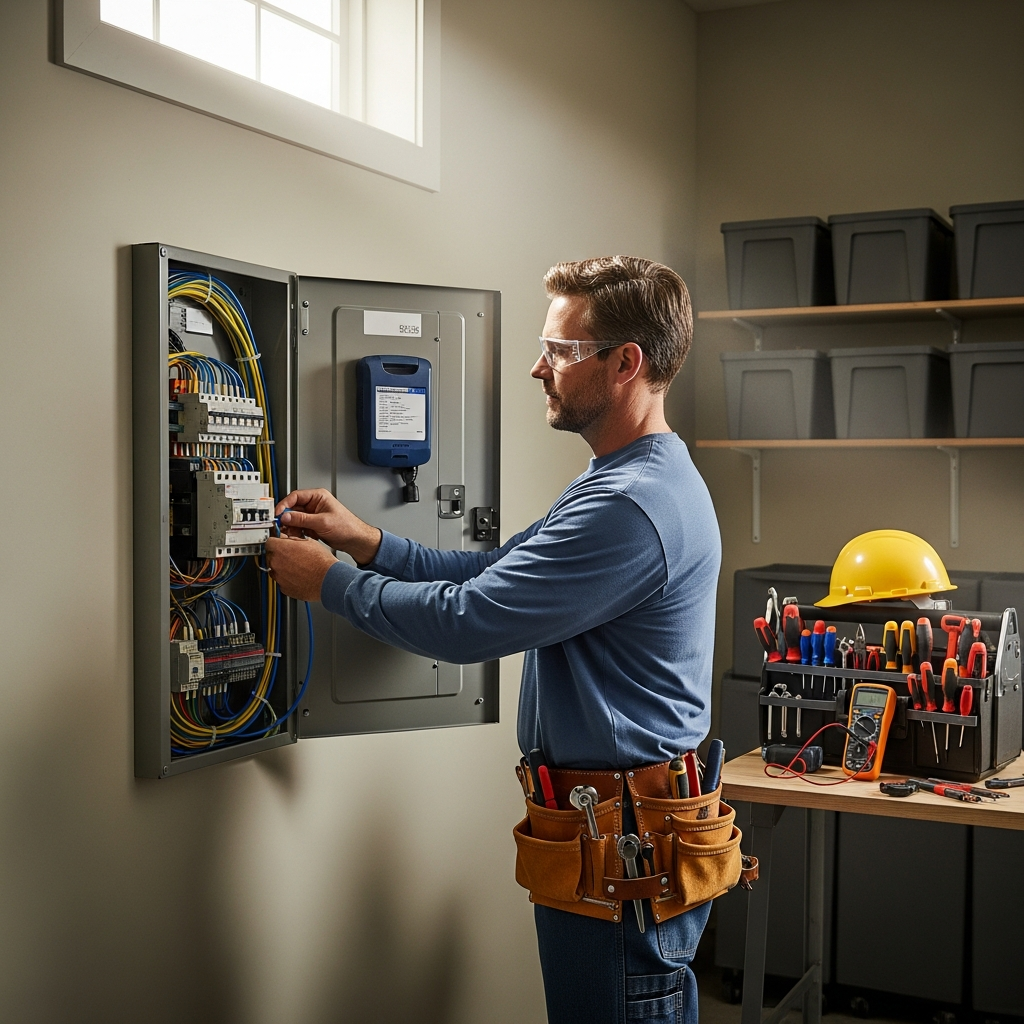
I always tell people to stick around during the work – not to micromanage, but to ask questions. A confident electrician will explain what they’re doing and why. If they’re being secretive or rushing you away… that’s concerning.
And about that final inspection – don’t just nod and sign off. Test everything. Flip switches, plug things in, make sure outlets work properly. It’s awkward to call someone back, but it’s way more awkward to discover problems after they’ve cashed your check.
The Follow-Up That Protects Your Investment
Most good electricians offer some kind of warranty on their work – usually at least a year. But here’s the thing: get those warranty terms in writing. “We stand behind our work” sounds nice, but it doesn’t mean much when your GFCI outlet stops working six months later.
Keep all your paperwork too. Receipts, permits, warranty info – stick it all in a folder. You’ll thank yourself later when you need to reference something or when you’re selling the house and buyers want proof the electrical work was done properly.
One last thing – and this might sound paranoid, but take before and after photos of any major electrical work. You never know when you’ll need to prove what was done, especially if you’re dealing with insurance claims or trying to troubleshoot future issues.
The bottom line? Good electrical work isn’t just about fixing today’s problem – it’s about preventing tomorrow’s disasters.
The Sticker Shock Reality (And Why It Happens)
Let’s be honest – electrical work isn’t cheap, and it catches homeowners off guard more often than they’d like to admit. You’re expecting maybe $200 for that outlet installation, then suddenly you’re looking at $800. What just happened?
Here’s the thing… electrical work involves way more than you see. That simple outlet? Your electrician might discover knob-and-tube wiring from 1952 hiding behind your walls. Or your panel needs upgrading before any new circuits can be safely added. It’s like asking someone to hang a picture and finding out the wall is made of Swiss cheese.
The solution isn’t to shop around until you find someone who’ll do it for half the price – that’s actually dangerous. Instead, ask for a detailed estimate upfront. Good electricians will explain what they’re seeing and why costs add up. Some will even offer payment plans for larger jobs, because they get it… nobody budgets for surprise electrical discoveries.
Finding Someone Who Actually Shows Up
You’ve probably been there – contractor says they’ll be there Tuesday at 10am. Tuesday comes and goes. No call, no text, just… crickets. With electricians, this frustration gets amplified because electrical issues often feel urgent (and sometimes actually are).
The flaky contractor problem runs deeper in electrical work because good electricians stay busy. Really busy. They’re not sitting around waiting for your call, which means scheduling can get tricky. But here’s what separates the pros from the pretenders: communication.
Look for electricians who use scheduling software or at least confirm appointments the day before. Ask how they handle emergencies – do they have a clear protocol? The best ones will tell you upfront if they’re running behind and give you realistic timeframes. Not “sometime this week” but “Thursday between 2-4pm, and I’ll call if I’m running late.”
The Permit Puzzle That Trips Everyone Up
Nobody wakes up excited about pulling permits. You just want your ceiling fan installed, not a bureaucratic adventure. But here’s where things get messy – some work requires permits, some doesn’t, and the rules aren’t always intuitive.
Adding an outlet? Usually no permit needed. But rewiring that same room? Definitely permit territory. The gray areas trip people up constantly. Your brother-in-law says permits are just the city wanting money (he’s partially right), but skipping them can bite you during home sales or insurance claims.
A solid electrician will know what requires permits and handle the paperwork. Yes, it adds time and cost, but think of it as insurance. Permitted work gets inspected, which means someone besides you is making sure it’s safe. Plus, you won’t have that nagging worry when you sell your house someday.
Emergency vs. Non-Emergency (It’s Trickier Than You Think)
Your kitchen outlet stopped working, and you’re convinced the house is about to burn down. Meanwhile, your neighbor’s been living with a flickering light for six months and figures it’s “character.”
Here’s what actually constitutes an electrical emergency: burning smells, sparks, outlets or switches hot to the touch, or power outages affecting just part of your home. That dead kitchen outlet? Probably not an emergency, even though it’s inconvenient as heck.
The tricky part is that real emergencies often happen at the worst possible times – Sunday evening, holidays, during that big storm. Emergency rates reflect this reality… you’re paying for someone to drop everything and come help you. But for non-emergencies? Waiting until regular business hours can save you hundreds.
The DIY Temptation (And When to Step Away)
YouTube makes everything look doable, doesn’t it? Twenty minutes watching electrical tutorials and suddenly you’re ready to rewire your basement. The confidence is admirable… the execution can be terrifying.
Some electrical work is genuinely DIY-friendly – replacing outlets, installing simple fixtures, maybe changing a switch. But the line between “safe DIY” and “call a pro” gets blurry fast. Code requirements, load calculations, proper grounding – these aren’t suggestions, they’re safety requirements that can literally save lives.
The honest truth? If you have to ask “Can I do this myself?” the answer is probably no. Or at least, not without significant research and the right tools. Good electricians don’t mind explaining what they’re doing – some even appreciate homeowners who want to understand their electrical systems better.
Setting Realistic Expectations for Your Electrical Project
Here’s the thing about electrical work – it rarely goes exactly as planned, and that’s completely normal. You might think you need a simple outlet installation, but your electrician discovers knob-and-tube wiring from 1952 hiding behind your walls. Suddenly, what seemed like a two-hour job becomes a conversation about updating your entire panel.
Don’t panic. This isn’t your electrician trying to upsell you (well, not if they’re reputable). It’s just… how old houses work. They’re full of surprises, and not always the good kind.
Most homeowners expect electrical work to happen like ordering takeout – quick, predictable, done in thirty minutes. But electrical projects are more like cooking a complex meal from scratch. Sometimes the ingredients aren’t what you expected when you opened the pantry.
Timeline Reality Check
A standard outlet installation? Usually 1-2 hours, assuming everything goes smoothly. Panel upgrades can take anywhere from 4-8 hours, sometimes stretching into a second day if permits are involved or if your utility company needs to disconnect service.
Whole-house rewiring – and I know this sounds scary – typically takes 3-5 days for an average home. But here’s what nobody tells you: it’s not just about the wire-pulling. There’s planning, permit applications (which can take weeks), inspection scheduling, and coordinating with other trades if you’re doing a renovation.
Actually, that reminds me… permits. Yeah, most electrical work needs them. Your electrician should handle this for you, but it adds time to your project timeline. Usually 1-2 weeks for approval, sometimes longer if your local building department is swamped.
The Inspection Dance
Once the work’s done, you’ll need an inspection. This isn’t your electrician being difficult – it’s the law, and frankly, it’s for your safety. The inspector might find something that needs tweaking. That’s normal too. Even the best electricians occasionally get a “correction notice” – it doesn’t mean they’re incompetent.
Think of it like proofreading. Sometimes you miss things on the first pass, even when you’re good at what you do.
Communication is Everything
A good electrician will keep you in the loop. They should explain what they found, why it matters, and what your options are. If they discover that your “simple” ceiling fan installation requires upgrading the electrical box because the existing one can’t support the weight… well, they should walk you through that decision.
You shouldn’t feel pressured to decide immediately on unexpected issues. Take time to think, get a second opinion if the change is significant. Any electrician worth hiring won’t mind waiting for your decision on major additions to the scope.
Managing the Mess and Disruption
Electrical work can be dusty, especially if walls need to be opened. Your electrician should lay down drop cloths and clean up their debris, but some dust is inevitable. Plan accordingly – maybe don’t schedule this work right before hosting your in-laws for dinner.
Power outages during the work are also normal, particularly for panel work. Charge your devices beforehand, maybe plan to grab lunch out. Your electrician should give you a heads-up about when and for how long the power will be off.
What Happens After the Work is Done
Once everything’s complete and inspected, your electrician should walk you through what they’ve done. They might show you where new circuits are located on your panel, explain any new switches or outlets, and answer your questions.
Keep all your paperwork – permits, inspection certificates, warranty information. File it somewhere you’ll remember. Future electricians (or buyers, if you sell) will appreciate having this documentation.
Red Flags to Watch For
If your electrician can’t give you even a rough timeline, that’s concerning. Same goes for anyone who promises to “definitely” finish by a specific date without seeing the full scope of work first.
Electrical work involves unknowns, and honest contractors acknowledge this. They should give you realistic ranges, not impossible guarantees.
The best electricians I’ve worked with always seemed slightly pessimistic about timelines upfront… and then often finished ahead of schedule. That’s the kind of pleasant surprise you want, not the other way around.
Remember – good electrical work isn’t just about getting your lights working. It’s about safety, code compliance, and work that’ll last for decades. Sometimes that takes a little longer than you’d hoped, and that’s okay.
Here’s the thing about electrical work – it’s one of those home projects that can keep you awake at night if something doesn’t feel right. You know that nagging feeling when you flip a switch and the lights flicker just a bit? Or when you’re lying in bed wondering if that outlet that sparked earlier is actually dangerous?
We get it. Your home is your sanctuary, and electrical issues can make it feel… well, less than safe. That’s completely normal, and honestly? It’s smart that you’re asking questions and looking for help.
Finding the right electrician doesn’t have to be overwhelming – even though it might feel that way when you’re scrolling through endless Google results at 10 PM because your kitchen outlet stopped working. The truth is, most homeowners in the TCU-Westcliff area are asking the same questions you are. How do I know if this person is qualified? What should this actually cost? Can I trust them in my home?
Those concerns aren’t just valid – they’re exactly what you should be thinking about. Because here’s what we’ve learned after years of helping homeowners navigate these decisions: the right electrician doesn’t just fix your immediate problem. They become someone you can call when weird things happen (and they will happen), someone who explains things without making you feel foolish for asking, and someone who treats your home like it matters.
Maybe you’re dealing with something urgent right now, or perhaps you’re just planning ahead. Either way, you don’t have to figure this out alone. The electrical contractors serving your area understand the unique challenges of older neighborhoods, the quirks of local building codes, and honestly? They’ve probably seen whatever strange electrical situation you’re dealing with at least a dozen times before.
You might be tempted to put off that electrical work – we all do it sometimes. But here’s the thing about electrical issues… they rarely get better on their own. That loose outlet, that breaker that keeps tripping, that light fixture that makes weird noises? These aren’t just inconveniences. They’re your home’s way of asking for help.
The good news? Help is available, and it’s probably closer than you think. Professional electricians in your area are used to nervous homeowners, budget concerns, and yes – even those slightly embarrassing questions about whether that thing you did with the extension cord was actually dangerous. (Spoiler alert: it probably was, but they won’t judge you for it.)
If something electrical is bugging you – whether it’s a full rewiring project or just wanting someone to check that one weird outlet – don’t let it sit. Reach out to a local electrician for a consultation. Most offer free estimates, and honestly, just talking through your concerns with someone who knows what they’re doing can give you incredible peace of mind.
Your home should feel safe and comfortable, not like a source of constant worry. And the right electrical professional can help make that happen. You’ve got this – and more importantly, you don’t have to handle it alone.