Picture this: it’s a Tuesday evening, you’ve got dinner on the stove, the kids are doing homework, and everything is humming along just fine. Then – without any warning – the lights flicker. Your refrigerator makes a weird noise. And suddenly half your house goes dark. You’re fumbling for your phone flashlight, dinner is ruined, and you’re on hold with an emergency electrician who won’t be available until Thursday… at the earliest.
Sound familiar? Yeah. Most of us have been there.
Here’s the thing that nobody tells you in that moment of frustrated darkness: that outage didn’t just *happen*. It was building – quietly, invisibly – for weeks or months before it finally gave out. A loose connection here. A slightly overloaded circuit there. Small problems that compound like interest on a debt you didn’t know you were carrying.
That’s exactly what makes electrical issues so uniquely maddening. Unlike a leaky faucet you can see dripping, or a squeaky door hinge that announces itself every single morning, electrical problems hide. They work in the walls, behind the panels, underneath the floors – doing their slow, silent damage until one day they can’t be ignored anymore. And by that point? You’re not dealing with a small fix. You’re dealing with a big, expensive, potentially dangerous emergency.
This is where preventive electrical maintenance changes everything.
Now, we know what you might be thinking. “Great, another thing I’m supposed to schedule and remember and pay for.” And look – that’s a completely fair reaction. Life is already full of maintenance reminders. Your car needs an oil change. The HVAC filter needs replacing. The dentist wants to see you every six months. The last thing you want is another item on the list.
But here’s what’s actually interesting about preventive electrical maintenance, and why it’s genuinely different from those other routine tasks: it doesn’t just prevent problems. It actively creates value. We’re talking about lower energy bills, longer-lasting equipment, safer living and working spaces, and – maybe most importantly – the kind of peace of mind that lets you sleep soundly instead of wondering what that faint burning smell was last Thursday.
Whether you own a home, run a business, manage a facility, or just generally prefer not to deal with unexpected disasters (so… everyone), the electrical systems around you deserve more attention than they probably get. Most people interact with electricity dozens of times a day without a second thought. Flip the switch. Plug in the charger. Crank up the coffee maker. It all just works – until it doesn’t.
Actually, that’s a bit like assuming your car will run forever because it started fine this morning. Nobody with good sense skips every oil change and just hopes for the best. Your electrical system deserves the same logic. Actually, it deserves *more* – because when electrical systems fail, the consequences can be a whole lot worse than being stuck on the side of the road.
We’re going to walk you through ten real, tangible benefits of staying ahead of electrical maintenance rather than scrambling to react after something goes wrong. Some of them you might already suspect – cost savings, fewer outages, that kind of thing. But others might genuinely surprise you. There are benefits that touch on insurance, property value, regulatory compliance, and even environmental impact that most people never connect back to something as seemingly mundane as checking your electrical panel.
Each one builds a case for why this kind of proactive approach isn’t just smart – it’s one of the most practical decisions you can make for the place you live or work.
So if you’ve ever been caught off guard by an unexpected electrical failure, if you’ve ever winced at an energy bill that seemed way too high, or if you’ve got that vague, nagging feeling that your building’s electrical system is older than it should be and probably overdue for some attention… this is for you.
No technical jargon. No fear-mongering. Just a straightforward, honest look at why getting ahead of your electrical maintenance is one of those decisions you’ll wish you’d made sooner – and why starting now is always better than waiting until Tuesday night when the lights go out again.
What “Preventive” Actually Means Here
You’ve probably heard the term thrown around a lot – preventive this, preventive that – but it’s worth taking a second to unpack what it actually means when we’re talking about electrical systems specifically. Because it’s not just “check things before they break.” It’s more deliberate than that.
Preventive electrical maintenance is a scheduled, systematic approach to inspecting, testing, cleaning, and servicing electrical equipment before problems develop. The key word is *before*. Not when the lights start flickering. Not when something smells like it’s burning. Before any of that. Think of it like getting your oil changed on a schedule rather than waiting until your engine starts knocking – except the stakes are often considerably higher than a car repair bill.
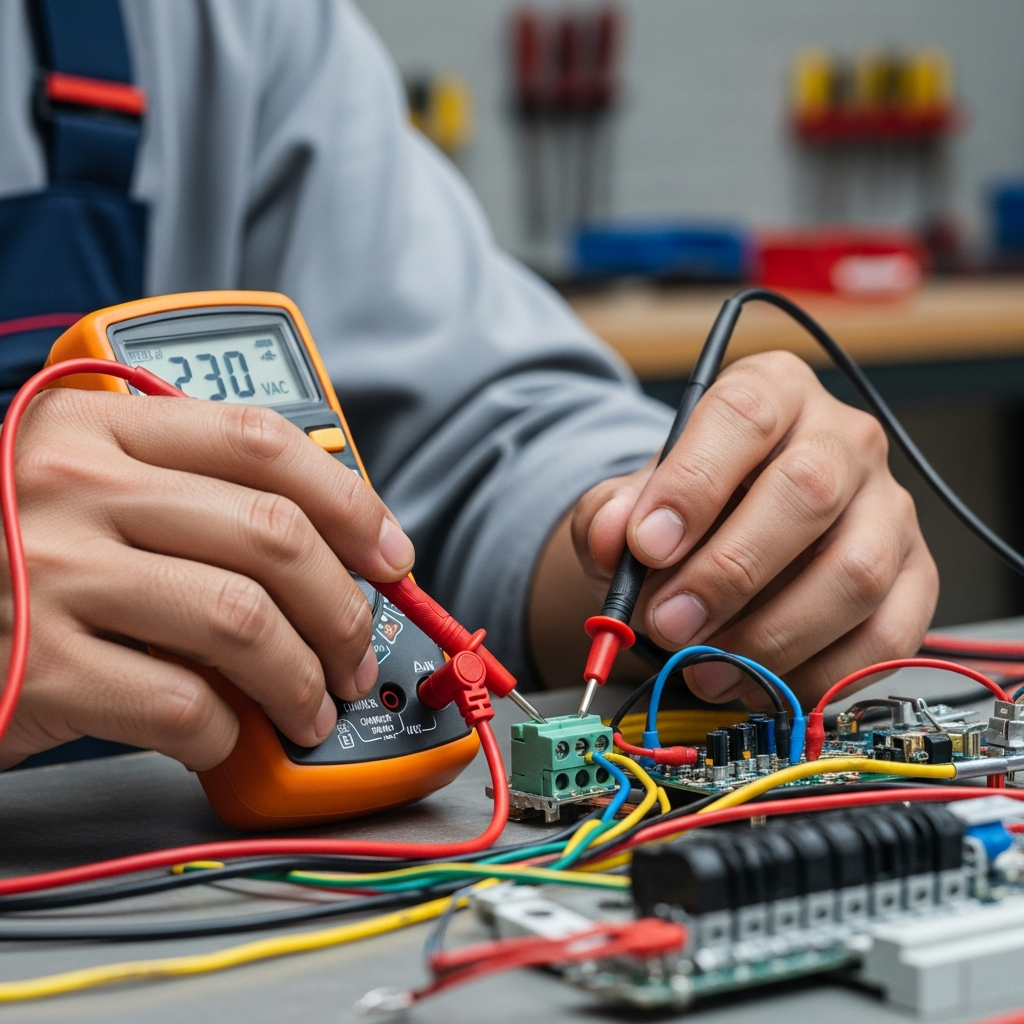
The work typically covers things like checking connections for corrosion or loosening, testing circuit breakers to make sure they actually trip when they should, inspecting insulation for wear, verifying that protective devices are calibrated correctly, and cleaning equipment that accumulates dust, moisture, or debris over time. It’s not glamorous work. But neither is rebuilding a switchgear after an arc flash.
Why Electrical Systems Degrade (Even When Nothing “Goes Wrong”)
Here’s something that surprises a lot of people – electrical equipment deteriorates even under perfectly normal operating conditions. There’s no dramatic failure event required. It just… ages.
Thermal cycling is a big part of this. Every time current flows through a conductor, it heats up slightly. Every time it stops, it cools down. Expand, contract, expand, contract – over thousands and thousands of cycles, this loosens connections, fatigues metal, and degrades insulating materials. It’s the same reason bridges need maintenance even when no trucks are overloading them.
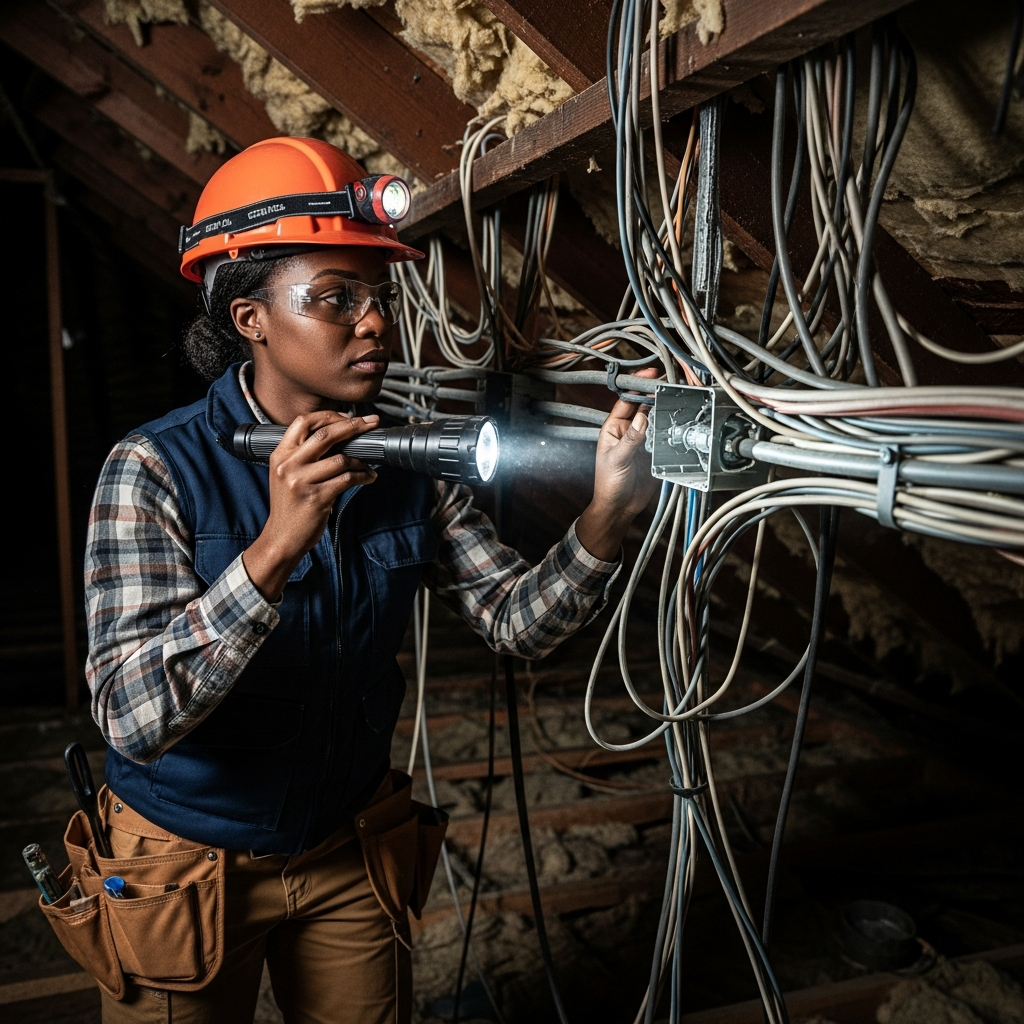
Vibration does similar damage. Electrical equipment in industrial environments – motors, panels near heavy machinery, transformers – experiences constant low-level vibration that gradually works connections loose. Dust and moisture infiltrate enclosures. Rodents (yes, really) find their way into electrical panels with unfortunate consequences.
The counterintuitive part? A lot of this degradation is essentially invisible during normal operation right up until it isn’t. Equipment can look perfectly fine, test within acceptable parameters, and still be weeks away from a significant failure. That’s honestly what makes electrical maintenance feel less urgent than it should – there’s often no warning signal until the warning signal is very dramatic.
The Difference Between Reactive and Preventive Approaches
Reactive maintenance – fixing things after they fail – isn’t entirely without merit. For low-stakes, easily replaceable components, sometimes running to failure makes sense financially. Nobody schedules preventive maintenance on a light bulb.
But for critical electrical infrastructure? Reactive maintenance is genuinely expensive in ways that aren’t always obvious upfront. There’s the emergency repair premium (technicians charging after-hours rates, expedited parts shipping). There’s the downtime cost while operations are halted. There’s potential secondary damage – one failed component can take out others in a cascade. And in worst-case scenarios, there are fire risks, safety incidents, and liability exposure that dwarf the original repair cost many times over.
Preventive maintenance flips that economic equation. The costs are known, scheduled, and controllable. Actually, this is one of those things that feels slightly backwards at first – you’re spending money specifically to spend less money, and trusting that the math works out. It does, though. Most facilities that track this carefully find reactive costs running three to five times higher than the equivalent preventive program would have cost.
A Quick Word on Inspection Intervals
How often does preventive maintenance need to happen? Honestly, it depends – and anyone who gives you a single universal answer without knowing your equipment, environment, and operational demands is oversimplifying. NFPA 70B, which is the main reference standard for recommended electrical maintenance practices in the U.S., provides guidance but it’s genuinely not one-size-fits-all.
High-use industrial equipment in harsh environments needs attention more frequently than lightly loaded commercial systems in clean, climate-controlled spaces. Critical equipment that can’t go down – hospital power systems, data centers, water treatment facilities – justifies more aggressive inspection schedules than non-critical secondary systems.
The starting point for most facilities is an annual inspection of primary electrical distribution equipment, with more frequent attention to high-criticality or high-stress components. From there, maintenance schedules get refined based on what inspections actually find over time.
That foundation – understanding what you have, how it ages, and what it needs – is what makes everything else in a preventive maintenance program work.
Build Your Inspection Schedule Around Reality, Not a Calendar
Here’s something most facility managers don’t hear enough: a quarterly inspection schedule that works perfectly for a busy manufacturing plant might be completely wrong for your office building. The frequency of your preventive maintenance shouldn’t come from a brochure – it should come from how hard your electrical system actually works.
Start by cataloguing your highest-demand circuits first. HVAC systems, server rooms, industrial equipment – these get inspected more often. Your break room outlets? Less so. Prioritizing by load and criticality means you’re spending your maintenance budget where it actually prevents problems, not just checking boxes.
A good rule of thumb: any circuit running near 80% capacity regularly deserves attention every 90 days minimum.
Don’t Skip Thermal Imaging (Seriously)
If your electrician isn’t using a thermal imaging camera during inspections, you’re essentially checking a car’s engine by looking at it through a closed hood. Infrared thermography catches hot spots – loose connections, overloaded circuits, failing breakers – before they become fires or failures. It’s one of those tools that pays for itself embarrassingly fast.
The sweet spot for thermal scans is while your system is under normal load, ideally at 40% capacity or higher. A scan done on a quiet Sunday morning when nobody’s in the building? Not nearly as useful. Schedule these during typical operating hours when everything’s running the way it normally runs.
Many electricians offer thermal scanning as an add-on service. Ask specifically for it. If they look confused, find a different electrician.
Keep a Maintenance Log That Actually Means Something
You know those logbooks that sit in a binder somewhere and never get looked at? Yeah, don’t do that. A useful maintenance log tracks specific findings – not just “inspected panel, all good” but actual details. Torque readings on connections. The temperature differential found on that one breaker in panel B. The slight discoloration on terminal 7 that you’re watching.
Actually, that reminds me – photos are your best friend here. A timestamped photo showing a connection before and after cleaning, or documenting how a particular spot has changed over three inspections, tells a story that no written description can. Your future self (and your insurance company) will thank you.
Digital maintenance platforms like UpKeep or Fiix make this easier than you’d think, and they’re not just for big operations anymore.
Train Your Team to Be Your Early Warning System
Your maintenance staff and even regular employees walk past electrical panels, notice weird smells, and hear unusual sounds every single day. That’s an incredible resource most facility managers completely underutilize. A quick 30-minute training session – seriously, just 30 minutes – teaching people what to report can catch problems between formal inspections.
What to teach them to flag
– Burning or unusual smells near outlets or panels – Breakers that trip repeatedly – Outlets or switches that feel warm to the touch – Flickering lights that aren’t a bulb issue – Any visible scorch marks or discoloration
It’s not about making everyone an electrician. It’s about giving people permission to say “hey, something seems off” without feeling like they’re overreacting.
Negotiate Smarter Service Contracts
When you’re shopping for a preventive maintenance contract, don’t just compare hourly rates. Look at response time guarantees, what’s actually included in a standard inspection, and whether they’re providing documented reports after each visit. A cheap contract that only includes visual inspection and no testing equipment is often worse than no contract at all – it creates a false sense of security.
Ask specifically: do they test arc fault and ground fault interrupters? Do they check for proper grounding? Will they load-test your critical circuits? These aren’t trick questions – a good contractor will welcome them.
One more thing worth knowing: some utility companies offer free or subsidized electrical assessments for commercial customers. It’s not advertised loudly, but it’s worth a quick call to ask. Free professional eyes on your system? Always worth it.
Plan for the Upgrade Conversation
Preventive maintenance will eventually surface something beyond a simple fix – aging panels, undersized wiring, outdated breaker technology. Don’t be caught off guard by this. Set aside a small capital reserve annually, even if it’s modest, specifically for electrical upgrades. When your electrician finds a 40-year-old panel that needs replacing, “we have a budget for this” is a much better position than emergency scrambling.
Think of it less like a repair fund and more like a health savings account for your building.
The Stuff Nobody Warns You About
Let’s be honest – preventive electrical maintenance sounds great in theory. Schedule some checkups, catch problems early, save money. Simple, right? But if you’ve ever tried to actually implement a program from scratch, you know there’s a gap between “sounds good” and “works in real life.” Here are the challenges that genuinely trip people up, and what actually helps.
Getting Buy-In From the People Holding the Budget
This is probably the biggest one. You’re essentially asking someone to spend money now to prevent a problem that hasn’t happened yet. That’s a hard sell in any organization, and honestly? It’s a hard sell at home too.
The resistance usually sounds like: “We haven’t had any electrical problems in years.” Which is exactly the kind of thinking that leads to catastrophic failures at the worst possible moment.
The solution isn’t to lecture people about risk – that rarely works. What does work is translating everything into dollars. One hour of unplanned downtime in a commercial facility can cost anywhere from a few thousand to tens of thousands of dollars. Find the number that’s relevant to your situation and put it on paper next to the cost of quarterly maintenance. The math tends to do the convincing.
Finding Qualified People to Actually Do the Work
Here’s something the glossy maintenance guides skip right over: there’s a real shortage of qualified electricians right now, and scheduling consistent preventive maintenance means you need someone reliable, not just whoever’s available when something breaks.
Reactive repairs are easy to staff – you call someone, they come, they fix it. Proactive maintenance requires building an actual relationship with a contractor or developing in-house expertise. That takes time.
Start small if you need to. Even identifying one reliable licensed electrician and scheduling an annual comprehensive inspection is infinitely better than nothing. From there, you can build out a more structured program as you find people you trust.
The Documentation Problem
Nobody loves paperwork. But without documentation, preventive maintenance turns into a vague feeling that someone probably checked something at some point… maybe last spring?
Good documentation doesn’t have to be complicated – it just has to exist. A simple spreadsheet tracking what was inspected, when, what was found, and what was done is genuinely enough to start. The goal is creating a record you can actually reference, not winning an award for organizational systems.
The practical tip here: do the documentation immediately after each inspection, not later. “I’ll fill that in tomorrow” is how records disappear forever.
Sticking With It When Nothing Goes Wrong
This one’s sneaky. When preventive maintenance is working, nothing dramatic happens. No fires, no outages, no equipment failures. And that success is… invisible. Which makes it really tempting to quietly let the program slide when budgets get tight or schedules get busy.
It’s like never getting sick and deciding you probably don’t need to sleep or exercise anymore. The good outcomes were the point.
One way to combat this is keeping a simple log of minor issues caught during inspections – loose connections tightened, worn components replaced, small anomalies addressed. Over time, that list becomes its own argument for continuing. You can literally see what would have eventually become a serious problem.
Knowing What’s Actually Worth Checking
Not all electrical maintenance is equal. Some facilities have teams that go overboard on low-risk components while ignoring the things that actually fail. Others do cursory visual checks and call it a day.
The honest answer is that a proper initial assessment from a licensed electrician should help you build a prioritized checklist for your specific situation. Panels, connections, grounding systems, and any high-load equipment deserve the most attention. Age matters too – an electrical system that’s 30+ years old needs more scrutiny than a five-year-old installation.
When “We’ll Start Next Quarter” Becomes Never
Procrastination is real. The best time to start a preventive maintenance program was the day your electrical system was installed. The second best time is now – genuinely, this week, even if “starting” just means scheduling one inspection.
Perfect programs that never launch help nobody. An imperfect program that actually runs? That’s what keeps the lights on.
What to Expect When You First Get Started
Here’s the honest truth: preventive electrical maintenance isn’t a magic switch you flip and suddenly everything’s perfect. It takes time. And that’s completely normal.
Most facilities see the biggest learning curve in the first three to six months. That’s when your electricians – or your contracted maintenance team – are essentially getting to know your system. They’re identifying the quirks, the trouble spots, the panels that have always run a little hot. Think of it like a new doctor reviewing your full health history before they can really start helping you. You wouldn’t expect them to have all the answers at the first appointment.
During those early inspections, don’t be surprised if they turn up a backlog of small issues that have been quietly accumulating. That’s not a sign that something went terribly wrong – it’s actually the program doing exactly what it’s supposed to do. Finding problems while they’re still small is the whole point.
The Timeline for Seeing Real Benefits
This is where people sometimes get frustrated, so let’s be real about it.
You probably won’t notice a dramatic difference in your electricity bills after month one. Or month two, honestly. The financial benefits of preventive maintenance tend to build gradually – think of it less like winning the lottery and more like a savings account that quietly compounds over time. You look up six months later and realize, *huh, we haven’t had an emergency service call in a while.*
Emergency callouts – which are expensive, stressful, and almost always happen at the worst possible moment – typically start decreasing within the first year. Equipment lifespan improvements take longer to fully appreciate, sometimes two or three years before you’re looking at replacement schedules and realizing things are lasting noticeably longer than they used to.
The one thing that can show up relatively quickly? Peace of mind. And maybe that sounds soft and unmeasurable, but ask any facilities manager who’s been through an unplanned shutdown what peace of mind is worth to them.
Building a Maintenance Schedule That Actually Works
Not every system needs the same attention, same frequency, same depth of inspection. A small commercial office building and a mid-sized manufacturing facility are completely different animals.
A reasonable starting framework for most properties looks something like this – monthly visual checks on panels and visible wiring, quarterly thermal imaging on high-demand circuits, and a comprehensive annual inspection that covers everything from grounding systems to load balancing. But your specific situation might call for something different, and any good electrical contractor will tell you that upfront rather than just selling you the most expensive package.
Actually, that’s a decent way to vet whoever you’re working with. If they hand you a one-size-fits-all proposal without asking questions about your equipment, your usage patterns, your building age… that’s worth paying attention to.
Keeping Records – The Boring Part That Matters a Lot
Documentation is genuinely unsexy. Nobody gets excited about maintenance logs. But here’s why you should care: when something does go wrong – and occasionally, something will – those records tell the story of what your system looked like over time. They help diagnose problems faster, they support insurance claims, and if you ever sell or lease the property, a clean maintenance history is a real asset.
Digital maintenance management software has made this much less painful than it used to be. Most platforms let you set inspection reminders, store reports, track findings over time, and flag recurring issues. It’s worth setting up properly from the beginning rather than scrambling to retrofit it later.
Your Next Practical Steps
If you’re convinced this is worth doing – or even just curious enough to explore it – here’s a sensible path forward.
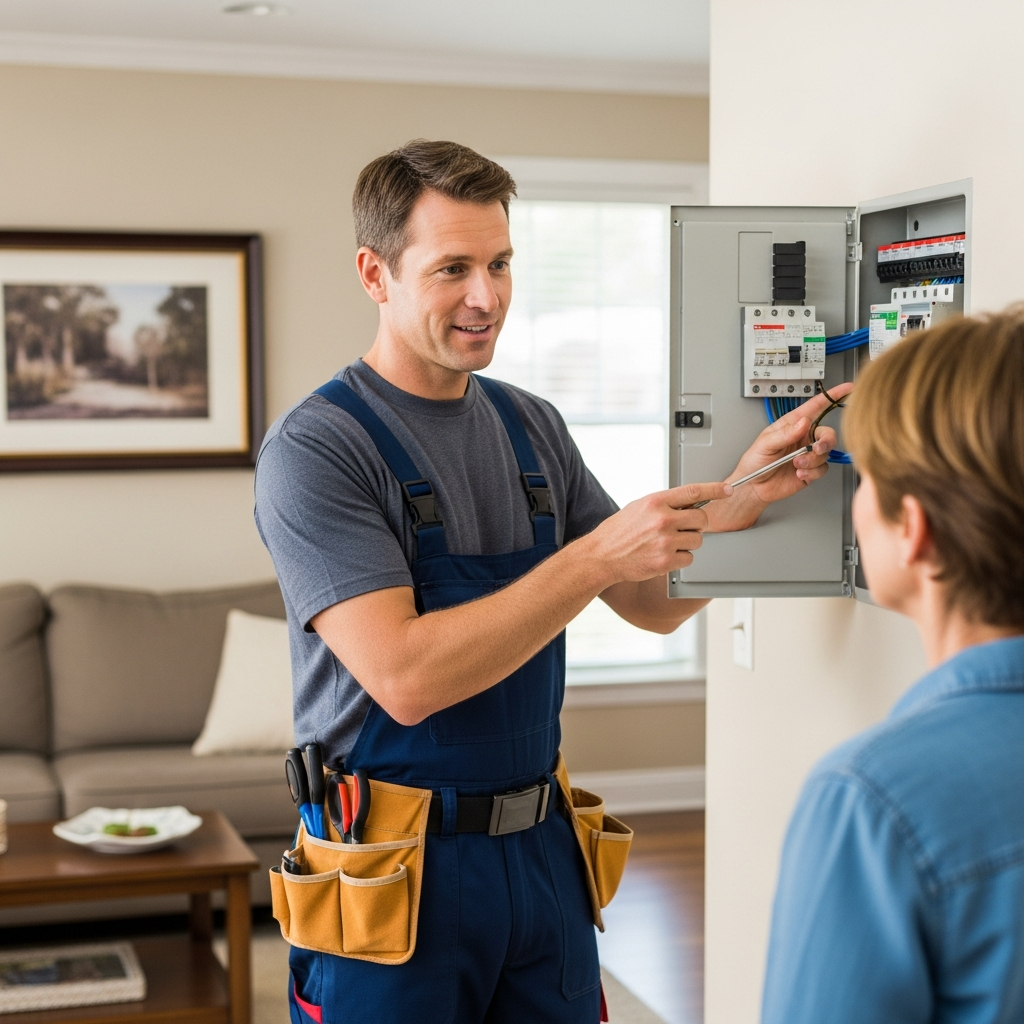
Start with a baseline electrical audit. Before you can maintain something well, you need to know what you’re actually working with. A qualified electrician will assess your current system condition, identify any immediate safety concerns, and give you an honest picture of where things stand.
From there, you build the maintenance plan around what the audit reveals. Set realistic expectations with whoever’s on your team. Budget for it as an ongoing operational cost, not a one-time project.
And then… you stay consistent. That’s genuinely it. The facilities that see the biggest long-term wins aren’t the ones with the fanciest equipment or the biggest budgets – they’re the ones that just keep showing up for the scheduled inspections, fix the small stuff before it becomes big stuff, and treat electrical maintenance like the non-negotiable it really is.
Here’s the thing about electrical systems – they’re a lot like your health. You don’t really think about them until something goes wrong. And by the time something *does* go wrong, you’re dealing with a problem that’s almost always bigger, more expensive, and more disruptive than it needed to be.
That’s the quiet power of staying ahead of it all.
When you look at everything we’ve covered – the cost savings, the safety improvements, the longer equipment life, the peace of mind that comes with knowing your system isn’t quietly working against you – it starts to feel less like maintenance and more like an investment in stability. In predictability. In not having to white-knuckle it through a busy season hoping nothing decides to fail on you.
And honestly? Most people don’t realize how much mental energy they spend *not* thinking about their electrical systems. That low-grade worry humming in the background… is the breaker panel up to code? When did we last have that transformer checked? What happens if the power goes out during peak hours? Preventive maintenance doesn’t just protect your equipment – it quiets all of that noise. There’s something genuinely freeing about knowing a professional has eyes on your system regularly.
It Doesn’t Have to Feel Overwhelming
Here’s where people sometimes get stuck – they know they *should* be doing more, but the whole thing feels like a lot. Where do you start? What actually needs attention first? Is your current setup even in bad shape, or is it fine?
These are completely reasonable questions, and you don’t have to figure them out alone. A good electrical maintenance partner won’t just hand you a checklist and disappear – they’ll actually look at your specific situation, help you prioritize what matters most right now, and work with you to build a schedule that makes sense for your budget and your reality.
Small steps, taken consistently, make an enormous difference over time. You don’t need to overhaul everything at once.
The Bigger Picture
There’s also something worth sitting with here – the ripple effect of a well-maintained electrical system touches more people than just you. Your team works in a safer environment. Your customers experience fewer interruptions. Your building’s occupants aren’t exposed to risks they don’t even know exist. Taking care of your electrical infrastructure is, in a quiet way, taking care of everyone who depends on it.
That’s not a small thing.
So if you’ve been putting this off – maybe because it felt complicated, or expensive, or just kept getting bumped down the priority list – this is a good moment to take one small action. Not a massive commitment. Just a conversation.
Reach out to a qualified electrical professional and ask for an assessment. That’s it. See where you stand. You might find out things are in better shape than you feared, or you might catch something early that saves you a serious headache down the road. Either way, you’ll know – and knowing is always better than guessing.
You’ve got enough to manage. Your electrical system shouldn’t have to be one more thing keeping you up at night. And with the right support in place, it won’t be.