What Should You Do When Breakers Keep Tripping?
You’re making dinner for the family when *click* – the kitchen plunges into darkness. Again. That’s the third time this week the breaker has tripped, and honestly? You’re starting to wonder if your house is plotting against you.
Sound familiar? You flip the breaker back on, cross your fingers, and hope for the best. But twenty minutes later – right when you’ve got three burners going and the microwave heating up leftovers – it happens again. The lights go out, the refrigerator stops humming, and you’re standing there in the dark wondering if you need to call an electrician… or an exorcist.
Here’s the thing about tripping breakers – they’re like that friend who keeps canceling plans. Sure, it might happen once or twice for legitimate reasons, but when it becomes a pattern? Something deeper is going on.
Most of us treat tripping breakers like we treat check engine lights – we acknowledge the problem exists, maybe jiggle something (flip the breaker back on), and hope it magically fixes itself. But your electrical system isn’t playing hard to get. It’s actually trying to protect you, and when breakers keep tripping, they’re essentially screaming, “Hey! Pay attention! Something’s not right here!”
The frustrating part? This always seems to happen at the worst possible moments. You’re hosting a dinner party and the dining room circuit gives up. Or you’re working from home on a crucial deadline and your office outlet decides to take an unscheduled break. It’s like your house has a sixth sense for the most inconvenient timing possible.
But before you start shopping for generators or accepting that you’ll be living like the Amish, let’s talk about what’s really happening here. Your breaker isn’t broken – well, probably not anyway. It’s doing exactly what it was designed to do: shutting down when something’s wrong to prevent bigger problems. Think of it as the electrical equivalent of your body’s immune system kicking in when it detects a threat.
The real question isn’t “Why does this keep happening to me?” – it’s “What is my electrical system trying to tell me?”
Maybe you’ve been living with this problem for months, working around it like some kind of electrical gymnast. You’ve memorized which appliances you can’t run together (definitely not the microwave and the coffee maker at the same time). You’ve developed a sixth sense about when to expect the next outage. You might have even gotten really good at navigating to the breaker panel in the dark.
But here’s what you might not realize – every time you just flip that breaker back on without figuring out why it tripped, you’re potentially putting your home at risk. I’m not trying to scare you, but overloaded circuits, faulty wiring, and electrical problems don’t just cause inconvenience. They can cause fires.
Now, I know what you’re thinking. “Great, another thing to worry about.” But actually, understanding what’s causing your breakers to trip is surprisingly empowering. Once you know what to look for, you can often prevent the problem from happening in the first place. And when you can’t? You’ll know exactly when it’s time to call in the professionals versus when you can handle it yourself.
We’re going to walk through everything you need to know about dealing with tripping breakers – from the simple fixes you can try right now (yes, even if you’ve never touched anything more electrical than a light switch) to the warning signs that mean it’s time to step back and call for backup.
You’ll learn how to play detective with your own electrical system, figure out what’s overloading your circuits, and maybe even discover that some of these problems have surprisingly simple solutions. We’ll also cover when you should definitely not try to DIY your way out of the situation… because while I’m all for empowerment, I’m also all for keeping you safe.
By the time we’re done, you’ll never have to stand in your dark kitchen wondering what to do next. Instead, you’ll know exactly how to handle the situation – and more importantly, how to prevent it from happening again.
Why Your Breakers Even Exist (And Why They’re Actually Your Friend)
Think of circuit breakers like the bouncer at a nightclub – they’re there to keep things from getting too crazy. Your electrical system can only handle so much action before things get dangerous, and breakers are literally designed to cut the party short when there’s trouble brewing.
Here’s the thing that confuses a lot of people: breakers aren’t meant to never trip. That’s like expecting your smoke detector to never go off, even when there’s actual smoke. When a breaker trips, it’s doing its job – protecting your home from electrical fires, damaged appliances, and potentially… well, let’s just say much scarier scenarios.
The Anatomy of an Overload (It’s Simpler Than You Think)
Picture your electrical circuit like a garden hose. You’ve got water (electricity) flowing through at a certain pressure (voltage), and the hose can only handle so much flow (amperage) before something gives.
Now imagine you’re trying to run your hair dryer, coffee maker, and toaster all on the same outlet. That’s like connecting three fire hoses to your poor garden hose – something’s gotta give, and it’s usually going to be dramatic.
Most standard household circuits are rated for 15 or 20 amps. Your hair dryer alone might pull 12-15 amps when it’s cranking. Add in that coffee maker (another 8-10 amps), and suddenly you’re asking your 15-amp circuit to handle 25 amps of demand. The breaker says “nope” and flips off.
Actually, that reminds me – this is why kitchen circuits are usually 20 amps instead of 15. Someone figured out that people like their morning coffee AND toast at the same time. Revolutionary thinking, really.
Different Types of Trips (Because Not All Problems Are Created Equal)
Overload trips are the most common – think of them as your electrical system saying “I’m full, thanks.” You’re simply asking for more power than the circuit can safely deliver.
Short circuit trips are more serious. This happens when hot and neutral wires touch each other directly – like crossing streams in Ghostbusters, but with potentially house-burning consequences. The massive spike in current makes the breaker slam shut almost instantly.
Ground fault trips occur when electricity finds an unintended path to ground – maybe through you, which is obviously not ideal. These trips happen lightning-fast because your safety is literally on the line.
The Reset Dance (And Why It Sometimes Doesn’t Work)
Here’s something that drives people crazy: sometimes you flip the breaker back on and it immediately trips again. It’s like trying to restart a crashed computer that keeps blue-screening – frustrating, but there’s usually a reason.
When a breaker won’t stay on, it’s telling you the problem hasn’t gone away. Maybe that short circuit is still there, or you’re still overloading the circuit. The breaker isn’t being stubborn – it’s being protective.
Some breakers have this weird middle position when they trip, too. You might flip the switch to “on” but nothing happens because you need to push it all the way to “off” first, then back to “on.” It’s like the electrical equivalent of turning something off and on again… which, let’s be honest, fixes about 80% of all problems in life.
When Multiple Breakers Start Acting Up
If you’re dealing with several breakers tripping regularly, that’s like having multiple warning lights pop up on your car dashboard at once – probably not a coincidence, and definitely worth investigating.
Sometimes it’s your main electrical panel getting old and cranky. Sometimes it’s your power demands outgrowing your electrical system (hello, modern life with its phone chargers, smart TVs, and electric everything). And sometimes… well, sometimes there’s a bigger issue that needs professional attention.
The tricky part is figuring out which scenario you’re dealing with. Your electrical system doesn’t come with a manual, and unlike your car, it doesn’t have helpful error codes that spell out exactly what’s wrong.
Start With the Simple Stuff (Because Sometimes It Really Is That Easy)
Before you call an electrician or start panicking about rewiring your entire house, let’s check the obvious culprits first. I know, I know – it feels almost too simple, but you’d be surprised how often the solution is right in front of us.
Unplug everything on that circuit. And I mean *everything* – even that little nightlight you forgot about. Reset the breaker by flipping it all the way to the OFF position first, then back to ON. If it stays on with nothing plugged in, you’ve just narrowed down the problem significantly. The issue isn’t with your electrical panel… it’s with something you’re plugging into it.
Now comes the detective work. Plug devices back in one at a time, waiting a few minutes between each one. When the breaker trips again – bingo. You’ve found your troublemaker. Sometimes it’s that old space heater that’s been acting up, or maybe your teenager’s gaming setup is drawing more power than you realized.
The Hair Dryer Test (Yes, Really)
Here’s something most people don’t think about: appliances don’t always fail dramatically. Sometimes they just start drawing more current than they should – like a car engine that’s slowly losing efficiency.
That hair dryer that used to work fine? It might now be pulling enough extra current to push your circuit over the edge when combined with other devices. Same goes for older microwaves, coffee makers, or any appliance with a heating element. These things age… and not always gracefully.
Try running each major appliance by itself on the problem circuit. If your microwave trips the breaker when it’s the only thing running, well, it’s time for some appliance shopping.
Map Your Circuits Like a Pro
This might sound tedious, but trust me – knowing which outlets are on which circuit will save you hours of frustration. You don’t need to be an electrician to figure this out.
Turn off one breaker at a time and walk around with a small lamp or phone charger. Plug it into every outlet in your house. The ones where it doesn’t work? Those are on the circuit you just turned off. Label them with masking tape and a Sharpie. Do this for every breaker.
Once you’ve mapped everything out, you’ll probably discover some… interesting wiring choices. Like how your kitchen outlet shares a circuit with half the living room (thanks, 1970s electrician). This knowledge becomes pure gold when you’re trying to figure out why running the blender and vacuum at the same time kills the power.
Load Management: Your New Best Friend
Sometimes the problem isn’t faulty wiring – it’s just too much demand. Modern homes are packed with electronics that previous generations never had to worry about. Your electrical system might be perfectly fine… it’s just overwhelmed.
Think of it like your Wi-Fi router – add too many devices and everything slows down. Your electrical circuits work similarly, except instead of slow internet, you get tripped breakers.
Here’s a practical trick: spread the load around. If your home office keeps tripping the breaker, try moving some devices to outlets on different circuits. Extension cords (good quality ones – not those flimsy dollar store specials) can be your friend here. Just don’t daisy-chain them together… that’s asking for trouble.
When to Wave the White Flag and Call a Professional
Look, I’m all for DIY solutions, but electricity isn’t the place to get creative. If you’ve tried everything above and breakers are still tripping – especially if multiple circuits are affected – it’s time to bring in the experts.
Also, if you notice any of these red flags, stop what you’re doing and call an electrician immediately: burning smells, scorch marks around outlets or the electrical panel, buzzing sounds from the panel, or if the breaker feels hot to the touch.
And here’s something many people don’t realize – if your house is older (we’re talking 30+ years), your electrical panel might be due for an upgrade anyway. Those old panels weren’t designed for today’s electrical demands. Sometimes what feels like a “problem” is actually your home’s way of saying it’s ready for the 21st century.
The investment might seem steep upfront, but it’s a lot cheaper than dealing with electrical fires or constantly resetting breakers every time you want to use more than one appliance.
When the “Easy” Fixes Aren’t So Easy
Look, we’ve all been there – you confidently march to the electrical panel, flip that breaker back on, and… pop. It trips again immediately. That sinking feeling in your stomach? Yeah, that’s your wallet crying.
The truth is, most electrical issues aren’t as straightforward as YouTube makes them seem. Sure, sometimes it’s just an overloaded circuit because you’re running the microwave, coffee maker, and toaster all at once (guilty as charged). But more often than not, there’s something else going on that’ll make you wish you’d called an electrician from the start.
The Sneaky Culprit: Moisture Where It Shouldn’t Be
Here’s what nobody tells you – moisture is electricity’s worst enemy, and it shows up in the weirdest places. That GFCI outlet in your bathroom that keeps tripping? It might not be faulty at all. Steam from hot showers can work its way into outlet boxes over time, especially in older homes where the sealing isn’t perfect.
I’ve seen people replace perfectly good GFCI outlets three times before realizing the real problem was a tiny leak behind the wall from old plumbing. The fix? Sometimes it’s as simple as improving bathroom ventilation with a better exhaust fan. Other times… well, that’s when you’re looking at opening walls.
The frustrating part is that moisture-related issues are intermittent. Your breaker might work fine for weeks, then suddenly start acting up during humid weather or after long showers. It’s like trying to catch a ghost.
Arc Faults: The Invisible Troublemaker
Arc fault circuit breakers are supposed to protect you, but they can be overly sensitive – kind of like that friend who takes everything personally. These breakers detect electrical arcing, which sounds great in theory. In practice? They sometimes trip when you plug in certain appliances, use dimmer switches, or even when old wiring expands and contracts with temperature changes.
The challenge here is that you can’t just “see” an arc fault like you can see a tripped breaker. And here’s the kicker – sometimes the problem isn’t actually dangerous arcing, but rather electromagnetic interference from things like fluorescent lights, variable speed motors, or even some LED bulbs.
Before you assume your arc fault breaker is defective (though sometimes they are), try unplugging everything on that circuit and plugging devices back in one at a time. You might discover that your old vacuum cleaner or that cheap LED strip is the real culprit.
The Load Calculation Headache
Everyone talks about overloaded circuits like it’s obvious, but calculating electrical load isn’t as simple as counting outlets. Different appliances draw different amounts of power at different times, and some have huge startup surges that can trip breakers even when the overall load seems reasonable.
Take your air conditioning unit. It might run fine most of the time, but on really hot days when it’s cycling on and off frequently, that startup surge combined with other appliances can push your circuit over the edge. The solution isn’t always adding more circuits – sometimes it’s about managing when things run.
When “Professional Help” Gets Complicated
Here’s something nobody warns you about – not all electricians are created equal. Some are great with new construction but struggle with troubleshooting older homes. Others excel at residential work but might be stumped by modern smart home devices that create unexpected electrical behaviors.
The honest truth? Finding the right electrician for your specific problem can take a few tries. Don’t be afraid to get a second opinion, especially if the first diagnosis seems overly expensive or doesn’t quite make sense. A good electrician will explain what they’re finding in terms you understand, not just hand you a bill.
The Reality Check
Sometimes the solution is genuinely expensive. Old wiring needs replacement. Panels need upgrades. That’s just reality in older homes. But before you panic about rewiring your entire house, make sure you’ve ruled out the simpler stuff – loose connections, worn outlets, or appliances that are on their last legs.
The key is being methodical. Start with the easy checks, document what you find, and don’t be afraid to call for help when you’re in over your head. Electricity isn’t forgiving of amateur hour, and your family’s safety is worth more than saving a few bucks on a service call.
What to Expect During Your First Few Weeks
Let’s be honest – fixing tripping breakers isn’t exactly a weekend DIY project. You’re probably hoping I’ll tell you it’s a simple flip-the-switch solution, but… well, electrical issues are rarely that straightforward.
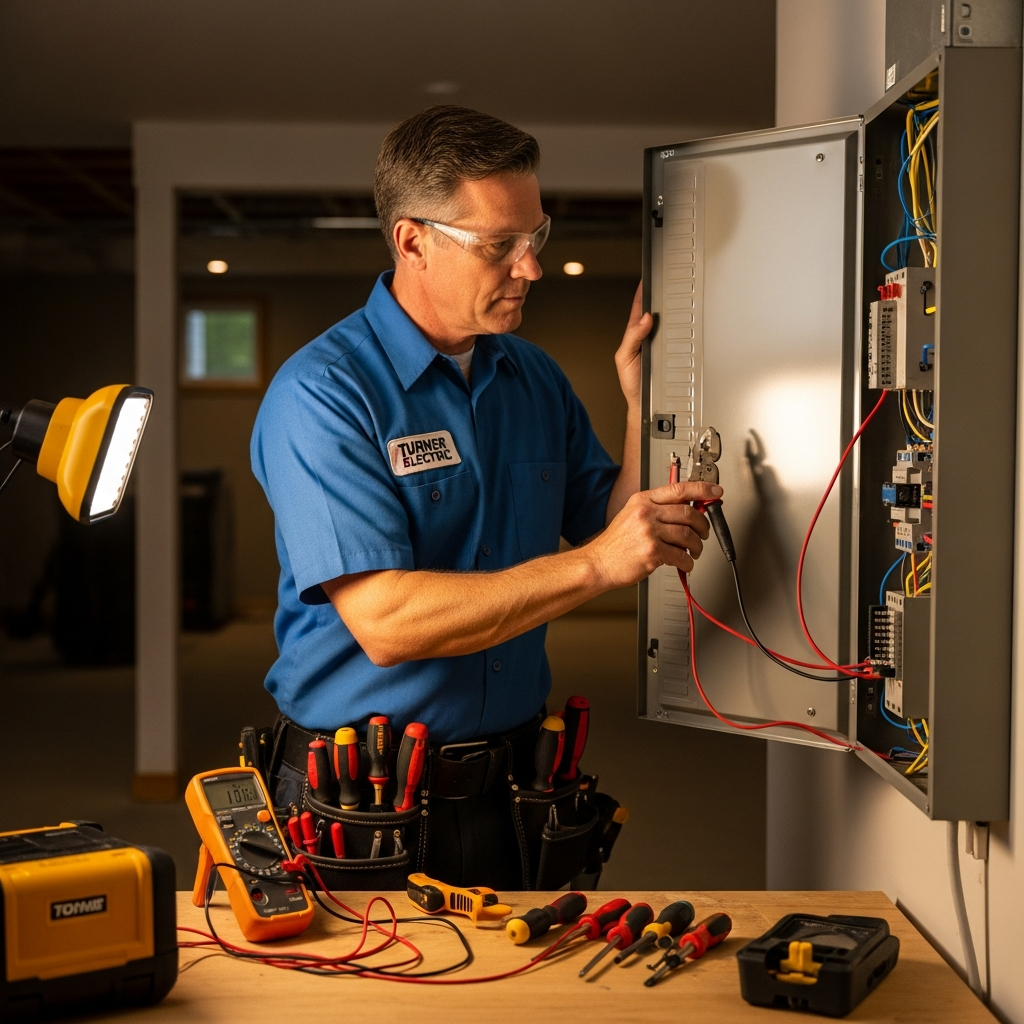
If you’ve called an electrician, expect them to spend at least an hour doing detective work. They’ll test outlets, check connections, and maybe even pull out some fancy equipment that looks like it belongs on a spaceship. Don’t be surprised if they can’t pinpoint the exact problem immediately – electrical gremlins love to hide.
The timeline? Here’s the reality: Simple fixes (like a faulty outlet) might get resolved the same day. But if you’re dealing with outdated wiring or need a panel upgrade… that’s a different story. Panel replacements typically take 4-6 hours and cost anywhere from $1,500 to $3,000. I know, I know – not exactly what you wanted to hear while your coffee maker sits useless on the counter.
The “It’s Still Happening” Phase
So your electrician came, replaced some things, gave you the all-clear… and then the breaker trips again two days later. Before you start questioning their competence (or your sanity), take a breath. This happens more than you’d think.
Sometimes electrical problems are like that nagging cough – they seem fixed until they’re not. Your electrician might need to come back for what we call a “callback visit.” Good contractors usually include these in their service guarantee, so you shouldn’t pay extra for round two.
Keep a simple log if the tripping continues. What time did it happen? What was running? Was it raining? (Seriously, moisture can cause all sorts of electrical mischief.) This information helps your electrician narrow down the culprit faster.
Living with Temporary Workarounds
While waiting for repairs – or between electrician visits – you might need to get creative with your power usage. Think of it as electrical meal planning, but instead of calories, you’re managing amps.
Unplug non-essential devices. That second refrigerator in the garage? Maybe it can take a brief vacation. Space heaters are notorious circuit bullies, so if you’re using them… well, you might need to embrace some extra layers for a few days.
Here’s a pro tip that took me years to learn: extension cords aren’t the enemy, but using them permanently is like putting a band-aid on a broken bone. They’re fine for temporary situations, but don’t make them your long-term solution.
When Things Get More Complicated
Sometimes – and I’m trying to break this gently – the problem runs deeper than a simple fix. If your home is older (we’re talking pre-1980s), you might be looking at a more extensive electrical update.
Signs you’re in for a bigger project? Multiple circuits acting up, flickering lights throughout the house, or your electrician using phrases like “this whole panel needs to go.” It’s like finding out you need a root canal when you came in for a cleaning – not fun, but necessary.
The good news? Modern electrical systems are incredibly reliable. Once you’ve addressed the underlying issues, you probably won’t think about your breakers again for years. It’s an investment in peace of mind… and in being able to run your hair dryer and microwave simultaneously.
Planning for Success
Before your electrician arrives (or returns), do yourself a favor and clear access to your electrical panel. Move those storage boxes, holiday decorations, and whatever else has migrated to that corner of the basement or garage. Nothing slows down a job like having to play Tetris with your Christmas ornaments.
Also – and this might sound obvious – make sure someone will be home during the scheduled time. Electrical work often reveals surprises that require decisions. Do you want the outlet moved six inches to the left? Should we upgrade to GFCI outlets while we’re here? These aren’t choices your electrician can make without you.
The bottom line? Expect the process to take a bit longer than you’d prefer, cost a bit more than you’d hoped, but ultimately solve a problem that would only get worse if ignored. Your future self – the one who can toast bagels and blend smoothies without fear – will thank you.
You’ve Got This – But You Don’t Have to Go It Alone
Look, electrical issues can feel overwhelming. One minute you’re making breakfast, the next you’re standing in a dark kitchen wondering if your house is plotting against you. But here’s the thing – you’re not powerless in this situation, and most of the time, these problems have straightforward solutions.
We’ve covered a lot of ground here… from checking for obvious overloads to understanding when it’s time to call in the professionals. The truth is, many tripping issues come down to simple fixes you can handle yourself. Maybe it’s that space heater working overtime, or perhaps you’ve been asking too much of one circuit. Sometimes it really is that straightforward.
But let’s be honest – electricity isn’t something to mess around with. If you’ve tried the basic troubleshooting steps and you’re still dealing with frequent trips, or if you’re seeing any warning signs like burning smells, warm outlets, or scorch marks… well, that’s your electrical system asking for professional attention. And you know what? There’s no shame in making that call.
Think of it like this: you wouldn’t ignore chest pains or let a weird noise in your car go unchecked for months. Your home’s electrical system deserves that same level of attention. After all, it’s working 24/7 to keep your life running smoothly – powering everything from your morning coffee maker to your late-night Netflix binges.
The key is knowing what you can handle and what requires expertise. You’re perfectly capable of resetting breakers, checking for overloaded circuits, and making simple adjustments to your electrical usage. But when it comes to panel upgrades, rewiring, or diagnosing complex electrical faults? That’s when experience and proper tools make all the difference.
Here’s something I want you to remember – asking for help isn’t admitting defeat. It’s being smart. Professional electricians have seen every possible scenario, and what seems like a major crisis to you might be a routine fix for them. Plus, they can spot potential problems before they become expensive headaches.
If you’re feeling uncertain about any electrical issue in your home, don’t let it keep you up at night. Whether you need a quick consultation to ease your mind or a full electrical inspection to get to the bottom of persistent problems, reaching out is always the right choice.
Ready to get some peace of mind? Our team understands that electrical problems can be stressful – that’s why we’re here to help, whether you need quick advice or hands-on solutions. Give us a call, and let’s figure out what your electrical system is trying to tell you. No judgment, no pressure, just straightforward help from people who genuinely want to keep your home safe and your lights on.
Sometimes the best thing you can do is simply pick up the phone. We’re here when you’re ready.