Decoding the Profession: What Does An Electrician Do?
Introduction
Have you ever found yourself in the dark during an unexpected power outage, wondering how it all works? Or perhaps you’ve been intrigued by the complex network of wires and circuits that power up your home or office? If so, you are not alone. These questions often lead us to one professional, the unsung hero of our day-to-day life – the electrician.
In our modern, technology-driven world, electricity is more than just a convenience; it’s a necessity. It powers everything, from the device you’re using to read this article to the appliances that make your life comfortable. But who ensures that these vital systems are operating efficiently and safely? Enter the electrician, a technician whose expertise is crucial to our daily lives.
The role of an electrician extends beyond merely fixing a blown fuse; it’s a multifaceted profession, demanding a unique blend of practical skills, problem-solving abilities, and in-depth knowledge. This blog post will delve into the fascinating world of electricians. We’ll explore what they do, the role of a master electrician, and why you should always have a reliable electrician near you.
But why should you care about what an electrician does? Well, as long as we rely on electricity, we will need electricians. Understanding their role can help you appreciate the complexity and importance of their work. Moreover, it can also aid you in being more informed when dealing with electrical issues around your home or workplace.
What Does An Electrician Do?
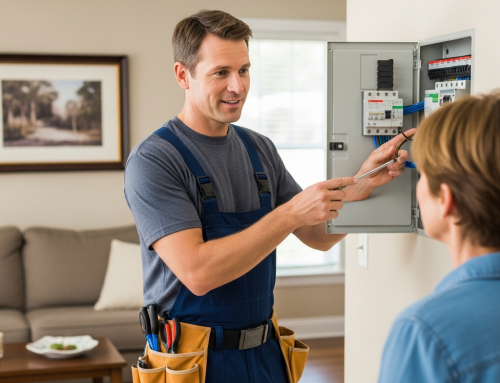
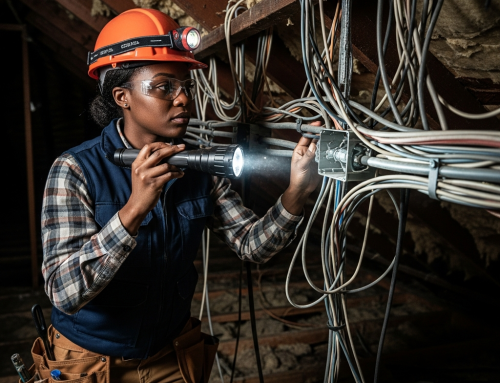
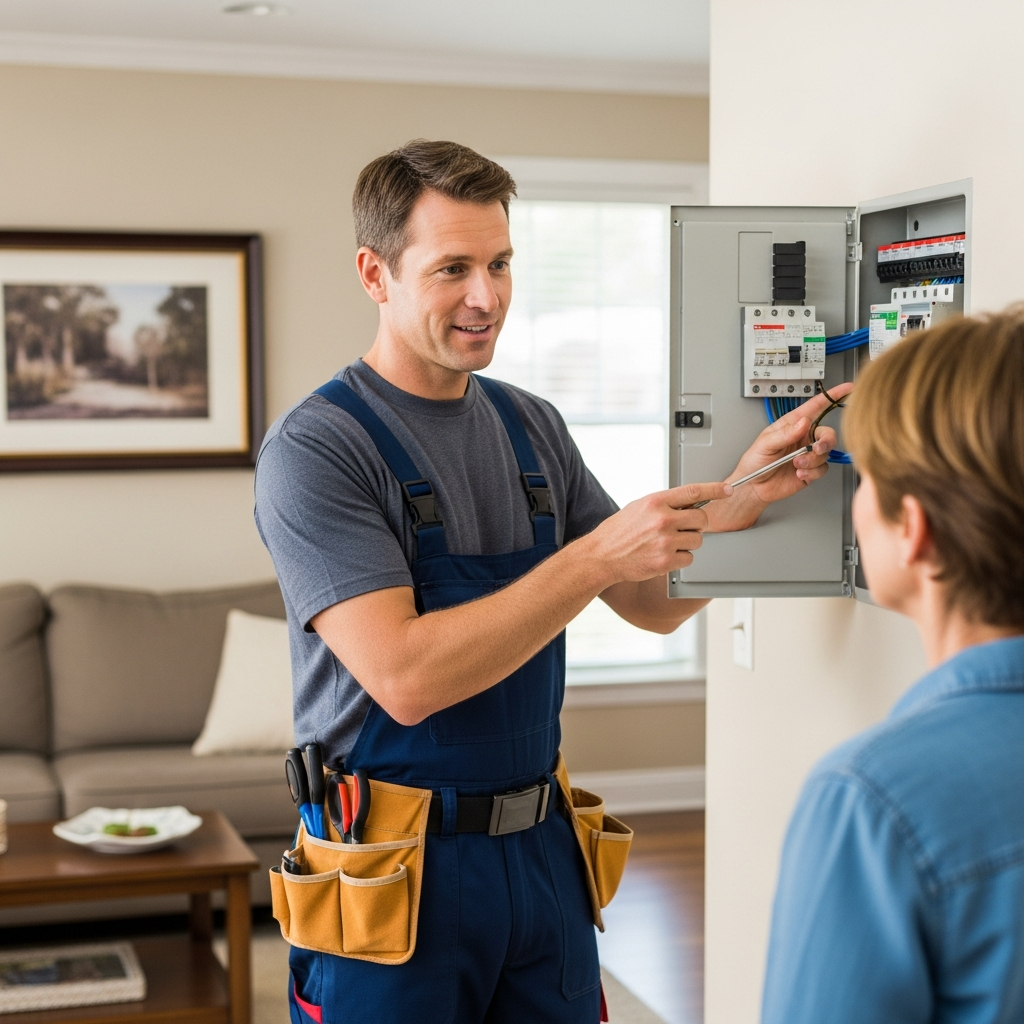
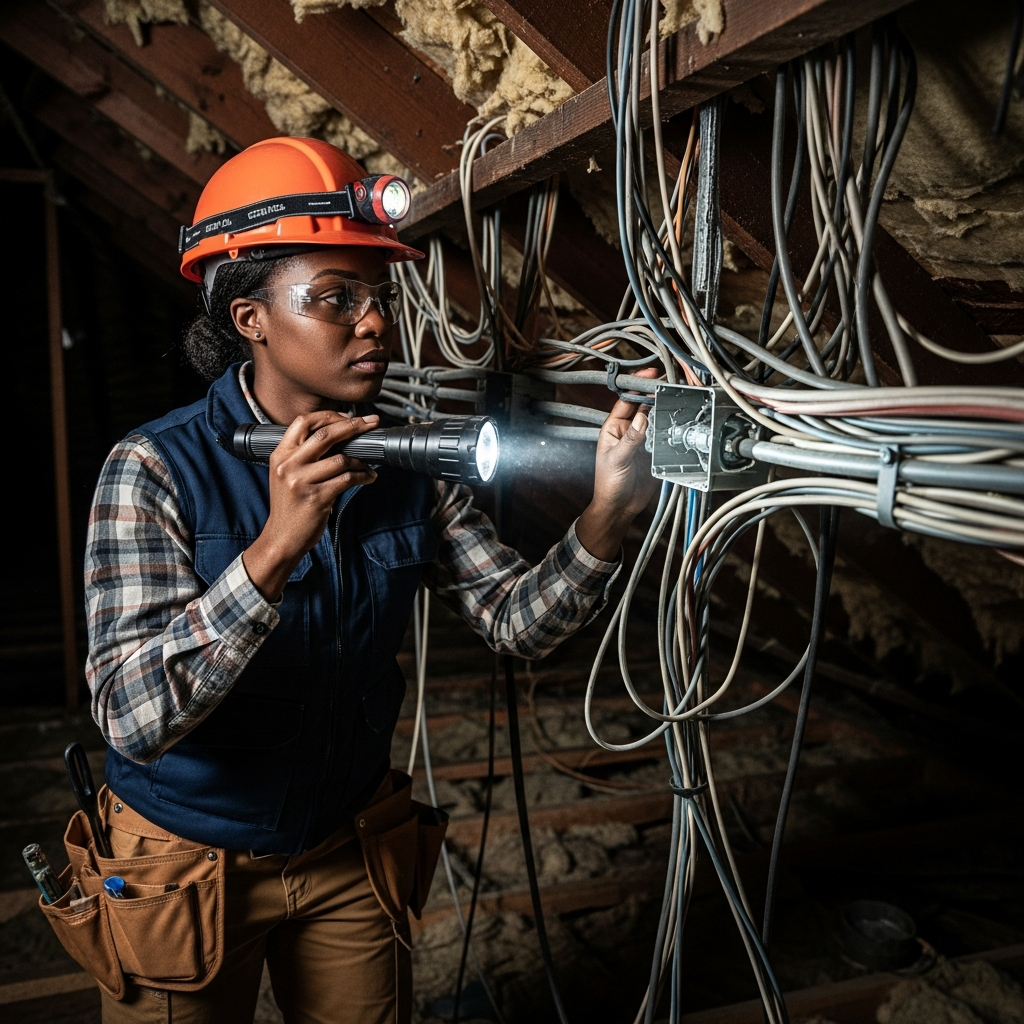
Electricians are skilled tradespeople who install, maintain, and repair electrical systems and equipment. They work in numerous settings – from residential homes to commercial buildings, and industrial facilities. Their tasks range from wiring new construction to maintaining existing electrical infrastructure and troubleshooting problems when things go awry.
Master Electrician: The Pinnacle of The Profession
A master electrician is at the top of their trade. They have gained extensive experience and additional certifications, allowing them to undertake complex electrical projects. They can design electrical systems, supervise other electricians, pull permits, and ensure that all work is in compliance with local and national electrical codes.
The Importance of Having an Electrician Near You
Having a reliable, local electrician is invaluable. Electrical issues often require immediate attention to prevent further damage or potential hazards. A nearby electrician can respond quickly, ensuring your safety and minimizing disruption to your daily activities.
So, stay tuned as we delve deeper into the electrifying world of electricians. We will uncover the intricacies of their work, the journey to becoming a master electrician, and the advantages of having a trusted electrician just a phone call away. Whether you’re simply curious or considering a career in this field, this blog post will illuminate the path for you.
In conclusion, understanding the role of an electrician is crucial in our increasingly electrified world. It allows us to appreciate the hard work that goes into powering our daily lives. Through this blog post, we hope to shed light on this essential but often overlooked profession that keeps our world running smoothly and safely. So, buckle up and prepare for an exciting journey into the world of electricity!
What Does an Electrician Do? An In-Depth Look at the Role and Responsibilities
Electricians are skilled professionals whose work is integral to our everyday lives. Without their expertise, the lights we switch on, the appliances we use, and the devices we depend on wouldn’t function. This article aims to provide a comprehensive overview of what electricians do, their areas of specialization, and the stringent training they undergo.
At the core, electricians are responsible for installing, maintaining, and repairing electrical power systems, lighting, and control systems in homes, businesses, and factories. They ensure that these systems work efficiently and safely. The role is quite diverse and can involve a range of tasks from changing a light bulb to completely rewiring a building.
There are primarily two types of electricians: residential and commercial. Residential electricians work in private homes and residential properties. They troubleshoot electrical issues, install new systems during construction, perform maintenance tasks, and make sure all electrical systems comply with local building codes.
Commercial electricians, on the other hand, operate in more complex environments such as businesses, factories, and large industries. They handle heavier equipment and larger power systems. Their work often involves installing, maintaining, and repairing motors, industrial robots, electrical control systems, and other large-scale electrical equipment.
Regardless of the type, all electricians follow a set of standard procedures. This usually starts with reading blueprints or technical diagrams that show the locations of circuits, outlets, load centers, panel boards, and other equipment. They then install and connect wires to circuit breakers, transformers, outlets or other components and systems. After installation, they use testing devices like ohmmeters, oscilloscopes, or voltmeters to test connections and ensure the compatibility and safety of components.
The work of an electrician also involves critical thinking and problem-solving skills. They must identify issues within the electrical system and determine the best solution. Sometimes, it may involve repairing a faulty circuit breaker, and other times, it may require replacing an entire electrical system. For this reason, electricians need to be well-versed in safety procedures and regulations to minimize potential risks and ensure their safety and that of others.
Becoming a skilled electrician involves rigorous training and education. Typically, an aspiring electrician starts with a high school diploma or equivalent, followed by attending a technical school. They then go through an apprenticeship program that can last between four to five years, combining on-the-job training with classroom instruction.
During this apprenticeship, they learn about electrical theory, blueprint reading, mathematics, electrical code requirements, and safety and first-aid practices. They may also receive specialized training related to soldering, communications, fire alarm systems, and elevators.
Upon completion of the apprenticeship, they become journey workers and can work independently. Some electricians choose to gain further specialization and become master electricians, which requires several more years of experience and passing a comprehensive exam.
Moreover, electricians need to be licensed to operate. The licensing requirements vary by state but generally involve passing an exam that tests knowledge of electrical theory, the National Electrical Code, and local electrical and building codes.
In conclusion, the work of an electricians is crucial for the smooth operation of our residences, businesses, and industries. They are skilled professionals who ensure that our electrical systems are safe, efficient, and up-to-code. Their job is complex and requires significant training and expertise, making them an indispensable part of our communities.
What Does an Electrician Do? A Deep Dive into the Profession
Whether it’s a flickering light, a power outage, or a new house under construction, we often need the support of an electrician to solve and manage our electrical needs. Electricians are skilled professionals who install, repair, and maintain electrical systems in homes, businesses, and factories. They ensure that these systems work efficiently and safely. But what does an electrician do in detail? Let’s delve into their everyday tasks, responsibilities, different levels of expertise, and how you can find one near you.
## The Everyday Tasks of an Electrician
An electrician’s responsibilities vary based on the job at hand. On any given day, they might be performing a range of tasks such as reading blueprints, installing wiring and lighting systems, inspecting electrical components, diagnosing problems, repairing or replacing equipment, and adhering to state and local building regulations.
For instance, if you’re facing a power outage at home, an electrician would first identify the cause by inspecting your home’s circuit breakers, fuses, and other electrical components. They might use devices like ammeters, ohmmeters, and voltmeters to test connections and ensure the compatibility and safety of components. Once the issue is diagnosed, they would then repair or replace the faulty components to restore power.
## The Role of a Master Electrician
A Master Electrician stands at the pinnacle of the profession. With extensive experience and additional certifications, they often take on larger projects or assume supervisory roles.
To illustrate, let’s say a new shopping mall is being built in your city. A Master Electrician would be involved in planning the entire electrical layout of the mall. They would read blueprints and schematics, design the lighting system, ensure that the electrical load is evenly distributed across circuits, and oversee the work of other electricians on the project. In addition, they would also inspect and test the installed systems to ensure that they comply with all pertinent codes and safety standards.
## Finding an Electrician Near You
Finding a qualified electrician near you is crucial when you’re in need. Here are some actionable steps to help you find one
1. **Online Search**: Simply typing ‘electrician near me’ in your search engine can bring up a list of professionals in your area. Most electricians today have websites where they list their services, expertise, and contact information.
2. **Online Directories**: Websites like Angie’s List, HomeAdvisor, or the Better Business Bureau are great resources to find reputable electricians. These sites often include customer reviews which can give you an idea about the quality of their service.
3. **Local Recommendations**: Word-of-mouth is as powerful as ever. Ask your neighbors or local businesses about the electricians they’ve used and their experiences.
4. **Check Certifications and Licenses**: Before hiring an electrician, make sure they are fully certified and licensed. Additionally, a Master Electrician should have a master’s license, indicating higher expertise and experience.
5. **Get an Estimate**: Before giving the go-ahead, get an estimate for the work to be done. This will help you avoid unexpected costs.
In conclusion, electricians play a vital role in our everyday lives, ensuring that our homes, workplaces, and public spaces are safely powered. Their skills range from basic troubleshooting to complex installations, and their expertise can be invaluable when electrical issues arise. Whether you need a simple repair or a total electrical system overhaul, knowing what an electrician does and how to find one can save you time, money, and potential headaches down the line.
What Does an Electrician Do? Unveiling the Hidden Wires of Their Work
Electricians are skilled tradespeople who play a crucial role in ensuring that our homes, offices, and industries are powered up, safe, and efficient. However, their job is often misunderstood and underestimated. This article aims to shed light on what electricians do, common challenges they face, viable solutions, and some expert tips for those interested in pursuing this career path or seeking an electrician’s service.
Electricians are responsible for installing, maintaining, and repairing electrical systems in various settings. They read and interpret blueprints and technical diagrams, install wiring and lighting systems, inspect electrical components like transformers and circuit breakers, identify electrical problems with various testing devices, repair or replace faulty wiring, equipment, or fixtures, follow state and local building regulations based on the National Electric Code, and train other workers to install, maintain, or repair electrical wiring or equipment.
A primary misconception is that all electricians do the same type of work. However, there are different types of electricians including residential electricians who install wiring and solve electrical problems in homes, and commercial electricians who work on large scale projects in businesses, factories, and industries. Master Electricians are those who have passed a standardized test and have two years of experience. They know the National Electric Code, their state’s modifications to it, and are qualified to plan, design, install, and maintain an electrical system.
One common challenge that electricians face is working under dangerous conditions including electric shock, falls, and burns. This is why electricians need to follow strict safety protocols to ensure their well-being. Another challenge is keeping up-to-date with ever-evolving technological advancements in the field of electricity and electronics. In this digital era where smart homes and renewable energy sources are becoming increasingly popular, electricians need to continually learn new skills.
The solution to these challenges lies in proper training and continuous education. Vocational training programs for electricians usually incorporate safety instruction as part of their curriculum. Moreover, many electricians begin their career as an apprentice, working under the tutelage of a seasoned professional who can guide them on the best safety practices. To keep up with technology, electricians should pursue additional courses and certifications, attend seminars, workshops, and trade shows.
When searching for an electrician, a tip is to look for ‘electrician near me’ online. This will provide a list of local electricians which is important as they are more familiar with the local codes and regulations. Also, check for valid licenses and ensure they are bonded and insured to protect yourself from unnecessary costs and damages.
Here are some best practices for electricians
1. Safety First: Electricians should always prioritize safety by wearing protective equipment, using insulated tools, and adhering to all safety protocols.
2. Continuous Learning: Stay updated with the latest trends, technologies, and safety procedures in the industry through continuous learning and development.
3. Professionalism: Show integrity and professionalism in all dealings with clients, from punctuality to providing clear and transparent quotations.
4. Communication Skills: Good communication skills are vital. Electricians should be able to explain complex issues to clients who may not have a technical background.
5. Detailed Documentation: Keep detailed records of all work done, including inspections and repairs. This not only protects you but also provides the client with a history of electrical work done.
In conclusion, an electrician’s job is far more than just fixing wires. It is a challenging profession that requires technical skills, continuous learning, and utmost dedication to safety. Whether you are planning to become an electrician or need one to fix an issue, understanding what they do can help you appreciate the complexity and value of this profession.
What Does An Electrician Do? Expectations, Timelines, and Next Steps
Whether you’re encountering a faulty outlet, installing new light fixtures, or building a new home, you’re likely to need the expertise of an electrician. These skilled professionals are integral to ensuring that our homes, offices, and public buildings are powered safely and effectively. But what actually does an electrician do? Understanding their role, the typical timelines involved, and the next steps to engage an electrician can help you make informed decisions about your electrical needs.
An electrician is a licensed professional who installs, repairs, and maintains all electrical systems in a wide range of settings. Their work may involve residential homes, commercial buildings, and industrial facilities. Electricians ensure that electrical systems are safe, efficient, and in compliance with all relevant codes.
It’s important to distinguish between different levels of electricians. A journeyman electrician has completed an apprenticeship and can work independently, but a master electrician has further qualifications and experience. They can design electrical systems, lead teams, and obtain permits for electrical work. If you’re looking for an electrician near you, consider their level of expertise and whether it matches with your needs.
Understanding the Scope of an Electrician’s Work
Electricians deal with a broad range of tasks. They interpret blueprints and technical diagrams, install wiring and lighting systems, inspect electrical components, diagnose problems using specialized devices, and repair or replace equipment, electrical wiring, or fixtures. They also ensure safety standards and building codes are met.
When it comes to installation in new construction projects or significant renovations, electricians typically follow blueprints to install new systems. This might involve installing outlets, fixtures, or wiring. For maintenance or repair work, electricians diagnose problems and then repair or replace the necessary parts.
The Timelines of an Electrician’s Work
The timeline of an electrician’s work can vary greatly depending on the complexity and scale of the project. Simple jobs such as installing a new outlet or light fixture might be done in a few hours, while wiring a whole house can take several days or even weeks. Emergency repairs can often be done on the same day, but sometimes parts may need to be ordered, extending the timeline.
Next Steps: Working with an Electrician
If you think you need an electrician, the first step is to define your problem or needs as clearly as possible. This can help the electrician make an initial assessment and provide a rough estimate for the work.
Next, search for a reputable electrician near you. You can do this by asking for recommendations from friends or family, searching online, or checking with organizations like the National Electrical Contractors Association. When choosing an electrician, consider factors like their qualifications, experience, reputation, and whether they are licensed and insured in your state.
Once you’ve chosen an electrician, they will typically conduct a site visit to understand the scope of the work and provide a more accurate estimate. This is a good time to ask any questions you have about the process, timelines, and costs involved.
In conclusion, electricians play a vital role in keeping our homes and buildings safe and powered. By understanding what an electrician does, the typical timelines involved, and how to engage one, you can ensure that your electrical needs are met effectively and efficiently. Always remember, working with electricity can be dangerous, so it’s always best to hire a professional for all your electrical needs.
In conclusion, the role of an electrician is incredibly vital in our daily lives. They ensure our homes, offices, and industries are equipped with safe and functional electrical systems. Electricians have a broad range of responsibilities that go beyond simply installing wiring and lighting fixtures. They are trained professionals who design, install, maintain, and repair electrical systems to ensure our safety and comfort. The importance of their role cannot be overstated as they make it possible for us to use our appliances, keep our homes lit, power our factories, and much more.
At the heart of an electrician’s role is safety. They are knowledgeable about the various safety codes and regulations and work diligently to adhere to these rules in every project they handle. They carry out inspections to detect any potential hazards and rectify them promptly. They also educate their clients on safe practices to prevent electrical accidents. This commitment to safety is not only crucial for preventing accidents but also for ensuring the durability and efficiency of the electrical systems installed.
Electricians also play a significant role in energy conservation. They advise on energy-efficient appliances and systems, install them, and even carry out energy audits. In this era of growing environmental awareness, the role of the electrician in promoting sustainable energy use is increasingly important.
Furthermore, electricians are problem solvers. They diagnose problems accurately and quickly provide effective solutions. This requires a deep understanding of electrical systems and strong analytical skills. It’s worth noting that electricians don’t only respond to emergencies; they also perform routine maintenance checks to prevent problems before they happen.
The complexity of an electrician’s work cannot be underestimated. It takes a thorough professional training program, technical knowledge, practical skills, and even personal attributes like attention to detail, problem-solving skills, and physical stamina. It’s a profession that requires continuous learning due to the regular updates in technology and safety regulations.
Now that you understand what an electrician does, it’s clear that any electrical work, whether at home or in your business premises, should be left to professionals. Attempting to handle electrical tasks without the necessary skills and knowledge can lead to serious accidents or damage.
Here at our company, we have a team of certified electricians ready to assist you with all your electrical needs. They have undergone extensive training and have years of experience handling a wide range of electrical tasks. Our electricians are committed to providing high-quality services that meet safety standards.
Don’t take chances with your safety or the safety of those around you when it comes to electrical matters. Whether you need an installation, repair, maintenance, or just advice on energy-efficient systems, don’t hesitate to reach out to us. Contact us today, and let our professional electricians provide the safe and efficient solutions you need.