7 Myths About Electrical Repairs Debunked
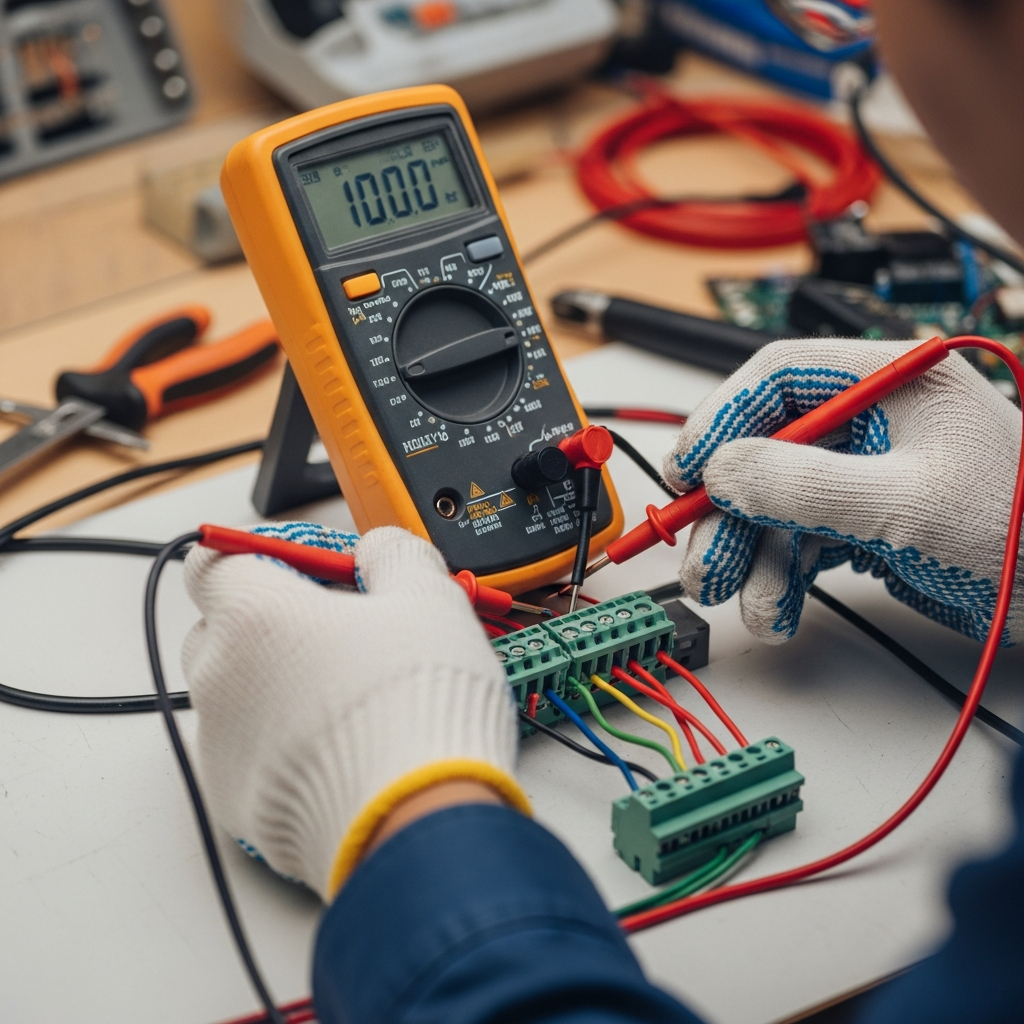
You’re standing in your kitchen at 7 AM, coffee maker plugged in, ready for that first blessed cup… and nothing happens. The outlet’s dead. Your mind immediately starts racing – *How much is this going to cost? Should I just jiggle the plug? Maybe if I flip the breaker a few times?*
We’ve all been there, haven’t we? That moment when something electrical goes wrong and suddenly you’re torn between panic and the overwhelming urge to “just try something quick” before calling in the professionals. Your neighbor swears you can fix anything with electrical tape. Your brother-in-law insists all electricians are trying to rip you off. And somewhere in the back of your mind, you’re wondering if that YouTube video about rewiring outlets is actually as easy as it looks…
Here’s the thing – electrical problems have this unique way of making us feel completely helpless while simultaneously tempting us to become weekend warriors. It’s like our homes are speaking a language we don’t quite understand, and when something goes wrong, we’re left guessing whether it’s a whisper or a scream.
The internet doesn’t help much either. You’ll find everything from “5-minute electrical fixes that will save you hundreds!” to horror stories about house fires that started with “just a little spark.” Meanwhile, you’re standing there holding a screwdriver, wondering if you’re about to save money or accidentally recreate a scene from a disaster movie.
But here’s what really gets me – and what probably brought you here today – it’s not just about the immediate problem. It’s about all those nagging questions that keep popping up every time you flip a switch or plug something in. *Should that light flicker like that? Is it normal for the outlet to feel warm? Why does the power go out every time I use the hair dryer and microwave at the same time?*
These aren’t just random curiosities. They’re the questions that keep you up at night (literally, if your bedroom outlet starts making weird noises). They’re the difference between feeling confident in your home and constantly worrying that you’re one power surge away from… well, something expensive and potentially dangerous.
The problem is, there’s so much misinformation floating around about electrical work. Some of it’s harmless – like thinking you need to replace perfectly good outlets just because they look old. But some of it? That can actually put you and your family at risk.
I’ve watched friends spend hundreds of dollars on unnecessary electrical work because they believed every outlet in an older home was a “fire hazard waiting to happen.” I’ve also seen people ignore genuine warning signs because someone told them “a little sparking is totally normal.” Neither extreme is helpful – or safe.
What you really need is someone to cut through all the noise and give you the straight story. Not the scare tactics from contractors looking for big jobs, and definitely not the overconfident advice from that guy who “knows about electrical stuff” because he changed a light bulb once.
You want to know what’s actually dangerous versus what’s just annoying. When you really need an electrician versus when you can handle something yourself. How to spot the difference between a minor inconvenience and a major problem that needs immediate attention.
Most importantly, you want to feel informed enough to make smart decisions about your home’s electrical system without second-guessing every choice or falling for unnecessary upgrades.
That’s exactly what we’re going to tackle. We’ll look at seven of the most persistent myths about electrical repairs – the ones that either cost homeowners money they don’t need to spend or put them at risk they don’t need to take. You’ll learn which “emergency” situations can actually wait until morning, which DIY electrical tasks are genuinely safe for beginners, and how to have productive conversations with electricians without feeling like you’re being taken for a ride.
By the time we’re done, you’ll have a much clearer picture of what’s really going on behind your walls… and what’s just electrical folklore that needs to be put to rest once and for all.
Why We Get Electrical Stuff So Wrong
Here’s the thing about electricity – it’s invisible, which makes it the perfect breeding ground for myths. Think about it… you can see a leaky pipe, feel a loose floorboard, even smell gas. But electricity? It just does its thing behind the scenes until something goes spectacularly wrong.
Most of us learned about electricity in high school physics (if we stayed awake), and honestly, that’s where the trouble starts. We got these oversimplified explanations that worked fine for passing tests but don’t really help when you’re staring at a sparking outlet at 11 PM on a Sunday.
The Real Basics You Actually Need to Know
Let me paint you a picture. Electricity is basically like water flowing through pipes – except the “water” is electrons, and the “pipes” are wires. The pressure pushing the water? That’s voltage. The amount of water flowing? That’s current (measured in amps). And just like water pipes can only handle so much pressure before they burst, electrical systems have limits too.
Now here’s where it gets interesting… and a little counterintuitive. You’d think more voltage always means more dangerous, right? Well, sort of. It’s actually the combination of voltage AND current that determines how much damage electricity can do. You can get zapped by static electricity (thousands of volts!) and just feel annoyed, but stick your finger in the wrong place with household current and – well, let’s not go there.
The safety systems in your home are designed around this reality. Circuit breakers aren’t just there to be annoying when you run the microwave and hair dryer at the same time. They’re literally preventing your house from becoming a fire hazard.
Where the Myths Come From
A lot of electrical myths stem from our grandparents’ era – and honestly, some of them made sense back then. Houses built in the 1940s and 50s had completely different electrical systems. No GFCI outlets, no arc fault breakers, sometimes just two-wire systems without proper grounding.
So when Grandpa says “I’ve been doing it this way for forty years,” he’s not necessarily wrong about his experience. But his house might have been grandfathered in under old codes, or he might’ve just gotten lucky. It’s like saying “I’ve never worn a seatbelt and I’m fine” – that doesn’t make it smart advice.
Then there’s the internet factor. YouTube has democratized electrical work in some amazing ways (seriously, there are some brilliant electricians sharing knowledge), but it’s also created a breeding ground for dangerous shortcuts and half-truths. Someone posts a video showing how they “fixed” something, and suddenly that becomes gospel… even if it violates every safety code known to humanity.
The Safety Standards That Actually Matter
Modern electrical codes aren’t arbitrary bureaucratic nonsense – they’re written in blood, as they say. Every rule exists because someone, somewhere, got hurt or died. That sounds dramatic, but it’s true.
Take GFCI outlets – those ones with the test and reset buttons that you find in bathrooms and kitchens. They detect tiny imbalances in electrical flow (we’re talking milliseconds here) and shut off power before you become part of the circuit. Before these became standard, electrocution deaths from household accidents were much more common.
Arc fault circuit interrupters (AFCIs) are newer – they detect dangerous arcing conditions that can start fires. Your circuit breaker might not trip if a wire is slowly deteriorating behind your wall, but an AFCI will catch it.
Why Professional Electricians Exist
Look, I get it. Hiring an electrician feels expensive, especially for what seems like simple work. But here’s what you’re really paying for – years of training, understanding of local codes, proper tools, and insurance coverage.
An experienced electrician can look at your electrical panel and immediately spot problems that would take you hours of research to even understand. They know which shortcuts are actually safe (yes, there are some) and which ones will burn your house down. More importantly, they know how to test their work properly.
It’s kind of like the difference between following a recipe and being a chef. Sure, you can follow the steps, but a chef understands why the steps exist and what to do when things go wrong. They can improvise safely because they understand the fundamentals.
And honestly? Most electrical work isn’t as simple as it looks from the outside…
What to Actually Do When the Lights Go Out
Okay, so you’ve learned that electrical work isn’t always as terrifying as your uncle made it sound… but what do you actually *do* when something goes wrong? Let me share some insider secrets that’ll save you time, money, and maybe a little embarrassment.
First things first – your circuit breaker is your friend, not your enemy. When something stops working, don’t immediately call an electrician. Walk over to that gray box (usually in your basement, garage, or utility closet) and look for the switch that’s not quite lined up with the others. You know how sometimes a door doesn’t close all the way? Same thing. That breaker has “tripped” and needs to be fully switched OFF first, then back ON. I can’t tell you how many service calls could’ve been avoided with this thirty-second fix.
The Tools Every Homeowner Should Actually Have
Here’s where I’m going to contradict half the internet – you don’t need a massive toolbox. But you *do* need these specific items
A non-contact voltage tester (about $20) that beeps when electricity is present. This little gadget will become your security blanket. No more guessing whether that outlet is live or dead. And honestly? Even electricians use these constantly.
Get yourself a decent headlamp – not a flashlight you’ll drop while trying to peer into dark spaces. Your phone’s flashlight is terrible for electrical work because you need both hands free. Trust me on this one.
Wire nuts in assorted sizes. These little plastic caps are what connect wires together, and they’re cheaper than therapy for the stress of a loose connection. Keep a variety pack handy because… well, you never know what size you’ll need until you need it.
Reading the Warning Signs (Before Things Get Expensive)
Your house talks to you – you just need to learn its language. That outlet that’s been “a little loose” for months? It’s not getting better with age. Loose outlets create heat, and heat creates fire hazards. The fix is usually just tightening a couple of screws, but ignoring it can turn into a much bigger problem.
Listen for buzzing or crackling sounds. I know, I know – old houses make weird noises. But electrical buzzing is different from settling sounds. It’s more… angry sounding. If you hear it, turn off that circuit and investigate.
Flickering lights aren’t charming or vintage – they’re a sign of loose connections somewhere in the line. One flickering bulb? Probably just the bulb. Multiple lights on the same circuit flickering? Time to dig deeper.
When to Wave the White Flag
Look, I’m all for DIY confidence, but some things require professional help. Here’s my honest assessment of where to draw the line…
Anything involving your main electrical panel (that big gray box) beyond flipping breakers is electrician territory. The amount of power flowing through there can literally kill you, and I’m not being dramatic. It’s like the difference between changing a tire and rebuilding an engine.
If you’re adding new circuits or outlets, especially in kitchens or bathrooms, call a pro. These areas have specific code requirements that aren’t obvious, and getting them wrong can fail inspection or create safety hazards.
The Smart Way to Work with Electricians
When you do need to hire someone, here’s how to avoid getting taken for a ride: Get quotes for specific work, not vague “electrical problems.” A good electrician will want to see the issue in person before giving you a final price.
Ask about permits upfront. Any major electrical work needs permits, and if your electrician seems surprised you’re asking… that’s a red flag. Permits aren’t just bureaucratic nonsense – they ensure inspections happen to keep your family safe.
And here’s something most people don’t think about: schedule electrical work for weekdays if possible. Weekend and evening rates can add 25-50% to your bill, and unless it’s an emergency, that light switch can wait until Monday.
Your New Electrical Confidence
The goal isn’t to become an electrician overnight – it’s to become the kind of homeowner who doesn’t panic at every electrical hiccup. You’ve got this. Start small, stay safe, and remember that even professionals had to learn these things one circuit at a time.
When DIY Dreams Meet Reality Checks
Look, I get it. You watch a YouTube video, think “this doesn’t look so hard,” and suddenly you’re standing in your basement holding a screwdriver, staring at a tangle of wires that definitely weren’t that complicated in the tutorial. We’ve all been there – that moment when confidence crashes into the brick wall of actual electrical work.
The truth? Most people underestimate how quickly electrical projects can go sideways. You might start with something simple like replacing a light switch, but then you discover your house’s wiring is older than your parents’ marriage, nothing’s labeled properly, and suddenly you’re questioning every life choice that led to this moment.
The “Everything Should Be Obvious” Problem
Here’s what nobody tells you about electrical work – nothing is ever as straightforward as it seems. You’d think a simple outlet replacement would be… well, simple. But then you open up that wall and find three different wire colors that don’t match anything you’ve seen online, or discover the previous homeowner did some “creative” wiring that makes absolutely no sense.
I see this frustration constantly. People expect electrical systems to follow logic, but houses – especially older ones – have been modified, updated, and jury-rigged over decades. It’s like trying to follow a recipe where someone kept changing ingredients and forgot to write down what they did.
The solution isn’t to become an electrical engineer overnight. Instead, start with the absolute basics. Get yourself a non-contact voltage tester (seriously, this little device will save your life), learn to identify your circuit breaker panel properly, and master turning off power before touching anything. Those aren’t glamorous skills, but they’re the foundation everything else builds on.
When Safety Feels Like Paranoia
Here’s something that trips people up constantly – the gap between “being careful” and actually being safe. You might think turning off what looks like the right breaker is enough, but I’ve lost count of how many people have gotten shocked because they assumed wrong.
That paranoid-feeling habit of testing every wire, even after you’ve turned off power? That’s not overthinking – that’s survival instinct. The electrical current doesn’t care about your assumptions, and it definitely doesn’t give second chances.
The real challenge is developing genuine respect for electricity without becoming paralyzed by fear. Start small, maybe with something like changing light bulbs in fixtures you understand completely. Then gradually work up to more complex tasks, but only after you’ve built rock-solid safety habits.
The Tools and Knowledge Gap
Nobody wants to hear this, but good electrical work requires actual investment – both in tools and learning. Those bargain bin multimeters might seem like smart budgeting, but when you’re trying to troubleshoot a circuit that’s acting weird, you need equipment that gives reliable readings.
The learning curve is steeper than most people expect too. Understanding wire gauges, circuit loads, and local electrical codes isn’t exactly light bedtime reading. But here’s the thing – you don’t need to know everything before you start. Focus on understanding the specific project you’re tackling, then build from there.
Consider taking a basic electrical safety course at your local community college. I know, I know – that sounds like overkill for replacing a ceiling fan. But those courses teach you to think like an electrician, not just follow steps like a robot.
Knowing When to Wave the White Flag
This might be the hardest challenge of all – recognizing when you’re in over your head. Your pride says “I can figure this out,” but your safety (and your homeowner’s insurance) might disagree.
Generally speaking, if you’re dealing with the main electrical panel, adding new circuits, or anything involving permits, it’s time to call a professional. Same goes if you uncover problems during what should have been a simple repair. Finding knob-and-tube wiring or aluminum connections isn’t a fun surprise, and it’s definitely not a DIY learning opportunity.
The money you spend on an electrician isn’t just buying their labor – you’re buying years of experience, proper tools, and someone who understands local codes. Sometimes that peace of mind is worth every penny.
Remember, there’s no shame in knowing your limits. Actually, that’s probably the most electrician-like trait you can develop.
What to Expect After Starting Treatment
Look, I get it – you’re probably sitting there wondering when you’ll start seeing results, right? Maybe you’re imagining dramatic before-and-after photos or thinking you’ll wake up next week feeling like a completely different person. But here’s the thing… real, lasting weight loss doesn’t work like those movie montages where someone transforms overnight with upbeat music playing in the background.
Most people start noticing small changes within the first 2-3 weeks. And I mean small – maybe your jeans feel a tiny bit looser, or you’re not reaching for that afternoon snack quite as desperately. Your energy might pick up slightly, though some days you’ll still feel tired (that’s totally normal, by the way).
The real momentum usually builds around week 4-6. That’s when patients often tell me, “Hey, my coworkers are asking if I’ve lost weight!” But even then, we’re talking about steady, sustainable progress – not the dramatic drops you see advertised everywhere.
The Reality of Medical Weight Loss Timelines
Here’s what I wish someone had told me when I first started working in this field… weight loss is incredibly individual. Some people respond quickly to medication adjustments, while others need more time for their bodies to adapt. It’s not about willpower or dedication – it’s biology being, well, biological.
A realistic timeline? Most patients lose 1-2 pounds per week once they hit their stride. Some weeks might be more, some might be less (or even a small gain – don’t panic about those). After three months, many people have lost 10-15% of their starting weight. After six months, we often see 15-25% reduction.
But here’s where it gets interesting… the non-scale victories often happen first. Better sleep, improved mood, reduced cravings – these show up before the scale budges significantly. Actually, that reminds me of a patient who came in frustrated because she’d “only” lost 12 pounds in two months, but then mentioned she wasn’t taking her afternoon naps anymore and had started cooking dinner instead of ordering takeout. Those changes? They’re huge.
Your Support System Moving Forward
You’re not going to be doing this alone – and honestly, trying to white-knuckle it rarely works long-term. Our team will be checking in regularly, but the frequency depends on where you are in the process and how you’re responding.
Initially, you might see us every 2-3 weeks for medication adjustments and progress checks. Don’t worry if you feel like you’re bothering us with questions – that’s literally what we’re here for. Whether it’s “Is this side effect normal?” or “I had a rough weekend with food choices,” we want to hear about it.
As things stabilize (usually after the first few months), visits typically spread out to monthly, then eventually quarterly for maintenance. But here’s the key – this isn’t a “fix you and send you on your way” situation. Long-term success usually means long-term support.
Building Sustainable Habits
I’ll be honest with you… the medication and medical support are incredibly helpful tools, but they work best when combined with gradual lifestyle changes. Notice I said gradual – not a complete life overhaul starting Monday.
Maybe this week you focus on drinking more water. Next week, you add a 10-minute walk after dinner. The week after that, you experiment with meal prepping just your lunches. Small changes compound over time, and they’re way more likely to stick than trying to transform everything at once.
Some patients get frustrated with this approach because it feels slow. But think about it this way – you didn’t gain the weight overnight, and sustainable loss takes time too. Those crash diets and extreme makeovers? They have terrible long-term success rates for a reason.
When Things Don’t Go According to Plan
Let’s talk about something nobody likes to address but absolutely should… plateaus, setbacks, and those weeks when nothing seems to work. They happen to almost everyone, and they’re not a sign that you’ve failed or the treatment isn’t working.
Your body is smart – sometimes too smart for its own good. It adapts, it holds onto water for mysterious reasons, and sometimes it just needs a little time to catch up with the changes you’re making. We might need to adjust medications, tweak your approach, or simply wait it out.
The important thing? Don’t disappear on us during the tough weeks. That’s actually when you need support the most, and it’s when we can often make the most helpful adjustments to get things moving again.
You know what? After talking through all these electrical myths, I can’t help but think about how much unnecessary stress we put ourselves through when something goes wrong with our wiring. There you are, standing in your kitchen with a dead outlet, and suddenly you’re spiraling into worst-case scenarios – convinced you’re going to burn the house down or get electrocuted just by looking at the thing wrong.
Here’s what I’ve learned after years in this field: most electrical problems aren’t the dramatic disasters we imagine them to be. Sure, they need attention – electricity isn’t something to mess around with. But that flickering light? It’s probably not plotting your demise. That outlet that stopped working? It’s likely throwing a small tantrum, not staging a full rebellion.
The thing is, when we don’t understand how something works, our minds fill in the blanks with the scariest possibilities. It’s like when you hear a weird noise in your car and immediately assume the engine’s about to fall out… when really, it’s just a loose heat shield rattling around.
What really gets me is how these myths keep people from getting help when they actually need it. I’ve met homeowners who lived with dangerous situations for months because they thought calling an electrician meant they’d failed somehow. Or others who tried to fix complex issues themselves because they believed the myth that it’s always cheaper to DIY everything.
Actually, that reminds me of a client who called us last month, almost apologizing for “bothering” us with what turned out to be a serious wiring issue behind her bathroom outlet. She’d been living with it for six months, convinced it wasn’t “bad enough” to warrant professional attention. Six months! When we could have fixed it in an afternoon and given her peace of mind.
The truth is – and I hope this doesn’t sound too preachy – you don’t have to figure all this stuff out on your own. Electrical work can feel intimidating because it’s invisible, mysterious, and yes, potentially dangerous. But that’s exactly why electricians exist. We’re not here to judge your DIY attempts or roll our eyes at your questions. We’re here because everyone deserves to feel safe and comfortable in their home.
Your electrical system is kind of like your body’s nervous system – it’s complex, it’s vital, and when something goes wrong, you want someone who actually knows what they’re doing to take a look. You wouldn’t perform surgery on yourself based on a YouTube video, right?
So here’s my gentle nudge: if you’re dealing with any electrical issues – whether they seem big or small – don’t let these old myths keep you stuck in worry mode. Maybe it’s that outlet that’s been acting up, or perhaps you’re just not sure if something’s normal or concerning. Either way, we’re here to help figure it out.
Give us a call, send an email, whatever feels comfortable. No problem is too small, no question is too basic. We’d rather spend ten minutes reassuring you that everything’s fine than have you lose sleep over something that might not even be an issue. That’s what we’re here for – to help you feel confident and secure in your own space.