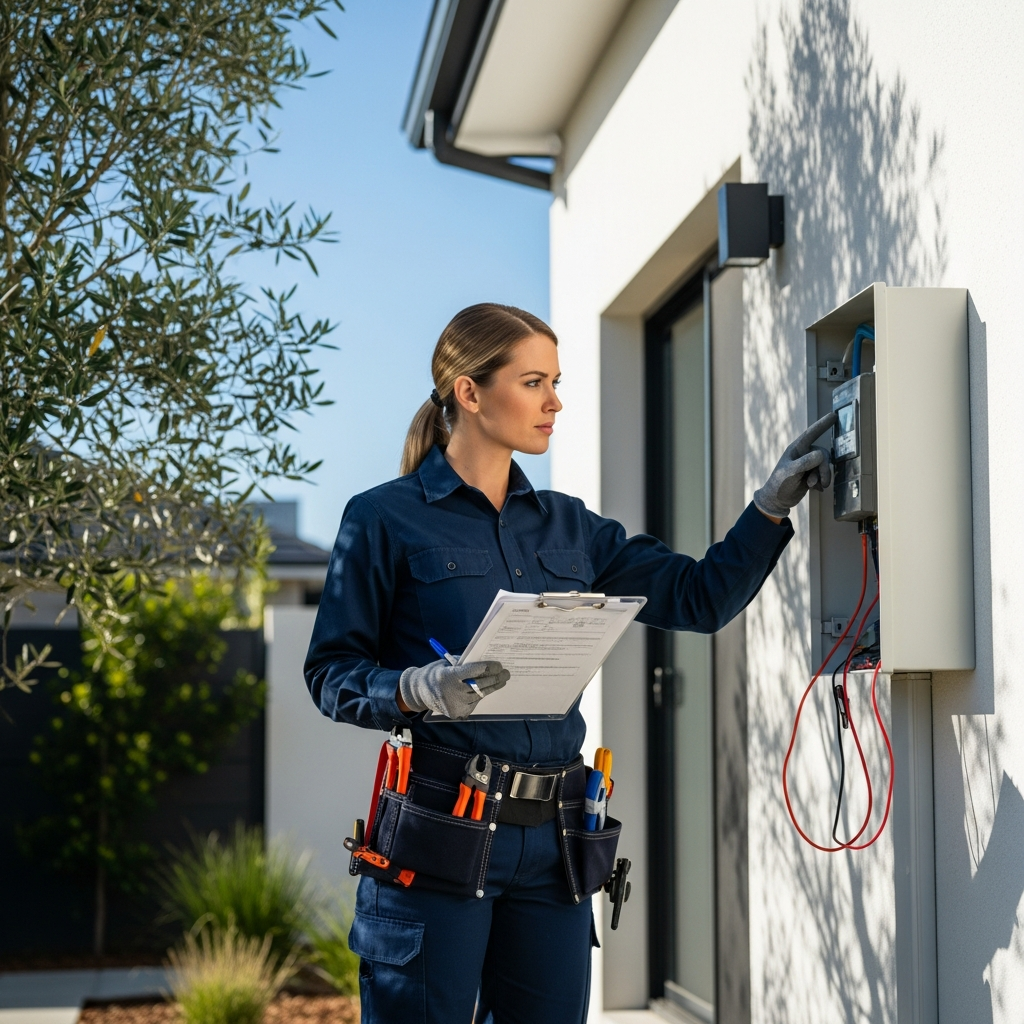
What About the Electrician Man? A Comprehensive Guide to Understanding This Crucial Profession
Introduction:
Have you ever wondered what happens behind the scenes when you flip a switch and a room brightens or when you plug in an appliance and it springs to life? The electricity that powers our daily lives is the result of intricate wiring systems installed and maintained by highly skilled professionals. These professionals, known as electricians, are the unsung heroes who keep our homes and businesses humming smoothly. So, what about the Electrician Man? Who are they, what do they do, and why are they so essential?
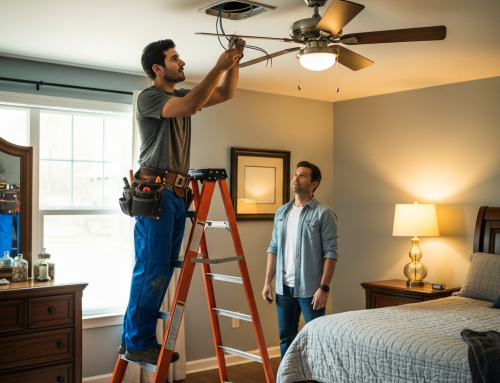
Electricians are trained to install, maintain, and repair electrical power systems, telecommunications, lighting, and control systems in homes, businesses, and factories. They navigate through complex blueprints to ensure electrical wiring and equipment are installed correctly, meeting both safety standards and effectiveness. When electrical systems fail, it’s the electrician who comes to the rescue, diagnosing the issue and making necessary repairs to restore functionality.
This blog post will delve into the world of the electrician man, providing a comprehensive understanding of their role, the skills required to become one, how they differ from a master electrician, and why it’s essential to consider hiring a local electrician for your electrical needs.
We will first explore the role of an electrician man in depth, examining their everyday tasks and the range of projects they typically work on. We will also look at how they collaborate with other professionals in construction projects to ensure an integrated and safe electrical system.
Next, we will shed light on how one can become an electrician. The path involves rigorous training and apprenticeships that equip them with an expert understanding of electrical systems. We will explore these steps in detail to give you insight into this profession’s demands and rewards.
Then we will distinguish between an electrician and a master electrician. Many people use these terms interchangeably, but they represent different levels of expertise and responsibility in the electrical industry. Understanding these differences can help you make informed decisions when hiring an electrician for your specific needs.
Lastly, we will emphasize the importance of hiring a local electrician. Whether you’re dealing with a minor electrical issue or embarking on a major renovation project, finding a reliable “electrician near me” can be invaluable for prompt, efficient service and peace of mind.
Understanding the world of electricians matter because we rely on electricity in almost every aspect of our lives. It powers our homes, fuels our businesses, and even charges our vehicles. As we increasingly adopt technology into our lives, the demand for skilled electricians grows. It’s crucial to appreciate their role in our daily lives and the complexity of the work they do behind the scenes, ensuring our lives run smoothly and safely.
So, whether you’re considering a career as an electrician, looking to hire one for your home or business, or simply curious about the profession, this blog post will provide valuable insights into the world of the electrician man. Stay tuned as we illuminate this essential trade and give it the recognition it deserves.
Understanding the Role and Responsibilities of an Electrician Man
The rise of modern civilization has been significantly influenced by the advent of electricity. Electricity is fundamental to our society, powering everything from our homes and businesses to our transportation systems and digital technology. Central to the maintenance, repair, and installation of our electrical systems are electricians, the professionals whose expertise keeps our world illuminated and connected. This article aims to provide a detailed understanding of the electrician’s role, highlighting their crucial contribution to societal advancement.
Electricians are skilled tradespeople specializing in the electrical wiring of buildings, stationary machines, and other related equipment. They ensure that electricity is safely and effectively distributed from power sources to various end-points, including lighting, appliances, and other equipment. Electricians can be broadly categorized into two types: residential electricians who work on household electrical systems and commercial electricians who handle more complex, high voltage systems in businesses, factories, and other commercial buildings.
Understanding the Role of an Electrician
The electrician’s role extends well beyond just installing wiring or fixing a blown fuse. They are responsible for reading and interpreting blueprints, which are technical diagrams of electrical systems. These blueprints guide electricians on where outlets, circuits, load centers, panel boards, and other electrical equipment are located. This knowledge enables them to assess the most efficient and safest route to install new systems or repair existing ones.
Furthermore, electricians install and maintain various types of electrical systems, including lighting, HVAC (heating, ventilation, air conditioning), security systems, and fire alarm systems. They also ensure these systems comply with all local and national building codes. In commercial settings, electricians may work on transformers, electronic controllers, and circuit breakers, requiring an advanced level of expertise.
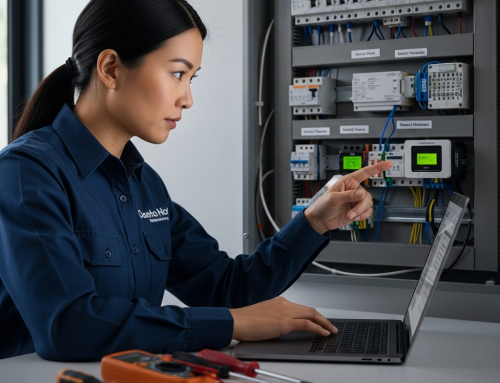
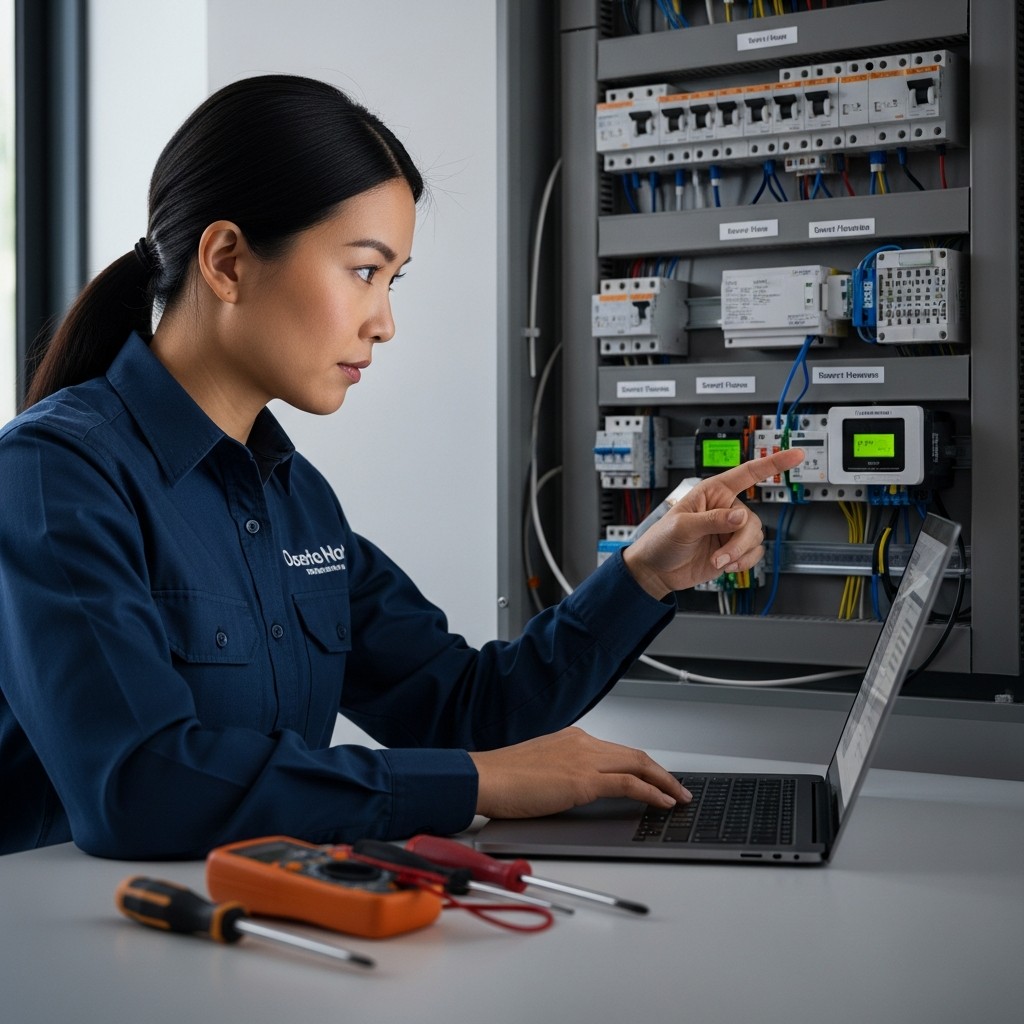
An important aspect of an electrician’s job is troubleshooting. When an electrical device fails to operate properly, the electrician uses various testing devices to diagnose the problem. Based on their findings, they then repair or replace the faulty equipment or wiring. This could involve tasks such as replacing a bad circuit breaker or upgrading an outdated system.
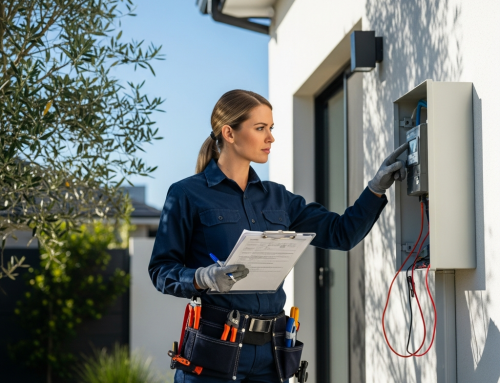
Electricians also play a critical role in ensuring safety. Mismanaged electricity can lead to disastrous consequences, including fires and electrocution. Electricians ensure that all electrical work is properly insulated, grounded, and tested for safety before the system goes live.
The Framework of Becoming an Electrician
Becoming an electrician requires a combination of education, training, and experience. Most electricians start their journey through a technical school where they learn basic electrical information, safety practices, and blueprint reading. They also receive hands-on training.
After completing their coursework, prospective electricians typically enroll in an apprenticeship program. This program combines paid on-the-job training with classroom instruction. An apprenticeship usually lasts four years, and under the guidance of experienced electricians, the apprentice learns the practical aspects of the job.
Upon completion of their apprenticeship, electricians are often required to pass a licensing exam to demonstrate their understanding of electrical theory, local building and electrical codes, and safety practices. The licensing requirements vary by state or country, but in general, a licensed electrician is considered fully competent to carry out the majority of electrical work.
Continuous learning is also a part of an electrician’s career progression. As electrical equipment and methods continually evolve, electricians must stay updated through continuing education courses and workshops. This not only ensures they stay relevant in their field but also enables them to provide the best service to their clients.
In conclusion, electricians are indispensable professionals in our society. They install, maintain and repair the electrical systems that power our world. Beyond their technical skills, they carry a huge responsibility for safety. Their expertise ensures that we can use electricity in our day-to-day lives without risking harm to ourselves or our property. Understanding the role and responsibilities of an electrician man gives us a deeper appreciation of this critical profession.
Understanding the World of Electricians: From Basics to Mastery
Are you facing electrical issues at home? Or perhaps, you are interested in the electrical field and want to make a career out of it? Whatever the case may be, this guide will help you understand what an electrician does, the skills that set a master electrician apart, and how to find a reliable electrician near you.
**Understanding the Role of an Electrician**
An electrician is a skilled tradesperson who specializes in designing, installing, maintaining, and troubleshooting electrical wiring systems. These professionals work on both residential and commercial projects, providing solutions for lighting, power, and control systems. They also ensure that these installations comply with city codes and standards.
Here is a step-by-step guide on what an electrician usually does
*Step 1: Understand the Blueprint* – An electrician starts by understanding the electrical blueprints associated with the location. This helps them comprehend where circuits, outlets, load centers, panel boards, and other equipment will be installed.
*Step 2: Install Wiring Systems* – The next step involves installing new wiring systems according to the blueprint. This might include threading conduit ends and connecting and fastening wires.
*Step 3: Inspect Electrical Components* – Electricians also inspect electrical components for damages and potential risks. They replace or repair faulty circuit breakers, transformers, switches, or outlets when necessary.
*Step 4: Troubleshoot Problems* – Electricians are skilled in troubleshooting electrical problems. They use ammeters, voltmeters, thermal scanners, and cable testers to locate issues and ensure components are working correctly.
**The Journey from an Electrician to a Master Electrician**
A master electrician is the highest level an electrician can achieve. They have more experience and knowledge than a journeyman electrician and are often responsible for training apprentices. To become a master electrician, one must first work as an apprentice and then as a journeyman. The time spent at each level varies by state, but typically it’s about four years as an apprentice and four years as a journeyman.
Master electricians have deep knowledge in areas such as electrical theory, local electrical codes and laws, blueprint reading, safety protocols, and first aid. Most importantly, they are adept at managing projects and can handle responsibilities like estimating project costs, planning projects, obtaining necessary permits, and managing teams.
**Finding a Reliable Electrician Near You**
When you need an electrician, it’s crucial to find a reliable one. Here are some steps to help you find a trustworthy professional near you
*Step 1: Ask for Recommendations* – Friends, family, and neighbors are excellent sources for recommendations. They can share their experiences, helping you gauge the reliability of the electrician.
*Step 2: Use Online Directories* – Websites like HomeAdvisor or Angie’s List provide detailed information about local electricians. You can read reviews and ratings from previous clients to make an informed decision.
*Step 3: Check Credentials* – Ensure the electrician is licensed, insured, and bonded. Licensing proves they’ve passed necessary exams and met certain criteria, while insurance protects you from liability if an accident occurs during the job.
*Step 4: Ask for an Estimate* – Before hiring, ask for a detailed estimate. This will help you understand the cost breakdown and avoid any unexpected charges.
*Step 5: Evaluate Communication Skills* – A good electrician will explain what needs to be done clearly, answer your questions patiently, and keep you informed about progress.
Remember, whether you’re dealing with a simple electrical issue or a complex installation, it’s always wise to hire a professional electrician. Not only are they equipped with the right knowledge and tools, but they also adhere to safety regulations to prevent accidents. Don’t hesitate to call an expert and ensure your electrical systems are safe, efficient, and up to code.
“Understanding the Role of Electricians: Challenges, Solutions, and Expert Tips”
Electricians are skilled professionals who are proficient in diverse tasks such as the installation of new electrical components or the repair and maintenance of existing electrical infrastructure. They play a pivotal role in ensuring that our homes, offices, and institutions are safe from electrical accidents and that our daily appliances function with optimal efficiency.
However, the tasks electricians undertake are complex and challenging. They face numerous issues in their day-to-day work, including dealing with outdated wiring systems, understanding complex circuit diagrams, ensuring safety standards, and maintaining up-to-date knowledge of ever-evolving electrical technologies.
Outdated wiring systems can be particularly troublesome. Not only do they pose a risk of malfunction or fire, but they may also not comply with current electrical codes. Electricians often need to replace or upgrade these systems entirely, which can be a time-consuming and costly process.
To address this challenge, electricians need to have a deep understanding of different wiring systems and their respective safety requirements. They should also stay informed about changes in local and national electrical codes. Regular training and workshops can help them keep up with advancements in their field and enhance their technical competencies.
Electricians also encounter difficulties when deciphering complex circuit diagrams, especially in large commercial establishments where the electrical setup is more intricate. A single mistake in understanding these diagrams can lead to severe consequences such as electrical shorts or worse, fires.
The solution lies in meticulous attention to detail and thorough knowledge of circuit designs. Electricians should also consider using advanced tools and software that can help them visualize and comprehend these diagrams more easily.
Safety is another significant concern for electricians. They are constantly exposed to risks such as electrical shocks, burns, falls, and cuts. Therefore, adhering to safety standards is non-negotiable in this profession.
Electricians should always use appropriate protective gear like safety goggles, insulated gloves and tools, and sturdy footwear. Regular safety training sessions and awareness about potential hazards can also go a long way in minimizing accidents.
Despite these challenges, there’s a common misconception that becoming an electrician is a straightforward process. Many believe that it’s just about understanding basic wiring and fixing broken switches. However, the reality is far from this assumption.
Becoming a proficient electrician necessitates years of training, both theoretical and practical. It involves understanding complex electrical theories, learning about various types of electrical systems, and mastering the skills to work with them safely and efficiently.
For those looking for a “master electrician near me” or “electrician near me”, it’s crucial to choose professionals who are licensed and insured. A licensed electrician has met the necessary training and experience requirements to perform the job safely and correctly. Insurance, on the other hand, protects you from potential liabilities in case of accidents during the work.
When it comes to best practices, regular maintenance is key. Don’t wait for an electrical issue to escalate before calling an electrician. Regular check-ups can help identify potential problems early and prevent costly repairs in the future.
Moreover, always insist on quality when purchasing electrical components. Cheap, low-quality products may save you money in the short term but can lead to severe problems, including electrical fires, in the long run.
Finally, remember that DIY-ing electrical work is not advisable. No matter how simple an electrical issue might seem, it’s always safer to leave it to professionals. Untrained handling can lead to accidents and further damages.
In conclusion, electricians play a crucial role in maintaining the safety and functionality of our electrical systems. While their job comes with several challenges, their expertise and adherence to safety standards ensure that we can go about our daily lives without worrying about electrical mishaps. Hence, it’s vital to appreciate their work and entrust them with our electrical needs.
The Journey to Becoming a Master Electrician: Expectations, Timelines, and Next Steps
Becoming a master electrician is a journey that requires dedication, hard work, and a passion for learning. This career path is not only about understanding how to fix a broken light switch or wiring an entire house. It is about ensuring the safety and efficiency of electrical systems in homes, offices, and industrial settings.
So, what can you expect from pursuing this career? What are the timelines involved? And what are the next steps you need to take? Let’s delve into these questions.
Expectations
Firstly, it’s important to understand that becoming a master electrician is no small feat. The role requires extensive knowledge of electrical codes, advanced skills in various types of electrical work, and leadership abilities to supervise projects and apprentice electricians. Master Electricians are also responsible for designing and installing electrical systems and ensuring they comply with all relevant safety standards.
This career path can be challenging but also rewarding. As a master electrician, you will have the opportunity to work on diverse projects, from residential rewiring jobs to large-scale commercial installations. You will also have the potential to earn a higher income compared to journeyman electricians.
Timelines
The journey towards becoming a master electrician typically takes between 7 to 10 years. Here is a general breakdown
1. High School Education (4 years): A high school diploma is required for admission into most electrician training programs. Courses in mathematics and physics are particularly beneficial.
2. Electrician Training Program (1-2 years): These programs, offered by technical schools or community colleges, provide foundational knowledge in electrical theory and building codes.
3. Apprenticeship (4-5 years): As an apprentice, you will work under the supervision of a licensed electrician, gaining hands-on experience while continuing classroom instruction.
4. Journeyman Electrician (2 years): After completing your apprenticeship and passing the necessary examination, you become a journeyman electrician. You can work independently but under the direction of a master electrician.
5. Master Electrician: After working as a journeyman for about two years and passing the master electrician exam, you can become a master electrician.
Next Steps
If you’re interested in pursuing this career, the first step is to enroll in an electrician training program. Look for programs accredited by the National Electrical Contractors Association (NECA) or the Independent Electrical Contractors (IEC) to ensure quality education.
Upon completing your training, you will need to secure an apprenticeship. It’s essential to choose an apprenticeship that provides comprehensive training. You can find these opportunities through local unions, electrical contracting companies, or job boards.
After completing your apprenticeship and becoming a licensed journeyman, it’s crucial to gain as much experience as possible. Work on different types of projects, learn from experienced electricians, and keep up-to-date with industry trends and advancements.
When you’re ready, prepare for and take the master electrician exam. This will test your knowledge of electrical systems, codes, and safety practices.
Once you become a master electrician, consider joining professional organizations, such as NECA or IEC. These organizations provide opportunities for networking, continuing education, and staying informed about industry changes.
Finding a Local Electrician
If you’re not interested in becoming an electrician but need one for your home or business, finding a trustworthy professional is essential. Look for licensed and insured electricians with positive reviews and ratings. Ask for recommendations from friends and neighbors or use online directories to find highly-rated electricians near you.
In summary, becoming a master electrician requires a high level of commitment and years of training and experience. However, the rewarding nature of the work, combined with the potential for high earnings, can make this career path worth pursuing. Whether you’re considering this career or seeking a master electrician’s services, understanding the journey to becoming a master electrician can help you make informed decisions.
In conclusion, the role of an electrician man is not just pivotal but indispensable in our daily lives. From the installation of new electrical components to the repair and maintenance of existing electrical infrastructure, electricians play a vital role in ensuring the smooth functioning of our homes, businesses, and industries. As we have discussed throughout this article, the work of an electricians is vast and varied, requiring a deep understanding of electrical systems and safety standards.
The key takeaways from this article are clear
Firstly, the role of an electrician is complex and requires extensive training and experience. Electricians must be able to read blueprints, understand electrical codes, and safely handle and install wiring and electrical components. They also need to be skilled in troubleshooting to diagnose problems accurately and quickly.
Secondly, electricians play a significant role in construction projects, both residential and commercial. They are responsible for designing and installing the electrical systems in new buildings and can also be involved in upgrading or maintaining systems in existing structures.
Thirdly, safety is paramount in the work of an electrician. They must adhere to strict safety regulations to protect themselves and others from electrical hazards. This includes wearing appropriate protective equipment, following safe work practices, and staying up-to-date with the latest safety standards and regulations.
Fourthly, the demand for electricians is expected to remain high as the need for skilled tradespeople continues to grow. This is due to several factors, including the increasing complexity of electrical systems in modern homes and businesses, the growing demand for renewable energy solutions, and the ongoing need for electrical maintenance and repair services.
Finally, choosing a professional electrician for your electrical needs ensures that work is done correctly, safely, and in compliance with all relevant regulations. While it may seem cost-effective to attempt DIY solutions or hire unqualified people, this can lead to serious safety risks and potential legal issues down the line.
So, if you’re facing an electrical issue or planning a construction project, don’t hesitate to reach out to a professional electrician. Their expertise, skills, and knowledge are invaluable in ensuring that your electrical systems are safe, efficient, and reliable.
Remember, when it comes to electrical work, it’s always better to be safe than sorry. So don’t take chances with DIY fixes or unqualified electricians. Get in touch with us today for professional electrical services you can trust. Whether you need a simple repair, a complex installation, or a comprehensive electrical safety inspection, we’re here to help.
At the end of the day, the value of a skilled, experienced electrician cannot be overstated. They keep our lights on, our homes warm, our businesses running and our communities safe. So let’s acknowledge the importance of these unsung heroes who light up our lives, literally and figuratively!
Contact us today for all your electrical needs. Our team of experienced and licensed electricians is ready to provide you with high-quality and reliable services. We are committed to ensuring your safety and satisfaction. Because when it comes to electricity, you should never settle for anything less than the best.