What Electrical Repairs Should Never Be DIY?
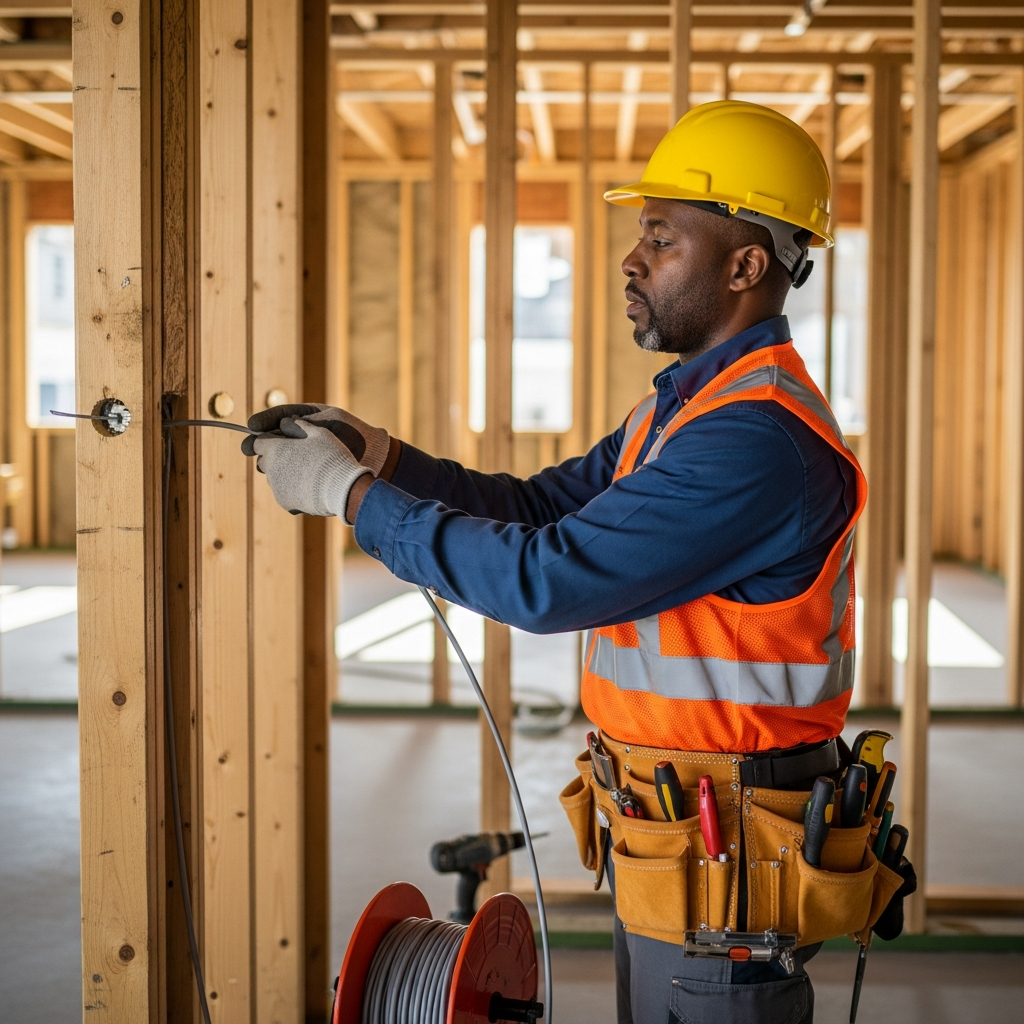
You’re standing in your kitchen at 7 PM on a Tuesday, and suddenly half your outlets just… died. The coffee maker that was happily brewing your evening cup is now silent. Your phone charger isn’t working. That little nightlight in the hallway? Gone.
Your first thought? “How hard could it be to fix this myself?”
I get it – you’re handy around the house. You’ve installed ceiling fans, replaced faucets, maybe even laid some tile. YouTube University has taught you plenty, and honestly, you’ve saved thousands doing your own repairs. Plus, electricians aren’t exactly cheap, and getting one out here tonight? Good luck with that.
But here’s the thing about electrical work that makes it different from, say, fixing a leaky pipe or painting a room. When plumbing goes wrong, you get wet. When electrical work goes wrong… well, let’s just say the consequences can be a lot more permanent.
I’ve been writing about home safety and DIY projects for over a decade, and I’ve heard way too many stories that start with “I thought I could handle it” and end with emergency room visits, house fires, or insurance companies asking very uncomfortable questions. The thing is, electricity doesn’t give you second chances. It doesn’t care that you watched three tutorial videos and bought the right tools at Home Depot.
You know what’s really tricky about electrical work? It often seems deceptively simple. Flip a breaker, unscrew some wire nuts, match the colors – how complicated could it be? But electricity is invisible, unpredictable, and governed by codes that exist for very good reasons. Those codes aren’t just bureaucratic red tape – they’re literally written in blood, updated every time someone gets hurt or a house burns down because something wasn’t done right.
And here’s what really gets me – even if you manage to complete an electrical repair without immediate disaster, you might be setting up problems that won’t show up for months or years. A loose connection here, an overloaded circuit there… these things can smolder quietly in your walls until one day they decide to turn your home into a statistic.
Look, I’m not trying to scare you away from all DIY projects. There are absolutely electrical tasks that most homeowners can handle safely – changing outlets, installing basic light fixtures, replacing switches. But there’s this invisible line in the electrical world, and crossing it without proper knowledge and training is like playing Russian roulette with your family’s safety and your biggest financial investment.
The challenge is knowing where that line is. When does a simple outlet replacement become a complex rewiring job? How do you know if your electrical panel can handle that new hot tub? What’s the difference between adding a ceiling fan to an existing circuit and running entirely new wiring?
Throughout this guide, we’re going to walk through the electrical repairs that should absolutely, positively be left to licensed professionals. Not because electricians need job security (though they do deserve to make a living), but because these particular jobs involve serious safety risks, complex code requirements, or the kind of expertise that takes years to develop properly.
We’ll talk about panel work – why opening up your electrical heart requires someone who really knows what they’re doing. We’ll cover situations involving water (spoiler alert: electricity and water are not friends), major appliance installations, and those seemingly innocent projects that can quickly spiral into whole-house rewiring jobs.
But here’s what I really want you to understand – this isn’t about making you feel helpless or incompetent. It’s about helping you make smart decisions that protect your family, your home, and your wallet in the long run. Because while hiring an electrician might cost more upfront, it’s infinitely cheaper than rebuilding your house or dealing with the aftermath of an electrical accident.
By the time you finish reading this, you’ll know exactly which electrical projects to tackle yourself and which ones require a professional. More importantly, you’ll understand why these distinctions matter – and trust me, your future self will thank you for making the right call.
Why Your Body’s Electrical System Demands Respect
Think of your home’s electrical system like your cardiovascular network – both carry life-sustaining power throughout a complex structure, and both can kill you if something goes seriously wrong. Just as you wouldn’t perform heart surgery on yourself (I hope!), there are certain electrical repairs that should make you step back and call a professional.
The thing is, electricity doesn’t give you a second chance. You can mess up plumbing and get wet. Botch a paint job? Well, it’s just ugly. But electricity? One wrong move and you’re dealing with fire, electrocution, or worse. That’s not me trying to scare you – it’s just physics being brutally honest.
The Invisible Danger That Keeps Electricians Employed
Here’s what makes electrical work so tricky: you can’t see electricity, smell it (usually), or hear it until it’s too late. It’s like trying to fix a car engine while blindfolded… except the engine might explode.
Most DIY projects give you visual feedback. When you’re hanging a picture and the wall crumbles, you know something’s wrong immediately. But electricity can flow through damaged wires for months – even years – slowly heating up, degrading insulation, creating the perfect conditions for a house fire while you sleep peacefully upstairs.
Actually, that reminds me of something an electrician once told me: “The scariest jobs aren’t the ones where homeowners got shocked – it’s the ones where they didn’t.” Because if you complete a DIY electrical project and nothing bad happens right away, you might assume you did it correctly. Meanwhile, there could be a ticking time bomb behind your wall.
Understanding Electrical Loads (Or: Why Your Toaster Isn’t Like Your Hair Dryer)
Let’s talk about electrical load – basically, how much power different appliances demand from your home’s electrical system. Think of it like water pressure in your pipes. Your kitchen faucet works fine with normal pressure, but try to run a fire hose through those same pipes and… well, things get explosive.
Your typical household outlet is designed for 15 or 20 amps. That’s perfect for lamps, phone chargers, maybe a small TV. But start plugging in space heaters, hair dryers, or that new air fryer you got for Christmas, and suddenly you’re asking those wires to carry way more current than they’re designed for.
Here’s where it gets counterintuitive – a circuit breaker that keeps tripping isn’t broken. It’s actually doing its job perfectly, protecting you from an overloaded circuit that could start a fire. Yet I’ve seen countless DIYers try to “fix” this by installing a bigger breaker. That’s like removing the safety valve from a pressure cooker because it keeps releasing steam.
The Code Isn’t Suggestions – It’s Survival Instructions
Electrical codes aren’t just bureaucratic paperwork designed to make your life difficult (though I know it feels that way sometimes). These rules are written in blood – literally. Every requirement exists because someone, somewhere, got hurt or killed when that rule didn’t exist.
The National Electrical Code gets updated every three years, and it’s not because electricians are bored. New technologies, new materials, new ways for things to go wrong… it’s constantly evolving. What was considered “safe enough” in 1950 might be considered a death trap today.
But here’s the thing that trips up a lot of DIYers – knowing the code exists is different from understanding how to apply it correctly. You might read that a bathroom outlet needs GFCI protection (that’s the outlet with the little reset button), but do you know where that protection needs to be installed? At the outlet itself? At the circuit breaker? Somewhere in between? Get it wrong, and you’ve got a false sense of security.
When Simple Becomes Complicated Fast
The most dangerous electrical projects are the ones that look simple. Replacing a light switch seems straightforward – just match the wires to the same spots, right? But what if you’re dealing with a three-way switch? Or what if someone before you did some creative wiring that doesn’t follow standard color codes?
I’ve seen “simple” switch replacements turn into house-wide electrical investigations because someone assumed black meant hot and white meant neutral… not realizing that whoever wired their house in 1987 had their own interpretation of electrical standards.
When to Stop and Call the Pros
Here’s the thing about electrical work – your house is basically trying to tell you when you’re in over your head. You just need to know how to listen.
If you open up an electrical panel and see a mess of wires that looks like spaghetti… that’s your cue to back away slowly. Same goes if you remove a switch plate and discover wires that are black (not the insulation – the actual copper), frayed, or – and this is a big one – if you smell anything burning or see scorch marks. Your house is literally saying “help me” at that point.
Here’s a pro tip most people don’t know: Touch the back of your hand to outlet covers and switch plates every few months. If they’re warm to the touch, you’ve got problems brewing behind that wall. Electrical connections shouldn’t generate heat – that’s wasted energy looking for a way out, and it usually finds one through fire.
The Tools That Should Scare You
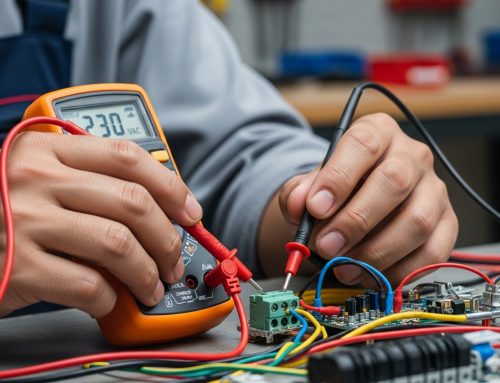
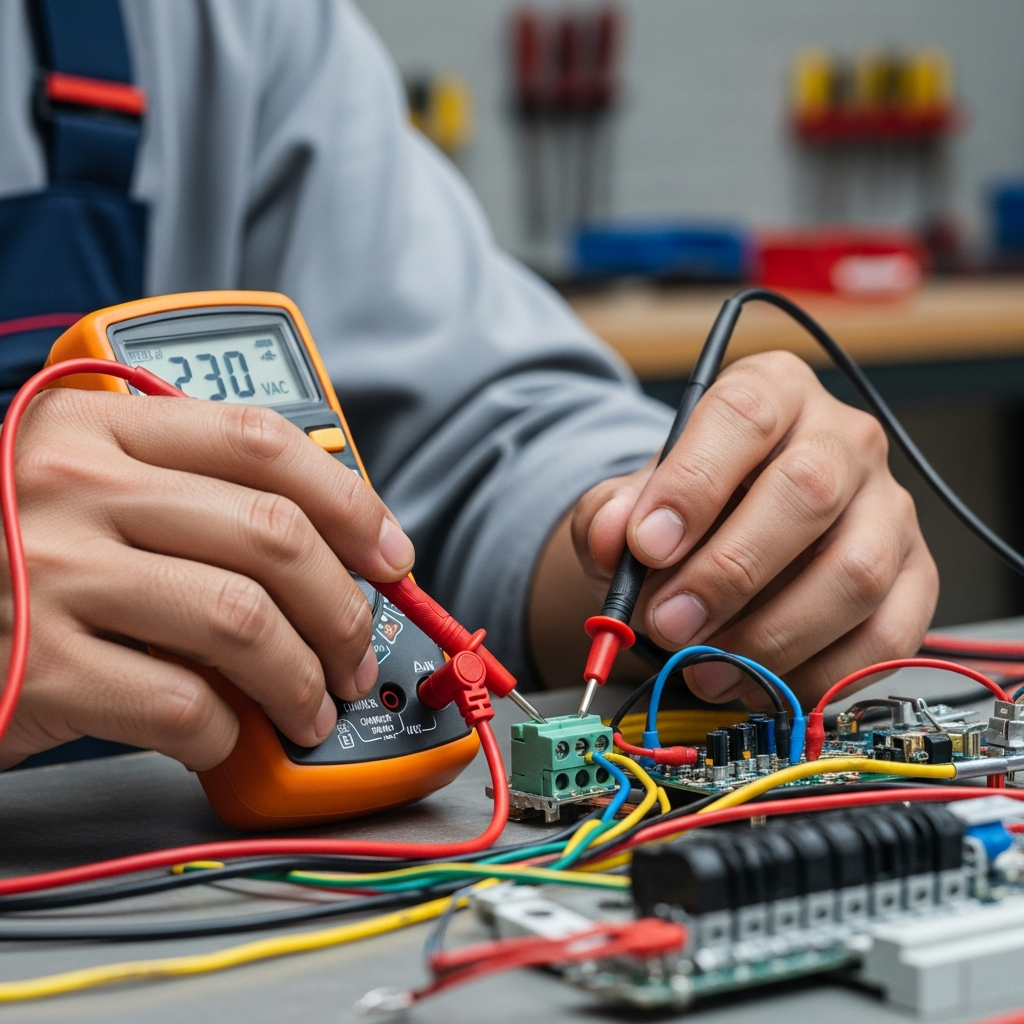
You know those voltage testers at the hardware store? The little pen-like things that beep when they detect electricity? Don’t trust your life to a $12 gadget. Professional electricians use meters that cost hundreds of dollars because they need to be absolutely certain when something is live or dead.
If the repair requires anything beyond basic hand tools – wire strippers, screwdrivers, needle-nose pliers – you’re probably stepping into professional territory. The moment you find yourself shopping for specialized electrical tools, that’s usually a sign you should be shopping for an electrician instead.
Actually, that reminds me… never, ever work on electrical stuff when you’re tired, distracted, or in a hurry. I can’t tell you how many horror stories start with “I just wanted to quickly…” Electricity doesn’t care about your schedule.
Red Flags That Demand Professional Help
Some situations are absolute deal-breakers for DIY work. If your home was built before 1960, assume nothing about the wiring follows modern standards. Those old cloth-wrapped wires? The knob-and-tube systems? They’re like antique cars – charming in theory, potentially deadly in practice.
Water and electricity obviously don’t mix, but here’s what people don’t realize: even humidity can be dangerous. Working on electrical systems in basements during muggy weather, or right after a shower in a bathroom – these scenarios have ended badly more times than I care to count.
Here’s another insider secret: If you need to shut off the main breaker to do the work safely, that’s your sign it’s too big for DIY. Main panel work isn’t just dangerous – it’s often illegal to do without proper permits and inspections.
The “Maybe I Can Handle This” Gray Areas
Some repairs sit in that uncomfortable middle ground where you might be tempted to try them yourself. Installing a new outlet in drywall, for instance. Sure, it seems straightforward, but are you certain about the circuit load? Do you know if that circuit is shared with other high-draw appliances?
Ceiling fan installation falls into this category too. The electrical connection might look simple – just matching wire colors, right? – but if that ceiling box isn’t rated for the weight and wobble of a spinning fan, you’re setting yourself up for a very expensive (and potentially dangerous) ceiling repair later.
Making the Call Decision
When you’re standing there, staring at an electrical problem and wondering if you should tackle it yourself, ask these questions: Can I see exactly what needs to be done without removing panels or digging into walls? Am I 100% certain I can identify all the circuits involved? Do I have the right safety equipment – not just tools, but proper protection?
If any answer is “maybe” or “I think so,” that’s really a “no.”
Look, I get it. Labor costs are high, and YouTube makes everything look doable. But here’s the brutal truth – electrical mistakes don’t usually give you a second chance to get it right. A plumbing mistake floods your bathroom. An electrical mistake can burn down your house or worse.
The smartest DIYers I know have a simple rule: they’ll diagnose the problem themselves, maybe even buy the parts, but they let professionals do any work that involves making new electrical connections or modifying existing circuits. Your insurance company – and your family – will thank you for that wisdom.
When Confidence Meets Reality (And Reality Wins)
You know that moment when you’re standing in the electrical aisle at Home Depot, YouTube tutorial fresh in your mind, thinking “How hard could this really be?” Yeah… we’ve all been there. The truth is, electrical work has a sneaky way of humbling even the most capable DIYers.
The biggest challenge? Overconfidence mixed with underestimating complexity. That simple outlet replacement suddenly involves mystery wires that don’t match the tutorial, or you discover your house was wired by someone who apparently threw electrical codes out the window. What looked like a 30-minute job becomes a weekend nightmare – and that’s if you’re lucky.
Here’s the thing about electrical work that nobody talks about: it’s not just about following steps. It’s about understanding systems, recognizing problems before they become disasters, and knowing when something just doesn’t feel right. That intuition? It comes from years of experience, not a few hours of video research.
The “Just This One Thing” Trap
We see this constantly – someone successfully changes a light switch and thinks, “Well, if I can do that, surely I can handle this breaker box issue.” It’s like saying because you can change your car’s oil, you’re ready to rebuild the transmission.
The solution isn’t to avoid all electrical work forever. Start small and know your limits. Changing light bulbs, testing outlets with a simple tester, replacing obviously damaged extension cords – these are reasonable starting points. But when you find yourself googling “how to tell if this wire is live” or “what gauge wire do I need,” that’s your cue to call a professional.
Actually, here’s a good rule of thumb: if the project requires you to turn off power at the breaker box, you’re probably venturing into professional territory. Not always, but it’s a decent line in the sand.
The Code Confusion Nightmare
Electrical codes aren’t suggestions – they’re literally life-and-death requirements. But here’s what trips people up: codes change, they vary by location, and they’re written in technical language that makes tax law look breezy.
You might follow a tutorial perfectly, only to fail inspection because your local area has specific requirements about GFCI outlets or grounding methods. Or worse, you create a code violation that doesn’t get caught until years later when you try to sell your house.
The reality check? Professional electricians spend years learning codes and still reference books regularly. If they’re checking code books, what makes us think we can wing it? The solution is simple but not always popular: when permits are involved, hire someone who knows the local codes inside and out.
When Tools Become the Enemy
Let’s talk about something that embarrasses a lot of DIYers – having the wrong tools or not knowing how to use them properly. That voltage tester you bought at the hardware store? If you don’t understand its limitations, it can give you false confidence in dangerous situations.
Non-contact voltage testers, for instance, can be finicky. They might not detect voltage through certain materials, or they could give false positives near other electrical fields. Meanwhile, you’re thinking you’re safe when you’re absolutely not.
The solution isn’t necessarily buying expensive professional-grade tools (though better tools help). It’s about understanding what your tools can and can’t do. Read the manuals – yes, really. Practice with them in safe situations. And always, always double-check critical measurements with multiple methods.
The “Good Enough” Problem
Here’s a challenge that’s particularly dangerous in electrical work: the temptation to accept “good enough” when things get complicated. Maybe the wire connections feel a bit loose, but hey, the light works. Or perhaps you can’t quite figure out the proper grounding, but everything seems to be functioning fine.
This mindset can literally kill people later on. Loose connections cause fires. Improper grounding creates electrocution risks. What seems “good enough” today might become a disaster next month.
The honest solution? If you can’t do it right, don’t do it at all. This isn’t about perfectionism – it’s about recognizing that electrical work doesn’t forgive shortcuts. When you hit that moment of uncertainty, of making compromises because you can’t figure out the proper way… that’s when you stop, button everything back up safely, and call someone who can do it right.
Your pride will recover. Your family’s safety is worth infinitely more than the cost of hiring a professional.
Setting Realistic Expectations for Professional Electrical Work
Let’s be honest – calling an electrician isn’t exactly like ordering pizza. You can’t just pick up the phone and expect someone to show up in thirty minutes with exactly what you need. Good electrical contractors are busy for a reason, and quality work takes time.
Most reputable electricians are booked out anywhere from a few days to several weeks, depending on your location and the season. Emergency calls? That’s different – you’ll pay premium rates (think $150-300 just to walk through your door), but they’ll prioritize safety issues like sparking outlets or complete power outages.
For non-emergency work, you’re looking at scheduling estimates first. The electrician needs to see what they’re dealing with before giving you a real quote. Those free estimates over the phone? They’re usually ballpark figures at best… and often wildly off the mark.
What Actually Happens During an Assessment
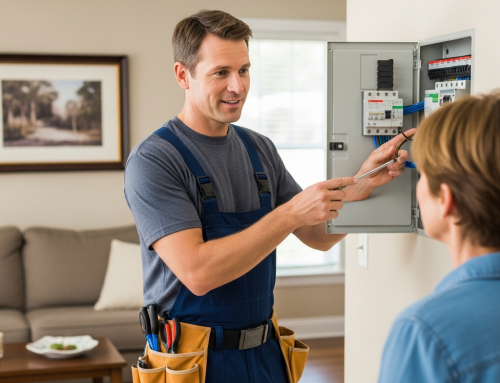
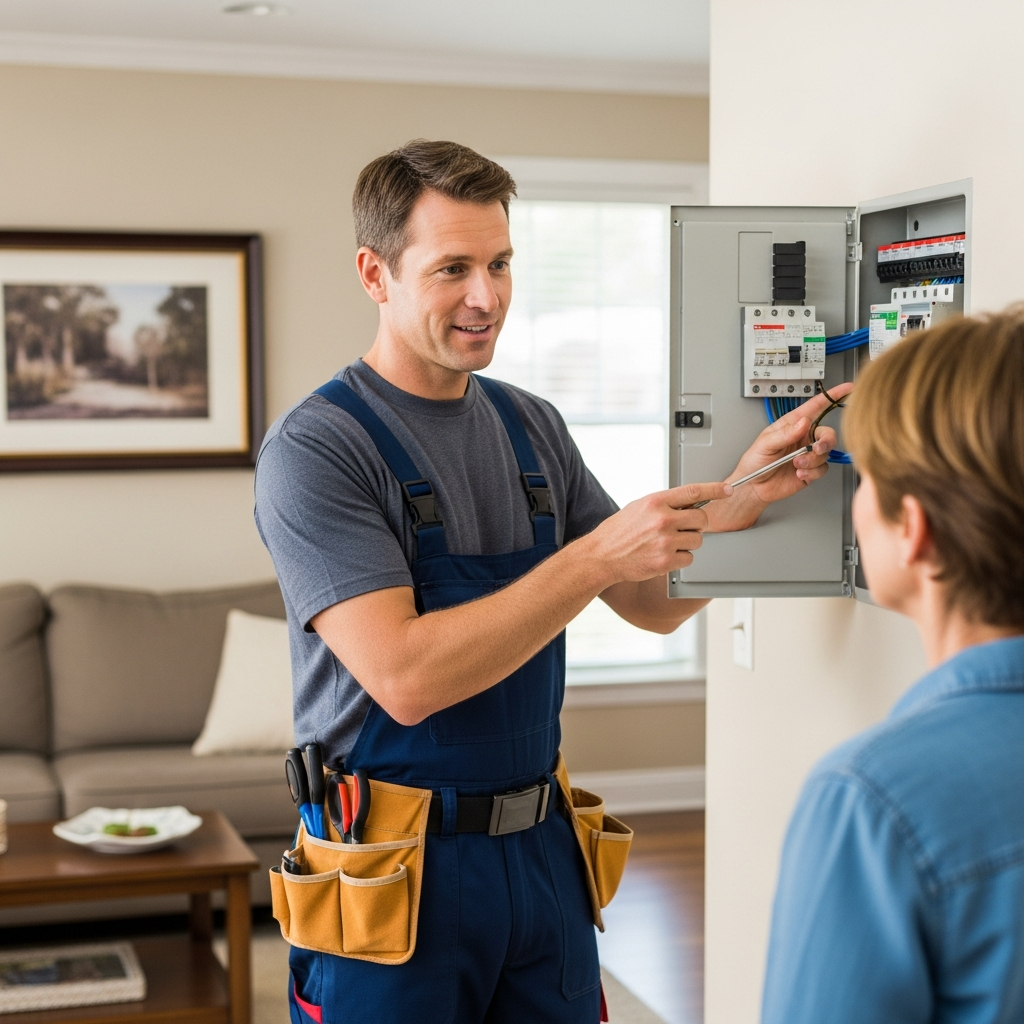
When the electrician shows up for that initial look, they’re not just eyeballing your problem and throwing out a number. They’re investigating – checking your electrical panel, testing circuits, maybe even crawling around in your attic or basement to see how things are wired.
This process can take anywhere from 20 minutes for something straightforward to over an hour for complex issues. Don’t be surprised if they ask to turn off power to different areas of your house temporarily. It’s not them being difficult – it’s them being safe.
You’ll get a written estimate (if you don’t, find someone else), and here’s where things get interesting. That estimate might include permits, which can add days or weeks to your timeline. Panel upgrades, new circuits, anything that significantly changes your home’s electrical system – these typically require permits and inspections.
The Permit Reality Check
Speaking of permits… yeah, they’re not fun, but they’re necessary for major work. Your electrician should handle pulling the permits, but the approval process? That’s out of everyone’s hands. Municipal offices work at their own pace – sometimes a few days, sometimes a few weeks.
And here’s something they don’t always mention upfront: if the inspector finds other code violations while checking your new work, you might need to address those too. It’s like going to the doctor for a sore throat and discovering you need glasses. Annoying? Yes. Important? Also yes.
Timeline Reality for Common Repairs
Simple outlet replacements or fixture swaps? Usually a same-day deal once they’re actually at your house. Panel upgrades or whole-home rewiring? We’re talking days to weeks, depending on the scope and whether walls need to be opened.
Adding new circuits for that home office or electric car charger? Expect at least a half-day to full day of work, plus permit time if required. The electrician might need to come back multiple times – once for the rough work, again after inspection, then for final connections.
Don’t forget about the domino effect either. Sometimes fixing one thing reveals another issue that needs attention. Your electrician isn’t trying to upsell you (well, most aren’t) – they’re just discovering problems as they dig deeper.
Preparing for the Work
Before your electrician arrives, clear the area around your electrical panel and any work zones. Move furniture, decorations, anything that might be in the way. Trust me, watching someone try to work around your grandmother’s china cabinet while installing a new circuit is stressful for everyone involved.
Have a list ready of any electrical quirks you’ve noticed – outlets that don’t work, lights that flicker, that one switch nobody can figure out. These details help electricians spot patterns and potential underlying issues.
After the Work Is Done
Once everything’s finished, you’ll get a walkthrough of what was done. Don’t just nod politely – ask questions. How do you reset that new GFCI outlet? Where’s the new breaker? What should you watch out for?
Keep all your paperwork – permits, invoices, warranties. Future electricians (or home buyers) will appreciate having that history. And if your electrician offers a warranty on their work, understand what’s covered and for how long.
Most importantly? If something doesn’t feel right after they leave – a burning smell, flickering lights, anything unusual – don’t wait. Call them back. Good electricians stand behind their work and would rather fix a small issue now than deal with a big problem later.
You’ve made the smart choice calling a professional. Now just be patient with the process.
You know, there’s something almost liberating about admitting you don’t have to fix everything yourself. I get it – we live in this YouTube-tutorial world where it feels like we should be able to handle anything with a quick search and some confidence. But when it comes to electrical work… well, your safety (and your family’s) is worth so much more than the satisfaction of saying “I did that myself.”
Think of it this way: you wouldn’t perform surgery on yourself just because you watched a medical drama, right? Electrical work isn’t quite that dramatic, but the stakes can be surprisingly similar. One wrong move with the wrong wire, and you’re looking at anything from a ruined appliance to a house fire. That’s not being dramatic – that’s just reality.
The licensed electricians I’ve worked with over the years? They’ve all got stories. Stories about homeowners who thought they were just “quickly swapping out a switch” and ended up with thousands in damage. Or the DIY enthusiast who figured they’d save money on a panel upgrade and… well, let’s just say their insurance company wasn’t thrilled.
But here’s what I love about good electricians – they’re not trying to gatekeep their profession out of ego. They genuinely want you to be safe. Most of them are happy to explain what they’re doing, teach you what you can safely handle (like changing that light bulb or resetting a breaker), and help you understand when it’s time to step back and call for backup.
When Professional Help Makes Perfect Sense
The thing is, electrical work moves fast when it goes wrong. There’s no “oops, let me undo that” moment when you’re dealing with live wires or faulty installations. Professional electricians bring years of training, proper tools, and – perhaps most importantly – insurance and licensing that protects you if something does go sideways.
Plus, they can spot problems you’d never notice. That outlet that seems fine? A pro might catch that it’s not properly grounded. That flickering light you’ve been ignoring? Could be a sign of a much bigger issue lurking behind your walls.
I’ve seen too many people end up spending far more fixing DIY electrical mistakes than they would’ve spent hiring someone in the first place. And that’s not even counting the stress, the potential safety hazards, or the time lost trying to figure out why nothing’s working the way it should.
You Deserve Support, Not Judgment
Look, asking for help isn’t admitting defeat – it’s being smart. Whether you’re dealing with a electrical issue that’s got you scratching your head, or you just want someone to take a look and make sure everything’s safe and up to code, reaching out is the right move.
If you’re feeling overwhelmed by an electrical project or concerned about something in your home, don’t hesitate to contact a licensed electrician. You deserve to feel confident and safe in your space, and sometimes that means knowing when to hand things over to someone with the right expertise. Your peace of mind – and your family’s safety – are worth that investment.