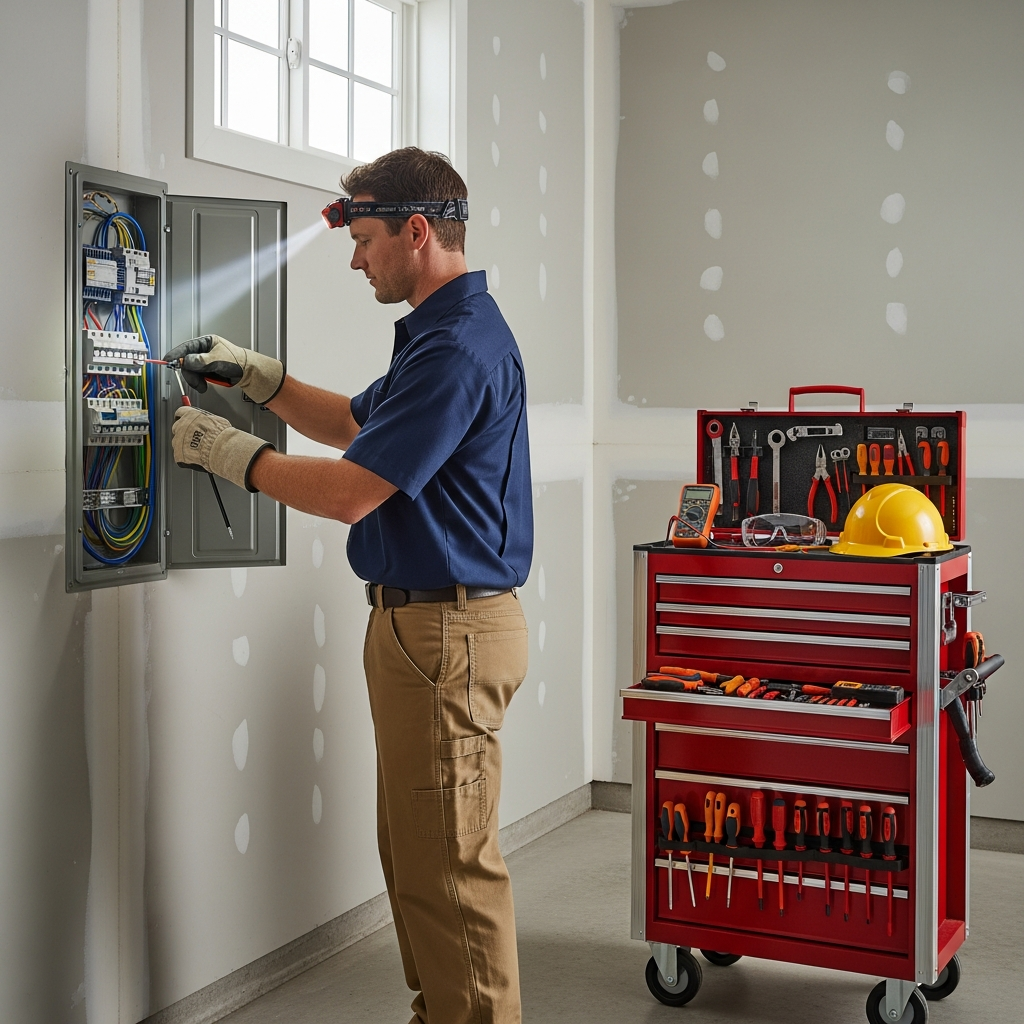
How Commercial Electricians Support Business Growth
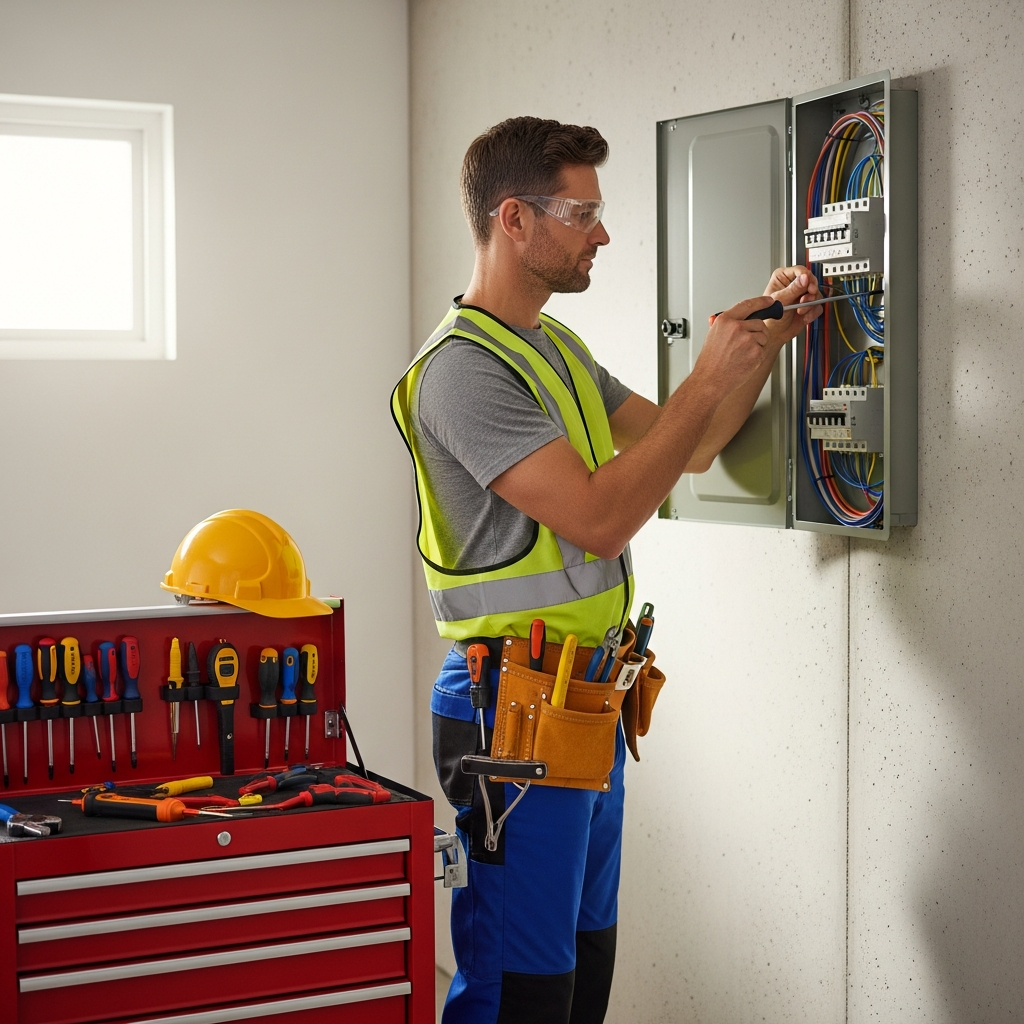
You flip the switch, and… nothing. The lights stay off, the registers won’t boot up, and you can hear that distinctive sound of opportunity slipping through your fingers – the gentle chime of your front door as potential customers walk right back out.
It’s 8:47 AM on what should’ve been a busy Tuesday. Instead, you’re standing in a dark storefront with a phone pressed to your ear, frantically googling “emergency electrician near me” while your staff mills around looking as lost as you feel. Sound familiar?
We’ve all been there – that sinking moment when you realize your business isn’t just a collection of products and services. It’s actually a complex web of electrical systems, and when those systems fail… well, let’s just say your carefully planned growth projections suddenly feel pretty optimistic.
Here’s the thing though – most business owners think about electricians the same way they think about dentists. You know you need them, you hope you won’t need them urgently, and you probably don’t think about them until something goes seriously wrong. But what if I told you that’s completely backwards?
What if the difference between businesses that struggle to grow and those that scale smoothly isn’t just better marketing or smarter hiring… but having the right electrical infrastructure and the right electrical professionals supporting it?
I know, I know. When you’re lying awake at 2 AM wondering how you’ll make payroll or stressing about that big client presentation, “electrical planning” probably isn’t topping your worry list. You’re thinking about cash flow, competition, customer retention – the obvious stuff. The visible stuff.
But here’s what successful business owners have figured out (often the hard way): your electrical systems aren’t just keeping the lights on. They’re the invisible foundation that either supports your growth or silently sabotages it.
Think about it for a second. Every time you want to expand your team, you need more workstations. More computers, more monitors, more everything plugged in. When you decide to upgrade your POS system or install those security cameras you’ve been putting off… when you finally spring for that efficient LED lighting everyone keeps talking about… when you realize your current setup is burning through electricity like it’s going out of style and eating into your already-thin profit margins…
All of that? That’s not just about flipping switches and running wire. That’s about having an electrical partner who understands where your business is headed and can help you get there without the expensive do-overs, the frustrating delays, or those middle-of-the-night emergency calls that always seem to happen at the worst possible moment.
The most successful businesses – the ones that seem to grow effortlessly while their competitors struggle – they’ve figured out something crucial. They’ve realized that commercial electricians aren’t just repair people you call when things break. They’re actually growth partners who can help you avoid the costly mistakes, plan for expansion without breaking the bank, and create the kind of efficient, reliable electrical environment that lets you focus on what you actually love about your business.
But not all commercial electricians are created equal, and not all electrical decisions support business growth. Some actually work against it – and you might not realize it until it’s costing you serious money.
Over the next few minutes, we’re going to talk about how the right commercial electrician becomes an unexpected ally in your business growth strategy. You’ll discover why electrical planning should happen *before* you need it (not after), how smart electrical decisions can actually save you thousands while positioning your business for expansion, and what questions you should be asking to make sure you’re getting the kind of electrical support that grows with your business instead of holding it back.
Because honestly? You’ve got enough to worry about without wondering whether your electrical systems can handle whatever comes next. Let’s make sure they can.
The Electrical Foundation That Actually Matters
Think of your business’s electrical system like the cardiovascular system in your body. You don’t really think about it… until something goes wrong. Then suddenly, everything stops working.
Most business owners treat electricity like magic – flip a switch, things turn on. But here’s what’s actually happening behind those walls: a complex network of circuits, panels, and connections that’s either supporting your growth or secretly sabotaging it.
Why Your Electrician Isn’t Just Fixing Broken Things
Here’s where it gets interesting (and honestly, a bit counterintuitive). Commercial electricians aren’t just the people you call when the lights go out. They’re more like… business infrastructure consultants who happen to work with wires.
When a manufacturing company wants to add new equipment, they can’t just plug it into the wall like a toaster. That new CNC machine might need 480-volt three-phase power – which sounds scary because it kind of is. A commercial electrician designs the electrical pathway for that machine, ensuring it gets the exact power it needs without overloading everything else.
It’s like adding a new highway to a city. You can’t just pave over existing roads and hope for the best.
The Capacity Game Nobody Talks About
Your electrical panel has a limit – think of it as bandwidth for power instead of internet. Most businesses start small and grow… but their electrical systems? Often they’re still sized for “small.”
I’ve seen restaurants that wanted to expand their kitchen but couldn’t because their electrical service was maxed out. The owner thought they just needed more outlets. Actually, they needed a complete service upgrade – essentially rewiring their connection to the power grid.
This is where commercial electricians become strategic partners rather than just service providers. They’re looking at your electrical capacity the way a financial advisor looks at your investment portfolio. What do you have now? What will you need? How do we get there without breaking the bank or shutting down operations?
Code Compliance: The Rules That Keep Changing
Electrical codes update every three years, and here’s the thing – they don’t grandfather in old installations forever. When you renovate or expand, you often have to bring existing systems up to current standards.
It’s like… remember when cars didn’t have seatbelts? You could drive an old car without them, but if you wanted to sell a “new” car, it had to meet current safety standards. Same principle with electrical work.
These codes aren’t arbitrary bureaucratic nonsense (though they can feel like it). They’re based on real-world failures, fires, and accidents. A commercial electrician who stays current with codes is basically your insurance against regulatory headaches and safety issues.
Energy Efficiency: The Hidden Profit Center
Here’s something that surprised me when I first learned about it – your electrical system can actually make you money. Well, save you money, which is basically the same thing.
Modern commercial electrical work includes energy audits, LED retrofits, and smart building systems that automatically optimize power usage. I know a warehouse that cut their electrical bill by 40% just by upgrading their lighting and adding motion sensors.
Think of it like switching from a gas-guzzling truck to a hybrid when you only need to commute to the office. Same functionality, way lower operating costs.
The Maintenance Mindset Shift
Most businesses treat electrical maintenance like dental checkups – they know they should do it, but… later. Always later.
But here’s the reality: electrical failures don’t schedule themselves around your busy season. A thermal imaging scan can spot hot connections before they become fires. Regular maintenance can prevent that moment when half your building loses power during your biggest sales day of the year.
Commercial electricians who understand business think in terms of uptime and reliability, not just repairs and installations. They’re the ones who notice that your main panel is getting overcrowded before it becomes a crisis.
Technology Integration That Actually Works
Today’s businesses run on technology that needs rock-solid electrical infrastructure. Your point-of-sale systems, security cameras, network equipment – all of it depends on clean, consistent power.
A good commercial electrician doesn’t just wire these systems; they design electrical environments where technology can thrive. Proper grounding, surge protection, dedicated circuits for sensitive equipment… it’s the difference between a business that runs smoothly and one that’s constantly fighting mysterious technical glitches.
Reading the Warning Signs Before They Cost You Money
You know that flickering light in the break room that everyone’s been ignoring for three months? That’s your building talking to you. And honestly… it’s probably not saying anything good.
Smart business owners learn to spot electrical red flags before they become expensive emergencies. Circuit breakers that trip frequently aren’t just being moody – they’re telling you the system’s overloaded. Outlets that feel warm to the touch? That’s not normal warmth. That’s “call someone before this becomes a fire” warmth.
Here’s something most people don’t realize: that burning smell that comes and goes isn’t always obvious. Sometimes it’s subtle, almost like… well, like something’s slowly cooking where it shouldn’t be. Trust your nose, and don’t let anyone convince you it’s just “old building smell.”
The 80% Rule (And Why Your Electrician Won’t Tell You About It)
Commercial electricians follow what’s called the 80% rule – meaning your electrical panel should never exceed 80% of its capacity. But here’s the thing most won’t mention upfront: if you’re planning any kind of expansion, you want to stay closer to 60%.
Why? Because growth happens in spurts, not gradual increments. One month you’re fine, the next you’re adding three new workstations, a coffee machine that could power a small village, and suddenly you’re asking your electrical system to perform miracles.
When evaluating electricians, ask them to calculate your current load percentage. If they can’t give you a straight answer… well, that tells you something right there. The good ones carry load meters and actually measure what’s happening, not just guess based on what they see.
Timing Your Electrical Upgrades (The Weekend Warrior Approach)
The biggest mistake businesses make? Trying to squeeze electrical work into normal operating hours. Sure, it saves on after-hours fees, but at what cost?
Plan major electrical work for long weekends – Friday evening through Monday morning gives your electrician breathing room to handle unexpected complications. And trust me, there are always complications. That “simple” panel upgrade might reveal knob-and-tube wiring from 1973 hiding behind drywall.
Actually, here’s a pro tip: if you’re in retail or hospitality, avoid electrical work during your busy season entirely. I’ve seen restaurants lose thousands in revenue because a “quick” upgrade turned into a three-day ordeal during their peak summer rush.
Building Relationships That Pay Dividends
The electricians who really support business growth? They become part of your team, not just service providers. Find someone who returns your calls within a few hours, shows up when they say they will, and explains things without making you feel stupid.
But here’s what separates the good from the great: the electrician who walks through your space and notices things you haven’t thought about yet. “You know, with that new equipment you’re planning, you might want to consider…” Those are the conversations that prevent problems before they start.
Keep a running list of small electrical issues – that outlet that’s stopped working, the light switch that needs jiggling. When your electrician comes for bigger work, have them knock out these minor items too. You’ll save on service call fees and keep small problems from becoming big ones.
The Documentation Game-Changer
Get everything in writing, but not just the obvious stuff. Ask for load calculations, circuit diagrams, and photos of the work in progress. Most electricians use tablets now anyway – having them snap pictures of open panels or new installations takes two seconds but gives you valuable documentation.
This isn’t just about covering yourself legally (though that’s important too). It’s about having records when you need to make future decisions. When you’re ready to expand again, your electrician can look at previous work and plan more efficiently.
Making Every Dollar Count
Here’s something nobody talks about: electrical work costs more when it’s reactive instead of planned. Emergency service calls, rush jobs, weekend rates – they add up fast.
The smartest business owners budget for electrical maintenance like they budget for insurance. Set aside money quarterly for small upgrades and preventive work. It’s much easier to spend $500 every few months than to suddenly need $5,000 for an emergency panel replacement.
And remember – good electrical work increases your property value and reduces insurance costs. That’s not just an expense, it’s an investment that keeps paying returns.
When the Lights Go Out (And Your Business Stops)
Look, we’ve all been there – you’re in the middle of a crucial presentation or your team’s hitting a deadline, and suddenly… nothing. The power cuts out, computers die mid-keystroke, and that expensive piece of equipment you just bought starts making weird noises.
Here’s the thing most business owners don’t realize until it’s too late: electrical problems don’t just inconvenience you for a few minutes. They can literally shut down your entire operation. I’ve seen restaurants lose thousands in spoiled food, manufacturing plants miss critical delivery deadlines, and retail stores turn away customers during peak shopping hours.
The real kicker? Most of these disasters are totally preventable. But – and this is where it gets tricky – preventing them requires thinking ahead when you’re already juggling a million other priorities.
The “It’s Fine For Now” Trap
You know that flickering light in the break room? The outlet that only works if you jiggle the cord just right? Yeah, those aren’t quirky building features – they’re warning signs screaming for attention.
I get it though. When you’re running a business, electrical issues feel like they can wait. They’re not as urgent as that angry customer on line two or the supply chain hiccup that’s keeping you up at night. But here’s what I’ve learned from talking to countless business owners: electrical problems have this nasty habit of escalating at the worst possible moment.
The solution isn’t necessarily dropping everything for every minor issue… but it does mean having a plan. Work with a commercial electrician to prioritize problems – some things can wait, others can’t. A good electrician will be honest about what needs immediate attention versus what you can safely schedule for next month.
The Code Compliance Headache Nobody Talks About
Electrical codes aren’t just bureaucratic nonsense (though they can feel like it sometimes). They change, they evolve, and what was perfectly legal when you moved into your space might not cut it anymore.
This becomes a real problem when you want to expand, renovate, or – heaven forbid – when an inspector shows up unannounced. I’ve watched business owners face thousands in unexpected costs because their electrical systems weren’t up to current standards.
The trick is getting ahead of this. During routine maintenance visits, ask your electrician to flag any code compliance issues. Not everything needs to be fixed immediately, but knowing what’s coming helps you budget and plan. Sometimes there are simple updates that can bring you into compliance without breaking the bank.
Finding the Right Electrician (It’s Harder Than You Think)
Here’s where things get really frustrating. Not all commercial electricians are created equal, and the stakes are way higher than choosing someone to fix a light switch at home.
You need someone who understands your industry. A electrician who’s great with office buildings might be lost in a manufacturing environment. Someone who excels at retail spaces might not grasp the unique challenges of a restaurant kitchen.
But here’s the catch-22: you often don’t know what you don’t know until something goes wrong. My advice? Start by asking other business owners in your industry who they use. Check references, but also ask specific questions about similar projects. And honestly? Sometimes paying a bit more for proven expertise saves you massive headaches down the road.
The Emergency Response Reality Check
When your electrical system fails, you need help fast. But here’s what many business owners discover the hard way: not every electrician offers true emergency service, and those who do might not prioritize your call.
The solution is building a relationship before you need emergency help. It’s like having a family doctor – when something urgent comes up, you’re not scrambling to find someone who’ll see you. Electricians are more likely to bump you up their priority list if you’re an existing client, not just someone calling in a panic at 2 AM.
Consider setting up preventive maintenance contracts. Yes, it’s another monthly expense, but it often includes priority emergency response. Plus, regular maintenance catches problems before they become emergencies.
Making Peace with the Investment
Let’s be real – quality commercial electrical work isn’t cheap. But neither is losing business because your systems are down, dealing with insurance claims after electrical fires, or facing fines for code violations.
The key is thinking about electrical infrastructure like any other business investment. What’s the cost of downtime? How much revenue could you lose? When you frame it that way, proper electrical support starts looking less like an expense and more like insurance for your business continuity.
What to Expect When Working with Commercial Electricians
Here’s the thing about electrical projects – they’re a bit like renovating your kitchen. Everyone wants to know exactly how long it’ll take, but the honest answer is… it depends. And I know that’s frustrating when you’re trying to plan your business operations around upgrades.
For smaller projects – think installing new outlets or upgrading lighting in a single room – you’re typically looking at a few days to a week. But if you’re talking about rewiring an entire facility or installing complex automation systems? That could stretch into weeks or even months. Your electrician should walk through your space and give you a realistic timeline upfront, not just tell you what you want to hear.
The smart contractors will also build in some buffer time because – and this is important – they’ll often uncover issues once they start working. Maybe your building’s wiring is older than expected, or they find code violations that need addressing first. It’s not that they’re trying to milk the project… it’s just that buildings love to surprise us.
The Planning Phase Actually Matters
Most business owners want to jump straight to the “doing” part, but the planning phase is where good electricians earn their keep. They’ll need to pull permits (yes, even for some seemingly minor work), coordinate with your local utility company if you’re upgrading service, and sometimes work around your business hours.
This planning period can feel slow – like nothing’s happening – but trust the process. A good commercial electrician is thinking three steps ahead, considering how today’s work affects next month’s expansion plans. They’re also making sure everything meets current codes, which honestly change more often than you’d think.
And here’s something that catches people off guard: sometimes you’ll need to temporarily shut down power to sections of your building. Your electrician should coordinate these shutdowns with you well in advance, but it’s worth asking about upfront so you can plan accordingly.
Communication Is Everything (And It Should Go Both Ways)
You shouldn’t have to chase down your electrician for updates. Professional contractors will check in regularly, explain any complications that arise, and give you heads up about upcoming phases of work. But – and this is equally important – you need to communicate changes or concerns as they come up.
If you suddenly realize you need additional outlets in the break room, or if business picks up and you can’t shut down power on Thursdays anymore, speak up immediately. Changes mid-project aren’t the end of the world, but they’re much easier to handle when everyone’s on the same page early.
The Inspection Process (It’s Not Just Red Tape)
Most commercial electrical work requires inspections, and this is actually good news for you. The inspector is essentially a third-party quality check on your electrician’s work. Yes, it adds time to the project, but it also gives you confidence that everything’s done right.
Sometimes inspections reveal issues that need addressing – maybe a wire needs to be rerouted, or additional grounding is required. This isn’t necessarily a reflection on your electrician’s competence; inspectors sometimes catch things or interpret codes differently than expected.
Setting Yourself Up for Long-Term Success
Once your electrical work is complete, ask for documentation of everything that was done. This includes permits, inspection certificates, and ideally a simple diagram showing where new circuits were added. Future electricians (or even the same team when you expand again) will thank you for keeping good records.
You’ll also want to establish a relationship for ongoing maintenance. Electrical systems don’t require daily attention, but having someone familiar with your setup for annual inspections or emergency calls is invaluable.
Managing Costs and Avoiding Surprises
Most reputable electricians will provide detailed written estimates, but costs can shift if they uncover unexpected issues. Ask upfront how changes will be handled – will they call you before doing additional work? How are extra materials charged?
Budget for about 10-15% more than the initial estimate, just in case. It’s better to have money left over than to be caught short when your electrician discovers that your “simple” lighting upgrade requires panel upgrades too.
The goal isn’t just getting the work done – it’s building electrical infrastructure that supports your business for years to come. Sometimes that means investing a bit more upfront, but it’s worth it when everything runs smoothly.
The Foundation That Powers Everything Forward
You know, it’s funny how we sometimes take electricity for granted until something goes wrong. One minute you’re running a smooth operation, and the next – well, let’s just say nothing humbles a business owner quite like a power outage during peak hours.
But here’s what I’ve come to understand after years of watching businesses thrive and struggle: the companies that really take off aren’t just the ones with great products or services. They’re the ones that invest in their infrastructure – the behind-the-scenes stuff that makes everything else possible.
Think about it this way… your electrical system is like the circulatory system of your business. When it’s working well, everything flows smoothly. You don’t even notice it. But when there are problems – outdated wiring that can’t handle your growth, flickering lights that frustrate customers, or equipment that keeps shutting down unexpectedly – suddenly every aspect of your operation feels the strain.
That’s where skilled commercial electricians become more than just service providers. They become strategic partners in your growth. The right electrical professional doesn’t just fix problems; they anticipate them. They look at your business plans and say, “Okay, if you’re expanding next year, here’s what your electrical system will need to support that.” They’re thinking three steps ahead while you’re focused on today’s challenges.
And honestly? That forward-thinking approach is invaluable. Because rewiring a facility during peak season or dealing with electrical failures during your busiest months… well, that’s not just inconvenient. It’s expensive in ways that go far beyond the repair bills.
The businesses I’ve seen succeed long-term are the ones that build relationships with electricians who understand their industry, their growth patterns, and their specific challenges. Whether that’s a restaurant needing specialized kitchen equipment support, a retail space requiring flexible lighting for different seasons, or a manufacturing facility demanding precise power management – having someone who gets it makes all the difference.
But here’s something else I’ve noticed: many business owners put off electrical upgrades or improvements because they seem like “nice to haves” rather than necessities. Until suddenly they’re not optional anymore. Until that old panel finally gives out, or those outdated outlets can’t support new equipment, or energy costs start eating into profits month after month.
The most successful businesses I know treat their electrical infrastructure like they treat their other key investments – with respect, planning, and regular attention. They don’t wait for emergencies. They build partnerships.
Ready to Power Your Next Chapter?
If you’re reading this and thinking about your own business’s electrical needs – whether it’s planning for expansion, addressing nagging issues, or just wanting to ensure you’re positioned for whatever comes next – you don’t have to figure it all out alone.
We’re here to listen, assess, and help you create an electrical foundation that supports not just where you are today, but where you’re headed. No pressure, no pushy sales tactics – just honest conversation about what your business needs to thrive.
Give us a call. Let’s talk about your goals, your challenges, and how the right electrical solutions can help you get there. Because your business deserves infrastructure that works as hard as you do.