How Electrical Contractors Improve Home Safety
You know that moment when you flip a light switch and nothing happens? Your heart does this little skip – not because you’re afraid of the dark, but because you’re suddenly wondering what else might be wrong behind those walls. Is it just a burned-out bulb, or is something more serious lurking in your electrical system?
Last week, my neighbor Sarah called me in a panic. She’d been blow-drying her hair when the bathroom outlet just… died. No sparks, no drama – it simply stopped working. “Should I be worried?” she asked. The short answer? Absolutely.
Here’s the thing about electrical problems – they’re sneaky. Unlike a leaky pipe that’ll flood your kitchen or a broken furnace that leaves you shivering, electrical issues often give you subtle warnings that are easy to ignore. That outlet that sometimes works and sometimes doesn’t? The light that flickers when you turn on the microwave? The circuit breaker that trips every time you vacuum the living room?
These aren’t just minor annoyances. They’re your home’s way of waving red flags.
The statistics are sobering (and honestly, a little terrifying). Electrical failures cause more than 50,000 house fires every year in the United States. That’s about one fire every ten minutes. Even more unsettling? Many of these fires could’ve been prevented if someone – anyone – had noticed the warning signs and called in a professional.
But here’s what really gets me: most homeowners have no idea when their electrical system needs attention. We change our smoke detector batteries, clean our gutters, and service our HVAC systems… but when’s the last time you thought about the miles of wiring running through your walls? For most of us, the answer is never – until something goes wrong.
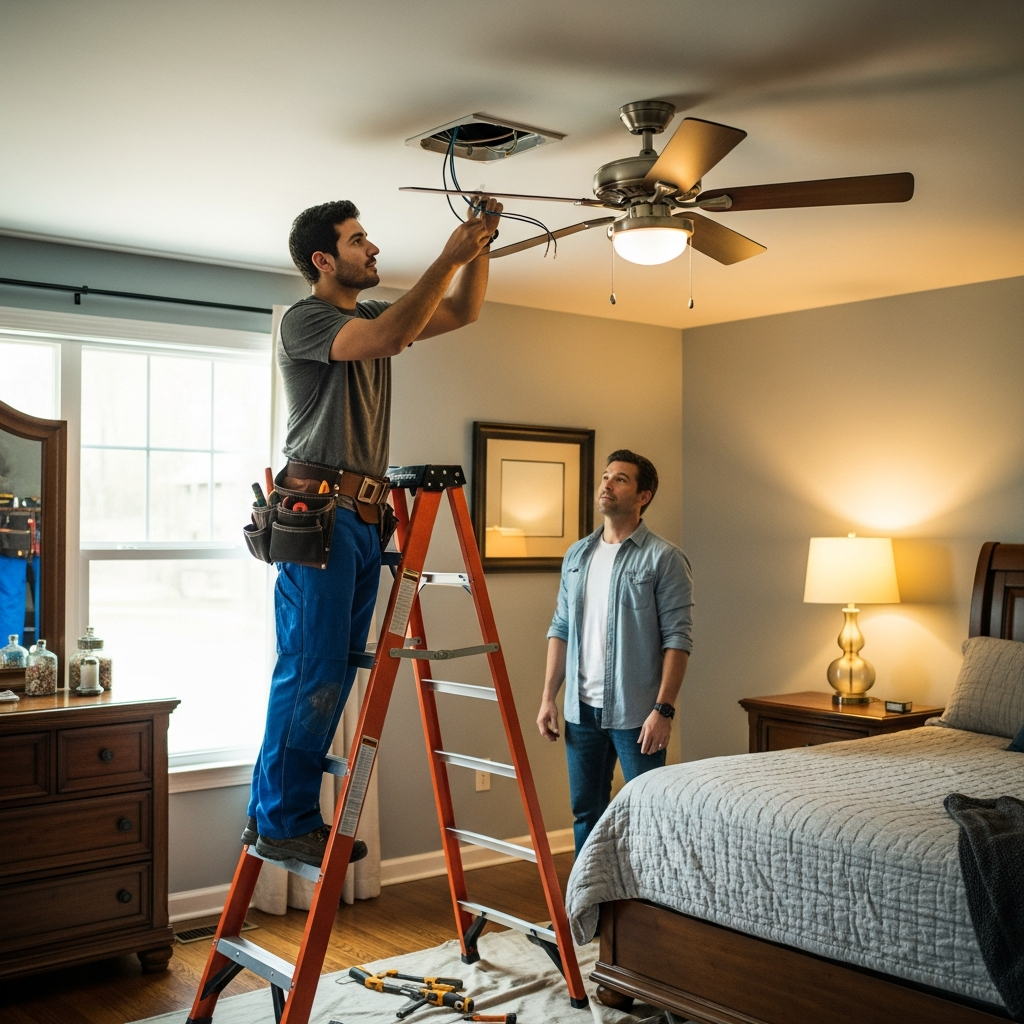
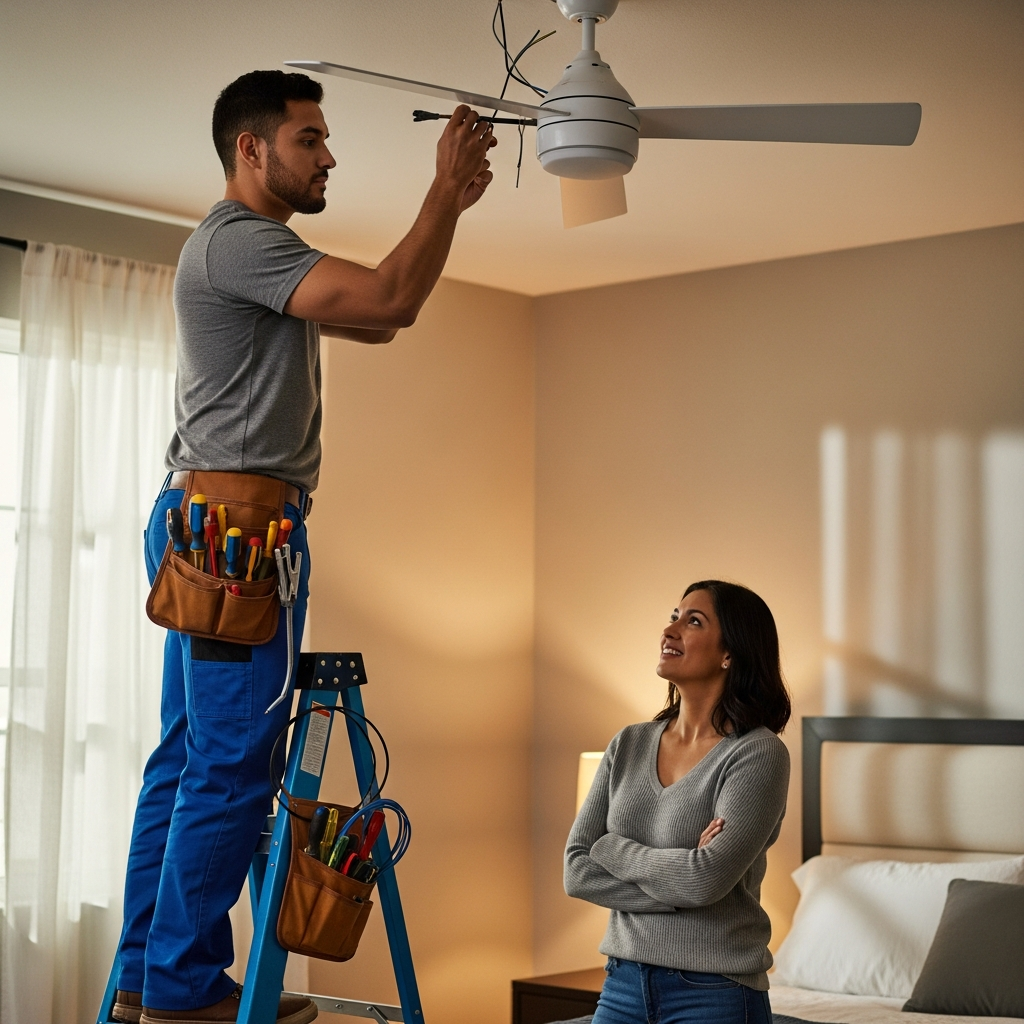
That’s where electrical contractors come in, and trust me, they’re not just the people you call when you need a new ceiling fan installed (though they’ll do that too). Think of them as your home’s electrical doctors – they can diagnose problems you didn’t even know existed, prevent disasters before they happen, and give you something that’s honestly priceless: peace of mind.
I’ve been writing about home safety for years, and I’ve learned something important: the best contractors don’t just fix problems. They solve them before they become problems. They look at your electrical system the way a good mechanic looks at your car – not just addressing what’s broken today, but identifying what might break tomorrow.
The reality is, most homes have electrical systems that were designed decades ago, long before we had smart TVs, gaming consoles, electric car chargers, and enough devices to power a small city. Your electrical panel might’ve been perfectly adequate in 1995, but today? It’s like trying to run a modern computer on dial-up internet. It might work… sort of… until it doesn’t.
Actually, that reminds me of something my electrician told me last year. He said the number one thing that surprises homeowners is learning how much their electrical contractor can actually do. We tend to think of them as the people who install outlets and change light fixtures. But they’re really safety specialists who happen to work with electricity.
They can spot the early signs of electrical fires. They know which code violations are serious and which ones are just paperwork issues. They understand how to properly ground your system, how to protect your expensive electronics from power surges, and – this is huge – how to make your home safer for your kids and pets.
In the next few minutes, we’re going to walk through exactly how electrical contractors protect your home and family. We’ll talk about the warning signs you shouldn’t ignore (some might surprise you), the safety improvements that give you the biggest bang for your buck, and how to find a contractor who’ll treat your home like it’s their own.
Because here’s the truth: your home’s electrical system is only as safe as the person who last worked on it. And if that person was your brother-in-law with a YouTube tutorial… well, we need to talk.
The Hidden Network That Keeps You Safe
Think of your home’s electrical system like the circulatory system in your body – you don’t really think about it until something goes wrong. And just like you’d want a cardiologist (not your neighbor who “knows about hearts”) working on your arteries, you want a licensed electrical contractor handling the network of wires snaking through your walls.
But here’s where it gets a bit confusing… not all electrical work requires a professional. Changing a light bulb? Obviously fine. Installing a ceiling fan? Well, that depends on your local codes, your comfort level, and whether there’s already a proper electrical box up there. The line between DIY-friendly and call-a-pro can be surprisingly blurry.
Understanding Your Home’s Electrical Personality
Every house has its own electrical quirks – kind of like how every car makes its own particular noises. Homes built in the 1960s might still have aluminum wiring (which isn’t necessarily dangerous, but it requires special attention). Houses from the 1980s often have those chunky GFCI outlets that look like they belong in a laboratory. Newer homes? They’re loaded with AFCI breakers that can be… let’s say, overly sensitive to certain appliances.
An experienced electrical contractor doesn’t just know how to install things – they know how to read your home’s electrical personality. They can spot the telltale signs that your 1970s panel is getting cranky, or notice that someone’s been doing creative wiring in your basement that might not exactly meet code.
The Code Conundrum
Here’s something that trips up a lot of homeowners: electrical codes aren’t suggestions. They’re actual laws, and they change more often than you’d expect. What was perfectly legal when your house was built might not fly today if you’re doing renovations.
Actually, that reminds me of a client whose “simple” kitchen remodel turned into a whole-house electrical upgrade because the old wiring couldn’t handle modern appliances safely. It’s like buying a classic car – sure, it was built to standards… just not today’s standards.
Why Safety Isn’t Just About Not Getting Shocked
Most people think electrical safety is just about avoiding getting zapped (which, don’t get me wrong, is definitely important). But electrical contractors are really guarding against three main villains: electrocution, electrical fires, and equipment damage.
The fire risk is the sneaky one. Electrical fires often start in places you can’t see – inside walls, in panels, behind outlets. By the time you notice something’s wrong, you might be dealing with more than just a blown fuse. Professional contractors use thermal imaging cameras and other diagnostic tools that can spot hot spots before they become actual hot spots, if you know what I mean.
The Tools That Make the Difference
You know how a good mechanic has diagnostic equipment that can tell them exactly what’s wrong with your car? Electrical contractors have similar tools, except instead of reading engine codes, they’re measuring voltage drops, testing ground fault protection, and checking for proper bonding.
Some of this equipment costs more than most people’s cars. That fancy oscilloscope isn’t just for show – it can detect electrical noise that might be slowly frying your electronics. And those non-contact voltage testers? They’re not foolproof, which is why pros use multiple testing methods to verify what they’re dealing with.
When Things Get Complicated
Here’s where electrical work gets really interesting (and potentially expensive): modern homes are basically giant computers. Your smart thermostat talks to your WiFi, which connects to your security system, which integrates with your lighting… it’s all interconnected in ways that would have boggled the minds of electricians from even 20 years ago.
Add in solar panels, electric vehicle chargers, whole-house generators, and battery backup systems, and you’re looking at electrical loads and interactions that require serious expertise to coordinate safely. It’s not just about whether the wire can handle the current – it’s about how all these systems play together without creating interference or safety issues.
The truth is, electrical safety has gotten more complex as our homes have gotten smarter. But that complexity also means that when you do need professional help, you’re getting expertise that’s genuinely valuable – not just someone who can twist wires together.
Spot the Warning Signs Before They Become Emergencies
You know that flickering light in the hallway? The one you keep meaning to deal with but never quite get around to? Yeah, that’s your house trying to tell you something. Electrical issues rarely announce themselves with dramatic sparks and smoke – they start with whispers.
Circuit breakers that trip frequently aren’t just being temperamental. They’re literally doing their job, protecting you from something that could turn dangerous. Same goes for outlets that feel warm to the touch, switches that give you tiny shocks, or that burning smell you can’t quite place but keeps coming back.
Here’s what most people don’t realize… these aren’t just inconveniences. They’re your early warning system. A professional contractor can read these signs like a roadmap, identifying problems that might be months away from becoming serious hazards.
The Real Story Behind Code Compliance
Building codes aren’t bureaucratic nonsense – they’re written in response to actual fires, accidents, and tragedies. When an electrical contractor talks about bringing your system “up to code,” they’re not trying to upsell you. They’re preventing your house from becoming a statistic.
Modern codes require GFCI outlets in bathrooms, kitchens, and outdoor areas because people used to die from electrocution in these spaces. Arc fault circuit interrupters (AFCIs) exist because hidden electrical arcs cause thousands of house fires every year. These aren’t luxury upgrades – they’re life-saving technologies that should be standard in every home.
But here’s the thing… you can’t just buy these devices at the hardware store and call it good. Installation matters enormously. A GFCI outlet wired incorrectly might test fine but fail when you actually need it to protect you.
What Happens During a Professional Safety Inspection
A thorough electrical safety inspection goes way beyond checking if your lights turn on. Professional contractors use thermal imaging cameras to spot hot spots invisible to the naked eye – connections that are failing, overloaded circuits, or deteriorating wiring that hasn’t started causing obvious problems yet.
They’ll test every GFCI and AFCI device in your home, because these safety devices can fail silently. You might think you’re protected when you’re actually not. They’ll also check your electrical panel for signs of corrosion, improper breaker sizing, or dangerous modifications made by previous homeowners who thought they knew what they were doing.
The grounding system gets special attention too. Proper grounding provides a safe path for electrical faults, but it’s something that degrades over time. Old homes especially might have grounding that was adequate decades ago but doesn’t meet today’s safety standards.
Upgrade Priorities That Actually Matter
If budget’s tight (and whose isn’t these days?), focus on the upgrades that pack the biggest safety punch. Start with your electrical panel if it’s over 25 years old or still uses fuses instead of breakers. An outdated panel is like having a security system from the 1990s protecting your modern digital life.
Next, prioritize GFCI protection for any outlet near water sources. This includes that outlet in your garage, the one on your back patio, and yes, even that random outlet in your unfinished basement. Water and electricity don’t negotiate – they just kill.
Arc fault protection comes third. These devices prevent fires caused by damaged wiring, loose connections, or worn electrical cords. They’re especially important in bedrooms where people sleep and might not notice early signs of electrical problems.
The Hidden Costs of DIY Electrical Work
Look, I get it. YouTube makes everything look doable, and electrical work can seem straightforward when you’re watching someone else do it. But here’s what those videos don’t show you… the house fires that happen six months later when that “simple” outlet replacement was done incorrectly.
Insurance companies know this too. Many won’t cover electrical fires if the work wasn’t done by a licensed professional. So that money you “saved” doing it yourself? You might end up paying it back many times over if something goes wrong.
Professional contractors carry liability insurance and pull permits for major work. These aren’t just bureaucratic hoops – they’re your safety net. When a licensed professional does the work, there’s accountability and recourse if something goes wrong.
The peace of mind alone is worth the investment. You’ll sleep better knowing your family’s safety isn’t resting on whether you correctly identified the hot wire.
When Good Intentions Meet Real-World Problems
You know that feeling when you’re all motivated to tackle your home’s electrical safety, but then… reality hits? Yeah, we’ve all been there. You start pulling outlet covers off the wall, suddenly realize you’re staring at a tangle of wires that looks like spaghetti, and think “Maybe I should’ve called someone first.”
The thing is, most homeowners run into the same roadblocks when trying to work with electrical contractors. And honestly? Some of these challenges aren’t even about the electrical work itself.
The Trust Factor – It’s Complicated
Let’s be real about this one. You’re letting someone into your home to mess with the invisible force that could literally burn your house down if they screw up. That’s… a lot to process.
The biggest hurdle? Finding a contractor who doesn’t make you feel stupid for asking questions. You know the type – they throw around terms like “GFCI” and “arc fault breakers” like everyone just naturally knows what those mean, then act surprised when you need clarification.
Here’s what actually works: Ask for references, but don’t just call them – ask specific questions. “Did they explain what they were doing?” “Were there any surprises with the bill?” “How did they handle problems that came up?” The contractors worth hiring will encourage these conversations, not dodge them.
Also, get everything in writing. Not because you don’t trust them (well, maybe a little), but because electrical work often uncovers other issues. When they’re rewiring your kitchen and discover your panel needs updating too, you’ll want that conversation documented.
The Money Talk Nobody Wants to Have
Electrical work is expensive. Like, more expensive than you probably budgeted for. And here’s the kicker – the cost often escalates once they actually start poking around in your walls.
This isn’t necessarily the contractor trying to upsell you (though that happens too). It’s more like… you planned to replace a faucet but discovered your whole bathroom plumbing is held together with hope and duct tape. Electrical systems can be the same way.
The solution isn’t to avoid the work – it’s to plan smarter. Ask for a detailed estimate that includes potential additional costs. Most good contractors will give you a “best case, worst case” scenario. Budget for somewhere in the middle, but know what the upper limit might be.
And here’s something nobody talks about – timing your electrical work with other renovations can actually save money. If you’re already tearing into walls for other reasons, that’s prime time to update wiring without paying twice for drywall repair.
The Disruption Dilemma
Let’s talk about what no one warns you about – living in your house while electrical work happens. It’s not just the noise and dust (though there’s plenty of both). It’s the random power outages while they work. It’s having strangers in your space for days. It’s realizing you can’t use your coffee maker, your internet, or sometimes even your bathroom lights.
The contractors who get this right? They communicate. A lot. They’ll tell you which circuits they’re working on each day, when to expect power outages, and how long things might take. They’ll also work with your schedule – not everyone wants workers showing up at 7 AM, even if that’s technically allowed.
Pro tip: Ask about partial shutdowns versus whole-house power cuts. Good contractors can often isolate their work to minimize disruption. But you need to speak up about your needs – working from home, medical equipment, whatever matters to your daily life.
The Permit and Code Maze
This one trips up almost everyone. You call for what seems like simple work, then suddenly you’re hearing about permits, inspections, and bringing everything “up to code.” It feels like mission creep, but it’s actually… well, the law.
Here’s the thing – electrical codes exist because electricity can kill you. They’re not suggestions. And while it might seem excessive to need a permit to install a ceiling fan, those requirements protect your family and your home’s resale value.
The contractors who handle this well explain the why, not just the what. They’ll walk you through which work requires permits (spoiler: more than you think) and what the inspection process looks like. They’ll also handle the paperwork – because honestly, who has time to learn municipal permit procedures?
Making It Work Despite Everything
The truth is, electrical work will never be as simple as you hope it’ll be. But the right contractor makes the complexity manageable. They explain things without talking down to you, they prepare you for realistic timelines and costs, and they treat your home with respect.
Most importantly? They don’t disappear when problems come up – because in electrical work, problems always come up.
What to Expect When You Call an Electrical Contractor
Here’s the thing about electrical work – it’s not like ordering pizza. You can’t just call and have someone show up in 30 minutes with exactly what you need. Most reputable contractors are booked out at least a week or two, sometimes longer during busy seasons (think spring when everyone’s doing home improvements).
When you first call, expect to have a phone conversation where they’ll ask about your specific concerns. Are you seeing sparks? Flickering lights? Circuit breakers tripping constantly? This isn’t just small talk – they’re trying to determine if you have an emergency situation that needs immediate attention or if it’s something that can wait for a scheduled appointment.
For non-emergency work, you’re typically looking at scheduling an assessment visit within 1-2 weeks. Emergency situations? That’s different. If you’re dealing with exposed wires, burning smells, or outlets that are hot to the touch, most contractors will try to get someone out the same day or within 24 hours.
The Assessment Visit – More Than Just Looking Around
During that first visit, a good electrician isn’t just going to glance at your panel and give you a quote. They should be spending 45 minutes to an hour really examining your electrical system. Think of it like a doctor’s appointment for your house.
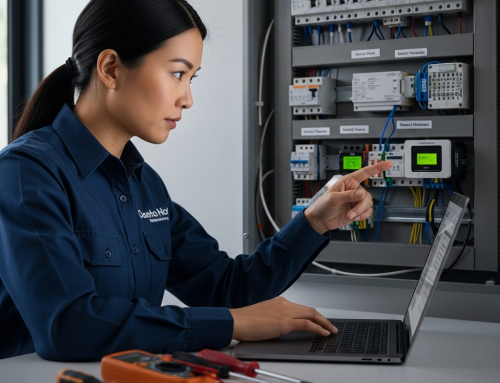
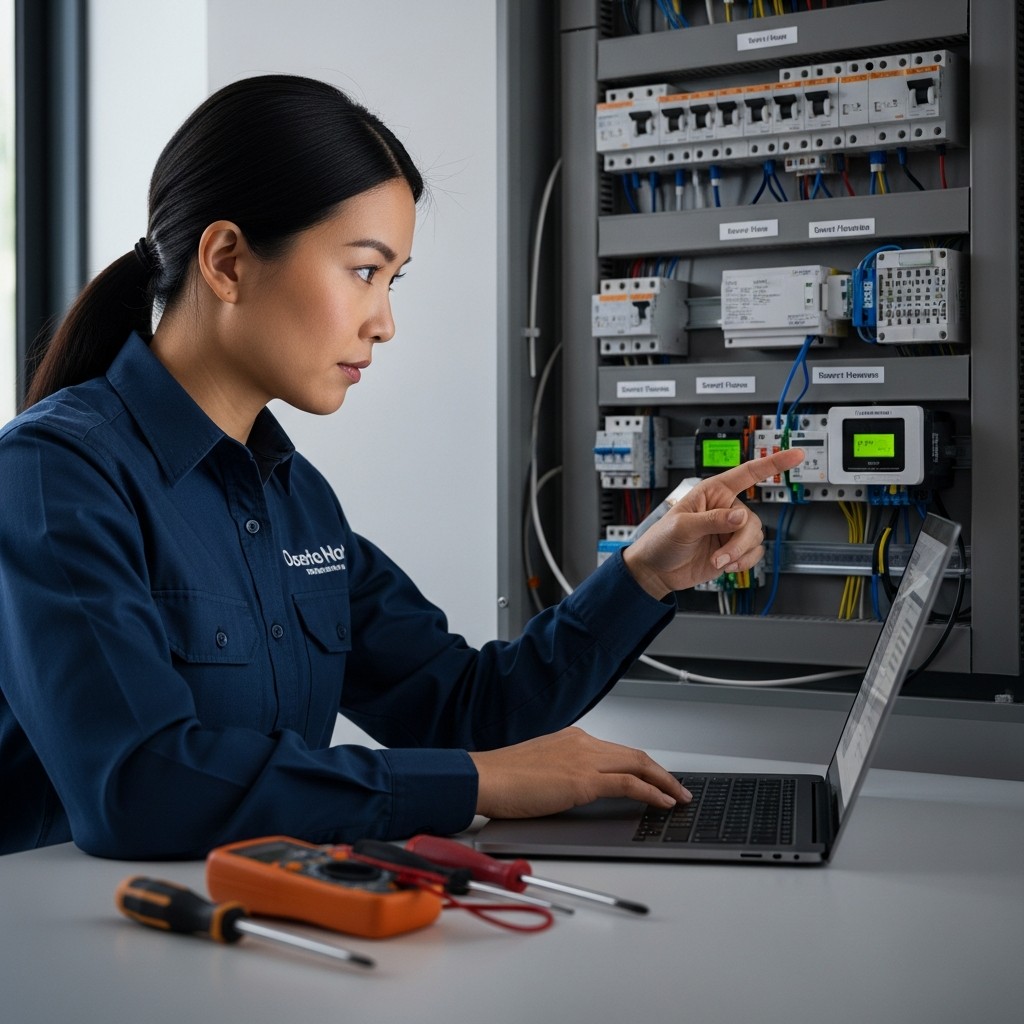
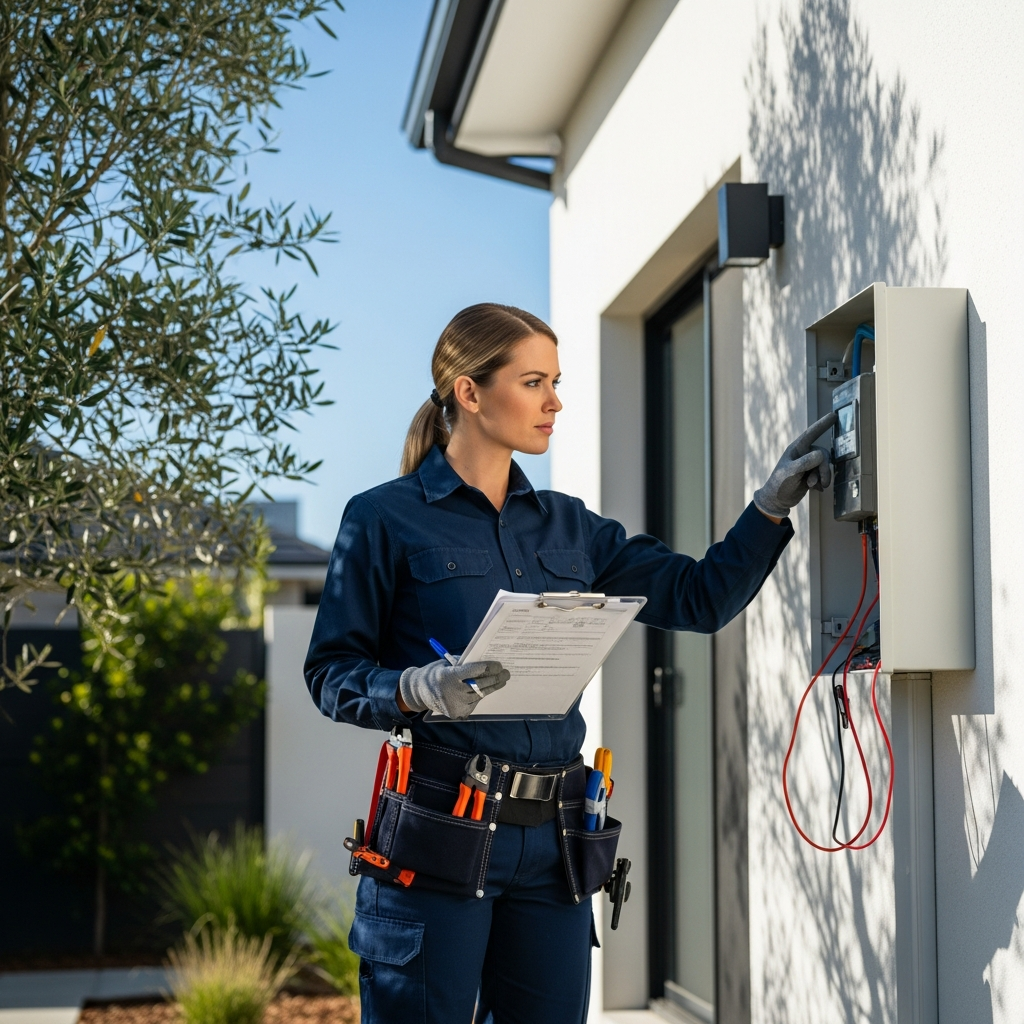
They’ll test outlets with special equipment, check the grounding in your panel, look for code violations, and assess the overall condition of your wiring. You might see them using instruments that look like fancy calculators – those are multimeters and voltage testers that help them understand what’s actually happening with your electrical flow.
Don’t be surprised if they find issues you weren’t expecting. It’s like when you go to the dentist for a cleaning and they find three cavities you didn’t know about. Older homes especially tend to have surprises hiding in the walls.
Understanding the Timeline Reality
Here’s where I need to be straight with you about timelines. Electrical work often takes longer than you’d expect, and there are good reasons for that.
First, there’s the permit process. Major electrical work requires permits in most areas, and pulling those permits can take anywhere from a few days to several weeks depending on your local jurisdiction. Your contractor should handle this for you, but it does add time to the project.
Then there’s the actual work. Replacing a panel might sound simple, but it often involves coordinating with your utility company to temporarily disconnect power. That scheduling dance alone can add days or even weeks to your timeline.
For smaller jobs – like installing GFCI outlets or fixing a few problem circuits – you’re probably looking at same-day completion once the work begins. But for bigger projects like whole-house rewiring or panel upgrades, plan on several days of work spread out over 1-2 weeks.
The Inspection Process
Most electrical work requires inspection by your local building department. Your contractor should schedule this for you, but here’s what you need to know: inspectors don’t work on your timeline.
The inspection typically happens after the electrical work is complete but before walls are closed up (if walls were opened). If the inspector finds something that doesn’t meet code, your contractor will need to fix it and schedule a re-inspection. This can add a few extra days to your project.
Don’t panic if this happens – it’s actually pretty common and doesn’t necessarily mean your electrician did poor work. Electrical codes are incredibly detailed, and sometimes different inspectors interpret things slightly differently.
After the Work is Done
Once everything’s complete and passes inspection, your contractor should walk you through what they’ve done. This isn’t just a courtesy – you should understand what’s been changed or upgraded in your home.
They should also provide you with documentation: permits, inspection certificates, and ideally some kind of warranty information. Good contractors typically offer at least a one-year warranty on their work.
You might notice your electrical system behaves differently after major work. New GFCI outlets are more sensitive and might trip more easily than your old outlets – that’s normal and actually means they’re protecting you better.
Planning Your Budget and Schedule
The best advice I can give you? Don’t wait until you have an electrical emergency to address known issues. Planning ahead gives you more control over timing and often results in better pricing since you’re not paying emergency rates.
And remember – this is an investment in your family’s safety. Good electrical work should last decades, so while the upfront cost might feel significant, you’re essentially buying peace of mind for years to come.
Your Home Should Be Your Haven
You know that feeling when you flip a switch and the lights come on exactly like they should? That’s not just electricity at work – that’s peace of mind. And honestly, in a world where so many things feel uncertain, there’s something deeply comforting about knowing the electrical systems keeping your family safe are in expert hands.
The thing is, most of us don’t think about our wiring until something goes wrong. We’re busy with work, kids, that ever-growing to-do list… But here’s what I’ve learned from talking to countless families: the homes where people sleep soundest at night are the ones where safety isn’t left to chance.
When you have a qualified electrical contractor assess your home, you’re not just fixing problems – you’re preventing them. Think of it like going to the doctor for a check-up rather than waiting until you’re sick. Those outdated outlets that make you nervous? The circuit breaker that trips every time you use the microwave and toaster together? That weird burning smell you noticed last week but haven’t had time to investigate? These aren’t just minor inconveniences… they’re your home trying to tell you something important.
I get it, though. Calling in a professional can feel overwhelming. Maybe you’re worried about the cost, or you’re not sure if your concerns are “serious enough” to warrant a service call. But here’s the truth: good electrical contractors aren’t there to judge or oversell you. They’re problem-solvers who genuinely care about keeping families safe.
The best part? Most electrical safety improvements aren’t as disruptive or expensive as you might think. Sure, a complete rewiring project is a bigger undertaking, but installing GFCI outlets or updating a few circuits? That’s often a same-day fix that can dramatically improve your family’s safety.
And let’s be real – the alternative isn’t worth considering. House fires, electrical shocks, carbon monoxide poisoning from faulty installations… these aren’t just statistics. They’re preventable tragedies that happen to real families who thought “it won’t happen to us.”
Your family deserves to feel completely secure in your home. You deserve to use your appliances without worry, to sleep without wondering about that flickering light in the hallway, to know that your smoke detectors and surge protectors are actually protecting what matters most.
Ready to Take the Next Step?
If anything we’ve discussed resonates with you – if you’ve been putting off that electrical concern or simply want the confidence that comes with knowing your home is as safe as possible – I encourage you to reach out to a licensed electrical contractor in your area.
You don’t need to wait for a crisis. You don’t need to feel embarrassed about asking questions. The right professional will listen to your concerns, explain your options clearly, and work within your budget to prioritize what matters most.
Your home should be your sanctuary, and ensuring its electrical safety is one of the most loving things you can do for your family. Take that step today – your future self will thank you for it.